Author:SOP Work Pods Manufacturer TIME:2026-08-28
Portable can describe four very different propositions: a complete unit handled by equipment, a pod separated into large modules, a product dismantled into components, or an enclosure that is merely less permanent than a constructed room. A buyer who leaves the word undefined cannot plan a route, estimate downtime, protect warranties, or decide what must be retested.
Portable office pod relocation risk controls begin with a named move scenario. The record follows the accepted pod from pre-move inspection through isolation, protection, disassembly or handling, transport, storage, receiving-site preparation, reassembly, reconnection, testing, and reopening. Every stage has a failure mode and a control.
The method gives portability value only when likely moves are executable for the exact model and building pair. It does not assume that modular construction guarantees repeated movement, nor does it invent a universal relocation cost or duration.
Ask the supplier to describe the approved method for the offered model and options. Record whether it moves complete, uses lifting or handling points, separates into modules, requires partial dismantling, or needs full disassembly. Identify the largest object at each stage, sequence, tools, labor competence, consumables, replacement seals or fasteners, protective materials, packaging, storage conditions, and excluded situations.
Connect the method to the buyer's expected change. Moving across an open floor is not equivalent to passing through a lift, transferring to another building, or storing the pod between leases. State the likely origin, destination, frequency, acceptable downtime, and reason for moving. A method can be technically possible while failing the commercial or operational need.
Ask what must remain assembled and what may be separated without losing calibration, finish quality, or serviceability. Record any orientation, lifting, sequence, or environmental restrictions supplied for the model. Where information is missing, list it as a release question rather than designing a move around a general assumption about modular products.
Before isolation, record identity, model revision, options, location, photographs, visible condition, door and seal behavior, furniture, lighting, ventilation response, controls, power, data provision, technology, accepted work, known limits, faults, and unresolved defects. Keep documents and component labels linked to the same asset.
The baseline prevents old issues from being attributed to the move and helps detect missing parts or changed performance after reassembly. It also identifies user equipment and loose items that must be removed separately. Agree who signs the baseline and who can authorize departure when a defect is found.
Include the accepted location conditions in the baseline. Nearby listener positions, glare, wireless behavior, return air, traffic, and the task trial establish a comparison point for the destination. Without context, a post-move observation may look like product damage when the real change is a noisier corridor, stronger sunlight, or a different network condition.
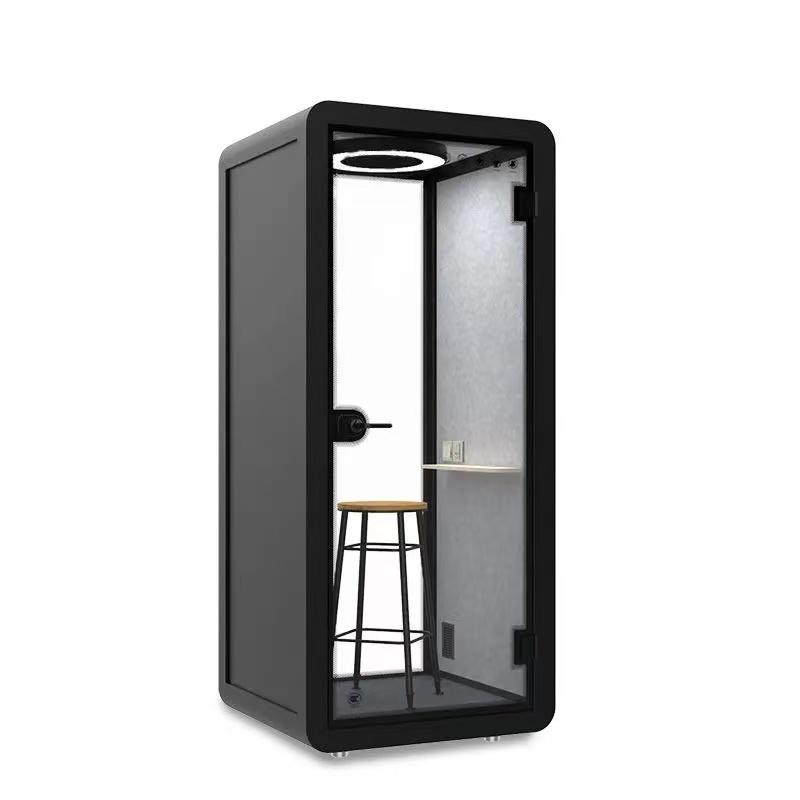
Walk both routes using the complete unit or largest component dimensions. Check doors, corridors, turns, lifts, stairs, thresholds, loading, vehicle access, floor transitions, overhead restrictions, working space, security, occupied-area separation, building hours, permits, and protection. The destination survey must include the assembly area as well as the travel path.
If storage is possible, define duration, orientation, stacking restrictions where supplied, moisture and impact protection, access control, inventory, and inspection before reassembly. Temporary storage can introduce more risk than transport when components lose labels, hardware is mixed, or finishes remain exposed.
Survey contingency routes only when they are physically and operationally credible. An emergency stair route, alternate lift, or remote loading point may require different component separation, labor, permits, or protection. Mark it as an alternate with its own conditions; do not let an unverified path keep the primary route falsely green.
Identify who isolates electrical and data connections, verifies the safe condition, releases the pod to the moving team, and records disconnected items. Use the approved sequence and keep fasteners, seals, trims, cables, and small parts in labelled custody groups. Do not treat a removed component as interchangeable unless the supplier information supports that conclusion.
Protection should match the handling route. Corners, glazing, finishes, doors, controls, and exposed connections may need different measures. Record damage immediately with location and photographs. A clean custody trail makes repair responsibility clearer and prevents a schedule team from hiding losses until reassembly.
Count and reconcile parts at every custody transfer, not only at the destination. Use labels that survive protection and storage, and keep component groups associated with their original position when the assembly method requires it. If a consumable cannot be reused, its replacement should already be identified and available before dismantling begins.
Build the relocation scope across preparation, isolation, labor, supervision, equipment, protection, packaging, route work, permits, transport, storage, replacement items, destination services, cleaning, defects, retesting, user disruption, and alternative workspace. Separate included work from allowances and exclusions. The table should reveal uncertainty rather than compress it into a single move price.
Ask how the move affects warranty and service. Determine whether approved labor, records, parts, or inspections are required, and whether damage during handling has a different responsibility path. Record expected parts availability and what happens if a seal, panel, control, or connector cannot be reused.
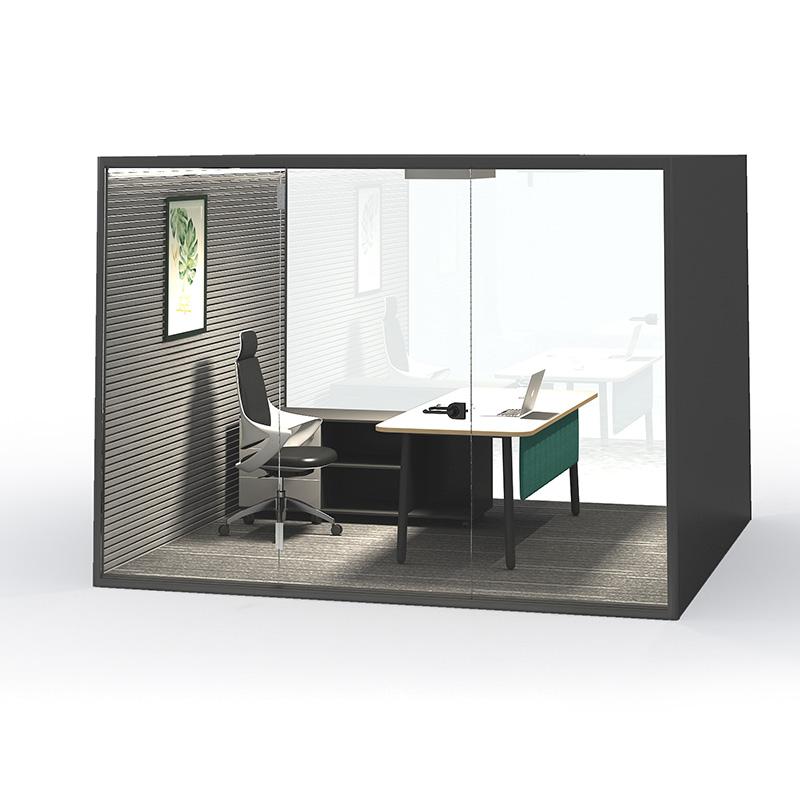
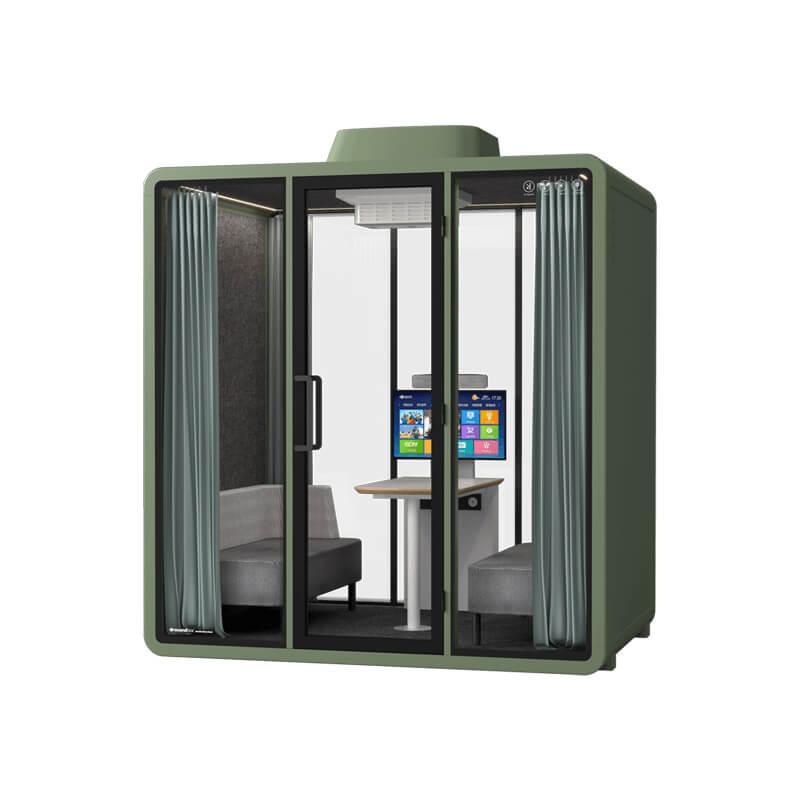
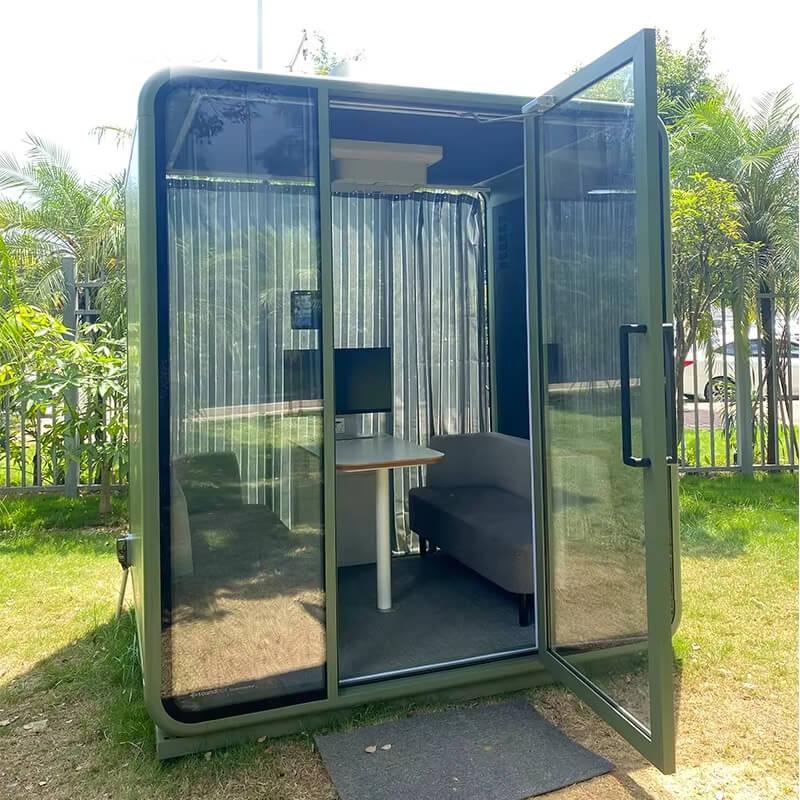
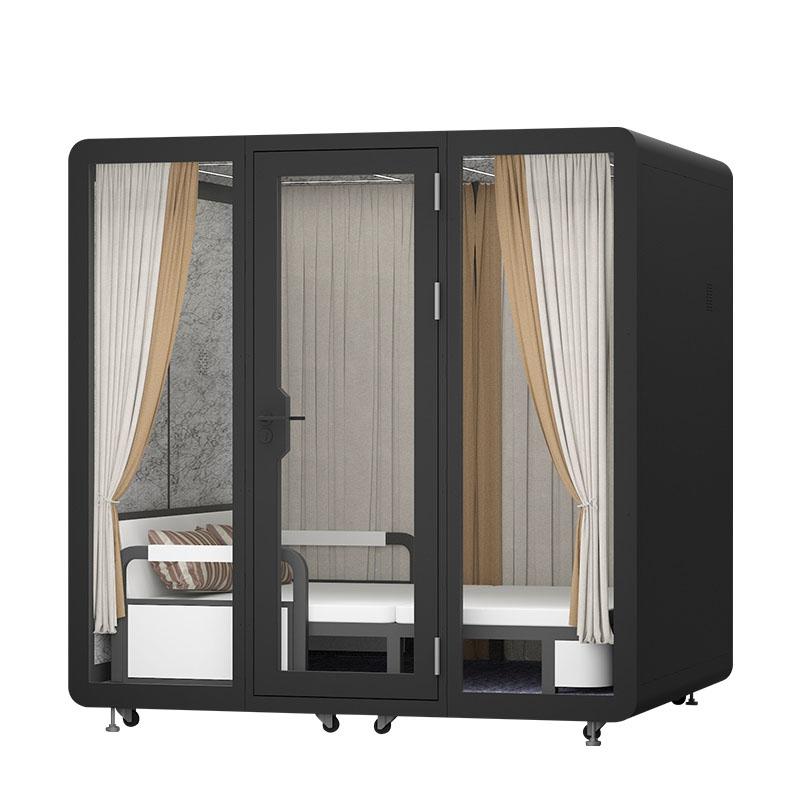
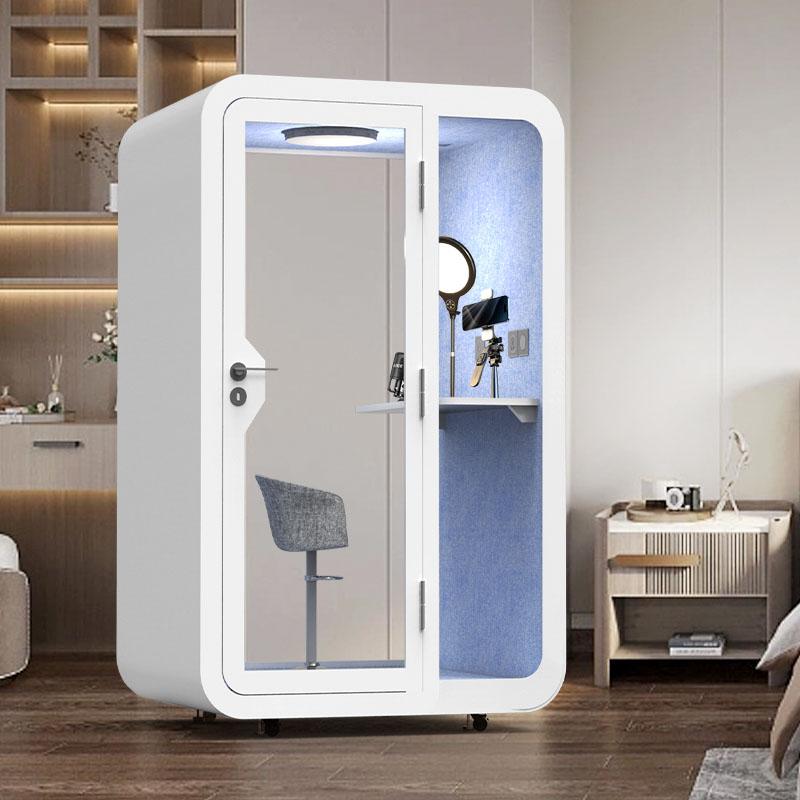
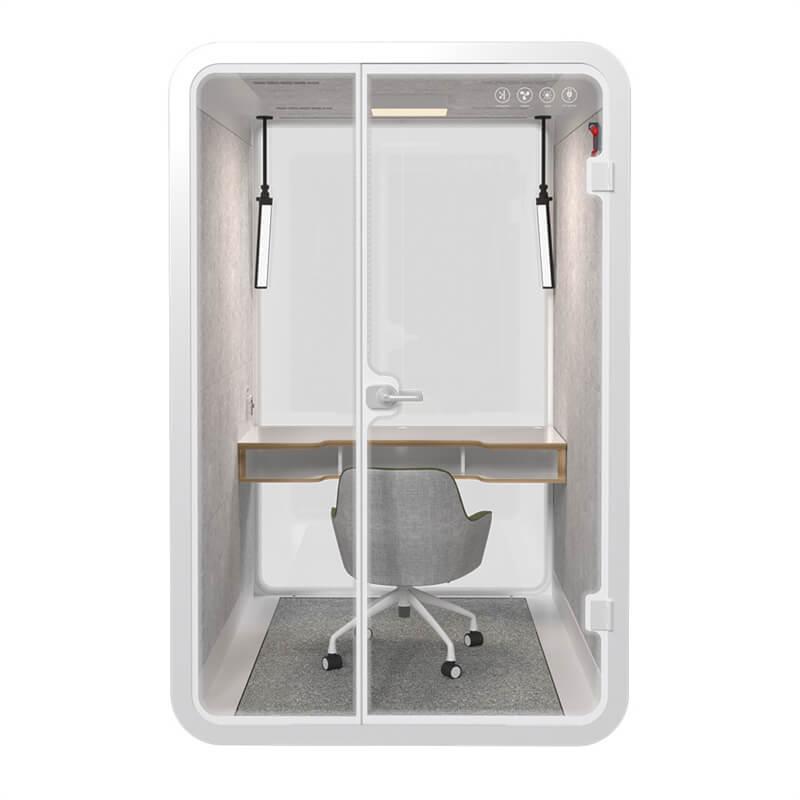
The office pod product reference should be tied to the exact moved configuration. A different door orientation, furniture option, technology package, or service arrangement can change weight, handling, interfaces, and destination readiness.
Compare relocation with leaving the unit in place, acquiring another configuration, or changing the receiving layout. Include the value of continued operation at origin and the cost of alternative workspace during downtime. This is not a request for a speculative return calculation; it is a scope comparison that shows when movement is solving a real change requirement.
| Move stage | Failure mode | Required control evidence | Release owner |
|---|---|---|---|
| Method definition | Portable claim does not match the expected move | Model-specific sequence, largest object, labor and exclusions | Buyer and supplier |
| Pre-move | Existing defect or loose item is misattributed | Signed identity and condition baseline | Facilities owner |
| Route and handling | Damage, access block, or lost components | Measured route, protection plan, custody record | Move lead |
| Receiving site | Pod arrives before services or workspace are ready | Dated destination readiness release | Site lead |
| Recommissioning | Physical arrival is mistaken for continued performance | Inspection, functional checks, occupied retest | Workplace owner |
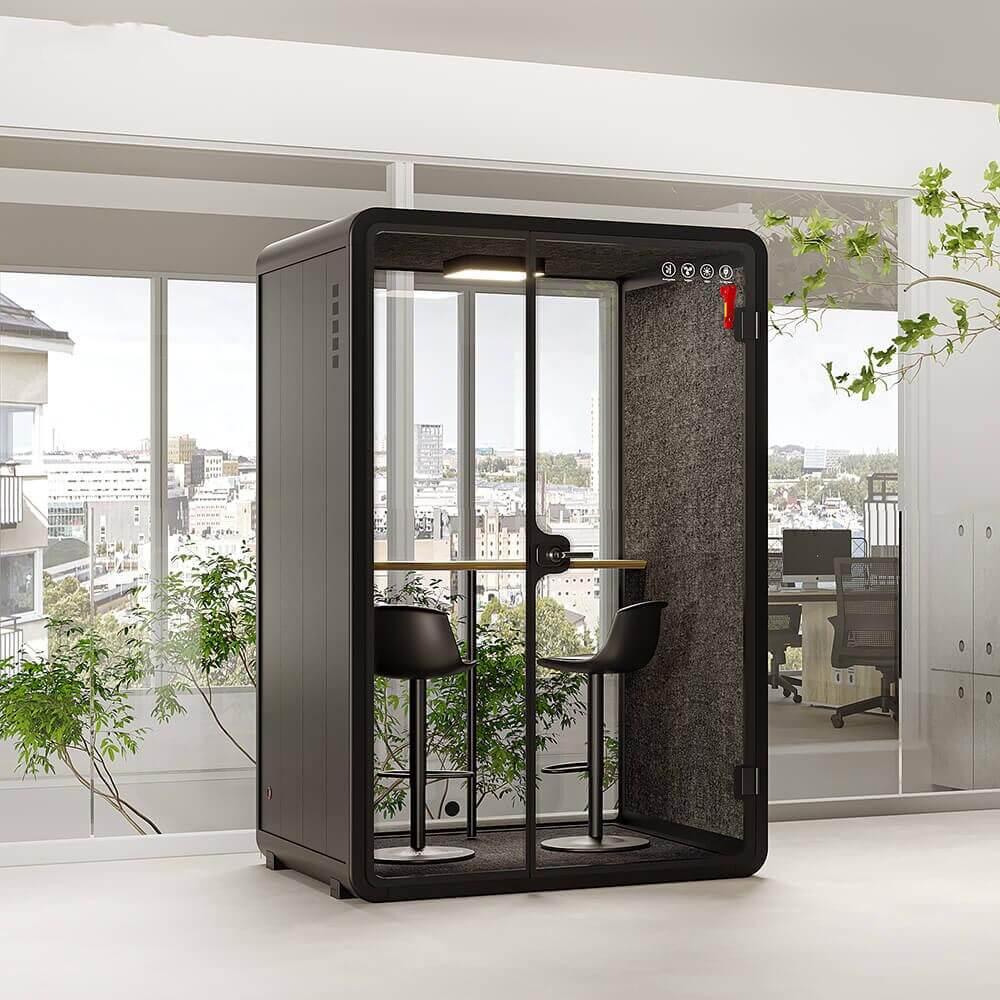
Confirm the destination footprint, floor condition, circulation, accessibility review, door swing, return air, building-system interactions, power, data, lighting context, cleaning access, maintenance clearance, and assembly workspace. Mark the approved position and record any enabling work with an owner and completion evidence.
Use a departure gate. If the receiving route, services, parts, or working area are not ready, decide whether the pod remains operational at origin, moves into controlled storage, or proceeds under an approved exception. This prevents portability from creating avoidable downtime.
Confirm destination ownership before departure. The receiving facilities contact should accept the footprint and service condition, the moving lead should accept the route, and the workplace owner should define the reopening test. A technically ready floor without people authorized to receive and recommission the asset is still an unready destination.
After reassembly, reconcile all components and inspect structure, alignment, glazing, panels, joints, door, seals, hardware, finishes, furniture, lighting, ventilation, controls, power, data provisions, and cleaning. Correct and retest defects before assuming the previous acceptance still applies.
Repeat the representative occupied task in the new location. Use comparable occupants, devices, duration, door and fan state, and surrounding activity. Observe speech exposure, sightlines, airflow perception, heat, posture, technology function, control access, entry, exit, and reset. Location can change the result even when the pod returns to its original physical condition.
Close the move by updating identity, location, condition, accepted uses, limits, documents, warranty record, maintenance owner, and next review. Portability becomes credible through this revised acceptance, not when the final component crosses the destination doorway.
Record lessons while the evidence is current. Note parts that were difficult to identify, protection that failed, route measurements that mattered, labor skills that were essential, service interfaces that changed, and checks that detected a problem. Apply those findings to the next move plan without turning one route into an unsupported guarantee for another building.
Keep a return strategy where the business change is temporary. The destination may be accepted for a project period, refurbishment, lease transition, or team move, after which the pod returns or moves again. Preserve the next likely route, storage decision, protection inventory, component custody method, and service isolation responsibility. A second move should start from the revised baseline rather than the original factory documents alone.
No. Modularity may support manufacture or assembly without establishing a practical repeated-move method. Confirm how the exact configuration separates or handles, which parts must be replaced, what labor and equipment are required, what routes it fits, and how warranty and recommissioning are managed.
The buyer should also ask how many moves the documents and commercial terms are intended to support, without assuming an unlimited cycle. Repeated handling can change consumables, finish condition, part availability, labor learning, and risk. Record any model-specific limits or inspection requirements and keep unsupported frequency claims out of the business case.
Use the largest object that will actually travel during the approved move method, including protection and handling clearance. It may be the complete pod, a module, a panel, or another component. Turning space, lift geometry, stairs, loading access, and assembly area matter alongside a simple width.
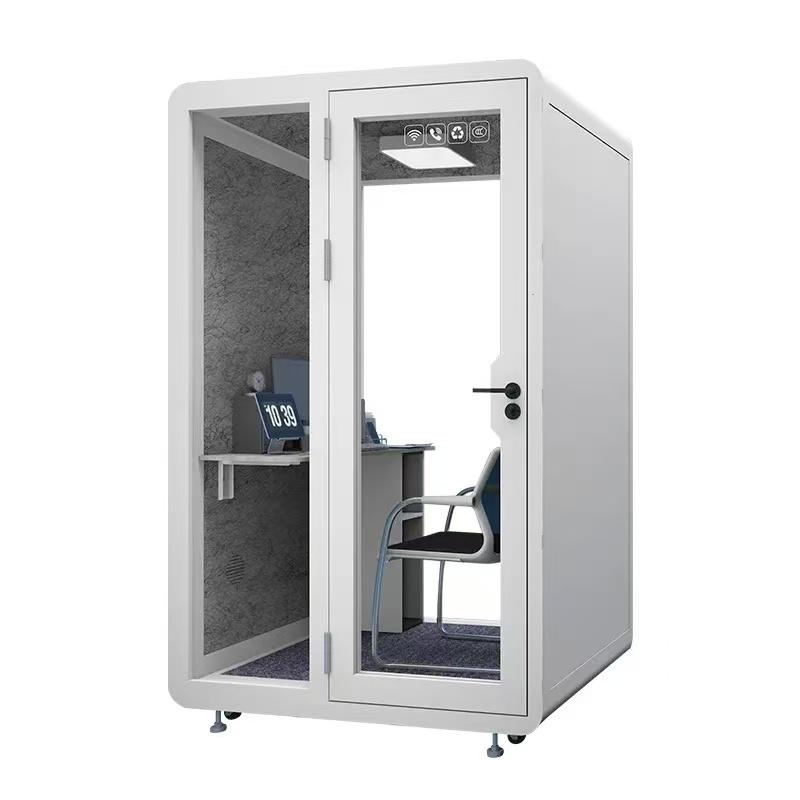
Sometimes, if the destination, route, labor, protection, services, documents, and parts are already released. A late isolation may reduce downtime, but it also leaves little recovery time for an unexpected defect. The plan should state a departure gate and a fallback workspace rather than assuming an uninterrupted move.
Recheck component identity, damage, alignment, joints, doors, seals, furniture, ventilation, lighting, controls, power, data provision, cleaning, and any site interface. Then repeat a representative occupied task because speech paths, sightlines, comfort, wireless conditions, and surrounding activity can differ at the destination.
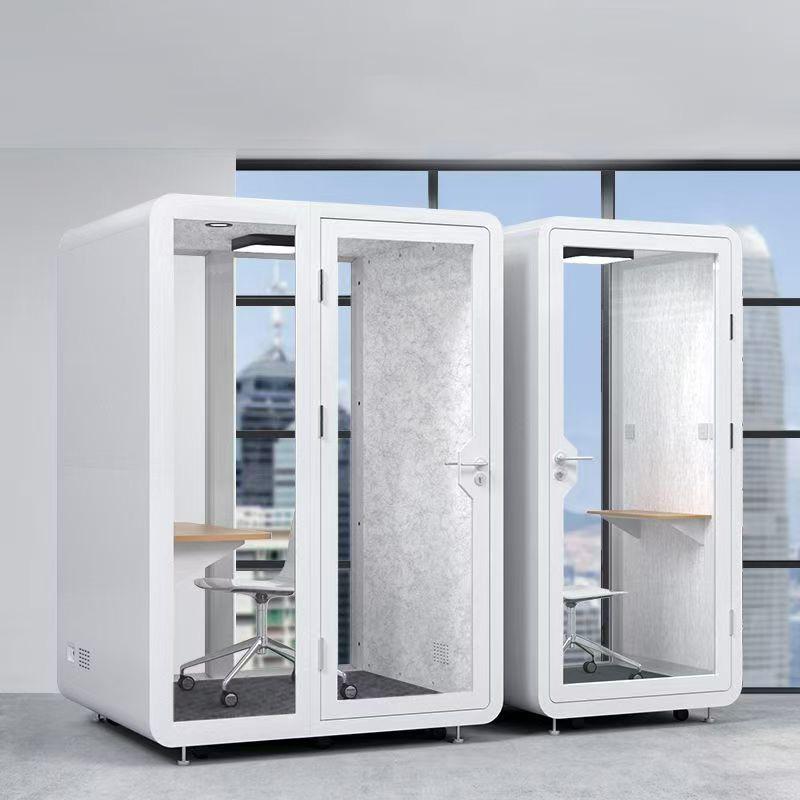
Portability is a controlled change capability. It depends on a model-specific move method, preserved baseline, qualified routes, part custody, complete cost boundary, ready destination, and a commissioning process that proves the workplace function again.
Credit the portable office pod only after a witnessed recommissioning route is credible for a likely move. Keep failure modes and release evidence in the asset record so future change does not begin with an undefined promise.

 Tel: +8613538031763
 Email: info@sopworkpod.com
 MP/WhatsApp: +8613538031763
 Manufacturer Address:Liucheng Lujiang District,Meixi Road,Nanan City,Fujian,China