Author:SOP Work Pods Manufacturer TIME:2026-08-28
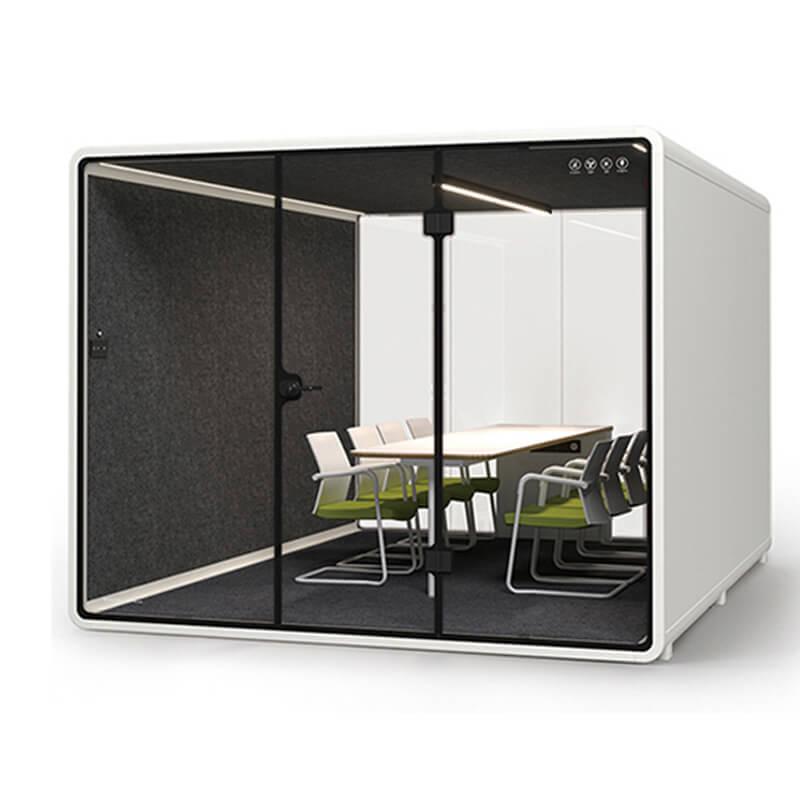
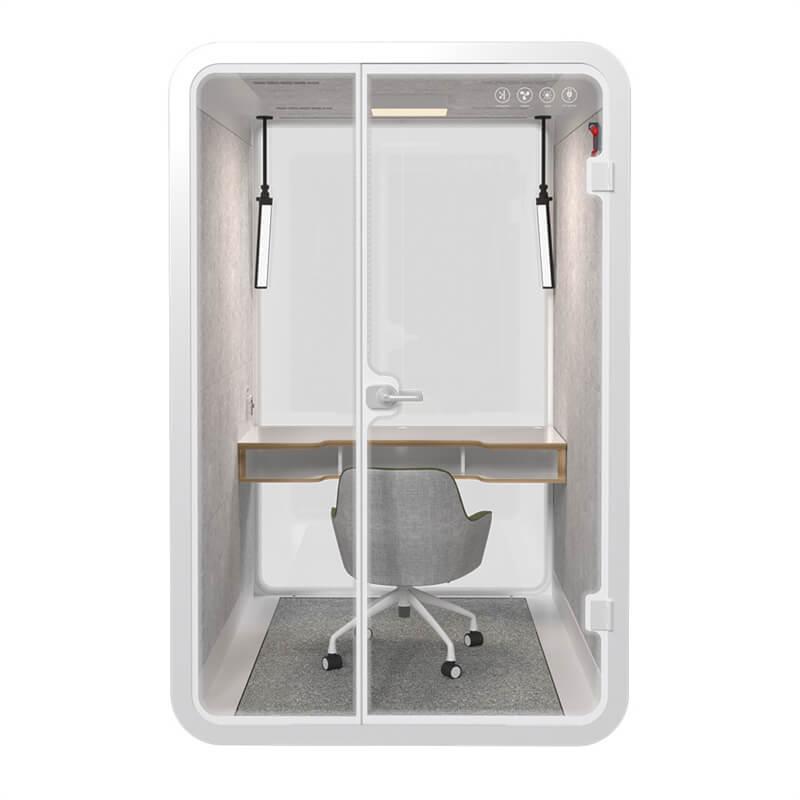
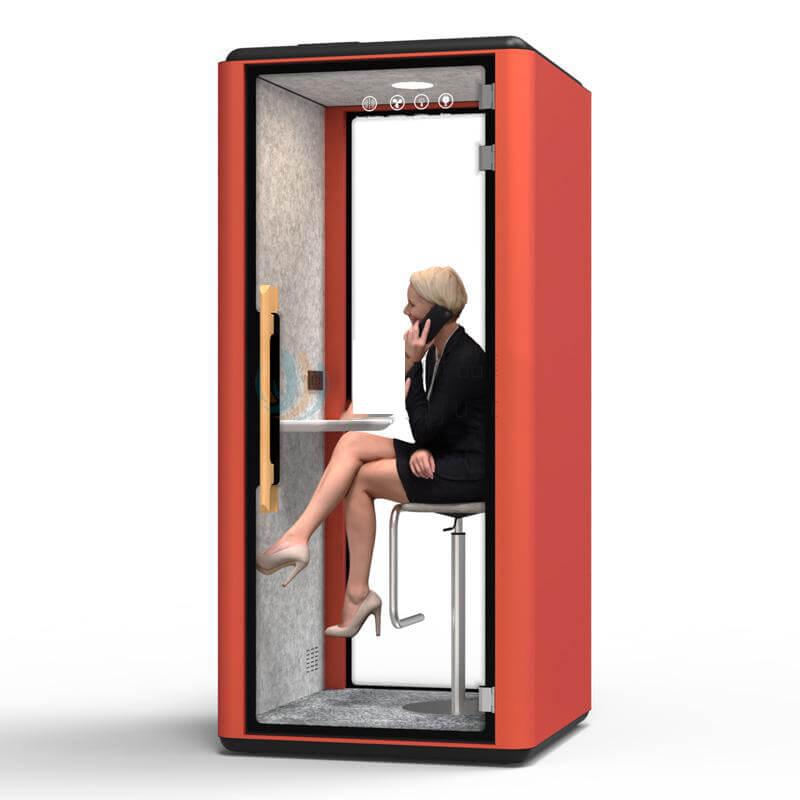
Meeting office pods are more visible in workplace plans, supplier offers, and office tours, but recognition alone does not establish a reason to buy. A facilities team still has to connect the category to repeated local meetings that existing rooms, policies, or informal spaces do not handle well.
This review treats recognition as a hypothesis. It follows failed room searches, tests the proposed privacy and hybrid role, exposes site and service burden, and then watches whether use remains stable after the product is familiar.
The output is not a market forecast. It is a local decision to correct the room portfolio, relocate a pilot, continue observation, or scale only the role supported by workplace evidence.
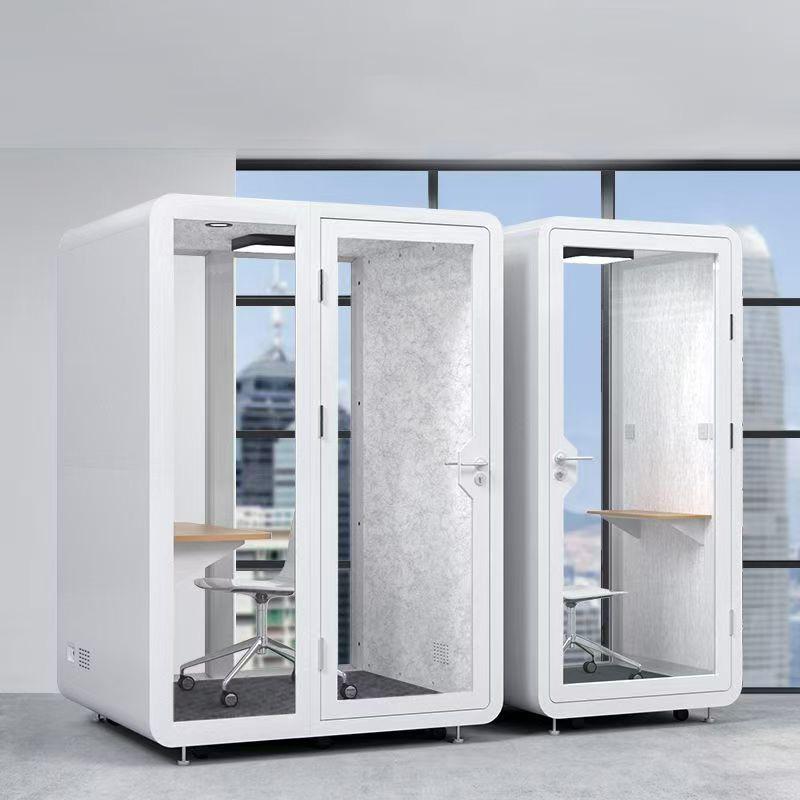
Recognition is an external signal, while a purchase case is local. Start by naming the office condition that a pod is expected to change and the evidence that could disprove that expectation.
Turn recognition into testable local drivers.
List meeting-pattern change, call and privacy needs, hybrid sessions, room-size mismatch, room shortage, construction disruption, lease change, project teams, visitor use, flexible floors, and product visibility; define which are hypotheses rather than established facts.
Use stakeholder interviews and workplace evidence to identify which drivers may apply and what result would challenge each.
Reopen the adoption map if external popularity becoming a substitute for a local problem statement becomes plausible.
Finish the adoption map entry with a decision to approve a bounded recognition-driver register. Name its correction owner and next trial condition.
A blocked calendar does not always mean there are too few rooms. The useful question is why a suitable room was unavailable for a particular session and whether a pod would address that cause.
Observe local sessions concurrency and failed alternatives.
Separate interviews, consultations, hybrid reviews, small meetings, client calls, project work, overflow, and sessions needing larger rooms by occupancy, duration, privacy, devices, urgency, concurrency, zone, failed search, delay, and fallback.
Review booking or room evidence and perform bounded observation while preserving period, attendance, and portfolio context.
Reopen the adoption map if an incomplete observation period becoming a universal demand estimate becomes plausible.
The adoption map should state how to release a local session-demand baseline. Place each open limitation beside the responsible owner and review trigger.
Distinguish room mismatch from simple shortage.
Compare session size and duration with available room capacity, technology, privacy, location, booking labels, no-shows, overruns, large-room blocking, walking distance, informal spaces, policy, and the possibility of changing existing rooms.
Follow failed searches and ask whether size, location, equipment, rule, privacy, or quantity caused the failure.
Reopen the adoption map if every room problem being interpreted as a need for pods becomes plausible.
Release this adoption map step only when the team can define the portfolio gap pods should fill. Its retained evidence shows unresolved conditions and next actions.
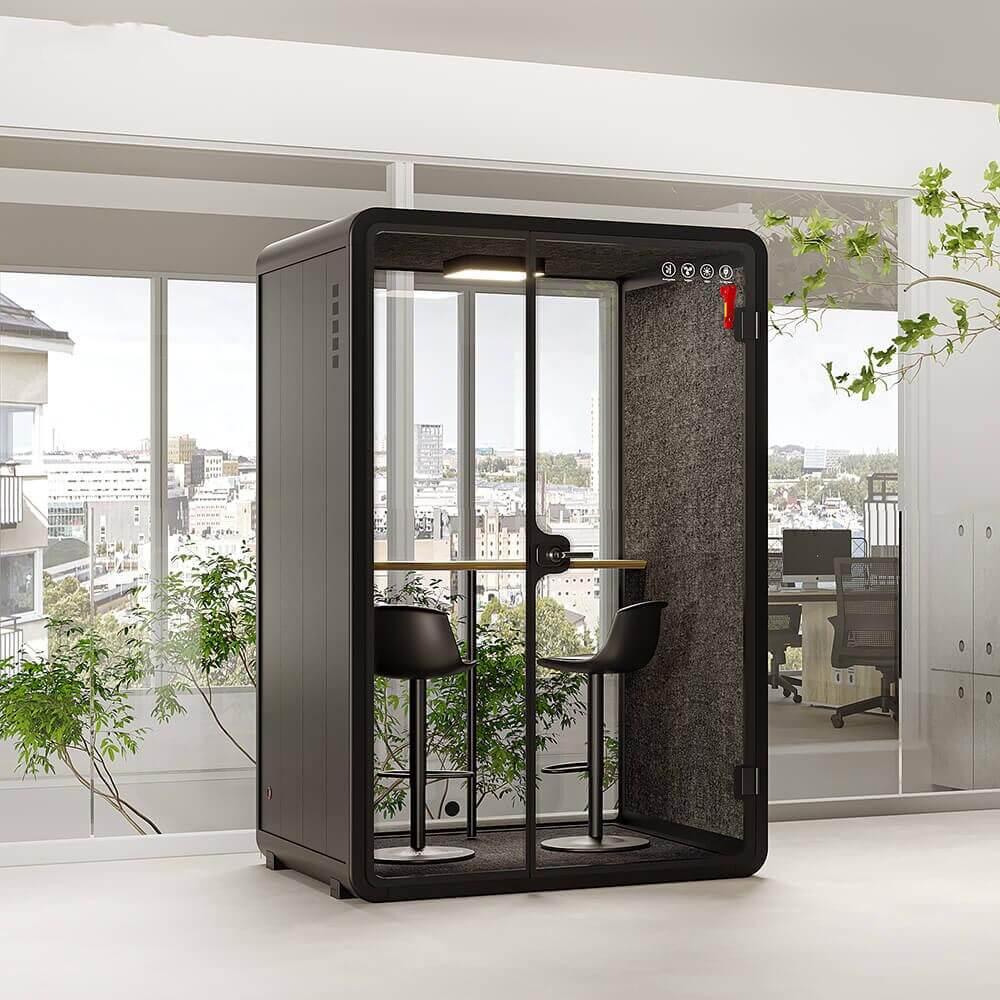
Privacy and hybrid work are too broad to approve a product category. A representative meeting should expose the exact listener paths, camera demands, device behavior, and duration limits involved.
Verify privacy and hybrid needs in the proposed role.
Map speaker and listener positions, sightlines, door and fan state, ventilation routes, camera framing, microphone, loudspeaker, echo, content sharing, data, devices, remote participants, support, duration, and conversations before entry or after exit.
Run representative sessions with onsite and remote observers in candidate locations.
Reopen the adoption map if privacy or hybrid language remaining a general adoption driver becomes plausible.
Turn the adoption map finding into an instruction to state role-specific evidence and limits. Record the invalidating condition and person who must respond.
Modularity can reduce some construction commitments, but it does not erase access, services, commissioning, cleaning, or future-move work. Those interfaces belong in the adoption case from the start.
Test site fit project flexibility and complete scope.
Review footprint, delivery route, assembly, floor, power, data, ventilation interaction, circulation, accessibility review, cleaning, maintenance, removal, relocation evidence, freight, installation, site work, defects, acceptance, training, parts, warranty, downtime, exclusions, and alternatives.
Mark the footprint, walk the route, normalize offers, and qualify future change scenarios before purchase.
Reopen the adoption map if recognition hiding project and lifecycle burden becomes plausible.
Close the adoption map route by agreeing how to release a complete site and scope decision. Preserve its accepted boundary, correction, and reason for retest.
Once the local role and site interfaces are explicit, the office pod configuration range can be reviewed against that record rather than used as evidence of demand by itself.
First-week curiosity is weak evidence. Repeat selection, failed attempts, door behavior, booking friction, and the choices of people who avoid the pod reveal whether its intended role is understood.
Observe whether users learn and repeat the intended role.
Track discovery, booking or walk-up access, eligible meeting migration, failed attempts, non-use, queues, overruns, misuse, open doors, privacy concerns, device problems, comfort, user guidance, surrounding-room effects, and changes after familiarization.
Compare repeated observations with first-week behavior and retain explanations from users who choose alternatives.
Reopen the adoption map if novelty being mistaken for durable recognition becomes plausible.
This adoption map output explains how to identify stable and unstable adoption behavior. It identifies the owner, remaining uncertainty, and change that reopens review.
Set an observation window that can be interpreted
Choose a period that includes the session types and office conditions relevant to the decision. Note project peaks, holidays, policy changes, room closures, floor moves, and launch activity that could make the period unusual. The register should not pretend that one convenient week represents every future month.
Observe both selection and rejection. When someone chooses a pod, record the assigned task and the alternative that was unavailable or unsuitable. When someone walks away, note whether the cause was occupancy, location, privacy concern, comfort, technology, booking, a fault, or preference for another room.
Review the evidence with users and operators before scaling. Facilities may see downtime, IT may see device friction, and users may see a task mismatch. A scale decision is stronger when those views explain the same pattern or preserve their disagreement rather than reducing it to one utilization number.
End the window with a dated scope note. It should identify the floors, teams, session types, operating condition, unavailable rooms, and known disruptions covered by the observation. Future reviewers can then decide whether new evidence is comparable or represents a different workplace question.
| Observed situation | Plausible alternative explanation | Decision use |
|---|---|---|
| Small meetings repeatedly occupy larger rooms | The smaller rooms may have poor equipment, labels, or location | Correct the portfolio issue first or test a pod against the same session |
| A pilot receives heavy early use | Novelty, a temporary project, or weak launch guidance may distort demand | Continue observation after familiarization |
| Users leave the door open | Comfort, duration, or call behavior may conflict with the intended role | Diagnose the condition before adding quantity |
| The pod is frequently unavailable | Demand may be real, or faults and turnover may be reducing capacity | Separate service loss from unmet demand |
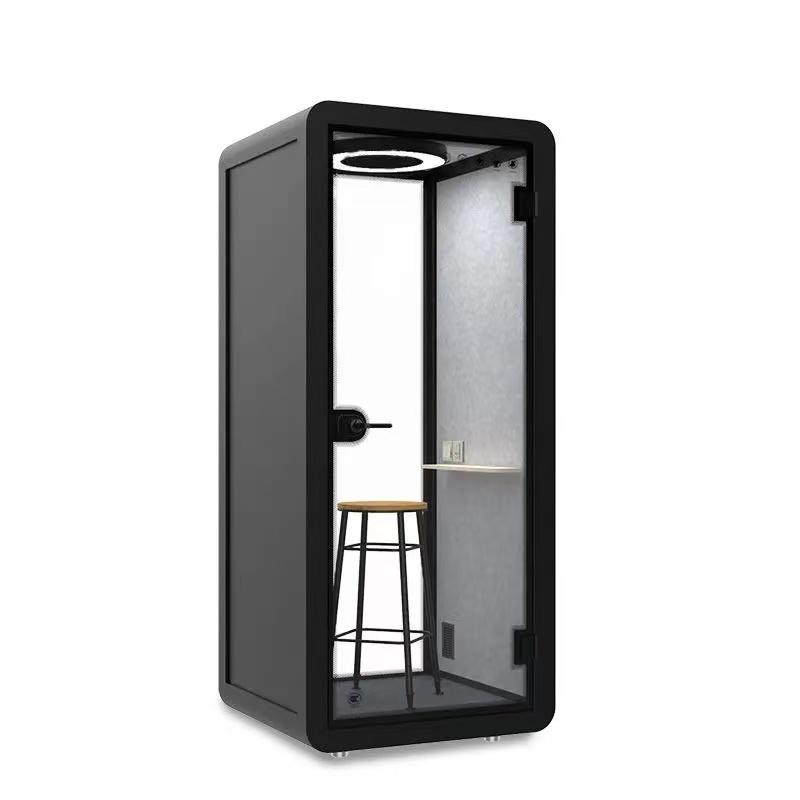
A pod that is visible but unavailable is not established capacity. Broader adoption depends on whether facilities and IT can keep the accepted experience in service without hidden work.
Review service ownership before broader adoption.
Assess booking labels, support, cleaning, filters, door and seals, ventilation, lighting, controls, power, furniture, faults, isolation, service contacts, parts, warranties, downtime, return to service, reporting, and the effect on facilities and IT workload.
Rehearse a fault and turnover and hold a pilot review with users and operators.
Reopen the adoption map if a visible product role lacking a sustainable service becomes plausible.
End the adoption map step with an explicit route to retain correct relocate observe or scale from local evidence. Attach context, limitation, and operating ownership.
Recognition shows that a product category is being discussed or considered; it does not show that this office has the right unmet sessions, locations, or operating capacity. The same visible interest can arise from design fashion, a temporary project, a room-label problem, or a genuine portfolio gap.
Treat recognition as permission to investigate. Approve demand only after local behavior identifies an eligible role and still supports it after alternatives, novelty, downtime, and observation limits are accounted for.
Collect the reason each search failed, not only the fact that no room was booked. Size, duration, privacy, equipment, location, access rules, no-shows, overruns, and inaccurate room labels can point to different remedies.
Keep the requested session beside the room that was available and the fallback actually used. That comparison shows whether a pod would fill a specific portfolio gap or simply add another bookable object to an already confusing system.
Stable behavior is visible when eligible users can find the pod, choose it for the intended meetings, complete those meetings, and return under similar conditions. Repeat selection matters more than launch-week curiosity.
Also watch informed non-use. Users who understand the role but choose a larger room, an open setting, or another pod may reveal a valid boundary rather than failed adoption. Misuse, persistent open doors, and repeated support requests suggest the role is not yet stable.
Delay expansion when faults, cleaning, filters, door adjustment, device support, booking administration, or slow return to service regularly remove accepted capacity. The issue is not that every pod needs service; it is that the service route cannot sustain the quantity assumption.
Before scaling, assign owners and rehearse one realistic turnover and fault. If the team cannot isolate the unit, provide an alternative, obtain support, and confirm return to service, retain the pilot quantity while that operating gap is corrected.
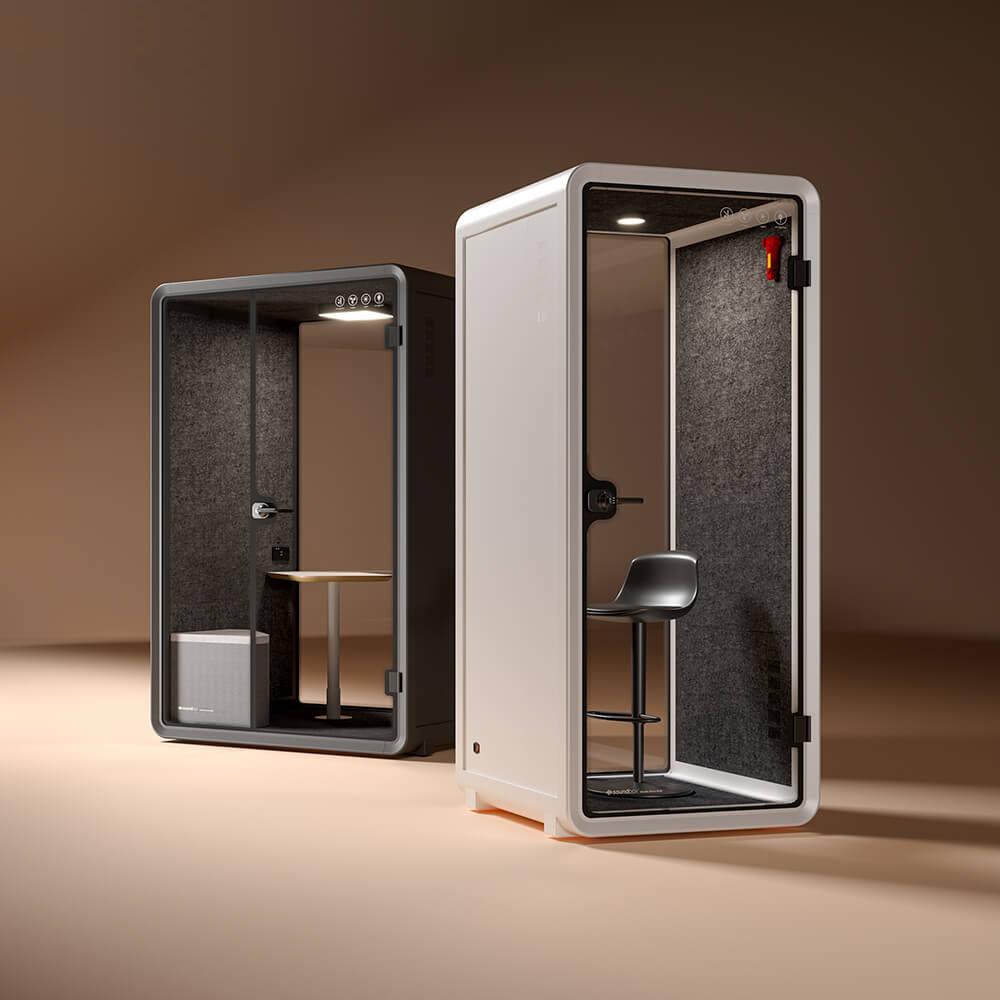
Growing recognition can justify investigation, but it cannot replace a workplace problem statement. Meeting office pods deserve a defined role only where observed sessions, room mismatch, privacy needs, hybrid technology, site conditions, and user behavior point to the same bounded use.
Close the review with one of four actions: correct an existing-room issue, relocate or reconfigure the pilot, observe through another representative period, or scale the proven role. Keep contrary observations and service losses in the record.
The next useful artifact is a signed adoption register, not a broad claim that the market has accepted pods. It should state which sessions qualify, where the pod can operate, what remains excluded, and what event would reopen the quantity decision.

 Tel: +8613538031763
 Email: info@sopworkpod.com
 MP/WhatsApp: +8613538031763
 Manufacturer Address:Liucheng Lujiang District,Meixi Road,Nanan City,Fujian,China