Need Help?
Please leave your contact information to get our latest catalog
Get In Touch Now >

Author:SOP Work Pods Manufacturer TIME:2026-08-28
A meeting diary often hides several different activities behind the same calendar label. One entry may be a solo video call, another a two-person interview, and another a short hybrid review with a remote colleague. A Meeting Phone Booth can enhance a modern workspace when those sessions are routed deliberately, but the name alone does not establish usable occupancy, privacy, device fit or duration.
The practical question is where a conversation starts, what it needs while it is inside the booth, and how the next user receives the space. That route includes approach, availability, entry, seating, speech, sightlines, camera and audio, power, airflow, exit, reset and fallback. A weak link can make a compact enclosure look available while the session itself still fails.
The workflow below turns the booth into a defined service rather than an undefined spare room. It separates eligible and excluded meetings, rehearses natural interaction, connects technology to actual agendas and gives workplace teams a way to manage booking, turnover and faults without overpromising what a small footprint can support.
This point opens the workspace movement map by isolating "Define crossover sessions and excluded meetings" from the rest of the purchase decision. Separate solo phone and video calls, two-person check-ins, interviews, consultations, paired reviews, one onsite plus remote participant, short hybrid sessions, confidential work, and tasks needing more people, larger tables, special technology, or long duration. Within the session transfer route: keep the finding attached to the quoted configuration and the stated use; it is not authority for another model or floor.
The session transfer route uses a distinct method here: begin with a bounded observation and keep the original context attached to the result. Observe local calls and meetings and assign only sessions whose occupancy, interaction, privacy, devices, and duration fit the intended booth. Pause the decision if an ambiguous product name expanding use beyond evidence; the observation changes the route rather than becoming an exception hidden in the notes.
The release output for define crossover sessions and excluded meetings is a written decision to approve session eligibility and exclusions. In the workspace movement map: the file should show context, source, date, limitation and the person who can close the next action.
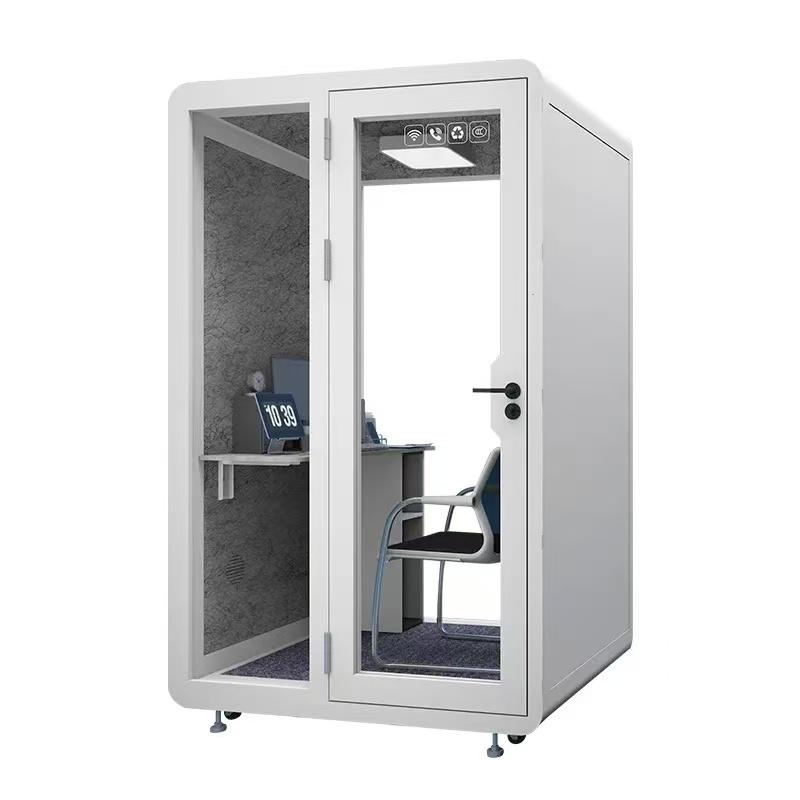
Test usable occupancy and natural dialogue
The next entry asks a narrower question: what does "Test usable occupancy and natural dialogue" mean in this workplace? Review internal clearances, seating, table, face-to-face distance, personal space, documents, laptop and phone, entry order, door, knees, elbows, movement, turn-taking, speaker orientation, shared content, belongings, controls, and exit. Within the session transfer route: record the exclusion beside the accepted use so later readers do not expand the conclusion by shorthand.
The session transfer route uses a distinct method here: use a representative task rather than a demonstration arranged around the product. Run normal consultation and review agendas with intended participant pairs and equipment. Pause the decision if nominal two-person capacity concealing constrained interaction; the observation changes the route rather than becoming an exception hidden in the notes.
The release output for test usable occupancy and natural dialogue is a written decision to release occupied crossover layouts. In the workspace movement map: write the observation, the failed alternative and the release condition on the same record line.
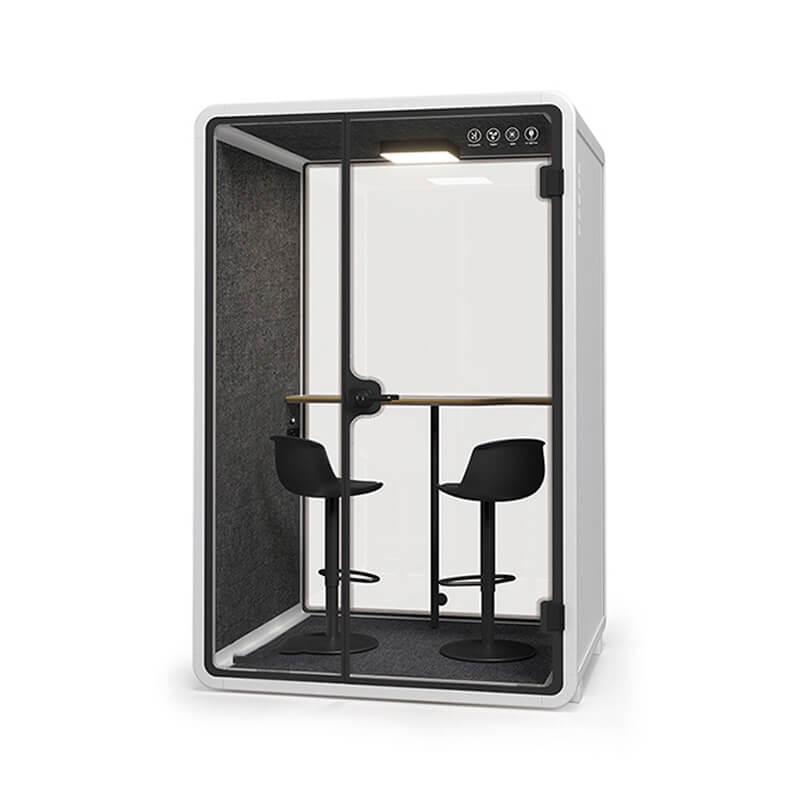
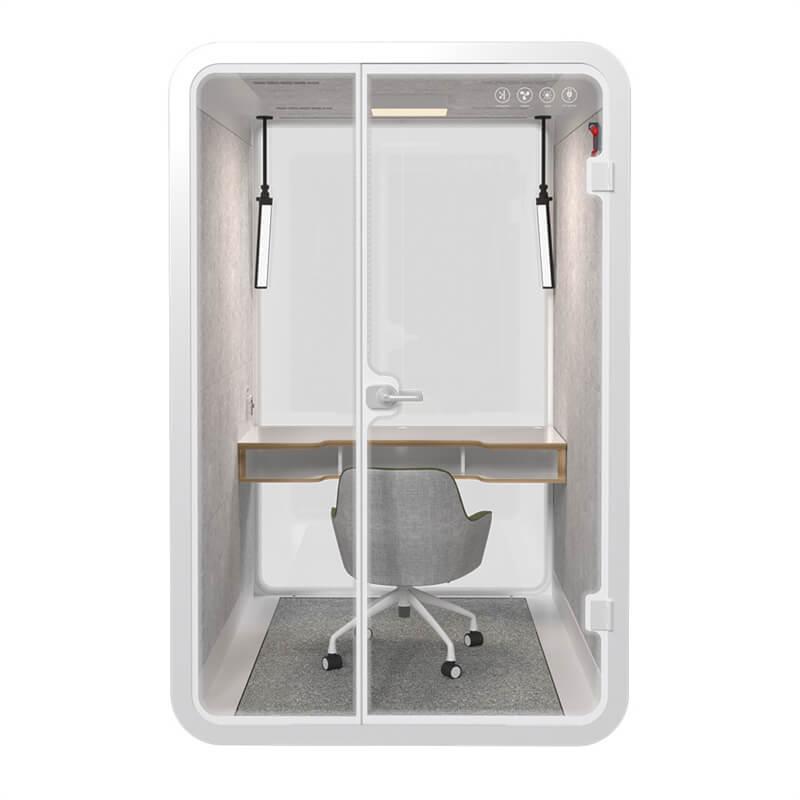
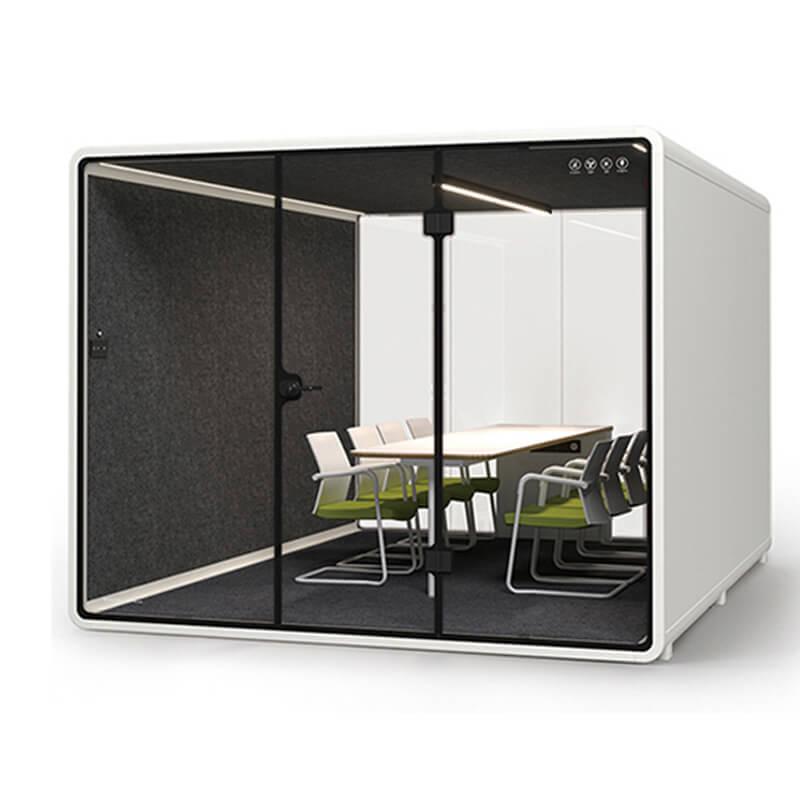
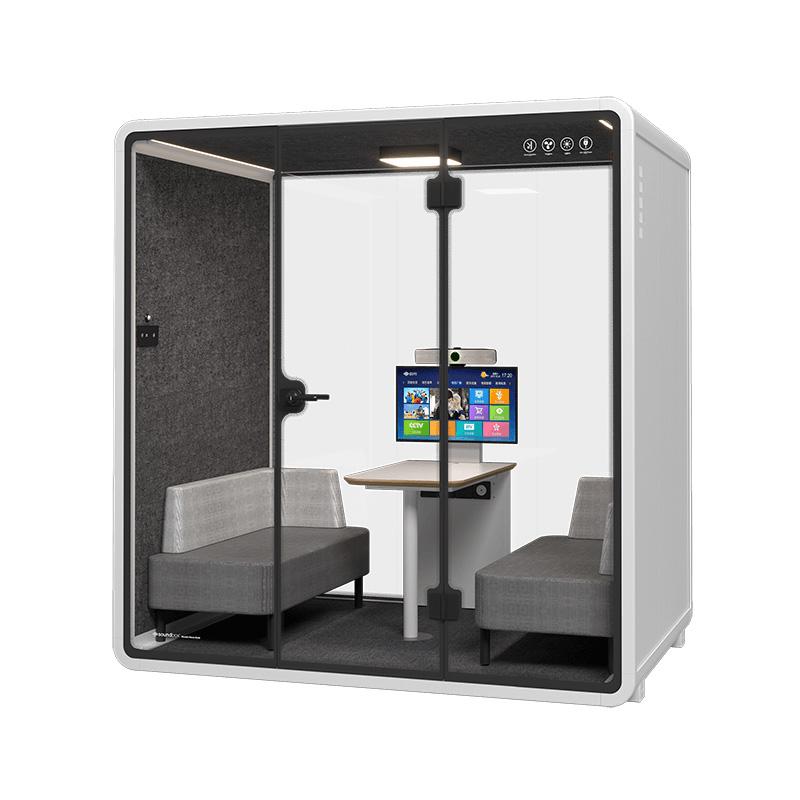
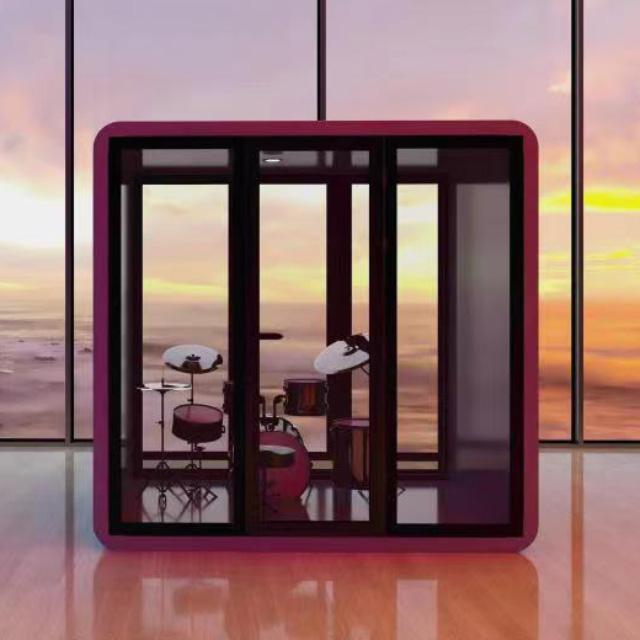
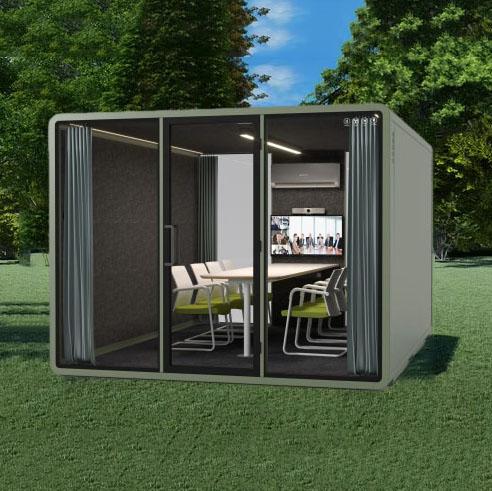
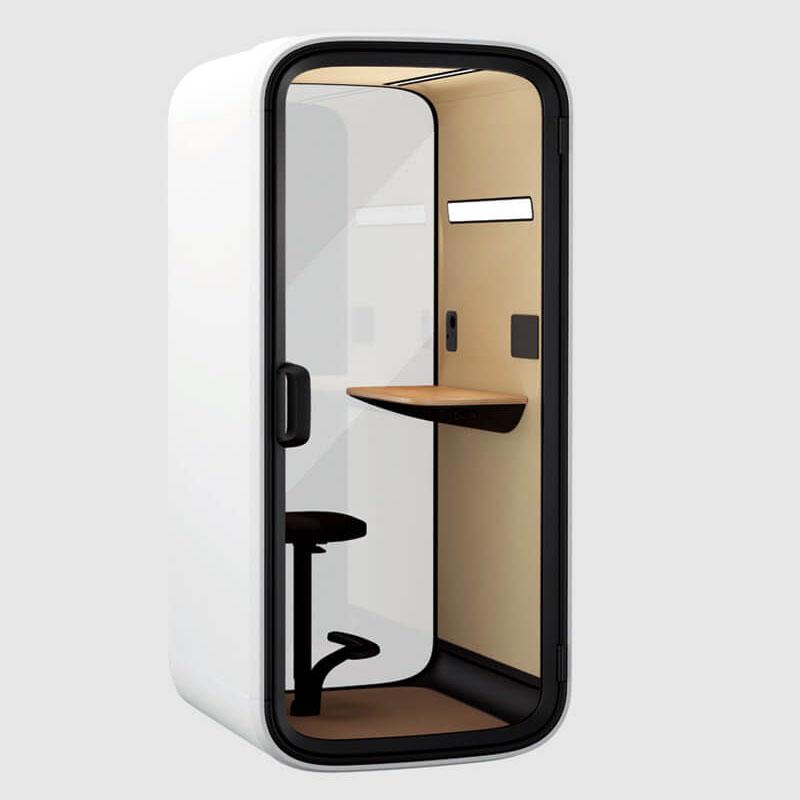
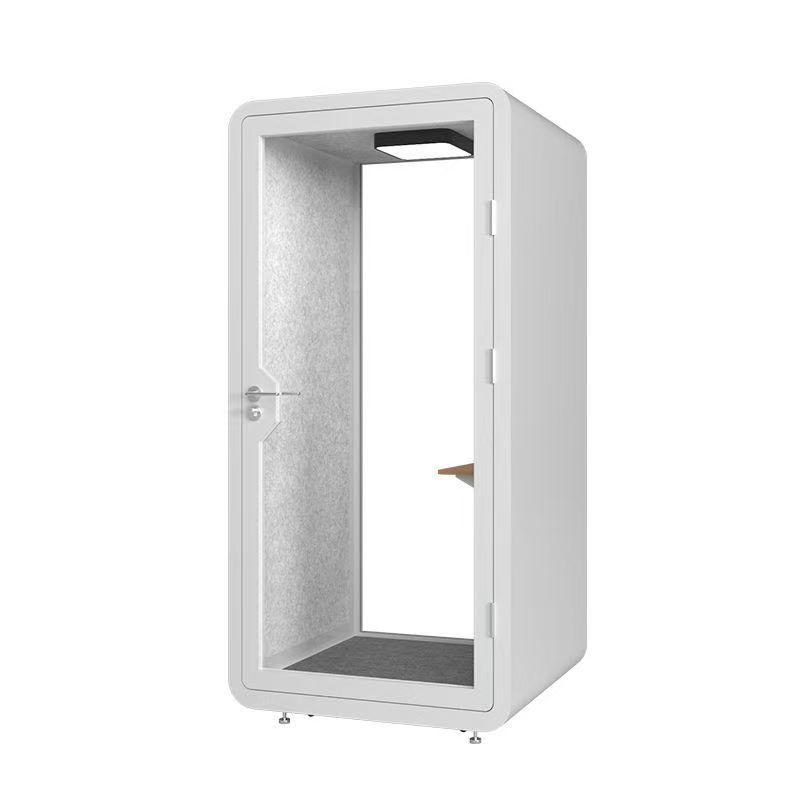
The phone booth range can be used to compare configuration context after the session lanes and exclusions have been written.
Here the reviewer leaves the brochure and follows "Map speech sightlines and transition exposure" through the proposed site condition. Identify multiple speakers, nearby listeners, desks, corridors, queues, approaches, glazing, screens, documents, camera backgrounds, door and fan state, ventilation paths, surrounding activity, conversations before entry, and follow-up after exit. Within the session transfer route: a site-dependent result remains conditional until the final position and enabling work match the reviewed condition.
The session transfer route uses a distinct method here: walk the route with the people who own the site, technology and daily operation. Conduct inside-outside listening and sightline checks through the complete session route. Pause the decision if a solo-call privacy result being applied to dialogue; the observation changes the route rather than becoming an exception hidden in the notes.
The release output for map speech sightlines and transition exposure is a written decision to state privacy boundaries by session type. In the workspace movement map: attach the route owner, applicable document, open dependency and consequence of leaving it unresolved.
At this stage, "Commission compact hybrid technology" becomes an occupied-use question rather than a product label. Check camera framing for one and two people, microphone pickup, loudspeaker or headset, echo, display or laptop content, lighting, glare, data, power, cables, platform compatibility, remote turn-taking, controls, support, and recovery from failure. Within the session transfer route: the occupied result applies only to the tested duration, devices, user pattern and surrounding activity.
The session transfer route uses a distinct method here: rehearse the normal condition long enough for setup and comfort limits to appear. Run representative mixed-presence sessions and collect remote and onsite observations. Pause the decision if technology fitting a solo user but excluding the second participant; the observation changes the route rather than becoming an exception hidden in the notes.
The release output for commission compact hybrid technology is a written decision to release role-specific device setups. In the workspace movement map: keep normal and adverse observations together, including setup friction and early exit where they occur.
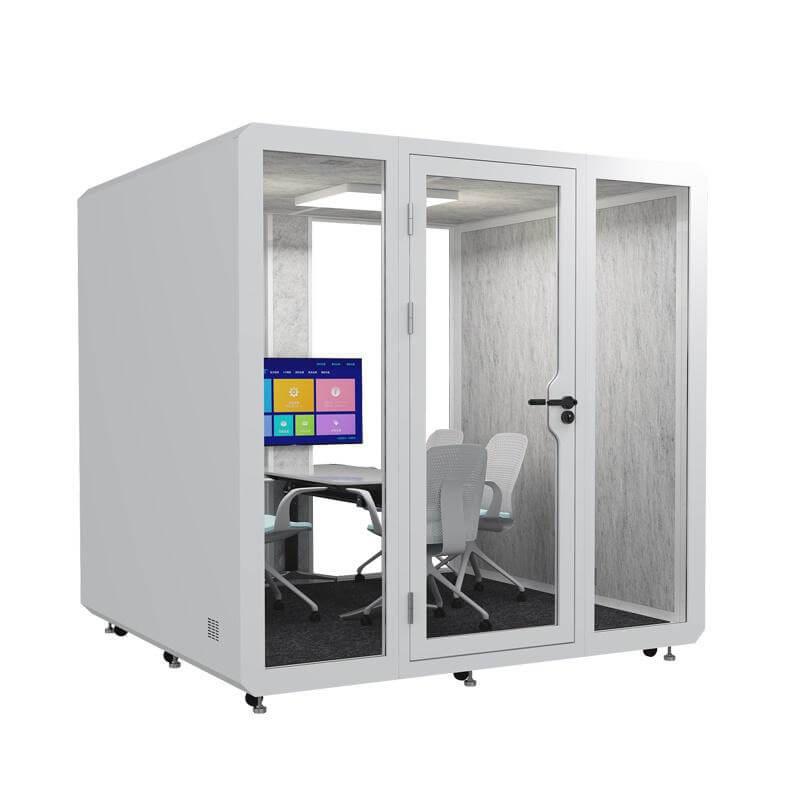
Hold each accepted session for normal duration
The file then tests "Hold each accepted session for normal duration" against responsibility, constraints and contrary observations. Assess posture, personal space, table reach, airflow, temperature perception, fan sound, lighting, controls, device heat, speech effort, full occupancy, breaks, door opening, exit, recovery, and consecutive sessions. Within the session transfer route: any supplier exclusion, provisional item or buyer-provided service remains part of the decision, not a footnote.
The session transfer route uses a distinct method here: compare the offered scope with the buyer's requirement line by line. Run the longest solo and two-person accepted conditions separately and record coping behavior. Pause the decision if short demonstrations hiding group heat or comfort limits; the observation changes the route rather than becoming an exception hidden in the notes.
The release output for hold each accepted session for normal duration is a written decision to approve occupancy and duration conditions. In the workspace movement map: state what is included, excluded, provisional and buyer-supplied before a price comparison is released.
| Session lane | Conditions to witness | Fallback when the booth is unsuitable |
|---|---|---|
| Solo phone or video call | Desk fit, camera framing, speech privacy, airflow and normal duration | Headset zone or reservable private room |
| Two-person consultation | Entry order, seating clearance, natural dialogue, documents and sightlines | Small meeting room when interaction feels constrained |
| One onsite plus remote participant | Microphone pickup, remote turn-taking, lighting, data and cable control | Equipped hybrid room if either participant loses access |
| Sensitive interview | Whole-route privacy before entry, during use and after exit | Controlled room with the required confidentiality boundary |
| Long or equipment-heavy meeting | Duration, movement, display needs and participant comfort | Larger meeting space rather than stretching the booth role |
Commercial approval reaches "Coordinate rapid access booking and turnover" only after the earlier use and site questions are stable. Review zone demand, walking distance, availability cues, walk-up or booking rules, labels, occupancy and duration, overrun, queue, no-show, larger-meeting misuse, setup, reset, cleaning, belongings, fault status, alternatives, circulation, and accessibility review. Within the session transfer route: name the owner and fallback before describing this part of the offer as an operational advantage.
The session transfer route uses a distinct method here: ask the responsible team to show how the service works when the preferred condition is unavailable. Simulate consecutive solo and paired sessions including an overrun and unavailable booth. Pause the decision if ambiguous access rules making compact capacity unreliable; the observation changes the route rather than becoming an exception hidden in the notes.
The release output for coordinate rapid access booking and turnover is a written decision to release booking and turnover controls. In the workspace movement map: add the service owner, response route, available fallback and evidence needed after correction.
The final operating entry turns "Commission the full crossover service" into a condition that can be accepted, corrected or rejected. Check identity, installation, door and seals, ventilation, lighting, controls, power, data, furniture, privacy, occupied use, technology, location, booking, cleaning, support, faults, maintenance, parts, user guidance, documents, defects, and accepted exclusions. Within the session transfer route: preserve the correction and retest trigger because acceptance can change when a material condition changes.
The session transfer route uses a distinct method here: close the record in a cross-functional review, leaving every unresolved dependency visible. Run one solo and one paired assigned route and close every mandatory issue with evidence or correction and retest. Pause the decision if component completion replacing service acceptance; the observation changes the route rather than becoming an exception hidden in the notes.
The release output for commission the full crossover service is a written decision to sign off supported crossover sessions. In the workspace movement map: finish with an explicit accept, correct, retest or reject state and a trigger for later review.
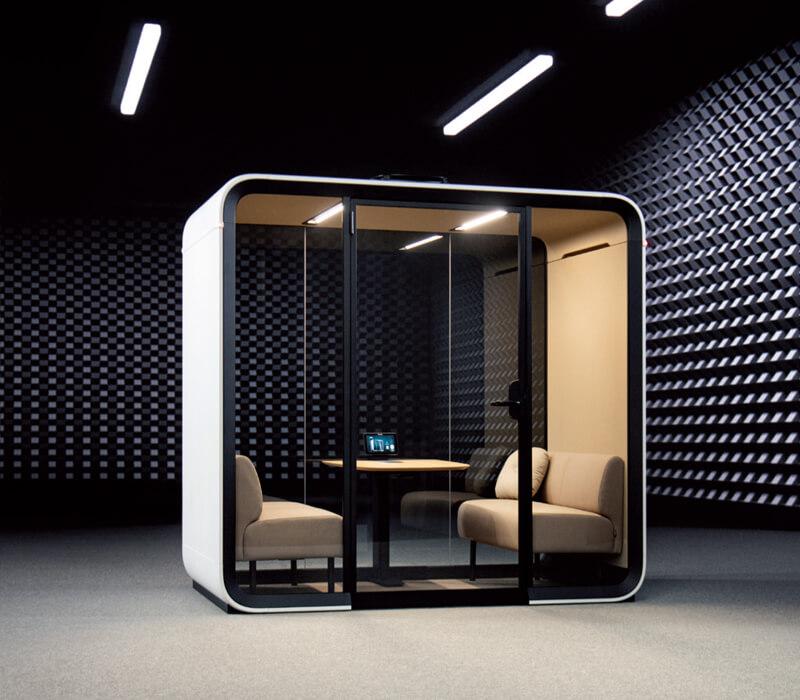
Start with the boundary that the decision must preserve. Observe local calls and meetings and assign only sessions whose occupancy, interaction, privacy, devices, and duration fit the intended booth. Check this boundary: Separate solo phone and video calls, two-person check-ins, interviews, consultations, paired reviews, one onsite plus remote participant, short hybrid sessions, confidential work, and tasks needing more people, larger tables, special technology, or long duration. Do not close the decision while an ambiguous product name expanding use beyond evidence remains possible.
Use the evidence route that matches this question, not a general product benefit. Run normal consultation and review agendas with intended participant pairs and equipment. Check this boundary: Review internal clearances, seating, table, face-to-face distance, personal space, documents, laptop and phone, entry order, door, knees, elbows, movement, turn-taking, speaker orientation, shared content, belongings, controls, and exit. Do not close the decision while nominal two-person capacity concealing constrained interaction remains possible.
Treat this as a release condition for the stated task and location. Conduct inside-outside listening and sightline checks through the complete session route. Check this boundary: Identify multiple speakers, nearby listeners, desks, corridors, queues, approaches, glazing, screens, documents, camera backgrounds, door and fan state, ventilation paths, surrounding activity, conversations before entry, and follow-up after exit. Do not close the decision while a solo-call privacy result being applied to dialogue remains possible.
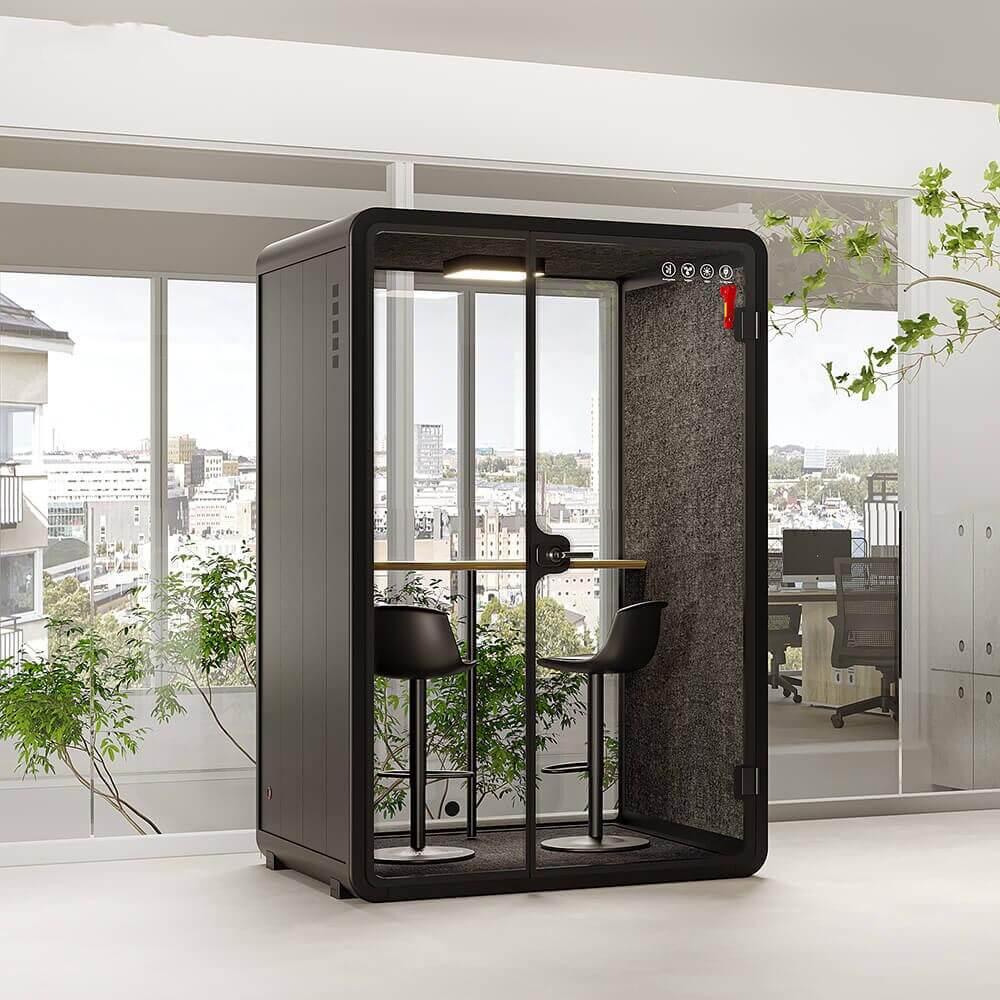
Keep the answer provisional until the relevant owner can show the required record. Run representative mixed-presence sessions and collect remote and onsite observations. Check this boundary: Check camera framing for one and two people, microphone pickup, loudspeaker or headset, echo, display or laptop content, lighting, glare, data, power, cables, platform compatibility, remote turn-taking, controls, support, and recovery from failure. Do not close the decision while technology fitting a solo user but excluding the second participant remains possible.
A Meeting Phone Booth enhances a modern workspace when it accepts a clear set of crossover sessions and rejects the rest. The improvement comes from a dependable route: users can find the booth, enter with the required devices, hold the session naturally, protect the intended information and leave it ready for the next task.
Publish that route as an operating rule, not as a capacity slogan. The booth then complements meeting rooms and individual call spaces without becoming an unreliable answer to every calendar event.
 Tel: +8613538031763
 Email: info@sopworkpod.com
 MP/WhatsApp: +8613538031763
 Manufacturer Address:Liucheng Lujiang District,Meixi Road,Nanan City,Fujian,China