Author:SOP Work Pods Manufacturer TIME:2026-08-28
A workplace can own several enclosed pods and still send a private conversation to the wrong place. A manager books the nearest unit for a sensitive review, a project group arrives with four laptops, and a recruiter takes a call beside a waiting area. Each booking says private, yet the relevant exposure is different: spoken words, a visible screen, a name on a calendar, a participant waiting outside, or a door opened during the most sensitive part of the exchange.
That conflict changes the meaning of privacy. The decision is not whether phone booth meeting pods appear enclosed. It is whether a particular pod, in its final location and operating state, provides a suitable boundary for one defined meeting. Conversation consequence, participant count, listener position, sightline, device setup, session length, surrounding activity, and fallback space all affect the answer. No single product label can settle those variables.
Treat the pod as one route in a workplace privacy map. Name the work first, draw who could receive information unintentionally, check the assembled enclosure and its surroundings, then assign an operating limit. This approach preserves useful flexibility without declaring every meeting safe. It also gives facilities, HR, IT, and users a shared record when a task must move elsewhere.
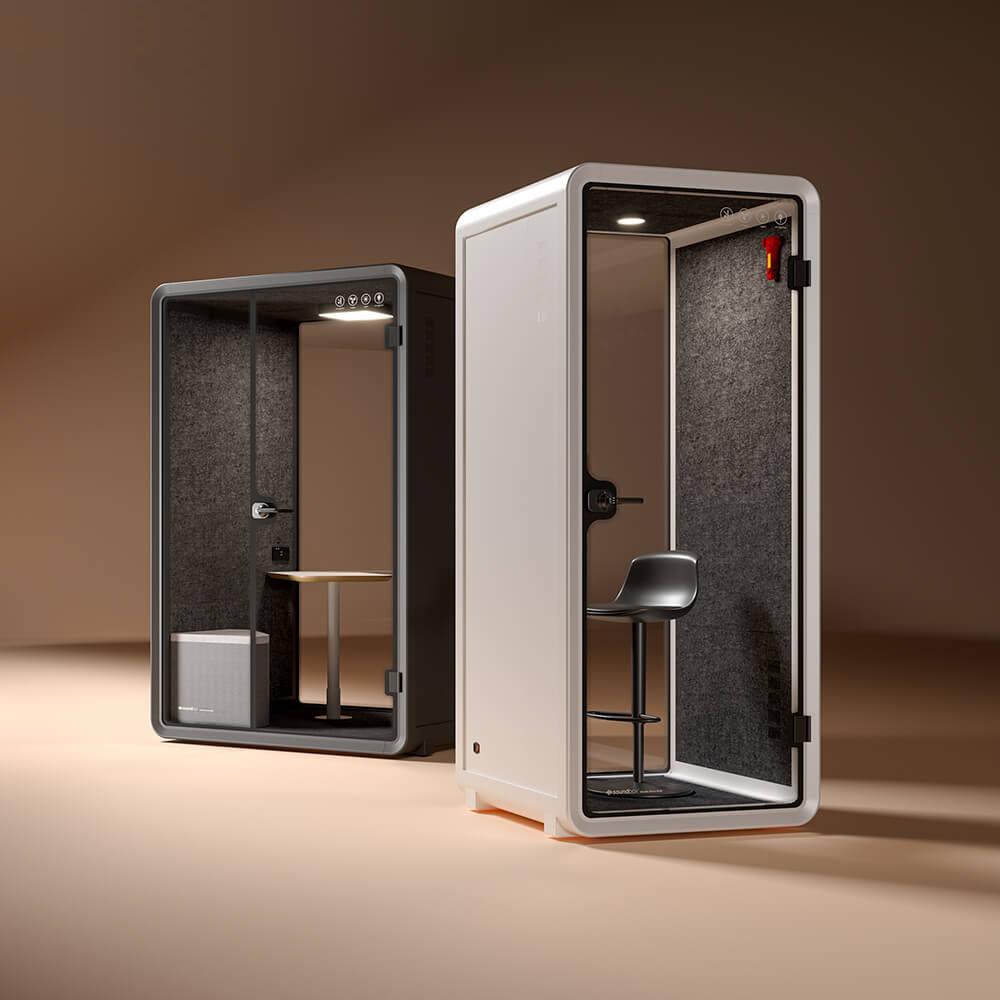
Begin with a small set of real conversation classes rather than a generic request for privacy. Examples may include a routine supplier call, a performance discussion, a two-person project review, a hybrid meeting with shared drawings, or a short call that contains personal information. For each class, identify participants, normal duration, devices, papers, screen content, expected voice level, and the consequence if another person follows the exchange. The purpose is classification, not a claim that every example carries the same risk.
Add the origin and destination of the task. A call leaving an open desk may reduce disturbance, while a discussion leaving a governed room may lose a stronger visual or procedural boundary. Note what the pod replaces and which conditions cannot be surrendered. This prevents an enclosure from receiving credit merely because it is quieter than the worst available alternative.
Separate conversation confidentiality from concentration and etiquette. A task may need freedom from nearby speech but contain no sensitive information; another may be brief and easy to perform yet require strict listener control. Give each need its own acceptance statement. When objectives are mixed into one privacy score, a pleasant experience can hide an unsuitable information boundary.
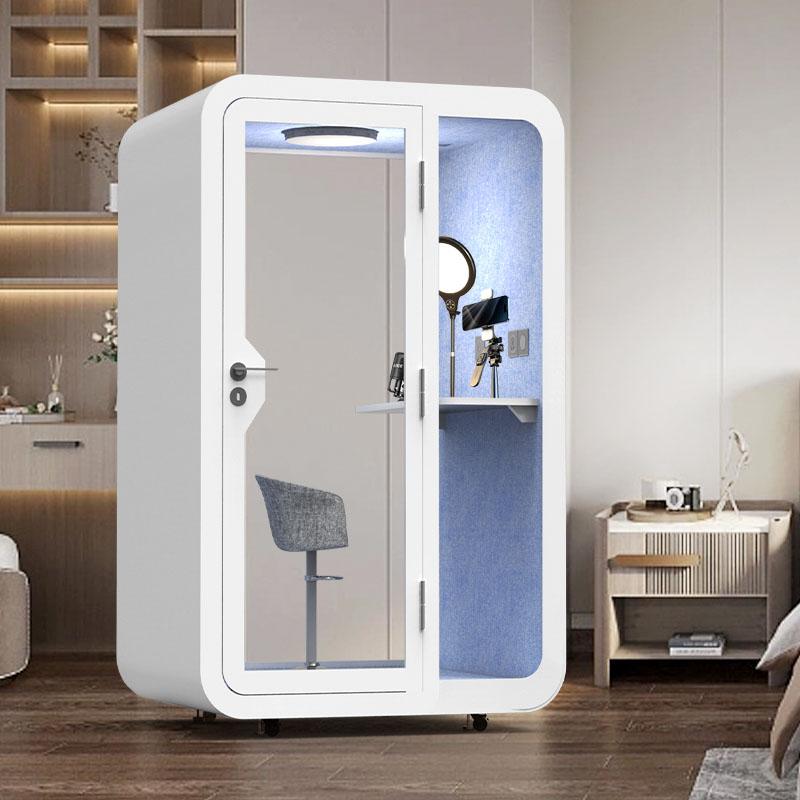
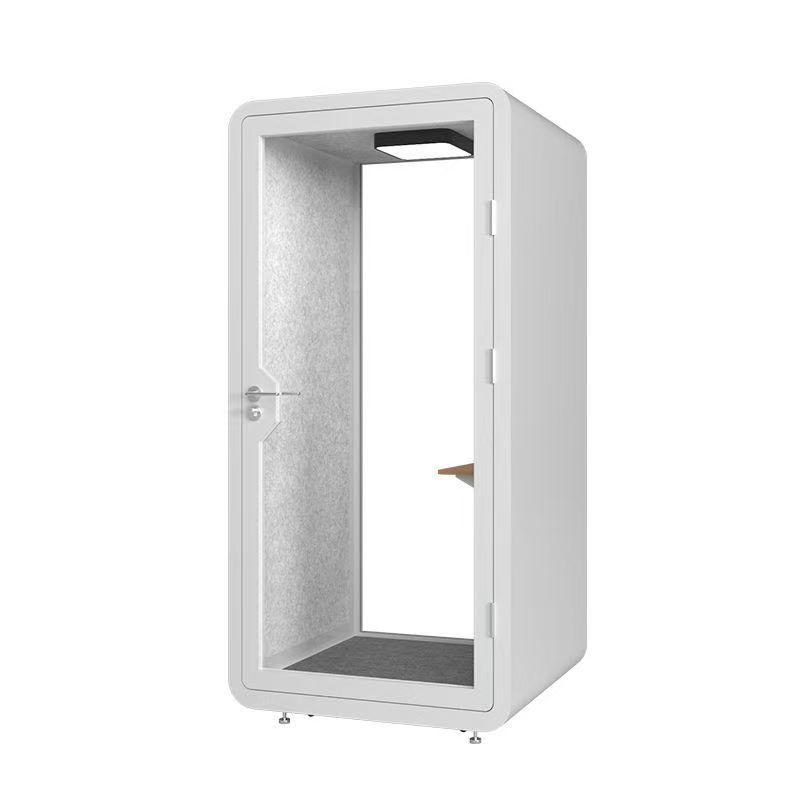
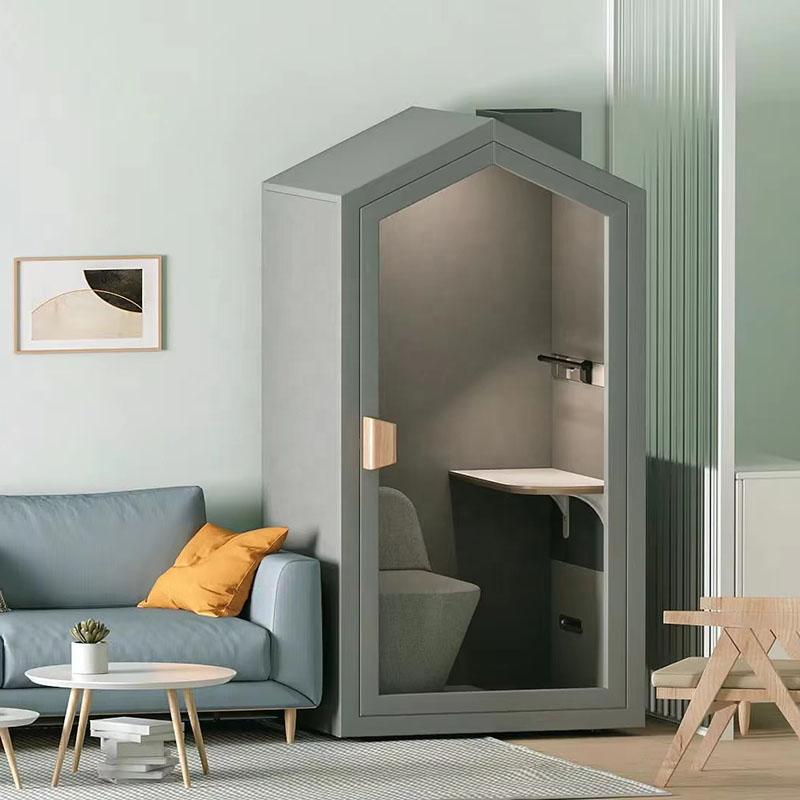
Use the meeting pod configuration route to name the product category being considered, then attach the exact size, door orientation, furniture, technology, and proposed location to the work class. If the configuration changes, reopen only the affected route checks instead of assuming the previous decision follows the brand or pod family.
Put likely unintended recipients on the plan. Include adjacent desks, the normal approach, a person waiting near the door, circulation behind glazing, shared printers, reception positions, and any place where someone may pause. A listener edge concerns whether meaningful speech can be followed; a visual edge concerns screens, notes, faces, booking details, and entry or exit. The two maps often have different shapes.
Walk the proposed orientation before accepting the footprint. Door direction can expose the opening interval to one aisle, while a rotated screen may reveal content through another pane. Background activity may mask some speech but also prompt louder voices. Observe credible conditions without presenting the walk as a laboratory measurement. Write where, when, and how the observation was made so the result remains bounded.
Inspect the complete assembled path rather than judging panel appearance. Door edges, seals, glazing interfaces, joints, ventilation openings, floor and ceiling relationships, service penetrations, and a temporarily open door can influence what reaches a listener. Supplier information can support the review, but the workplace team still needs to confirm applicability to the named model and installation.
Mark exceptions directly on the route map. A pod may be acceptable for ordinary project calls but excluded for a disciplinary meeting, legal discussion, or screen-heavy review beside a public approach. An exception is useful governance, not evidence that the pod failed. It keeps the strongest available room aligned with the highest consequence.
Include information that leaks without a person seeing or hearing the meeting itself. A booking display can reveal a participant or subject, a queue can signal who is meeting, printed notes may remain after exit, and a device preview can show a message through glazing. Assign controls to the booking label, waiting arrangement, reset sequence, and document handling. These routes belong in the privacy map because enclosure performance cannot correct them.
| Conversation route | Exposure edge to inspect | Evidence before assignment | Exception or fallback |
|---|---|---|---|
| Routine individual call | Nearby desk and normal approach | Occupied call with normal device volume | Move if speech remains followable |
| Sensitive two-person review | Waiting point, door opening, glazing sightlines | Listener walk and screen walk in final orientation | Use a governed room for higher-consequence content |
| Hybrid project discussion | Screen view, loudspeaker path, participant movement | Full technology sequence with actual materials | Change layout or select a larger assigned enclosure |
| Short unscheduled conversation | Booking display, entry queue, speech before closure | Arrival-to-exit observation during normal traffic | Provide a known alternative when the pod is occupied |
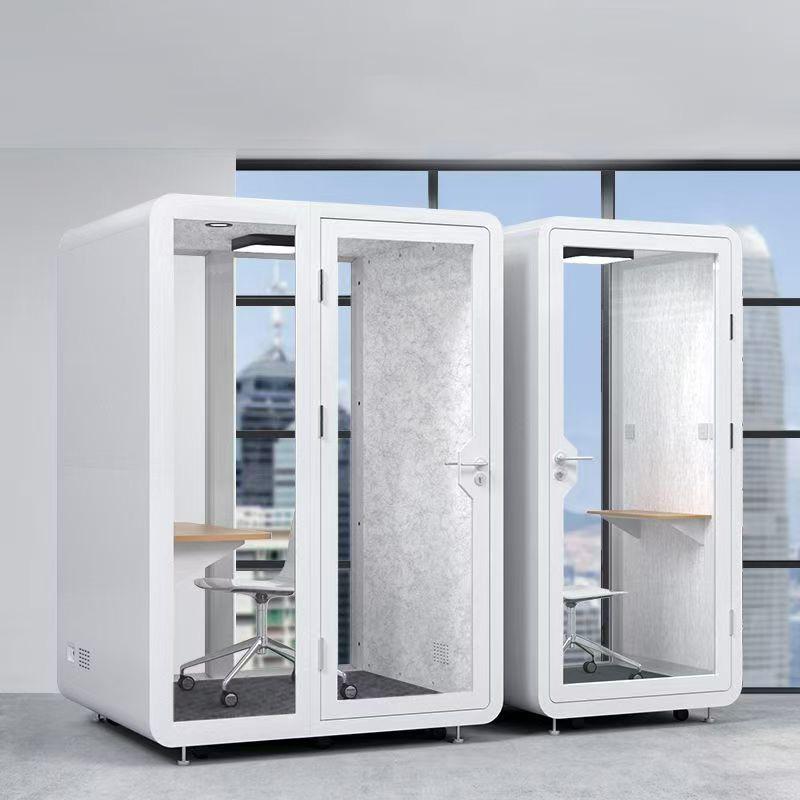
Occupancy changes more than seat count. Additional voices may lift the speaking level, bodies and equipment add heat, bags narrow movement, and one participant may sit closer to glazing or the door. Recreate the intended interaction with the normal furniture layout. If users need to rotate chairs, crowd around a laptop, or hold papers against the glass, the route boundary should reflect that behavior.
Follow the technology signal from preparation through exit. Check camera framing, screen direction, microphone and loudspeaker levels, cable placement, connection steps, notification sounds, and what appears on a display after the meeting ends. A loud device can extend speech beyond the enclosure; a visible calendar or unattended screen can expose information without any acoustic failure.
Door practice deserves observation rather than a poster alone. Users may hold the door for a colleague, start speaking before it closes, continue while leaving, or prop it during a warm session. Identify which behavior changes the approved boundary and whether the room, controls, booking duration, or instructions make that behavior more likely. Correct the service condition before assigning every problem to user discipline.
Set a fallback for overload, faults, and higher-risk work. The alternative may be a conventional room, another pod orientation, a remote arrangement, or a different time. Make the route visible in booking guidance without disclosing why a person needs it. A privacy plan is stronger when it handles unavailable and unsuitable states instead of assuming the preferred pod is always ready.
Commission the route in the final location with representative participants, devices, materials, and surrounding activity. Witness entry, the opening exchange, normal conversation, screen use, a person approaching, the end of the meeting, and reset. Ask observers to describe what they could hear or see from named positions. Do not convert subjective notes into unsupported acoustic figures.
Separate four outcomes: the enclosure condition, the site relationship, the user sequence, and the governance decision. A visible screen can be corrected by orientation; speech at a listener point may require a different location or product review; a high-consequence discussion may remain excluded regardless of a successful routine trial. This separation gives each finding an owner and avoids a vague pass.
Retain the offered model, options, drawings, installation record, observer positions, date, room activity, accepted task classes, excluded work, and fallback route. Add a review trigger for relocation, furniture or technology changes, damage to an interface, repeated complaints, or a new conversation type. The record should tell a future facilities manager what was actually approved.
Privacy in a modern workplace is therefore an allocation discipline. The pod contributes an enclosure, but the organization supplies task classification, placement, operating rules, alternatives, and review. When those pieces remain connected, the workplace can use pods more broadly without pretending that every enclosed conversation has the same boundary.
Review the map during operational change, not only after physical damage. A team reorganization can place new desks at a former low-risk edge; a booking application can expose more detail; a camera can move the screen toward glazing; a longer meeting policy can increase door opening or waiting. Compare each change with the retained route and reopen the affected observation before the revised practice becomes normal.
Include the people who operate the alternatives in that review. Reception, room coordinators, managers, and support teams often see failed routes before facilities receives a complaint. Their observations can reveal a recurring queue, exposed approach, or task mismatch that an occasional inspection misses.
No. An observation supports the conversation, configuration, listener positions, sightlines, occupancy, devices, and surroundings that were actually reviewed. A different meeting can introduce another consequence or exposure path. Reuse the method, but update the route and exceptions before extending the approval.
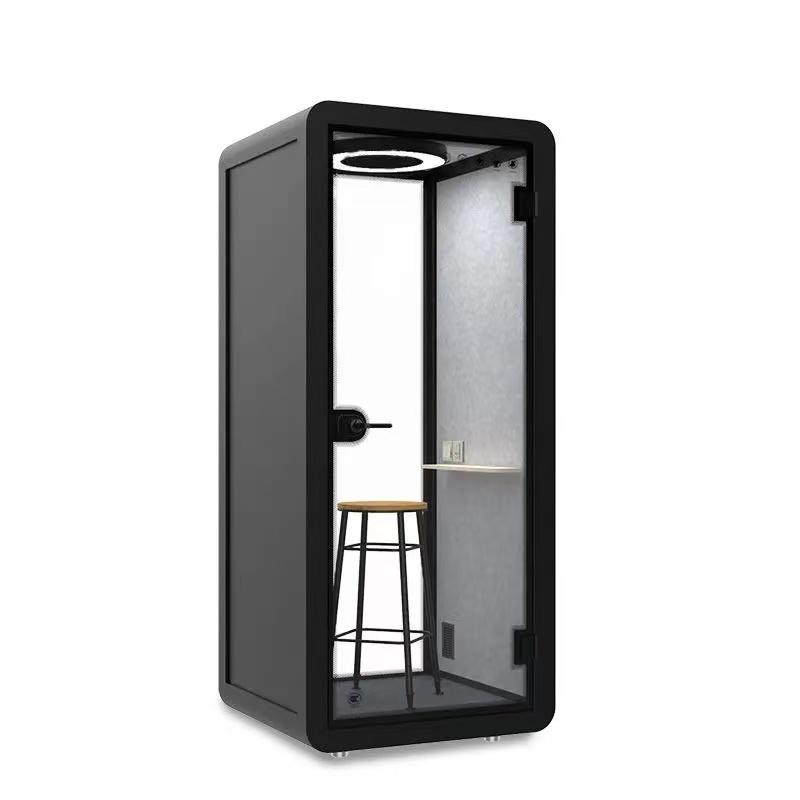
Use normal work and movement positions: adjacent desks, approaches, waiting points, circulation behind glazing, and places where people pause. Avoid selecting only a favorable distant location. Record the position and office condition so later reviewers understand the boundary of the observation.
Treat that as a split outcome. Adjust orientation, furniture, display angle, screening options, or the assigned task, then repeat the sightline walk. If the visual risk remains unacceptable, send screen-sensitive work to another approved space even when spoken content is adequately contained.
Review after relocation, a changed door or seal condition, new furniture or devices, a different surrounding layout, repeated user reports, or expansion into a more sensitive meeting class. A dated trigger keeps an old approval from drifting into a use it never covered.
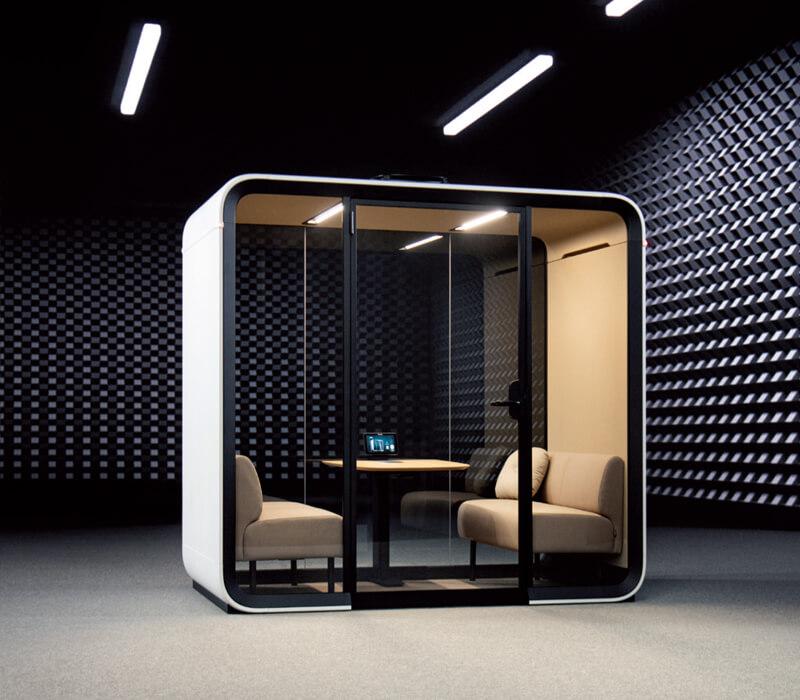
Phone booth meeting pods can redefine workplace privacy only when the organization defines what is being protected and where exposure can occur. The useful unit of approval is a named conversation route joined to a specific configuration, installed location, listener map, visual map, operating condition, and exception.
Select one recurring private task, redraw its route from the current space to the proposed pod, and witness the exposed edges with normal users and equipment. Keep the route only if its speech, screen, occupancy, fallback, and ownership conditions remain clear. Send work outside that boundary to the stronger approved alternative.
For a meeting-pod quotation, send the participant count, meeting equipment, privacy task, site route, and preferred configuration through WhatsApp or the inquiry form.

 Tel: +8613538031763
 Email: info@sopworkpod.com
 MP/WhatsApp: +8613538031763
 Manufacturer Address:Liucheng Lujiang District,Meixi Road,Nanan City,Fujian,China