Need Help?
Please leave your contact information to get our latest catalog
Get In Touch Now >


Author:SOP Work Pods Manufacturer TIME:2026-08-28
Work pods can support several office uses, but versatility is not the ability to do everything. Private calls, concentrated work, two-person consultations, hybrid sessions, small meetings, visitor conversations, and overflow differ in occupancy, duration, speech, visual privacy, devices, furniture, comfort, booking, and location.
A use-case portfolio separates these tasks, defines exclusions, assigns configurations, and witnesses each accepted route. It also maps demand, site fit, delivery, services, user access, cleaning, support, maintenance, parts, and change control so the portfolio remains operational.
The essential uses are those evidenced in the buyer's workplace. A rare or unsupported task should not inflate the selected configuration or quantity.
Separate private phone and video calls, sensitive conversations, focused reading and writing, interviews, consultations, paired review, hybrid sessions, small group meetings, visitor use, decompression where organizationally intended, overflow, and tasks needing larger rooms by frequency, concurrency, occupancy, duration, privacy, devices, urgency, and fallback.
Use a matched task trial before approval. Observe local work and record failed alternatives and the evidence boundary for every proposed use. Preserve limits and contrary observations because a broad versatility claim replacing demand and exclusions would alter the recommendation.
Record context, observed result, owner, correction or confirmation, retest need, and effect on the accepted use-case portfolio.
Compare speech level, listener positions, camera and audio, desk depth, screen and keyboard, documents, posture, lighting, glare, airflow, fan sound, session duration, booking, task transition, and whether a compact call booth can support longer concentration.
Use a matched task trial before approval. Run representative calls and focus tasks separately with intended users and devices. Preserve limits and contrary observations because one-person occupancy being assumed to make the tasks equivalent would alter the recommendation.
Record context, observed result, owner, correction or confirmation, retest need, and effect on the accepted use-case portfolio.
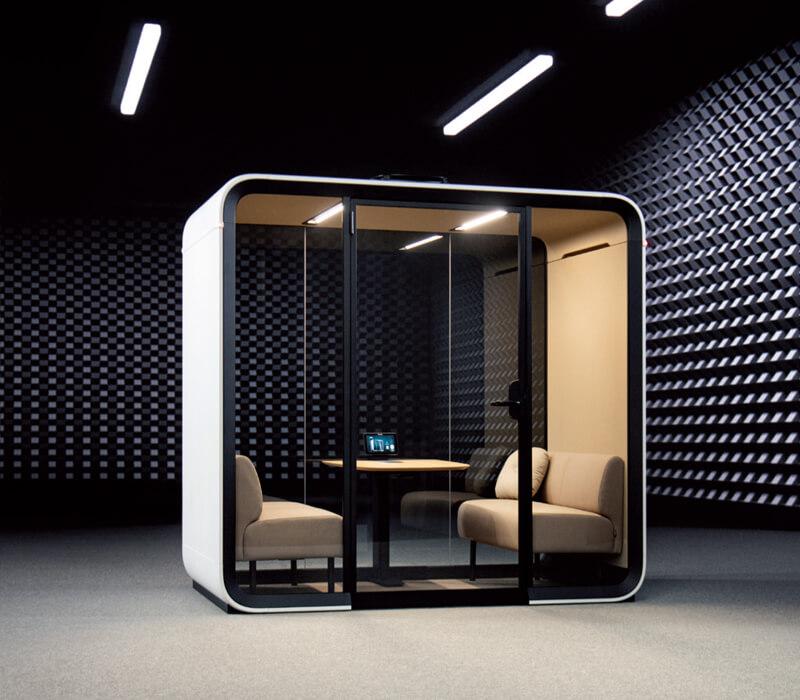
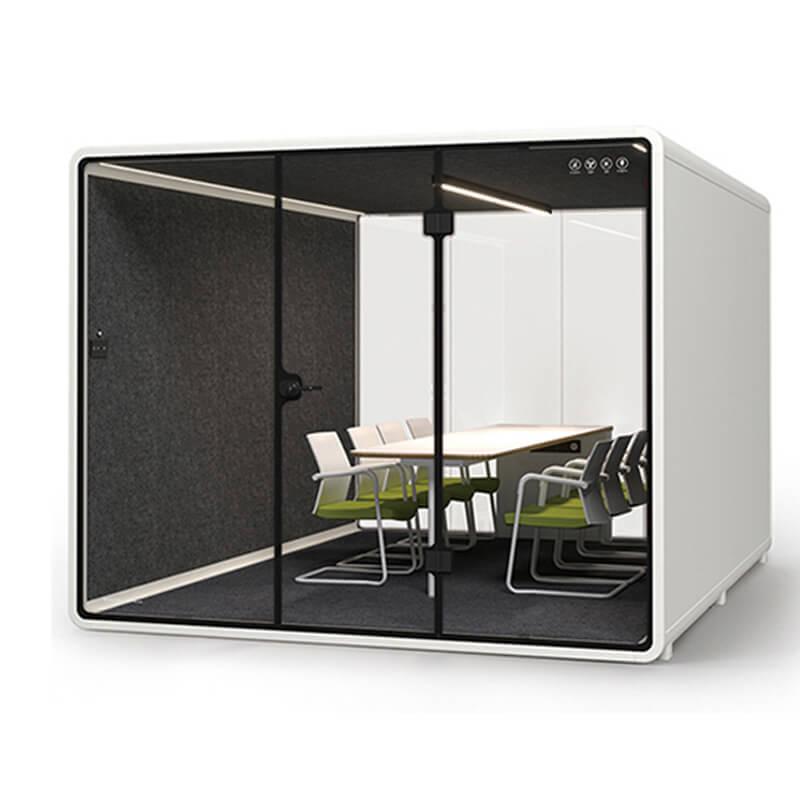
Review participant count, face-to-face distance, table and documents, personal space, entry order, speech and sightlines, camera framing, microphone, loudspeaker, display, content sharing, remote turn-taking, duration, movement, and rooms required for larger groups.
Use a matched task trial before approval. Run matched agendas for priority interaction patterns in the offered layouts. Preserve limits and contrary observations because nominal group capacity hiding different meeting behaviors would alter the recommendation.
Record context, observed result, owner, correction or confirmation, retest need, and effect on the accepted use-case portfolio.
Review zone demand, sensitive listeners, walking distance, visibility, queues, footprint, door swing, circulation, accessibility review, delivery route, assembly, floor, power, data, ventilation interaction, detectors and sprinklers, glare, return air, cleaning, maintenance, and removal.
Use a matched task trial before approval. Mark candidate footprints and follow users from task trigger to available pod during relevant periods. Preserve limits and contrary observations because one location supporting one use while undermining another would alter the recommendation.
Record context, observed result, owner, correction or confirmation, retest need, and effect on the accepted use-case portfolio.
Set labels, eligible activity, occupancy, session length, setup allowance, walk-up or booking access, overrun, no-show, queue, belongings, reset, cleaning, device support, fault reporting, alternative spaces, parts, maintenance, downtime, and user guidance.
Use a matched task trial before approval. Simulate consecutive sessions from different use classes and a fault or unavailable pod. Preserve limits and contrary observations because versatility creating ambiguous booking and unreliable turnover would alter the recommendation.
Record context, observed result, owner, correction or confirmation, retest need, and effect on the accepted use-case portfolio.
| Accepted use class | Witness activity | Portfolio disposition |
|---|---|---|
| 1. Define use cases demand and exclusions | Observe local work and record failed alternatives and the evidence boundary for every proposed use. | Approve the use-case portfolio |
| 2. Distinguish private calls from focused individual work | Run representative calls and focus tasks separately with intended users and devices. | Release individual-use configurations |
| 3. Separate consultation hybrid and small-meeting interaction | Run matched agendas for priority interaction patterns in the offered layouts. | Approve interaction-specific conditions |
| 4. Map locations delivery and building interfaces by use | Mark candidate footprints and follow users from task trigger to available pod during relevant periods. | Release use-to-location assignments |
| 5. Design booking turnover support and cleaning by use | Simulate consecutive sessions from different use classes and a fault or unavailable pod. | Approve portfolio service rules |
Record users, task, configuration, location, occupancy, speech, privacy, devices, posture, lighting, airflow, fan, controls, comfort, duration, entry, exit, reset, remote experience, limitations, defects, correction, and owner.
Use a matched task trial before approval. Run each accepted use without coaching and keep adverse observations and non-use reasons. Preserve limits and contrary observations because one successful task becoming evidence for the entire portfolio would alter the recommendation.
Record context, observed result, owner, correction or confirmation, retest need, and effect on the accepted use-case portfolio.
Consult the work pods for office configuration page only after each proposed use has its own eligibility, location, service, and occupied-trial record. The product page informs configuration questions rather than authorizing a universal use case.
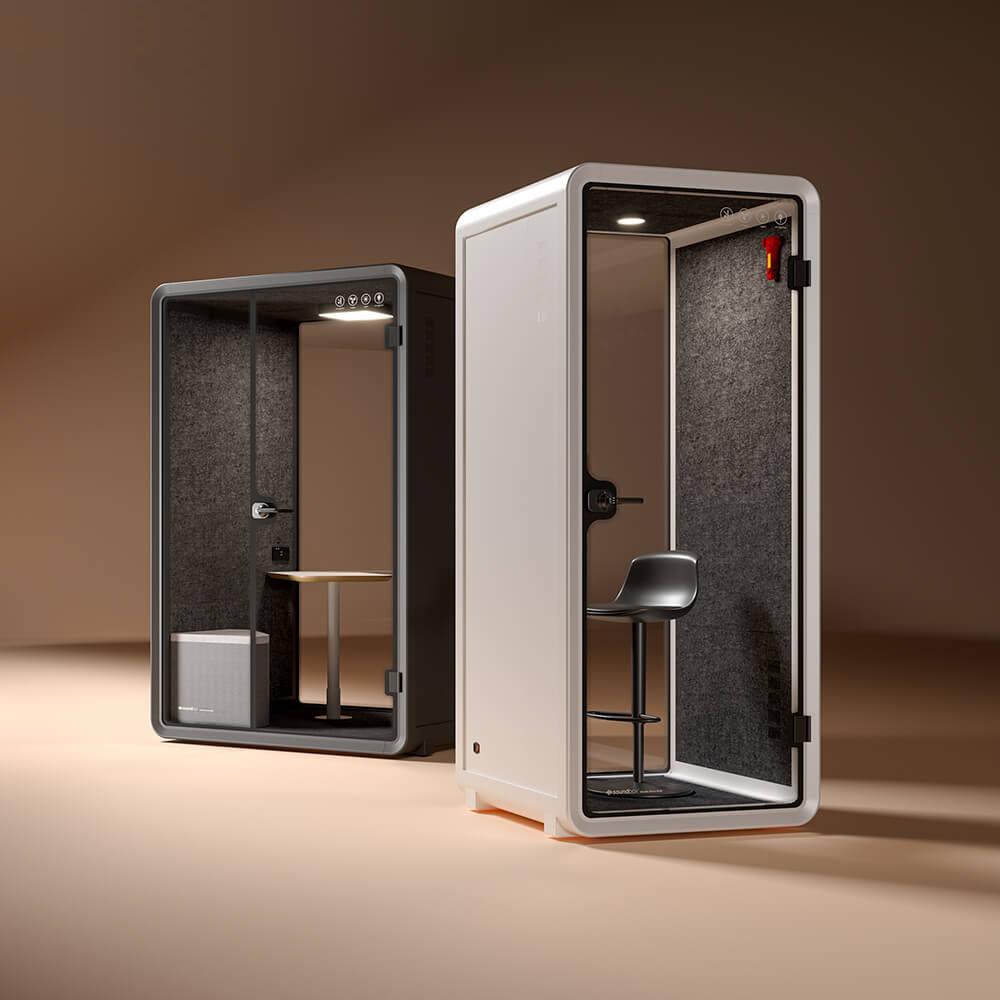
Track new task requests, changed occupancy or duration, furniture and technology options, location, attendance, booking, support, maintenance, relocation, site interfaces, product revisions, documents, user guidance, evidence, review owner, pilot need, approval, and withdrawal of obsolete uses.
Use a matched task trial before approval. Review the portfolio after adoption and whenever a material condition changes. Preserve limits and contrary observations because versatility expanding beyond the evidence used for purchase would alter the recommendation.
Record context, observed result, owner, correction or confirmation, retest need, and effect on the accepted use-case portfolio.
Additional review: which essential office uses should a pod portfolio separate.
Answer from the portfolio evidence: Observe local work and record failed alternatives and the evidence boundary for every proposed use. Include this condition: Separate private phone and video calls, sensitive conversations, focused reading and writing, interviews, consultations, paired review, hybrid sessions, small group meetings, visitor use, decompression where organizationally intended, overflow, and tasks needing larger rooms by frequency, concurrency, occupancy, duration, privacy, devices, urgency, and fallback. Keep the decision open while a broad versatility claim replacing demand and exclusions remains possible.
Review the portfolio by work event, not by a single utilization total. A private call, an extended focus block, a consultation, and a hybrid meeting can produce similar occupancy figures while depending on different privacy, furniture, technology, duration, and support conditions. Retaining those distinctions makes later quantity changes traceable to an accepted use rather than to a generic pod label.
Keep an exclusion register beside the accepted-use list. Note tasks that require larger tables, multiple displays, specialist equipment, high visitor turnover, extended occupancy, or privacy conditions the observed configuration did not support. An exclusion is not a product failure; it protects the portfolio from gradually absorbing work that was never witnessed and directs those sessions to a room type with a better fit.
Test transitions between uses as carefully as the sessions themselves. A pod moving from a sensitive interview to a routine call may need document removal, device logout, surface reset, ventilation recovery, and a different availability label. Record the time and ownership of that transition because a configuration that works in isolation can still fail when adjacent bookings leave no practical turnover window.
Compare local and shared placement strategies before adding quantity. A nearby pod may reduce walking and abandoned calls for one team, while a centrally located unit may offer broader access but create queues, wayfinding problems, or sensitive adjacencies. Preserve the reason for each placement together with the accepted uses so future moves do not separate a configuration from the demand and privacy conditions that justified it.
Review the use register after attendance, technology, policy, or team composition changes. Retain withdrawn uses and their reasons rather than deleting history, and require a fresh occupied trial when furniture, participant count, session duration, or device setup changes materially. This makes the portfolio a controlled operating record instead of a static list of claims copied from the original purchase brief.
Check whether accepted uses compete for the same configuration at the same time. Recruiters may need visual and speech privacy during interview windows, while project teams may seek the larger pod for hybrid reviews and individual users may occupy it for long focus sessions. Map those overlaps by zone and period, then assign priority, alternative rooms, and review triggers. This exposes conflicts that a weekly utilization percentage cannot explain and prevents one successful use from silently displacing another.
Close each review with a disposition for the exact use and configuration: retain, correct and retest, move, narrow the eligibility rule, or withdraw. Name the owner and the evidence needed for the next decision. A portfolio stays versatile when changes are controlled this way; adding broad labels without a witnessed setup only recreates the ambiguity the use register was meant to remove.
Answer from the portfolio evidence: Run representative calls and focus tasks separately with intended users and devices. Include this condition: Compare speech level, listener positions, camera and audio, desk depth, screen and keyboard, documents, posture, lighting, glare, airflow, fan sound, session duration, booking, task transition, and whether a compact call booth can support longer concentration. Keep the decision open while one-person occupancy being assumed to make the tasks equivalent remains possible.
Answer from the portfolio evidence: Run matched agendas for priority interaction patterns in the offered layouts. Include this condition: Review participant count, face-to-face distance, table and documents, personal space, entry order, speech and sightlines, camera framing, microphone, loudspeaker, display, content sharing, remote turn-taking, duration, movement, and rooms required for larger groups. Keep the decision open while nominal group capacity hiding different meeting behaviors remains possible.
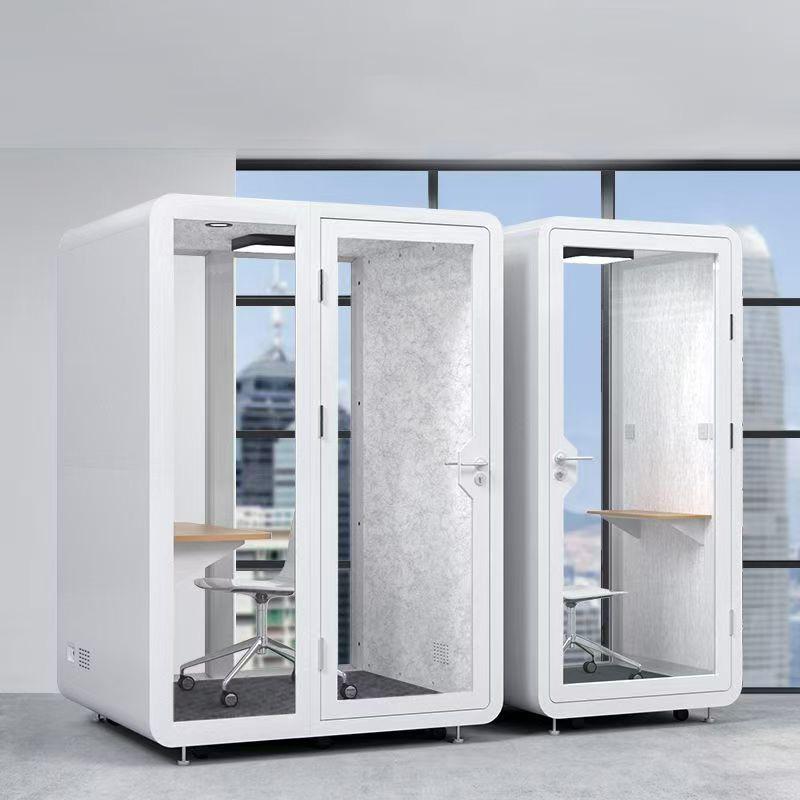
Answer from the portfolio evidence: Mark candidate footprints and follow users from task trigger to available pod during relevant periods. Include this condition: Review zone demand, sensitive listeners, walking distance, visibility, queues, footprint, door swing, circulation, accessibility review, delivery route, assembly, floor, power, data, ventilation interaction, detectors and sprinklers, glare, return air, cleaning, maintenance, and removal. Keep the decision open while one location supporting one use while undermining another remains possible.
Answer from the portfolio evidence: Simulate consecutive sessions from different use classes and a fault or unavailable pod. Include this condition: Set labels, eligible activity, occupancy, session length, setup allowance, walk-up or booking access, overrun, no-show, queue, belongings, reset, cleaning, device support, fault reporting, alternative spaces, parts, maintenance, downtime, and user guidance. Keep the decision open while versatility creating ambiguous booking and unreliable turnover remains possible.
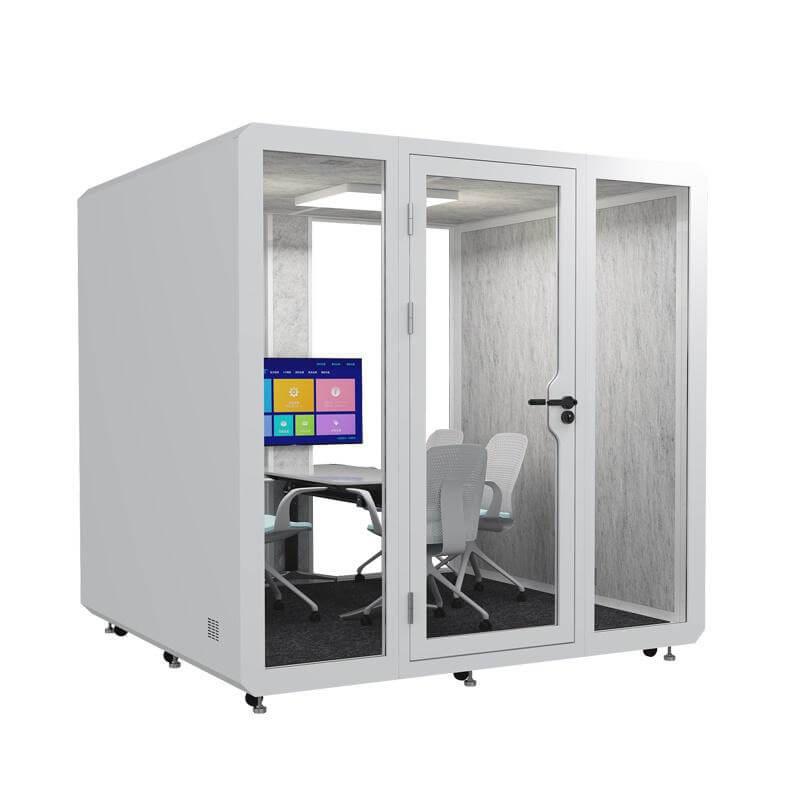
Pod versatility is defensible when each use has a distinct requirement, supported configuration, tested location, occupied evidence, operating rule, and exclusion. One product may support several uses, but every use needs its own accepted condition. Finish by issuing a short use register for each selected configuration, including accepted tasks, exclusions, location, operating owner, and the evidence that keeps that use valid.
Assign each pod configuration only to uses it has passed. Preserve the portfolio matrix, demand evidence, layouts, privacy and technology limits, duration, location, booking, maintenance, corrections, and review triggers.

 Tel: +8613538031763
 Email: info@sopworkpod.com
 MP/WhatsApp: +8613538031763
 Manufacturer Address:Liucheng Lujiang District,Meixi Road,Nanan City,Fujian,China