Need Help?
Please leave your contact information to get our latest catalog
Get In Touch Now >


Author:SOP Work Pods Manufacturer TIME:2026-08-28
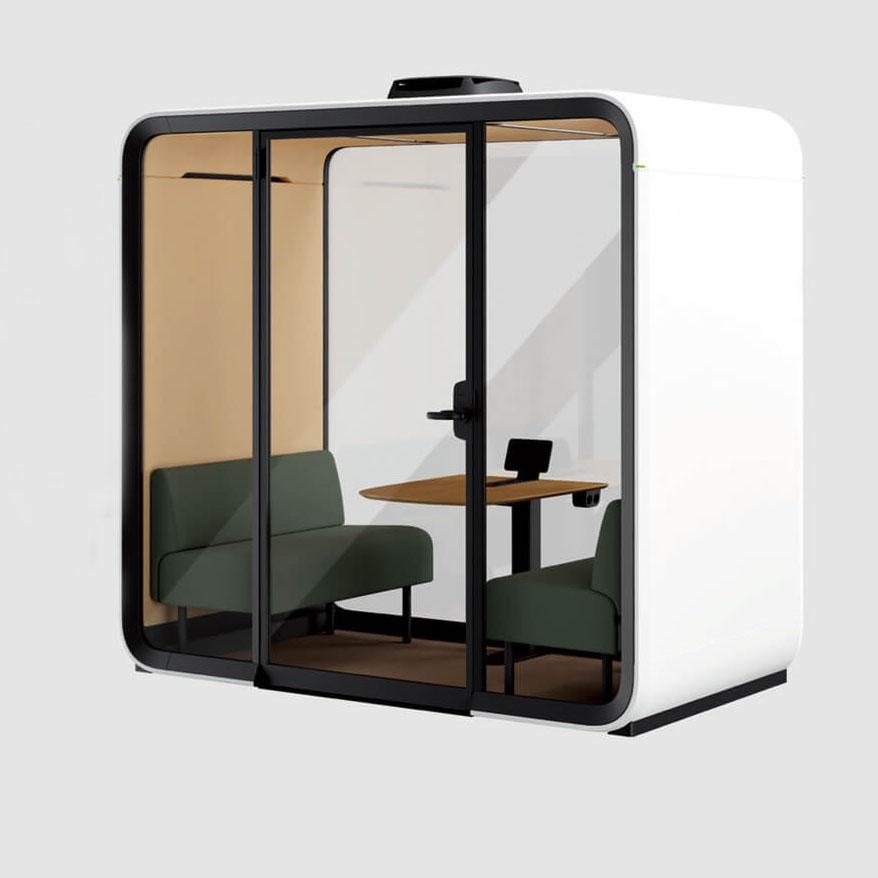
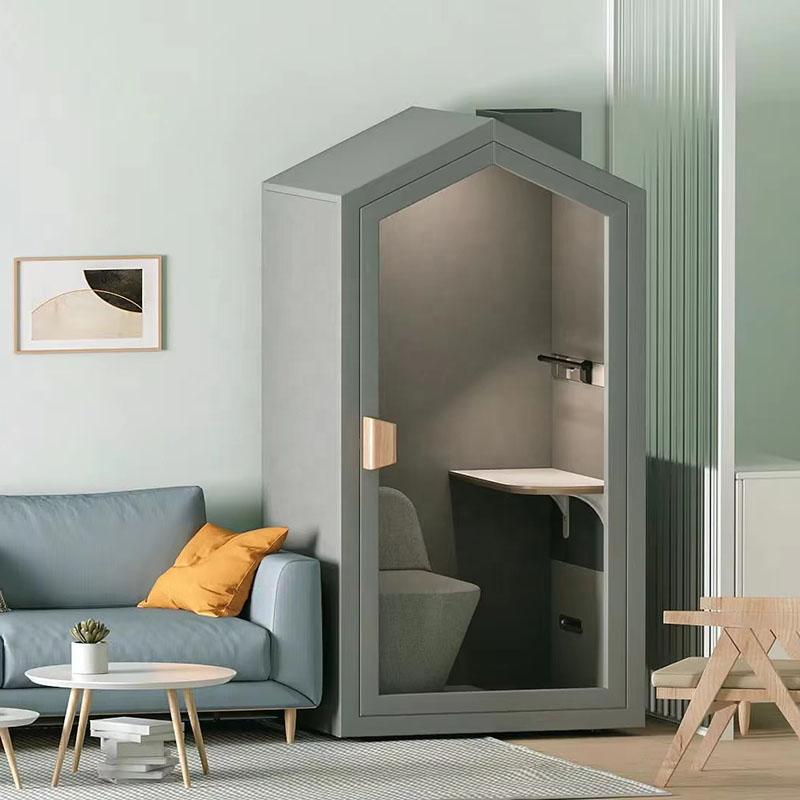
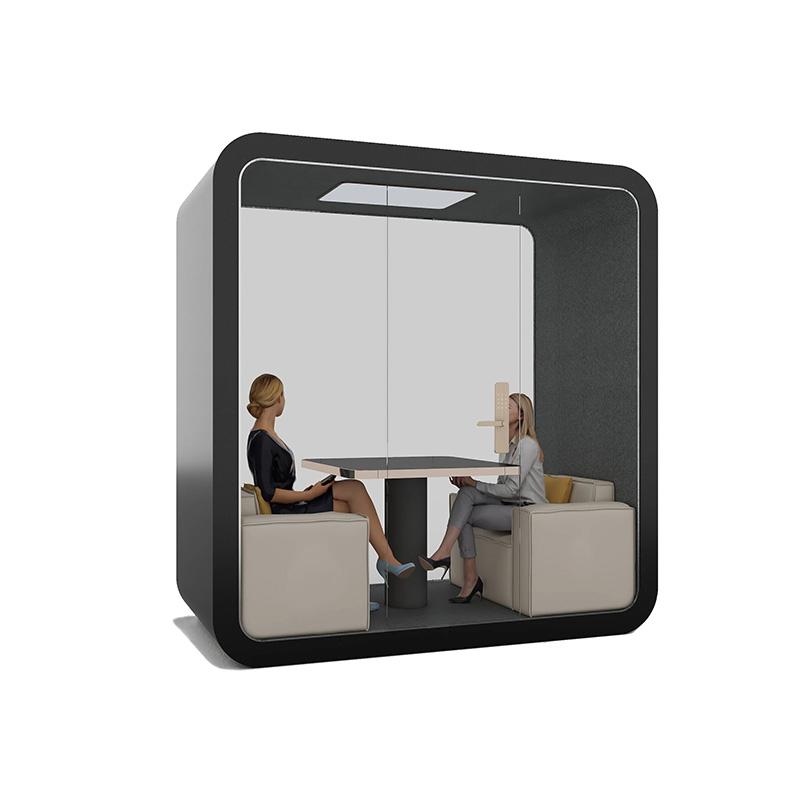
A soundproof office pod for home should be planned around a real household day rather than an image of perfect remote work. Calls, focused tasks, family routines, neighbors, deliveries, power, comfort, cleaning, and end-of-day separation all affect whether the pod supports the intended work.
The diary method follows morning setup, occupied sessions, interruptions, shared-space effects, shutdown, and maintenance. It turns broad benefits into conditions the household can observe before committing to a product and location.
A soundproof office pod for home should be judged against the household routine it needs to protect. The issue may be confidential calls, background noise from family activity, shared apartment space, video-meeting presentation, or the need to leave work mentally at the end of the day. These are related but not identical functions.
The buyer should write a short day-in-the-life brief. Note when calls happen, where noise comes from, which rooms are shared, how long work sessions last, and whether the pod is placed indoors, in a garage, or in a garden structure. A good home pod decision begins with this boundary, not with a generic productivity claim.
List the home tasks that need separation and the household events that disrupt them. Confidential calls, video meetings, writing, recording, visitors, appliances, children, deliveries, and shared-room circulation create different boundaries, so the pod brief should state which difficult periods it must support.
Run the diary on both a quiet and a demanding day. Record household activity, outside noise, direct sunlight, room temperature, device load, call schedule, and the points when the user leaves the pod. This exposes whether the proposed location and configuration can support the difficult periods rather than only an ideal demonstration.
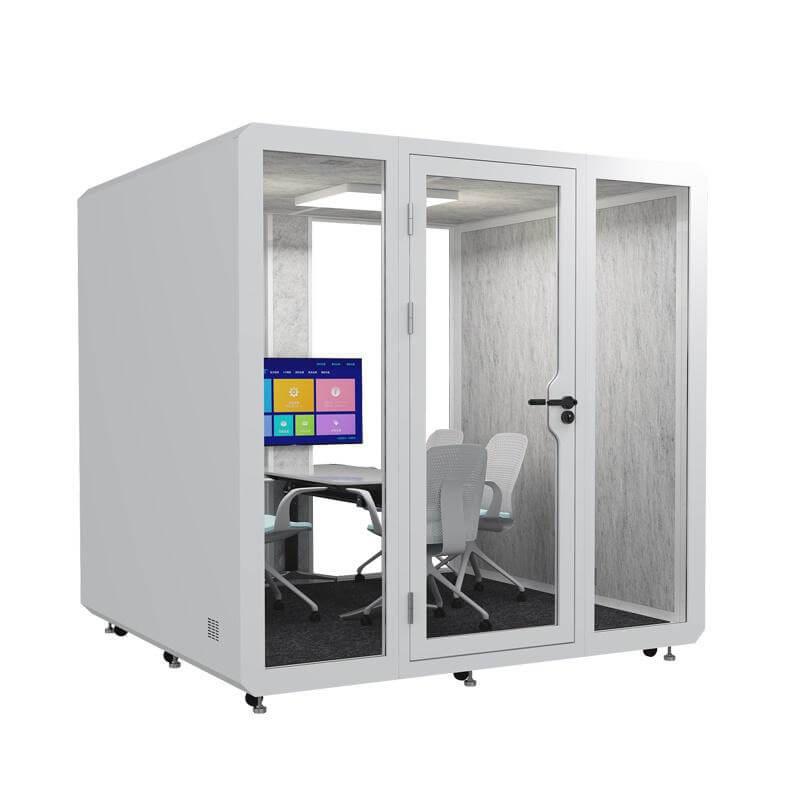
Home users often expect a pod to make calls private and block household noise. The real result depends on the enclosure, door seals, ventilation, floor contact, surrounding room, and how loudly people speak. The buyer should ask what kind of speech reduction is supported and then test whether family members outside can understand words during a normal call.
Privacy also has a behavioral side. A pod helps when household members know when it is occupied and when the user can close the door without overheating. If the work involves legal, financial, medical, or personnel discussions, policies and headset behavior may matter as much as the enclosure.
Describe privacy as a source-path-listener problem rather than a promise of silence. Map work speech leaving the pod, household noise entering it, nearby rooms, doors, windows, shared walls, corridors, and likely listener positions, then retain the limits of what was actually reviewed.
A home work pod can create a reliable background for recurring video meetings. Check camera position, light direction, glare, microphone pickup, device charging, and whether the user can keep notes or a second screen within reach. A beautiful interior photograph is less useful than a test call from the actual seated position.
Record the software, laptop, headset, and lighting used during the test. If the fan is audible through the microphone, if the user's face is underlit, or if the desk is too shallow for documents, the video-call function is not fully solved. These details should be fixed before order release.
Rehearse the user's normal video workflow with the actual laptop, headset or speaker, camera, lighting, background, power, charging, wireless connection, and documents. The setting is useful only if local comfort and the remote participant's audio and visual experience remain workable together.
Treat privacy as a two-way boundary. The user may need household conversations to remain outside the call, while family members may need work speech and device audio to cause less disturbance. Map doors, windows, shared walls, circulation, and likely listener positions. Do not translate this map into an absolute soundproof promise.
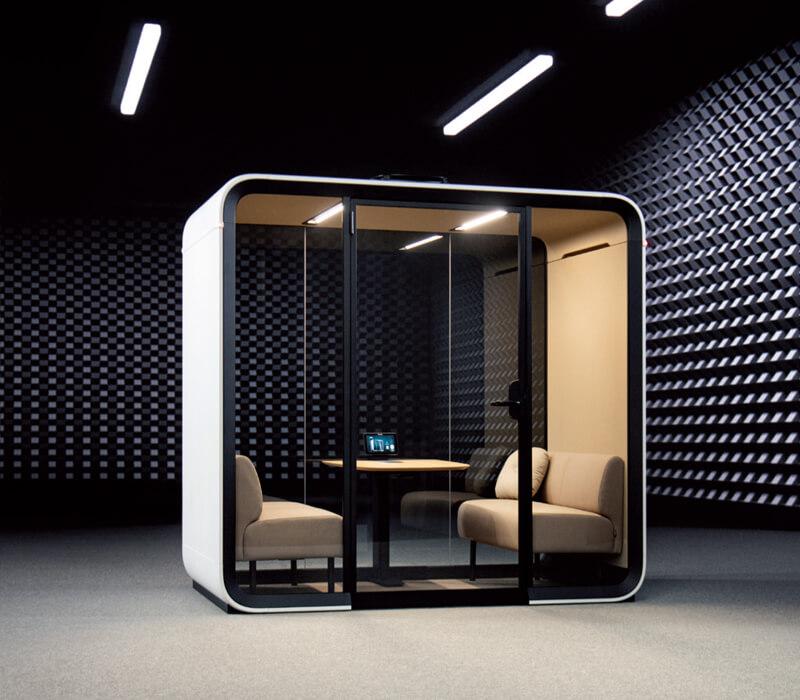
The pod location affects both incoming and outgoing sound. A laundry area, kitchen wall, stair landing, or children's play space may create background noise at predictable times. Shared walls and apartment floors can also change how much speech travels beyond the household. The buyer should test the likely position during the real noisy period, not during a quiet viewing.
If the pod is placed in a garden or garage, the review also includes weather exposure, power route, access, floor condition, security, and local restrictions. Do not assume an indoor office pod and an outdoor work structure have the same installation duties.
Compare candidate home locations during representative household activity, not only during a quiet visit. Track voices, television, appliances, footsteps, entrances, windows, shared boundaries, sunlight, heating or cooling cycles, and circulation so placement does not transfer work disruption to another resident or neighbor.
Test comfort for the full home work routine
Home sessions can be longer than office phone-booth sessions because the pod may become the primary workspace. Check chair quality, posture, desk depth, ventilation, heat, lighting, cable management, and whether the user can stand, stretch, or leave without disrupting others. A pod that is acceptable for a quick call may be tiring for concentrated work.
Run a trial around the longest normal work block. Include laptop heat, charging, headset use, and the door closed. Note whether the pod recovers between calls and whether the user tends to leave the door open. The function is successful only when the space is comfortable enough that the household boundary remains intact.
Use the longest normal work block, including setup, calls, focused work, breaks, door openings, and shutdown. Observe posture, desk and device reach, lighting, glare, airflow, heat from equipment, fan sound, controls, cable position, and the point at which the user chooses another room.
Treat home installation as a small project
Home buyers still need a delivery route, assembled dimensions, floor protection, power planning, ventilation clearance, waste handling, and service access. Measure doors, stairs, corridors, elevators, garden paths, and turning points. If the pod arrives in panels, confirm who assembles it and what tools or clearances are required.
Before comparing office pod configurations, decide where the pod can actually be installed. Include lease restrictions, building rules, electrical review, and future relocation. The product that looks most suitable online may become the wrong choice if the home route or floor condition is ignored.
Confirm delivery access, stairs and turns, assembly space, floor condition, power, data, ventilation interaction, daylight, displaced furniture, protection, working hours, and waste removal. A domestic installation needs named responsibilities even when the product is modular and the site appears simple.
Plan cleaning and maintenance around domestic use
Home pods collect dust, fingerprints, fabric wear, cable clutter, and ventilation debris differently from office-managed rooms. Ask how to clean surfaces, access grilles or filters, inspect hinges and seals, and report service issues. A maintenance plan should fit the person who will actually own the task at home.
Keep a small handover record with model, configuration, invoice, warranty contact, component list, cleaning instructions, and photos of electrical and assembly details. This record matters if the pod is moved, sold with a property, or serviced after months of daily use.
Fit cleaning, filter or fan checks, door and seal inspection, surface care, fault reporting, parts access, and temporary fallback work into the household routine. Responsibilities should be realistic for the resident and any service provider rather than copied from a staffed office plan.
| Household work condition | Home trial or site evidence | Accepted function boundary |
|---|---|---|
| 1. Define the home work boundary the pod must protect | home function checklist | Record the home-work function, household constraint, product evidence, installation check, and unresolved assumption. Set the evidence threshold before the response is accepted. |
| 2. Separate privacy at home from absolute silence | home function checklist | Record the home-work function, household constraint, product evidence, installation check, and unresolved assumption. Assign the reviewer who can check this point in the real location. |
| 3. Build a stable video-call setting inside the pod | home function checklist | Record the home-work function, household constraint, product evidence, installation check, and unresolved assumption. Flag any dependency that changes the quote, drawing, or work method. |
| 4. Map family noise and neighbor exposure before choosing placement | home function checklist | Record the home-work function, household constraint, product evidence, installation check, and unresolved assumption. Keep nonnegotiable gates distinct from optional preferences. |
| 5. Test comfort for the full home work routine | home function checklist | Record the home-work function, household constraint, product evidence, installation check, and unresolved assumption. List untested household periods, installation dependencies, and domestic service duties as explicit limits on the home pod decision. |
Use a function gate before approving a home pod
The final decision should ask whether the pod protects the work boundary, improves call quality, fits the household, and can be installed and maintained without hidden work. A home office pod is not justified by being quiet in the abstract. It is justified when it solves a repeated home-working problem that the household can observe.
If the use case is occasional, the buyer may need a lighter privacy solution. If the use case is daily and sensitive, the pod should pass stronger checks for speech privacy, comfort, and support. The approval record should make that distinction clear.
Approve the home pod only when protected tasks, privacy routes, video workflow, occupied comfort, placement, installation, and domestic upkeep agree under a demanding but representative day. Preserve excluded uses and the household changes that would require another review.
Agree how domestic and product responsibilities meet. The household may own power, network, room ventilation, access, cleaning, and emergency arrangements. The supplier may define product-side interfaces and guidance. Installation scope, local work, warranty conditions, parts, and service access should be confirmed in writing for the selected configuration.
It should not be assumed to block all noise. Test normal household sound at the intended location and evaluate whether speech and distraction are reduced enough for the work.
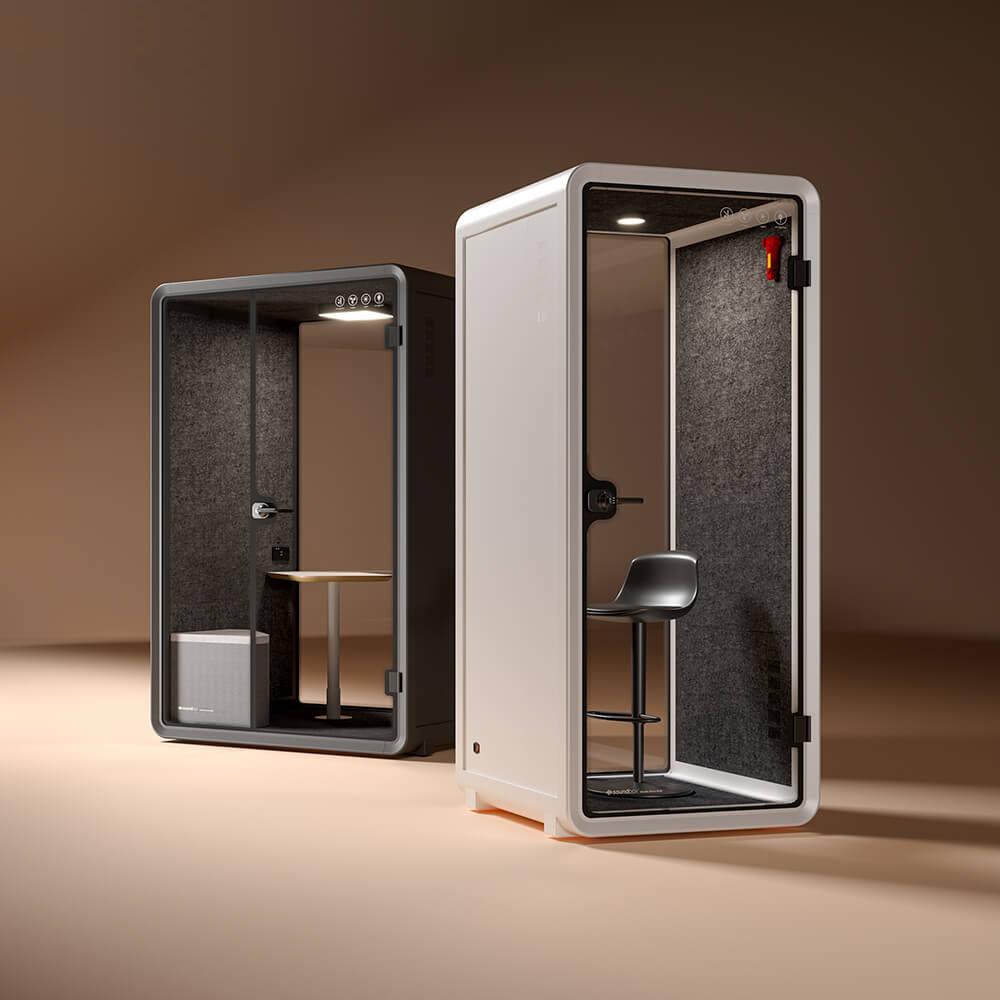
It can be, because home users may spend longer periods inside the pod. Test airflow and heat during the longest normal session.
Choose based on route, weather exposure, power, security, household routine, and local rules. Indoor and outdoor placements have different installation duties.
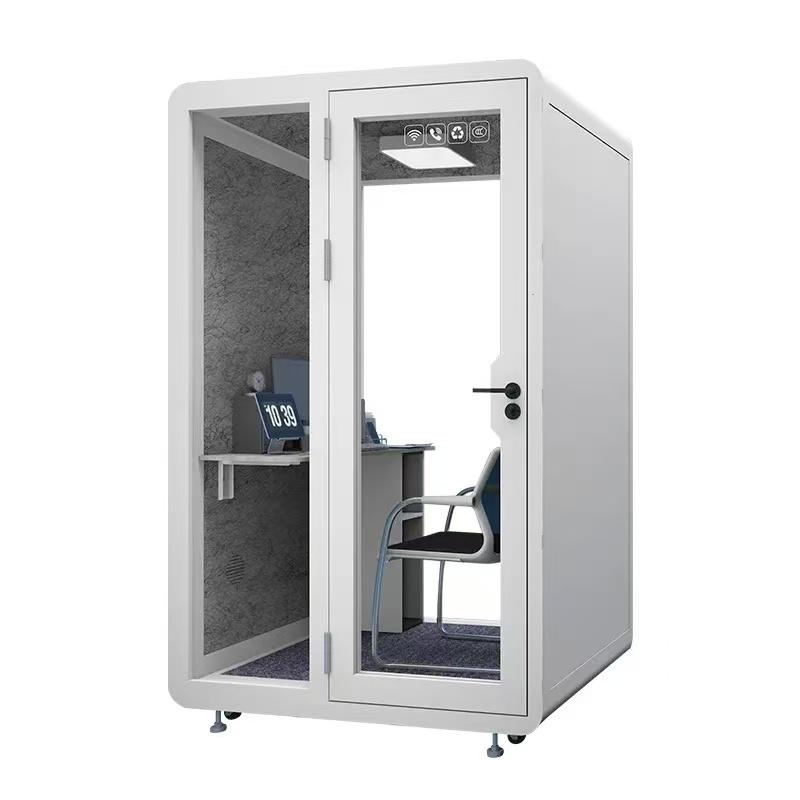
Save drawings, configuration, warranty contact, cleaning guidance, assembly photos, electrical information, and a record of the acceptance checks.
Plan the delivery route through the home or property before ordering. Record gates, paths, steps, thresholds, corridors, turns, floor protection, parking or unloading restrictions, assembly space, working hours, storage, waste removal, and how family access will be maintained. Compare the route with supplier package and handling information for the exact configuration.
Define the end of the workday. The user may need to remove confidential papers, disconnect portable devices, reset controls, ventilate the surrounding room, and make the pod available to another household member. A clear shutdown routine helps preserve the boundary between paid work, family use, cleaning, and maintenance.
Consider how the home will support a fault or service visit. Record who can isolate power where appropriate, how the pod is kept unavailable, how a technician reaches relevant components, where documents and serial information are stored, and how privacy is protected during service. A home installation should not depend on workplace staff or facilities processes that are not present.
Keep household consent visible when the location or operating routine changes. A new room use, furniture layout, family schedule, or shared access pattern can alter the original boundary. Review the diary after those changes rather than assuming the first placement decision remains suitable indefinitely.
A home office pod is suitable when the full household diary shows a workable boundary for calls, concentration, comfort, access, and maintenance. The product should fit the difficult routine, not just the available floor area.
Keep the purchase conditional until the location, delivery path, power, host-room conditions, user session, family effects, and service responsibilities are all understood.

 Tel: +8613538031763
 Email: info@sopworkpod.com
 MP/WhatsApp: +8613538031763
 Manufacturer Address:Liucheng Lujiang District,Meixi Road,Nanan City,Fujian,China