Need Help?
Please leave your contact information to get our latest catalog
Get In Touch Now >


Author:SOP Work Pods Manufacturer TIME:2026-08-28
A drum lesson can fail in two opposite ways. Sound from the kit may interrupt another class, yet a heavily enclosed setup may make it harder for the teacher to see posture, hear questions, or intervene promptly. A drum isolation booth is useful only when it supports the lesson and controls the relevant sound route at the same time. The product label cannot settle that balance.
Start with one real teaching period. Record the instrument arrangement, student movement, teacher position, nearby listeners, communication method, setup time, occupied duration, and what must happen between users. These details turn a broad benefit claim into a classroom release decision. They also expose conflicts that a showroom demonstration can hide, such as a blocked sightline or a cable crossing the entry path.
This route does not assign safeguarding, accessibility, fire, electrical, or educational approval to a supplier brochure. Authorized school reviewers retain those decisions. The practical output is narrower: a witnessed lesson record showing what was checked, what remains conditional, who owns each correction, and whether the offered booth may be used for the stated class.
Begin with the teaching objective rather than a promise of silence. A beginner rhythm exercise, individual practice, assessment, ensemble rehearsal, and teacher demonstration place different demands on visibility, communication, instrument access, and timing. Note who occupies the booth, who must observe from outside, whether the teacher needs to enter, and which actions must remain audible or visible. The school can then distinguish mandatory teaching conditions from convenient features.
Follow the period from arrival to departure. Include carrying or storing equipment, adjusting the stool, arranging drums and cymbals, connecting any authorized devices, receiving instruction, asking for help, pausing, and clearing the space. A booth that works only after an unusually long setup may not fit a short timetable. A configuration that supports one kit may obstruct another. Write those boundaries before comparing enclosures.
A drum kit creates several source paths. Direct sound may travel through the door, panels, glazing, joints, floor, ceiling, or service openings, while reflections inside the enclosure affect what the student and teacher hear. Nearby listeners may include another class, staff in circulation space, performers in the same room, or the teacher at a normal observation point. Mark these positions on the classroom plan instead of treating soundproofing as one undivided property.
Repeat representative playing only under school-approved conditions and observe from the positions that matter to the lesson. Record the door state, booth controls, room activity, instrument setup, and listener location. The result is a bounded observation, not a universal acoustic rating. If the teacher moves to an unrealistic position for the demonstration, retain that limitation because the normal supervision route has not been tested.
Add a separate supervision line to the same map. Show glazing and sightlines, likely visual obstructions, communication cues, entry access, and the route for assistance. A panel arrangement that changes sound transmission may also change visibility. Reviewing both paths on one sheet makes the trade-off explicit and gives facilities and teaching staff a common record for corrections.
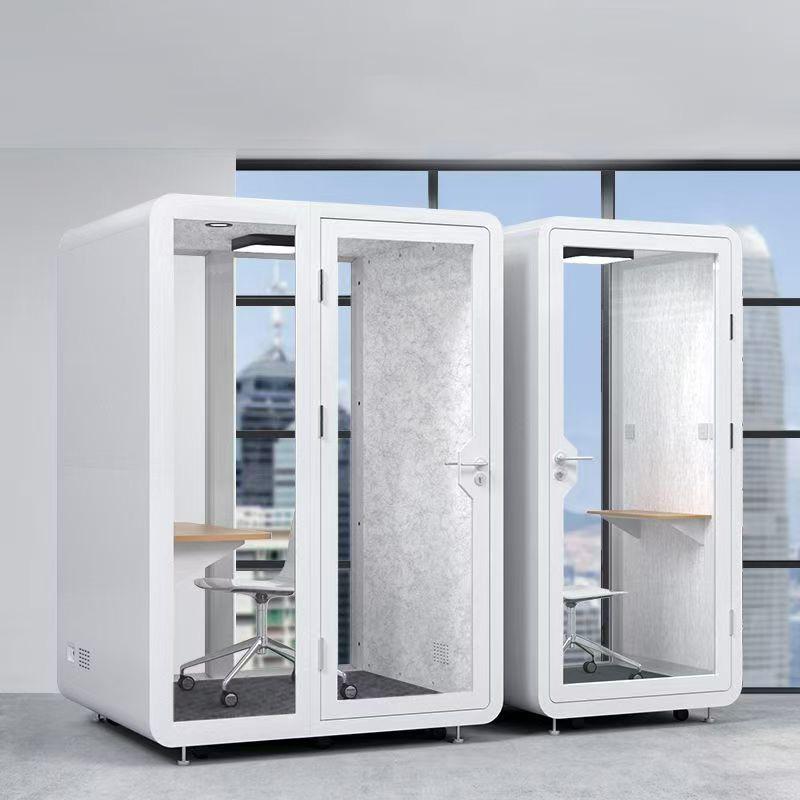
Nominal booth dimensions do not show the occupied arrangement. Mark the bass drum, pedals, stool, snare, toms, cymbal stands, music material, authorized cables, bags, and any teaching device at their actual working positions. Then trace entry, seating adjustment, limb movement, stick movement, teacher access, and an unobstructed exit. The mock-up should use the intended kit because a compact practice arrangement cannot prove fit for a larger classroom setup.
Record the accepted arrangement with a simple plan and photographs approved by the school. Label items that must not move into the access path. If several student setups are expected, identify which one was witnessed and which still needs review. The office pod configuration range can be consulted for enclosure options after the teaching envelope is fixed; it does not replace the classroom mock-up.
Teaching depends on more than line of sight. Decide how the student receives an instruction, signals a problem, pauses playing, and confirms that the teacher has understood. Check whether normal speech works through the intended interface or whether an approved communication device is required. Any device route should be assessed with the same care as the instrument layout, including placement, cables, controls, cleaning, storage, and responsibility for faults.
Agree what happens if visibility is lost, communication fails, the student becomes uncomfortable, or the door does not operate as expected. The response must be practical during a class, not a sentence in a manual that staff cannot follow. Assign who stops the activity, who assists, which fallback teaching arrangement is used, and who records the issue before another student enters.
Supervision requirements vary by school, student, activity, and local policy. The project record should therefore name the authorized reviewer and preserve any conditions they set. A supplier's general description cannot authorize classroom practice. Release occurs only when teaching staff can demonstrate the communication and intervention route in the final arrangement without relying on an untested exception.
| Lesson phase | Evidence to witness | Hold condition | Release owner |
|---|---|---|---|
| Setup | Kit placement, access path, cables, controls, and teacher approach | Normal movement cannot be completed without an improvised workaround | Music lead and facilities |
| Instruction | Sightline, cue, speech or approved device, and stop signal | Teacher and student cannot demonstrate a reliable intervention route | Authorized teaching reviewer |
| Playing | Relevant source and listener positions with the intended booth state | Observation depends on an unrealistic door, room, or listener condition | Teaching team and site owner |
| Occupied period | Ventilation, lighting, posture, reach, communication, and coping behavior | Comfort concern or control problem remains unresolved | Facilities and user representative |
| Changeover | Exit, inspection, cleaning, equipment movement, storage, and next lesson | Timetable or circulation fails under the normal handover | Classroom operations owner |
Keep service observations tied to duration and load. The result from one student, one kit, and one short exercise may not apply to a longer assessment or a different arrangement. Where the school needs broader use, schedule representative checks rather than extending the first observation by assumption. A comfort concern should lead to a specific adjustment and another witnessed session.
Daily ownership matters after acceptance. Define who checks the door and seals, ventilation openings, lighting, interior condition, cables, controls, and cleanliness. State how a fault removes the booth from use and where the lesson moves. An isolation booth that has no clear service response may interrupt teaching even when its initial acoustic and fit observations were acceptable.
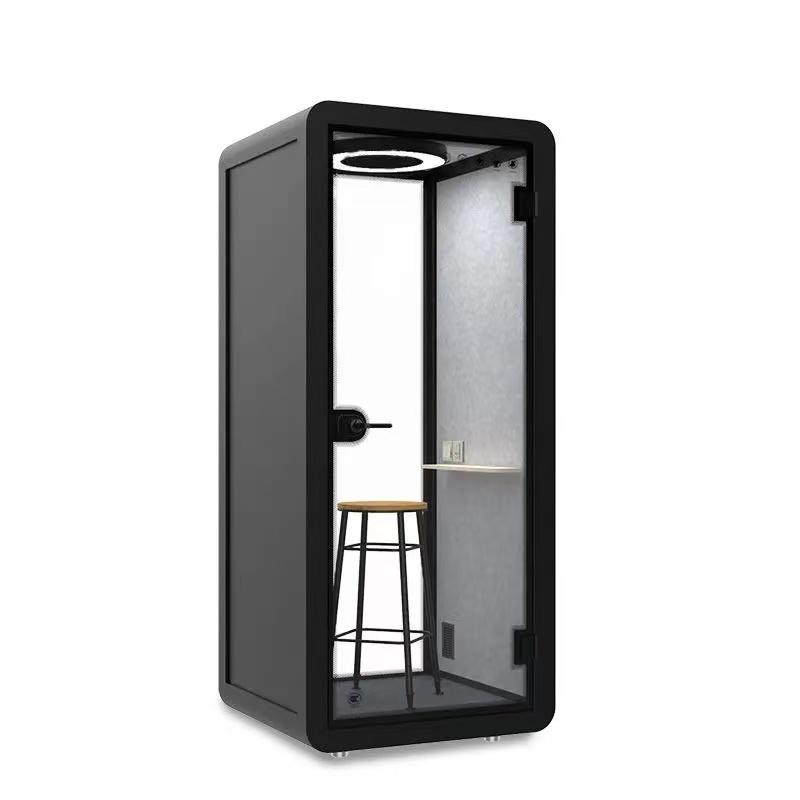
The final check should use the installed position and a normal class sequence. Bring in the kit, set the accepted arrangement, brief the student, run the teaching activity, communicate from the intended teacher position, change users, inspect the enclosure, and return the room to its next use. Watch the clock without inventing a universal setup target. The question is whether this school's timetable and staffing can support the observed routine.
Capture favorable and adverse evidence together. Nearby listeners may find one activity acceptable while another remains disruptive. A student may have enough space but the teacher may lose a critical view when a cymbal moves. Cleaning may be straightforward, yet storage blocks circulation during changeover. These mixed findings are useful because they identify a qualified use rather than forcing a simple benefit verdict.
Close the handover with teaching, facilities, and any other authorized school owner. List the accepted lesson type, booth state, instrument layout, supervision method, service checks, limitations, fallback, and recheck triggers. A new kit, changed room, altered panel arrangement, recurring fault, or revised school procedure should reopen the relevant part of the record before the booth is treated as suitable for that condition.
No universal silence claim follows from the product name. The observed result depends on the instrument, playing activity, enclosure interfaces, door state, service openings, room construction, source position, listener position, and surrounding activity. A useful school record states what was played, where the listeners stood, which booth state was used, and what limitation remained.
The decision should focus on whether the relevant lesson and neighboring activity can coexist under the witnessed condition. If another instrument, room, or listener is introduced, repeat the applicable source-path check rather than carrying the earlier observation forward as a rating.
Supervision must be designed with the school's authorized teaching and safeguarding reviewers. Practical checks include clear sightlines, known blind spots, a reliable communication method, a stop signal, access for assistance, and a fallback if glazing, equipment, or the student's position blocks the expected route.
Demonstrate the protocol during the real activity. A view from an empty booth or a communication check without drums in place does not prove the occupied lesson. Record the accepted teacher position and any configuration limits beside the lesson release.
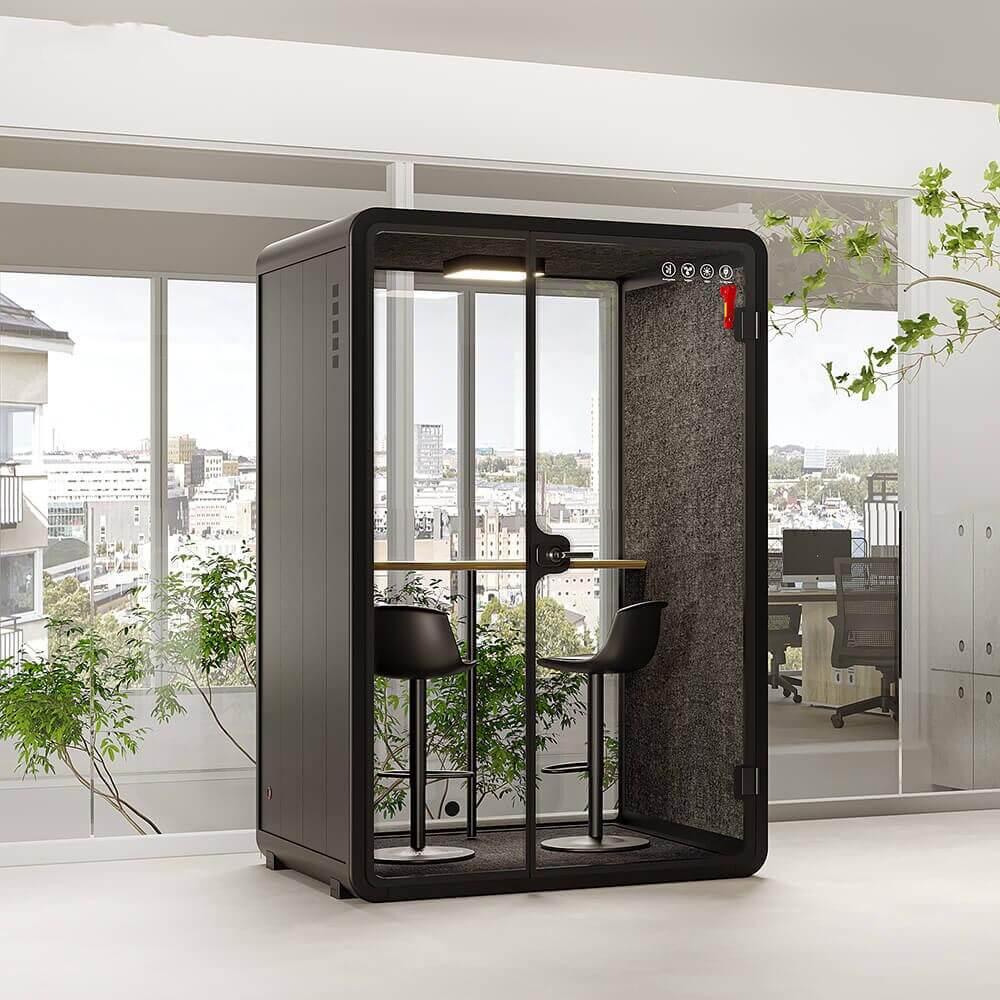
It may not. Kits differ in footprint and stand positions, while students may need different seating, reach, access, or assistance arrangements. The witnessed mock-up should identify the exact equipment and user condition. Changes that affect movement, visibility, controls, or exit require another fit review.
Schools can reduce ambiguity by keeping an accepted layout plan and a short list of permitted variations. Anything outside that envelope is a new configuration, not an automatic extension of the first decision.
Keep the lesson requirement, instrument layout, source-listener map, supervision protocol, occupied service observations, accepted booth state, limitations, fault route, cleaning and inspection ownership, and the people who approved the use. Photographs can help when permitted by school policy, but they should document the configuration rather than identify students unnecessarily.
Add change triggers to the record. A relocated booth, different kit, modified services, recurring door issue, altered timetable, or new teaching procedure should send the team back to the affected check instead of allowing the original release to drift.
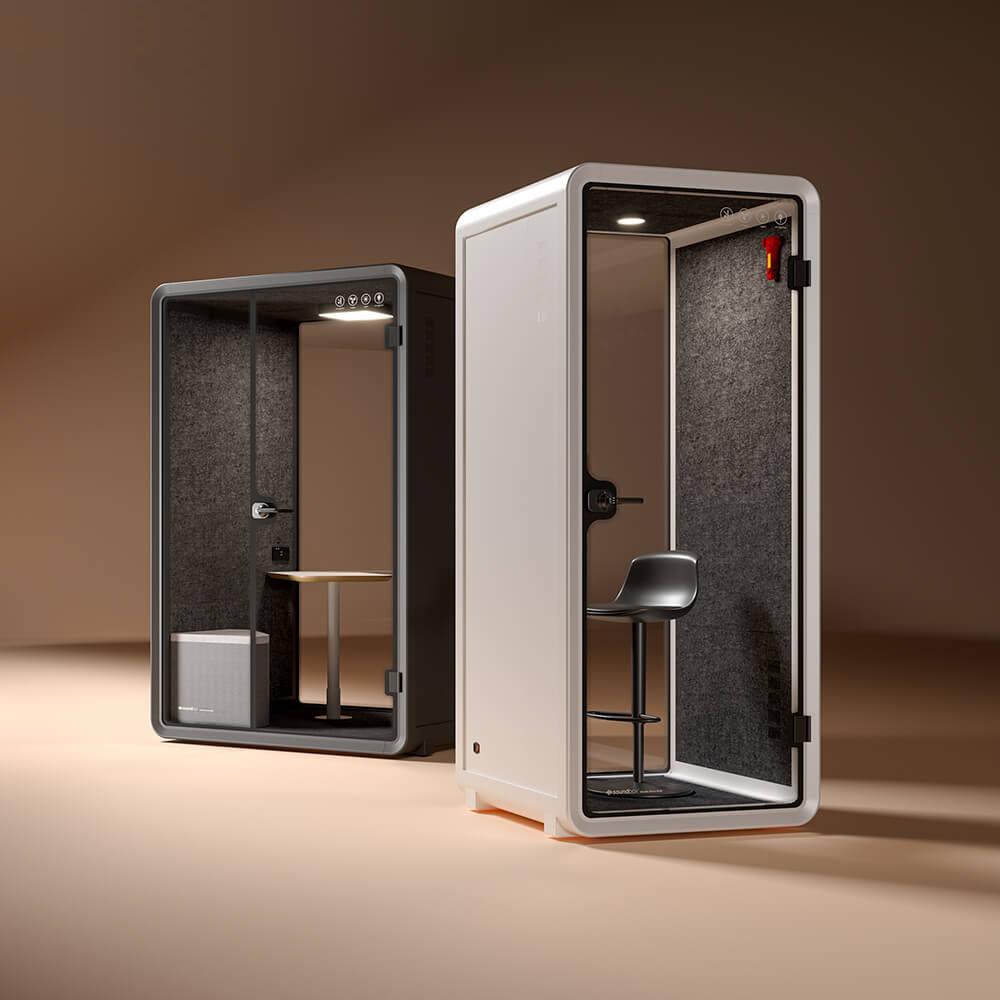
A classroom drum isolation booth is beneficial when it supports a defined lesson, keeps supervision and intervention workable, fits the occupied instrument arrangement, and improves the relevant sound condition without creating an unresolved service or timetable problem. None of those findings should be inferred from enclosure language alone.
Finish with one witnessed lesson release. It should name the activity, booth state, kit layout, teacher route, listeners, occupied duration, limitations, owners, fallback, and events that require a new check. That record gives the school a usable next step: approve the bounded class use, correct a specific failure, or hold the proposal until the teaching and facilities evidence agree.

 Tel: +8613538031763
 Email: info@sopworkpod.com
 MP/WhatsApp: +8613538031763
 Manufacturer Address:Liucheng Lujiang District,Meixi Road,Nanan City,Fujian,China