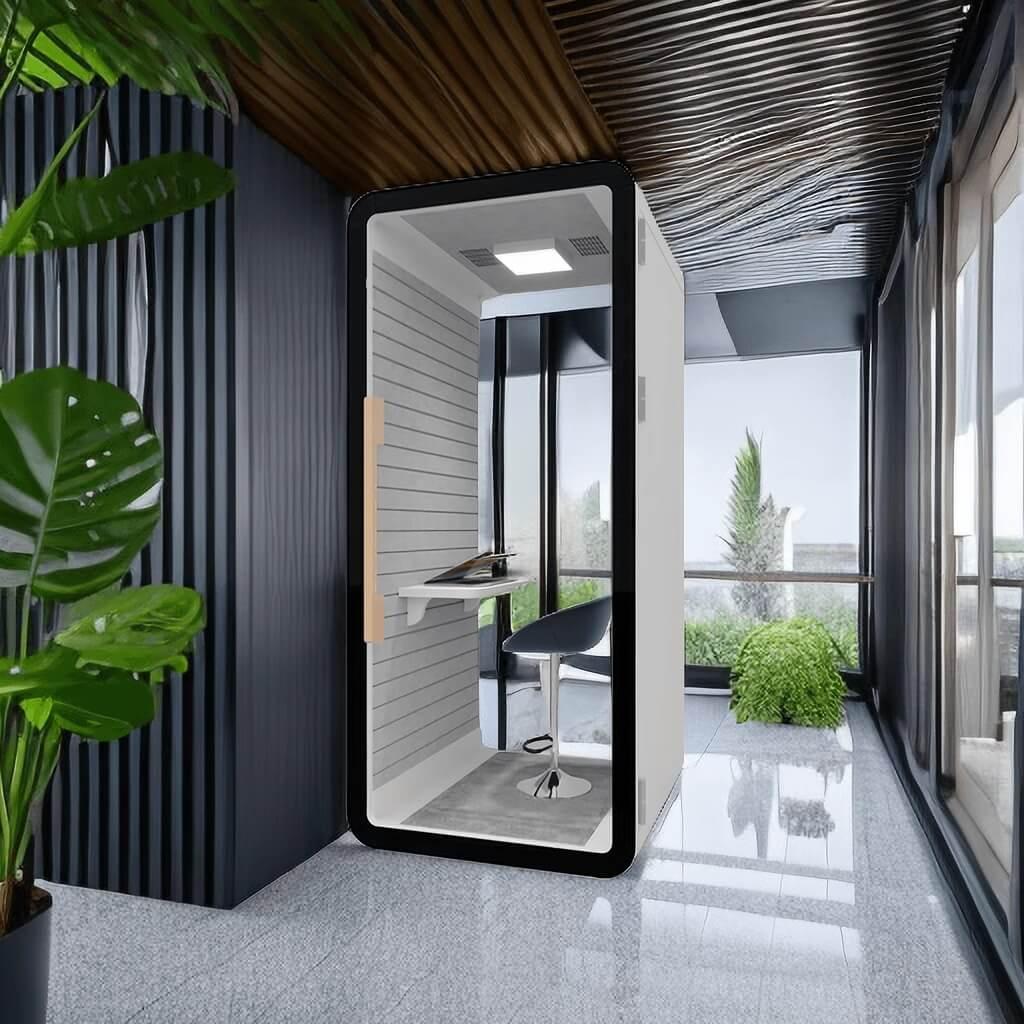
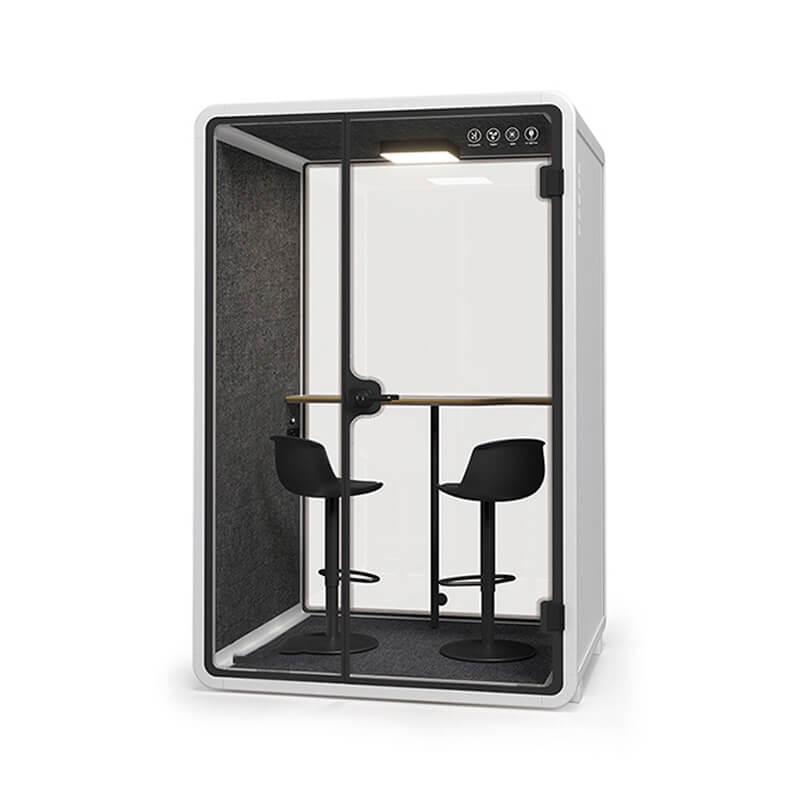
Need Help?
Please leave your contact information to get our latest catalog
Get In Touch Now >


Author:SOP Work Pods Manufacturer TIME:2026-08-28
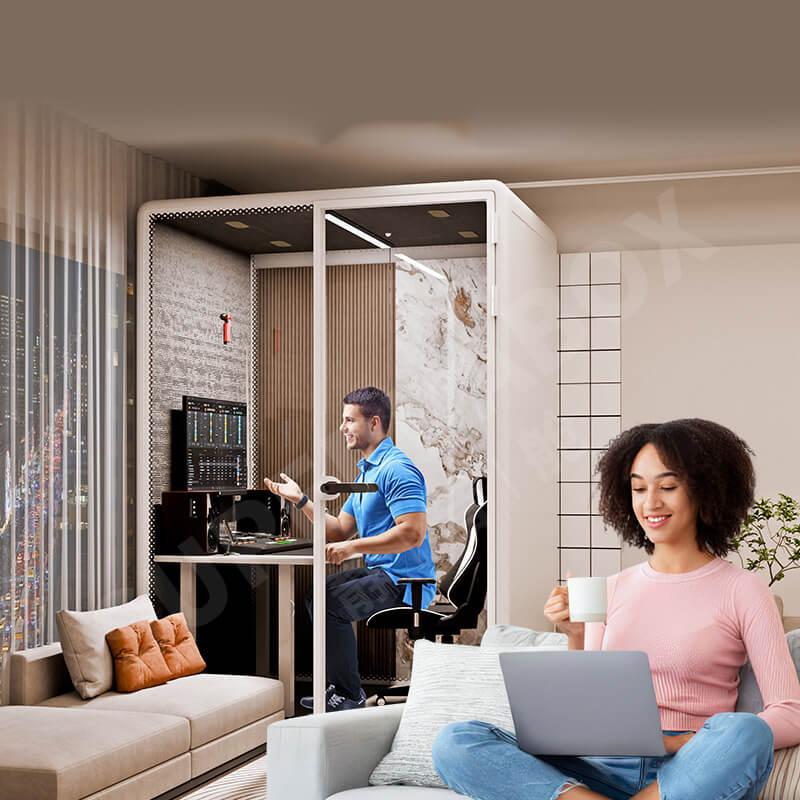
A soundproof cabin for home working should be planned around a household and a job, not around the abstract promise of silence. Calls, concentrated work, confidential material, family speech, appliances, doors, pets, visitors, outdoor noise, room layout, power, data, heating, cooling, and shared routines create the real use condition.
The planning route begins by naming the work that needs protection and mapping sources and listeners on both sides of the cabin. It then compares indoor locations, tests speech and visual boundaries, checks the longest occupied session, coordinates household services and access, and agrees rules for use, cleaning, faults, and periods when the cabin is unavailable.
A home trial should preserve time, source, listener, door and fan state, devices, household activity, user comfort, and limitations. It cannot prove every future condition, but it can support a bounded decision and identify what must be observed after installation.
Separate confidential calls, video meetings, concentrated writing, interviews, client work, recording, routine administration, and occasional overflow by duration, urgency, devices, speech level, privacy need, and acceptable fallback. This task inventory defines what a soundproof cabin for work from home must protect during a real household day.
Use a household field rehearsal before approval. Observe representative home-working periods and record which task fails, what interrupts it, who can hear or see it, and which workaround is attempted. Preserve contradictory observations and limitations because a general wish for quiet replacing a repeated work requirement would change the conclusion.
Approve a bounded use profile rather than an all-purpose room claim. Keep long sessions, activities needing visitors, loud recording, and any task that exceeds the proposed furniture, technology, privacy, or comfort condition as explicit exclusions until they are separately tested.
Trace voices, television, appliances, doors, footsteps, visitors, outdoor activity, work speech, and device audio between the cabin and adjacent rooms. Include corridors, glazing, ventilation paths, floor and ceiling interfaces, and the family members or neighbors who may become unintended listeners.
Use a household field rehearsal before approval. Reproduce normal work and household activity while observers listen at mapped positions with the proposed door and fan condition. Preserve contradictory observations and limitations because one quiet room test hiding the household's dominant route would change the conclusion.
Draw the source-to-listener map for demanding periods as well as quiet ones. Each route should end with a practical observation or an acknowledged unknown, so a successful check at one door or one time of day is not generalized to the whole home.
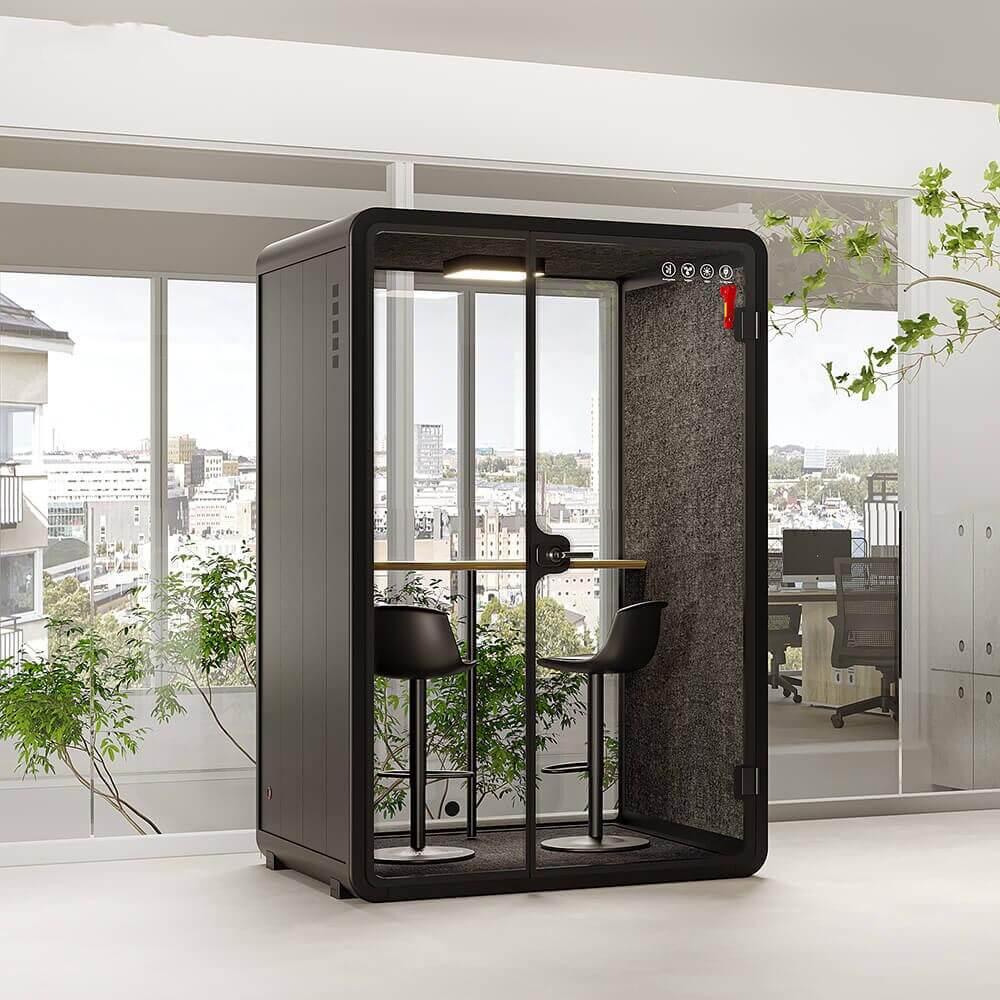
Test candidate positions against room use, clear floor area, approach, door swing, stairs, delivery turns, assembly space, daylight, glare, power, wireless condition, heating and cooling cycles, emergency access, cleaning, and displaced furniture. Walk the route while normal household movement continues.
Use a household field rehearsal before approval. Mark candidate footprints and walk delivery, daily entry, family movement, work use, cleaning, service, and future removal routes. Preserve contradictory observations and limitations because the acoustically promising location disrupting shared home use would change the conclusion.
Select the location together with its enabling work. The decision should show cable and power routes, furniture changes, delivery and assembly responsibilities, circulation limits, and any household routine that must change for the cabin to remain usable.
Map who can hear, see, or encounter sensitive material before entry, through glazing, at the screen, and after the door opens. Include family members, visitors, corridors, waiting points, camera background, paper storage, speaker position, device audio, and conversations that begin or continue outside the enclosure.
Use a household field rehearsal before approval. Run a non-confidential representative call and sightline check from relevant household positions under normal activity. Preserve contradictory observations and limitations because an enclosed appearance being treated as complete home confidentiality would change the conclusion.
State the accepted home privacy boundary in plain terms: which work is protected, under what door and ventilation condition, from which listener positions, and which documents or screen views still need behavioral controls. Absolute silence or universal confidentiality should remain outside the conclusion.
Complete the longest common work block with the user's normal laptop, phone, documents, and accessories. Observe entry, posture, desk reach, camera framing, light, glare, airflow, temperature perception, fan sound, controls, cables, movement, breaks, door opening, and changes caused by household heating or cooling.
Use a household field rehearsal before approval. Ask the home worker to complete the longest routine task and record adjustments, discomfort, distraction, early exit, and changes to the accepted condition. Preserve contradictory observations and limitations because short demonstrations concealing an unusable daily session would change the conclusion.
Set duration and break guidance from the observed routine, not from a brief showroom visit. Early exit, open-door coping, device heat, changing sunlight, or a family interruption should lead to a configuration, placement, or use-boundary decision before acceptance.
| Household condition | Representative home check | Decision boundary |
|---|---|---|
| 1. Define the home work that needs a separate boundary | Observe representative home-working periods and record which task fails, what interrupts it, who can hear or see it, and which workaround is attempted. | Approve a bounded home-work use profile |
| 2. Map household sources listeners and transmission routes | Reproduce normal work and household activity while observers listen at mapped positions with the proposed door and fan condition. | Release a source-path-listener map |
| 3. Compare indoor locations against household circulation | Mark candidate footprints and walk delivery, daily entry, family movement, work use, cleaning, service, and future removal routes. | Select a location and enabling-work plan |
| 4. Check speech visual and document privacy together | Run a non-confidential representative call and sightline check from relevant household positions under normal activity. | State the accepted home privacy boundary |
| 5. Hold the longest normal home session before approval | Ask the home worker to complete the longest routine task and record adjustments, discomfort, distraction, early exit, and changes to the accepted condition. | Approve duration controls and break routine |
Define power and data setup, cable protection, ventilation operation, heating or cooling interaction, shared booking, quiet periods, children or visitor access, belongings, food, cleaning, consumables, fault reporting, service visits, and alternative workspace. Assign duties that are realistic in a home without dedicated facilities staff.
Use a household field rehearsal before approval. Rehearse a normal workday including startup, calls, breaks, family transitions, shutdown, cleaning, and a representative fault. Preserve contradictory observations and limitations because the cabin solving one conflict while creating another household burden would change the conclusion.
A household operating agreement should tell residents when the cabin is available, how it is reset, what must remain unobstructed, who handles routine care, and what happens during a fault. Keep the agreement beside the accepted work profile so convenience does not silently expand the use boundary.
After the household task profile and shared operating routine are agreed, consult the soundproof cabin for work from home configuration page for configuration details relevant to the home review. Product information does not replace the source-to-listener map, occupied session, or domestic service plan.
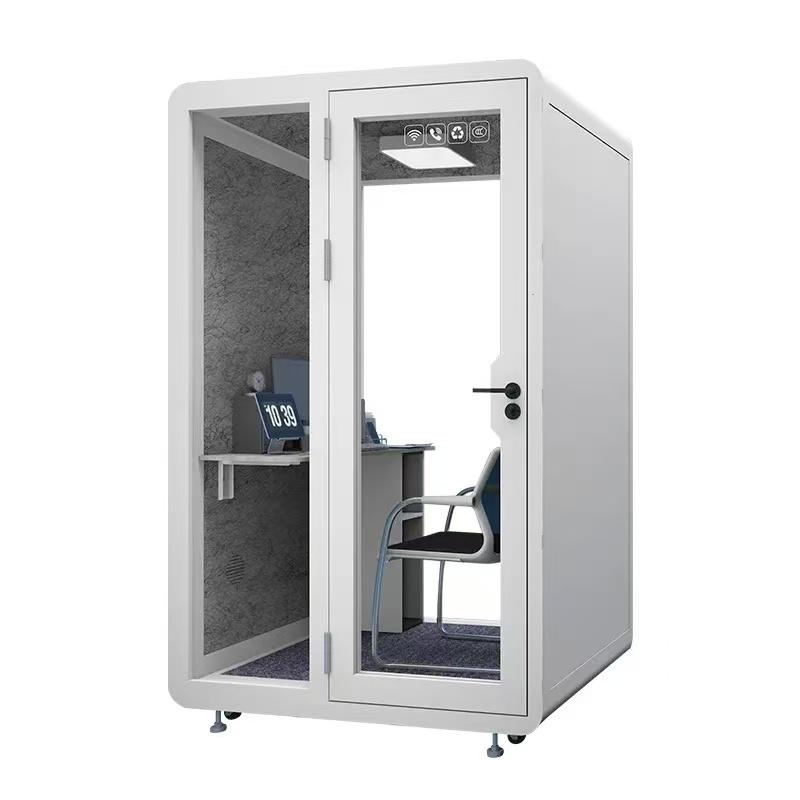
Witness the delivered model, assembly, door and seals, lighting, power, data, ventilation, controls, privacy routes, occupied comfort, household circulation, user guidance, cleaning access, fault reporting, and maintenance provisions. Revisit every source and listener route that was decisive during planning.
Use a household field rehearsal before approval. Run one complete work session while the home user and responsible supplier or installer record condition, outcome, correction, and follow-up. Preserve contradictory observations and limitations because delivery completion being confused with a stable home-work boundary would change the conclusion.
Close acceptance with a dated household follow-up. The review should ask whether protected tasks remain inside the cabin, whether family routines or seasonal conditions changed, which faults affected use, and whether placement, guidance, service, or the original task boundary needs correction.
Resolve the home-work question through this route: Observe representative home-working periods and record which task fails, what interrupts it, who can hear or see it, and which workaround is attempted. Include this condition: Separate confidential calls, video meetings, concentrated writing, interviews, client work, recording, routine administration, and occasional overflow by duration, urgency, devices, speech level, privacy, and acceptable fallback. Keep the decision open while a general wish for quiet replacing a repeated work requirement remains possible.
Resolve the home-work question through this route: Reproduce normal work and household activity while observers listen at mapped positions with the proposed door and fan condition. Include this condition: Identify voices, television, appliances, doors, footsteps, visitors, outdoor activity, work speech, device audio, adjacent rooms, corridors, glazing, ventilation routes, floor and ceiling interfaces, and sensitive listener positions. Keep the decision open while one quiet room test hiding the household's dominant route remains possible.
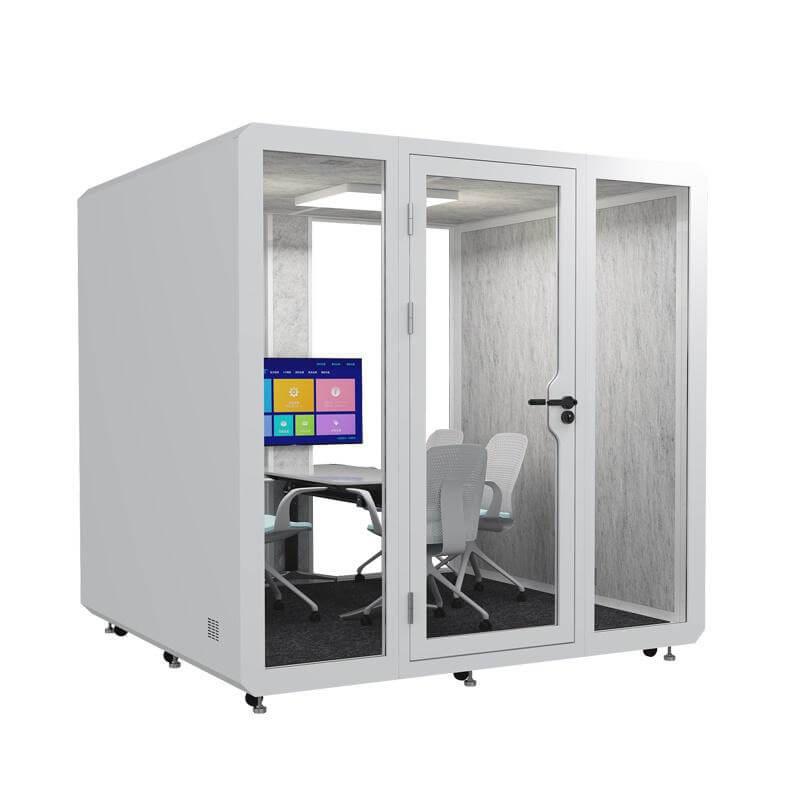
Resolve the home-work question through this route: Mark candidate footprints and walk delivery, daily entry, family movement, work use, cleaning, service, and future removal routes. Include this condition: Review room use, floor area, approach, door swing, stairs, delivery route, assembly, daylight, glare, power, data, wireless conditions, heating and cooling interaction, circulation, emergency access, cleaning, and displaced furniture. Keep the decision open while the acoustically promising location disrupting shared home use remains possible.
Additional review: how long should the occupied home-work trial last.
Resolve the home-work question through this route: Run a non-confidential representative call and sightline check from relevant household positions under normal activity. Include this condition: Map family members, visitors, doors, corridors, waiting points, glazing views, laptop and document exposure, camera background, conversations before entry and after exit, speaker position, and the limits of the enclosure. Keep the decision open while an enclosed appearance being treated as complete home confidentiality remains possible.
Resolve the home-work question through this route: Ask the home worker to complete the longest routine task and record adjustments, discomfort, distraction, early exit, and changes to the accepted condition. Include this condition: Assess entry, posture, desk and device reach, camera framing, lighting, glare, airflow, temperature perception, fan sound, controls, cables, movement, breaks, door opening, and the effect of household heating or cooling cycles. Keep the decision open while short demonstrations concealing an unusable daily session remains possible.
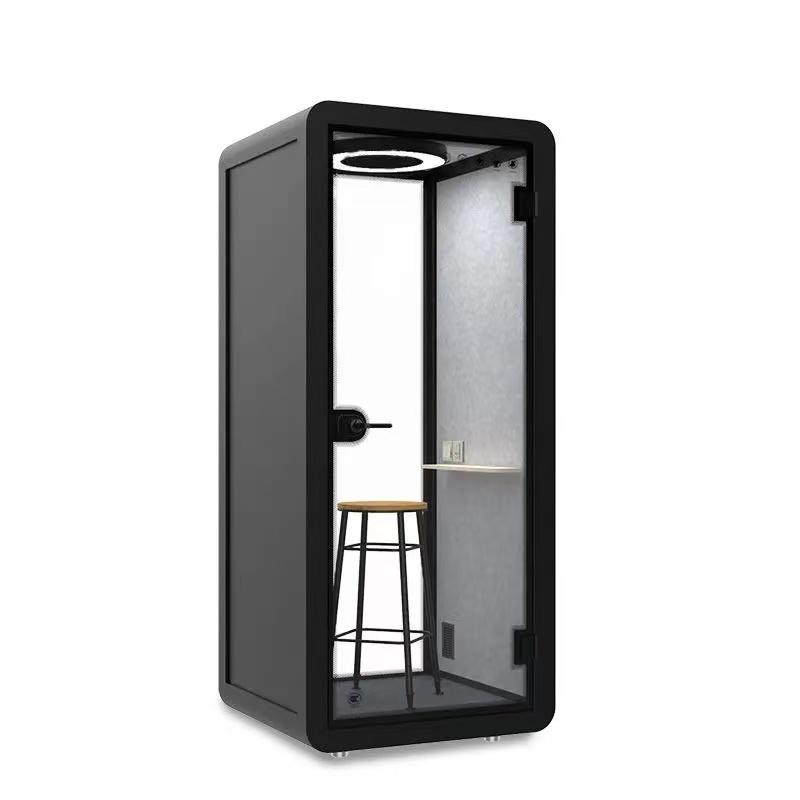
A home-work cabin is useful when a defined task gains a repeatable privacy and focus boundary without making household circulation, comfort, services, or shared routines unworkable. The evidence should state which sources and listeners were checked and which remain outside the accepted use. Close with a household operating agreement that names the work protected, the conditions tested, the shared routines affected, and the observations required after installation.
Accept the cabin for a defined home-work routine. Preserve location, work task, household condition, privacy limit, occupied duration, controls, user rules, maintenance, unresolved actions, and a follow-up point after the household has adopted it.

 Tel: +8613538031763
 Email: info@sopworkpod.com
 MP/WhatsApp: +8613538031763
 Manufacturer Address:Liucheng Lujiang District,Meixi Road,Nanan City,Fujian,China