
Need Help?
Please leave your contact information to get our latest catalog
Get In Touch Now >


Author:SOP Work Pods Manufacturer TIME:2026-08-28
A library can buy study pods described as flexible and discover that only the first arrangement is ever used. Furniture may have nowhere to wait, cables may be reconnected inconsistently, staff may not know who can authorize a change, or a layout that fits on paper may interfere with access and supervision once students arrive. Flexibility then becomes a list of possible states without a workable route between them.
Study pod planning should distinguish product configuration from service configuration. The product has physical options, occupancy limits, furniture, connections, and maintenance needs. The service assigns learner activities, locations, booking rules, support, cleaning, oversight, and alternatives. A useful change must keep both layers aligned after the pod moves from one approved state to another.
This guide builds a configuration portfolio around change cost and reset evidence. It does not select a universal library layout or assume that frequent movement is desirable. It helps a library decide which states deserve approval, which should stay fixed, which require facilities support, and which create more operational burden than learner value.
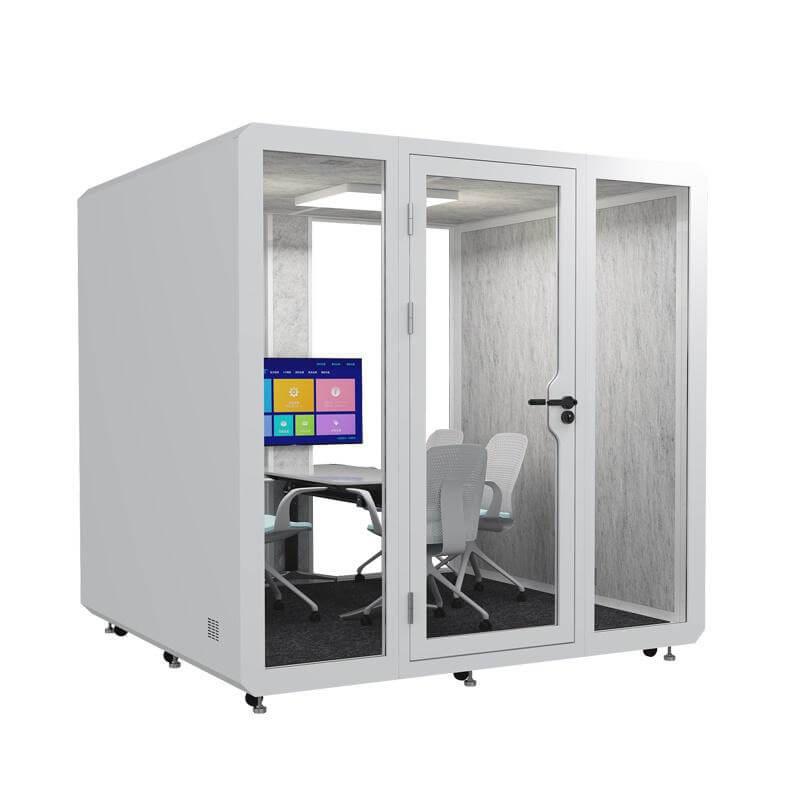
Give every intended state a name and a service purpose. One state might support an individual spoken online class, another a short two-person tutorial, and another a focused task with a particular furniture orientation. Record the exact pod, occupancy, furniture, door direction, technology, location type, booking rule, session boundary, and nearby zone expectation. Do not call two states different when only the label changes.
State definition should include exclusions. A configuration may not support confidential counselling, long silent occupation, unsupervised equipment, group work, or a mobility action that has not been reviewed. A clear exclusion protects learners from an unreliable promise and directs the activity to another approved setting. It also prevents later staff from stretching a successful trial beyond its conditions.
Separate changes users may make from changes reserved for staff or specialists. Moving a chair within an allowed range is different from rotating the pod, changing panels, altering services, replacing furniture, or modifying technology. Identify tools, isolation, lifting, competent labor, and inspections before granting local authority. An informal change should not invalidate an access route, damage a connection, or conceal a defect.
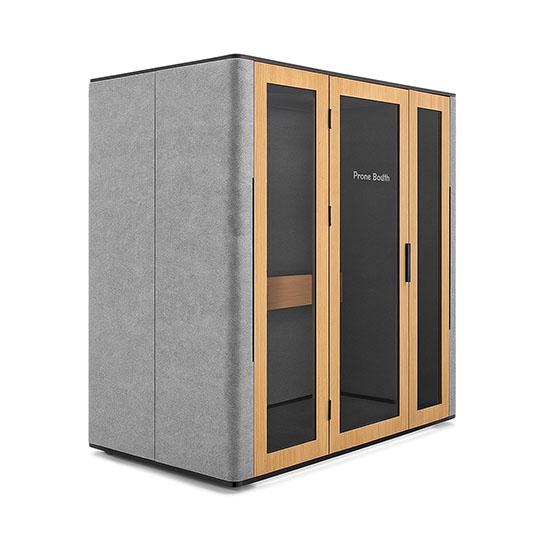
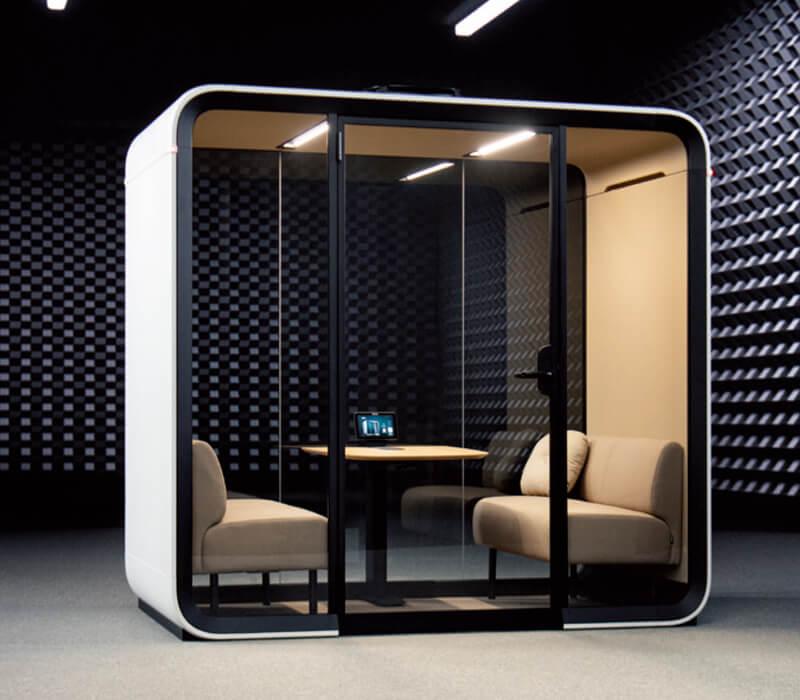
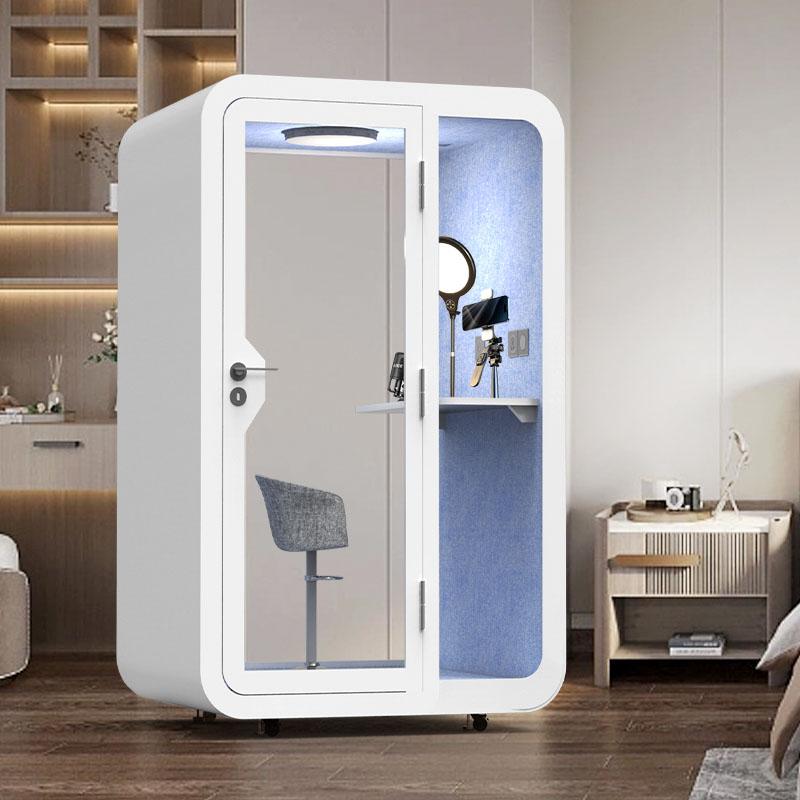
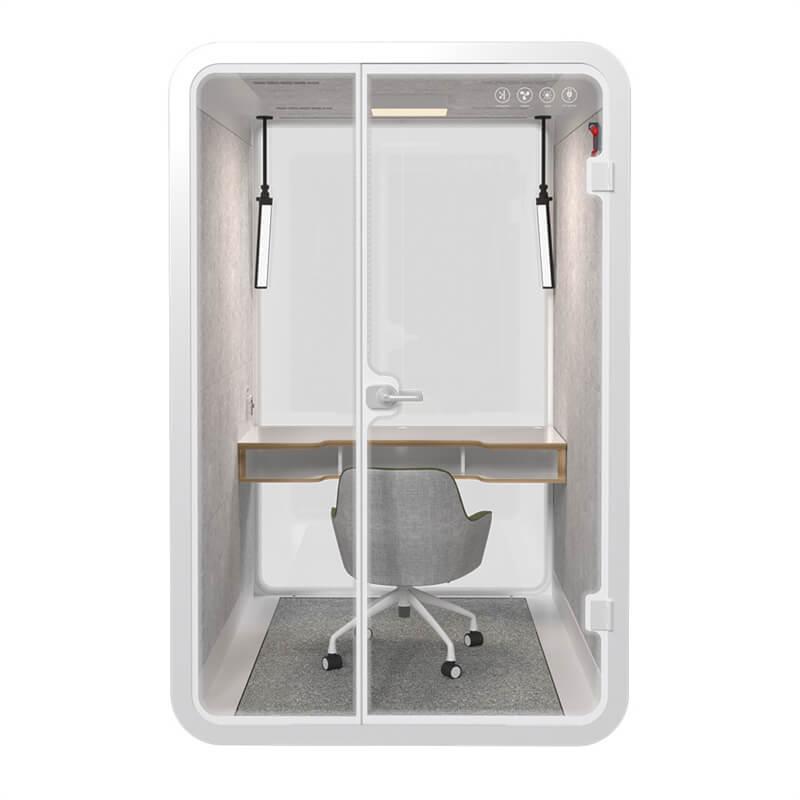
Keep the office pod configuration reference beside the state record so the name points to a real product arrangement. Include revision, options, component identity, and supplier limits. If a later procurement substitutes a model or furniture package, review affected states from the beginning rather than treating the word study pod as sufficient continuity.
A portfolio can deliberately stay small. Two dependable states may serve learners better than six arrangements that staff cannot reproduce. Start with the minimum set that solves observed service gaps, then add a state only when it has a distinct task, an owner, and evidence that the transition can be completed without degrading another approved use.
Map the change from the current accepted condition to the proposed one. Include booking closure, user communication, cleaning, removal of belongings, power or data isolation where applicable, furniture handling, component protection, movement route, storage, reconnection, inspection, system checks, signage, and release back to users. The visible rearrangement may be only a small part of the transition.
Observe who performs each action during normal library hours. Staff may be able to reset lightweight furniture but not move an enclosure, approve a new circulation relationship, or diagnose a damaged connector. Facilities, IT, accessibility reviewers, security, cleaners, and the supplier may own different parts. A transition with no available owner is not an approved flexible state.
Storage is often the hidden constraint. Spare furniture, screens, cables, fixings, protective materials, labels, and tools need a known location and condition. If they are dispersed or used elsewhere, the theoretical configuration cannot be restored reliably. Record quantity and identity without inventing a stock level; the library should verify what the exact change actually requires.
Calculate disruption as well as labor. A pod or surrounding zone may be unavailable, quiet study can be interrupted, routes can be protected, and staff attention can be diverted from users. The library should decide when a change is justified, how much notice is needed, and whether the resulting state will last long enough to offset the reset burden.
Treat reversal as a separate transition. Returning to the previous arrangement may require different checks, especially when cables, settings, furniture, or surrounding uses have changed. A reversible label is credible only after the return path is documented and witnessed. Keep defects and missing items visible rather than accepting a degraded baseline after every move.
| State transition | Change trigger | Reset and evidence route | Disposition |
|---|---|---|---|
| Individual call to tutorial | Recurring two-person demand in the same zone | Furniture, occupancy, sightline, device, booking and turnover check | Approve, specialist-only, or reject |
| Fixed orientation to alternate orientation | Listener path or access conflict | Route protection, services, operating envelope and local reviews | Release only after site recheck |
| Standard device setup to supported presentation | Documented learning activity needs shared display | Connection, cable, screen, privacy, support and fallback trial | Adopt with owner or redirect |
| Active service to maintenance state | Fault, inspection, cleaning or component work | Booking closure, isolation, signage, work record and recommissioning | Return only after functional release |
| Temporary state back to baseline | Event or timetable period ends | Inventory, condition, settings, access and nearby-zone verification | Close transition or hold defects |
A physical state does not carry its site approval automatically. Mark the operating envelope around the pod, including approach, door action, turning or transfer space where relevant, waiting, emergency route, sightlines, cleaning, ventilation interaction, power, data, and maintenance access. Recheck any item altered by orientation, furniture, screening, or location.
Library supervision and user privacy can pull in opposite directions. Staff may need to understand occupancy, faults, and support requests, while users may need protection from casual viewing or listening. Test seated and standing sightlines, indicators, approach paths, and the approved means of requesting help. Do not assume that more glazing or more screening solves every setting.
Acoustic zoning deserves a fresh review after a change. Entry activity, spoken tasks, door orientation, fan exhaust, and waiting can affect nearby quiet seats even if the pod enclosure is unchanged. Observe the listener positions that represent the zone's purpose. Move the state, change the activity, or keep a conventional room when the external disruption remains incompatible.
Services must survive the transition without improvisation. Check cables, connection strain, wireless conditions, control behavior, ventilation clearance, cleaning reach, and fault reporting. Label approved connection routes and preserve manufacturer information. A working device at the end of a move does not prove that the connection is protected or maintainable.
Local reviewers retain their responsibilities. The pod record can organize evidence, but it cannot grant building, fire, accessibility, safeguarding, electrical, or data approval. Note the specific reviews needed for each state and whether the change invalidates an earlier decision. Keep unresolved items visible as a hold, not as a footnote beneath a general pass.
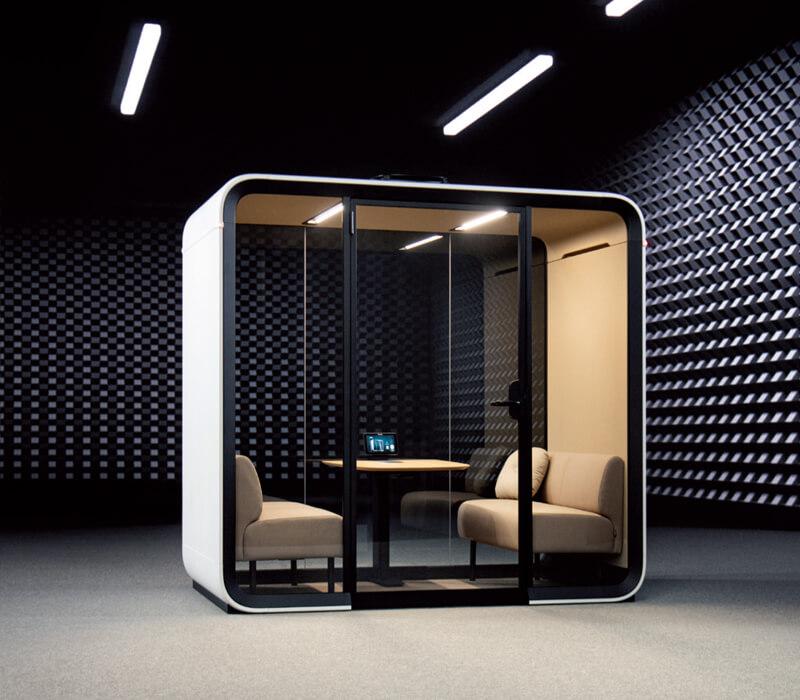
Test transitions during representative teaching periods, not only during an empty vacation week. Observe demand for the proposed state, notice required, staff time, route conflict, setup errors, support calls, cleaning, user confusion, nearby disruption, and how long the state remains useful. A frequent request may still be better served by two stable pod roles than by repeated conversion of one unit.
Measure the service outcome by task completion. Record whether learners found the state, understood its purpose, entered with normal materials, connected devices, completed the eligible activity, and left a usable condition for the next booking. Separate product defects from policy, awareness, location, or transition failures so the corrective action has a proper owner.
Use a change trigger rather than ad hoc requests. A timetable shift, recurring demand pattern, planned event, maintenance need, or sustained mismatch can justify conversion. The trigger should name who authorizes the change, which evidence is checked, how long the state will remain, and when it returns or undergoes review. This protects staff from repeated unplanned resets.
Freeze a state when the burden exceeds its value or the evidence remains incomplete. Freezing does not mean the product is permanently inflexible; it means the library has chosen a stable operating baseline until the route, storage, service, or approval issue is corrected. Preserve the blocked transition and reason so future teams do not repeat the same attempt without new evidence.
Close the pilot with a portfolio decision. Retain states that have distinct learner value, reproducible transition steps, site release, support capacity, and a reliable reset. Merge states that serve the same task, restrict specialist changes, and remove arrangements that depend on missing assets or constant staff intervention. The resulting portfolio is smaller, but its flexibility is real.
Only when daily change solves a recurring learner need and the complete reset can be performed safely, consistently, and without unreasonable disruption. Many libraries will gain more from stable roles with occasional controlled changes. Trial the cadence before writing it into normal duties.
The return state needs identified components, storage, instructions, competent owners, protected services, required inspections, and a witnessed functional release. Simply remembering the previous layout is not enough. Keep the reverse route beside the forward transition because the effort and risks may differ.
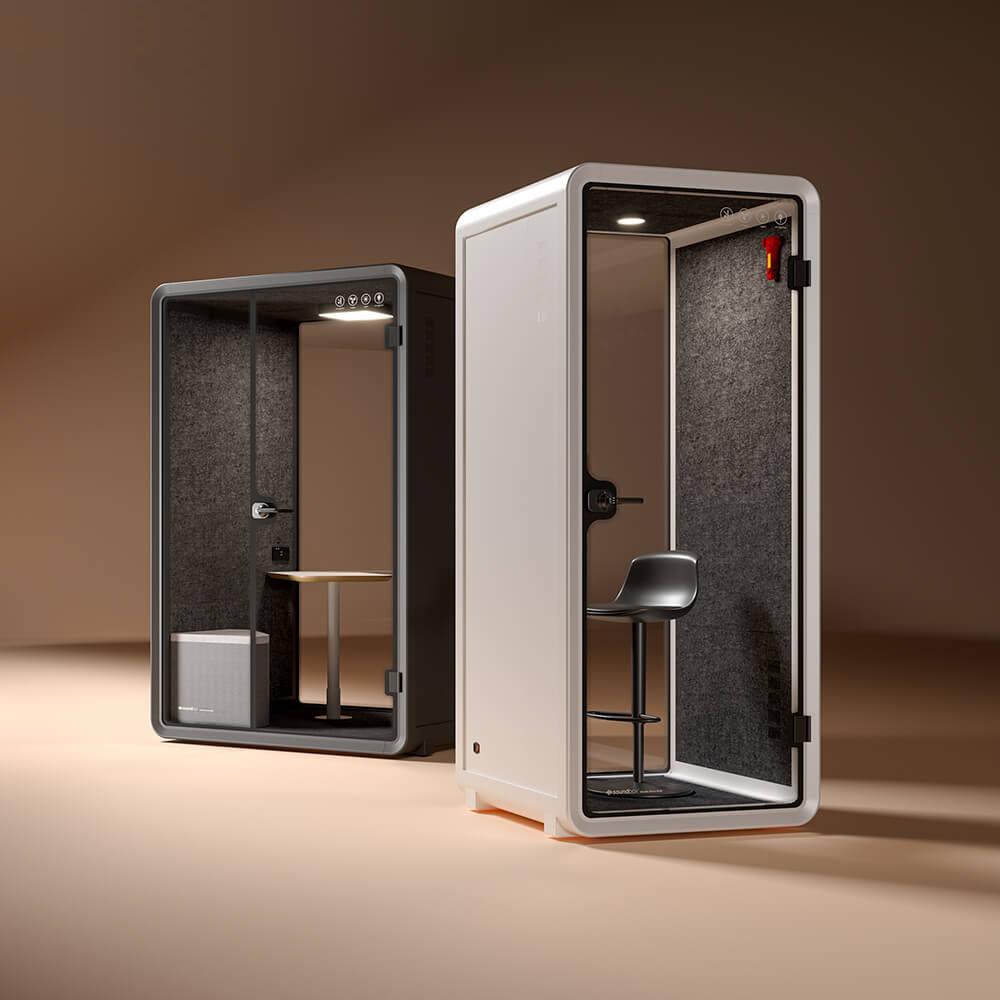
They can make only the adjustments approved for that exact configuration. The library should define safe movement, permitted range, cable and access limits, and the expected reset. Changes involving enclosure position, fixed components, services, or unreviewed occupancy belong to staff or specialists.
Keep it fixed when transition ownership, storage, route, service protection, local approval, or reset evidence is missing, or when changes repeatedly disrupt users without a distinct service benefit. A fixed baseline can be reviewed later when new evidence or resources resolve the constraint.
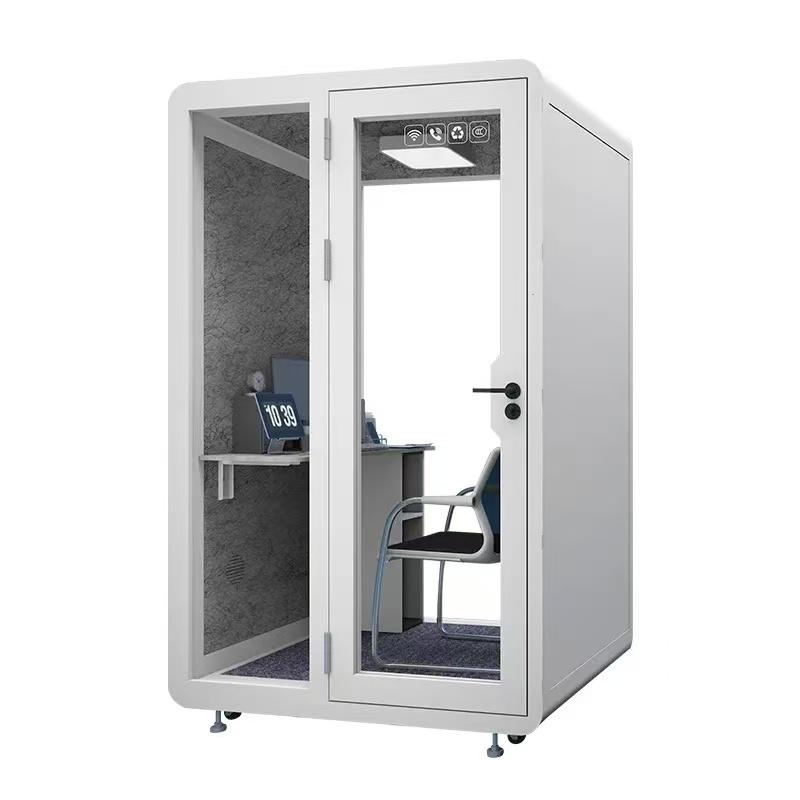
Flexible configurations in a study pods library should be judged by the route between useful states. The portfolio needs named learner tasks, exact product arrangements, change triggers, safe transitions, site release, support ownership, and a reproducible return to baseline. More layouts do not create more value when staff and users cannot depend on them.
Approve only the states the library can reset, verify, and support under normal operating conditions. Keep specialist changes controlled, freeze incomplete routes, and expand the portfolio after a representative pilot shows that a new state adds learner value without transferring an unmanaged burden to the service.

 Tel: +8613538031763
 Email: info@sopworkpod.com
 MP/WhatsApp: +8613538031763
 Manufacturer Address:Liucheng Lujiang District,Meixi Road,Nanan City,Fujian,China