

Need Help?
Please leave your contact information to get our latest catalog
Get In Touch Now >


Author:SOP Work Pods Manufacturer TIME:2026-08-28
A smart feature can be valuable and still be missing from the offer a buyer thinks they are comparing. Automatic behavior may depend on a specific model, option, sensor, controller, account, network rule, software service, region, administrator, or support arrangement. If those dependencies are not named, a feature list and a price total describe different things. That is the central risk in reviewing Framery Smart Pods across features, market demand, and pricing.
This article treats the purchase as a controlled service offer rather than a collection of impressive functions. The audit starts by fixing product and document identity. It then follows each desired feature through its physical, digital, administrative, and commercial dependencies; runs occupied smart and manual workflows; checks whether the local workplace needs the result; and normalizes all included, conditional, recurring, buyer-owned, and excluded scope.
No universal market statistic or current selling price is asserted here. Demand belongs to the buyer's observed work, and price belongs to a dated quotation for a stated configuration and destination. The useful output is a comparable offer baseline with a fallback route, support boundary, and list of unresolved questions that procurement can hold open without guessing.
Create an offer header that names the product, size or capacity, selected options, region, quantity, currency, destination, quotation date, document revisions, and any alternate line. Reconcile the title used in the quotation, drawing, technical sheet, software description, warranty, and service proposal. Similar names do not prove that the same hardware or smart functions are included.
Ask the supplier to mark every superseded or conflicting document. Keep visual marketing, demonstration video, technical statement, contractual inclusion, and buyer assumption in separate columns. A feature seen in one source becomes part of the decision only after it is tied to the exact offered configuration in writing. This baseline prevents later tests and price comparisons from drifting between products.
Set an authority order for the project file. The signed or accepted commercial documents should point to controlled technical revisions, while clarification answers should state whether they amend the offer. Undated screenshots and verbal explanations can identify a question but should not silently change scope. Record who accepted each reconciliation so handover does not inherit several competing descriptions of the same unit.
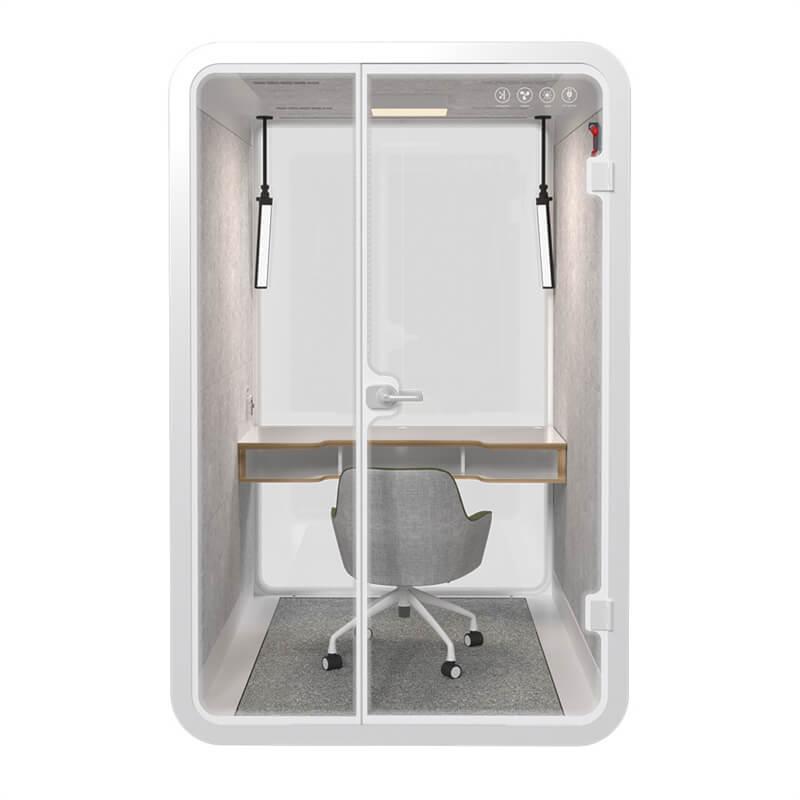
For every desired behavior, write the user outcome first. A buyer may want automatic availability, environmental adjustment, booking integration, usage information, easier support, or a consistent start sequence. Then trace what produces it: sensors, controls, firmware, software, network access, account, permissions, data handling, integrations, administrator work, updates, and physical equipment. Mark which element is included and who owns it.
Separate a standard function from an option and a demonstrated possibility from an accepted deliverable. Record prerequisites, unsupported environments, regional availability, cybersecurity review, privacy review, and what happens if an integration is delayed. The dependency chain should end in a test an ordinary user or administrator can perform, not in a feature name that cannot be verified after installation.
Add failure and change states to the chain. Ask what the user sees when a sensor, account, network path, or software service is unavailable, who receives the alert, whether the physical pod remains usable, and which data or settings survive restoration. Also ask how an update is approved and retested. Smart value depends on continued operation, not only the day-one demonstration.
| Desired outcome | Dependencies and acceptance evidence | Commercial treatment |
|---|---|---|
| Reliable smart start | Offered hardware and option, controls, software state, normal-user start trial, manual recovery | Separate included equipment from configuration, subscription, and buyer device work |
| Availability or booking behavior | Occupancy source, account, integration, permissions, privacy review, no-show and fault handling | Mark conditional integration, administrator effort, and any recurring service |
| Environmental adjustment | Sensor and control boundary, user override, occupied observation, fault state, support owner | Price the exact option and commissioning rather than assuming a branded feature is standard |
| Usage and service information | Data fields, retention, access, interpretation, update route, escalation and corrected-result evidence | Record license, security review, support scope, exclusions, and renewal exposure |
Choose representative tasks and rehearse discovery, entry, setup, environmental controls, device connection, normal use, exit, reset, fault reporting, and the next user's arrival. Run the preferred smart route first, then disable or withhold one relevant dependency and use the stated fallback. Observe instructions, delays, error states, support interventions, privacy concerns, and whether the core enclosed workspace remains usable.
A fallback is not credible because a manual control exists somewhere. The user must be able to find it, understand its effect, and continue or move the work without privileged help. Ask administrators to handle one configuration change and one fault escalation as well. Keep the exact software, account, permissions, devices, network condition, and test date attached to the result, because updates can change the route.
Separate user acceptance from administrative acceptance. A caller may complete a session while the administrator still lacks a workable route for permissions, logs, configuration, updates, or support. Conversely, a clean dashboard does not prove that the occupant can recover from a failed start. Close both records and link their open issues before calling the smart service ready.
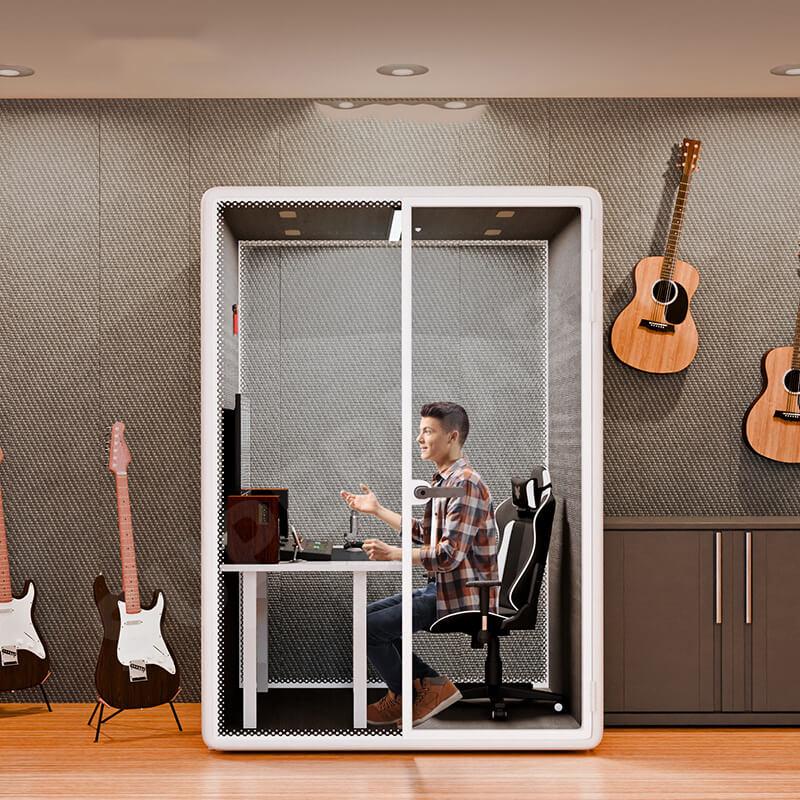
Observe the workplace problem each function is supposed to solve. If availability is the issue, record failed searches, no-shows, and occupancy confusion. If comfort control is the issue, follow representative sessions and user adjustments. If administration is the issue, document the current manual work, decision owner, and errors. A function has local value when its outcome removes a repeated friction under the conditions where the pod will operate.
Keep the enclosure demand separate from the smart-service demand. Teams may need privacy and call space while having little need for integration or usage reporting. The opposite can also occur: a sophisticated workflow may be attractive but the underlying pod role is poorly defined. Pilot the smallest configuration that can distinguish those questions, and preserve adverse findings rather than converting interest into a broad market-demand claim.
Compare offers only after the baseline and dependencies are stable. Include the pod, options, furniture, technology, licenses or subscriptions, freight, duties where applicable, delivery route, assembly, site work, power and data interfaces, configuration, account setup, integration, training, documentation, acceptance, warranty, support route, updates, parts, maintenance, relocation, and buyer-provided responsibilities. Mark provisional amounts, quantities, exclusions, and expiry conditions.
Price differences then become questions rather than conclusions. One offer may contain a service another leaves to the buyer; another may carry recurring cost or a dependency with no accepted fallback. Require a witnessed acceptance agenda for physical condition, occupied task, smart workflow, manual recovery, administration, and fault escalation. Approval covers the dated configuration and commercial boundary only. A later model, option, software revision, region, or site requires review instead of automatic transfer.
Prepare clarification questions in decision order. First resolve product identity and mandatory outcomes; then options and technical prerequisites; then site and integration responsibilities; then recurring services, warranty, support, and exclusions. Ask each answer to state the affected line, price treatment, delivery effect, and acceptance evidence. This keeps procurement from collecting useful replies that never become part of the comparable offer.
Treat support promises as executable routes. Record contact method, coverage boundary, buyer triage, information required, remote or onsite response, parts responsibility, software responsibility, escalation, temporary fallback, closure evidence, and exclusions. Avoid inventing a response time when none is offered. If the operational consequence of a fault matters to approval, request a contractual or documented boundary rather than assuming normal service will cover it.
Keep optional value separate from mandatory acceptance. A buyer may appreciate reporting, integration, or automated behavior while still requiring the enclosure, controls, privacy route, and manual operation to work without it. Pricing both layers separately exposes which outcome is worth the dependency and preserves an affordable fallback if organizational or technical readiness changes before deployment.
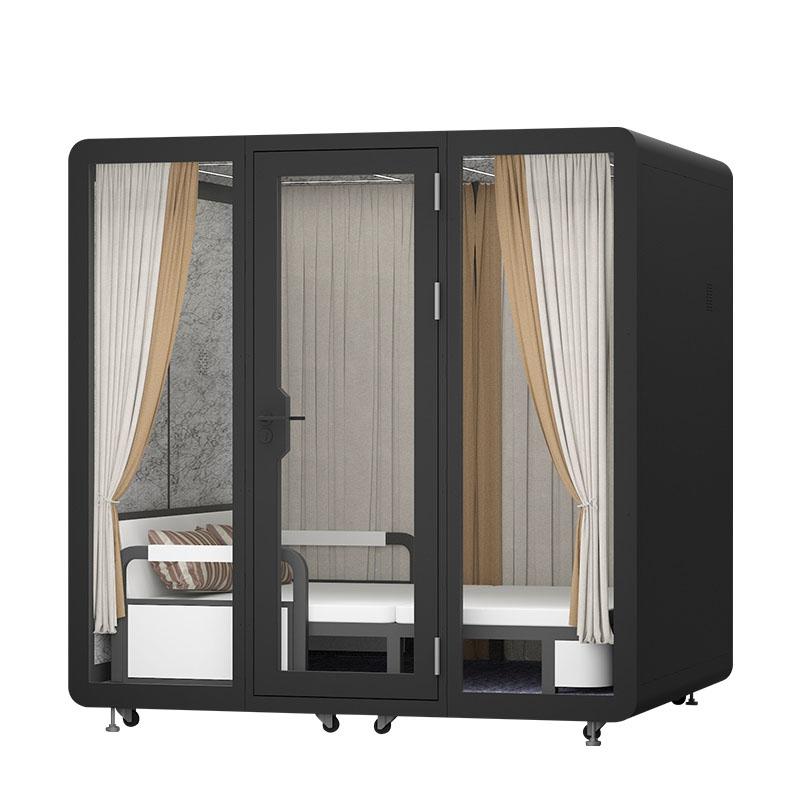
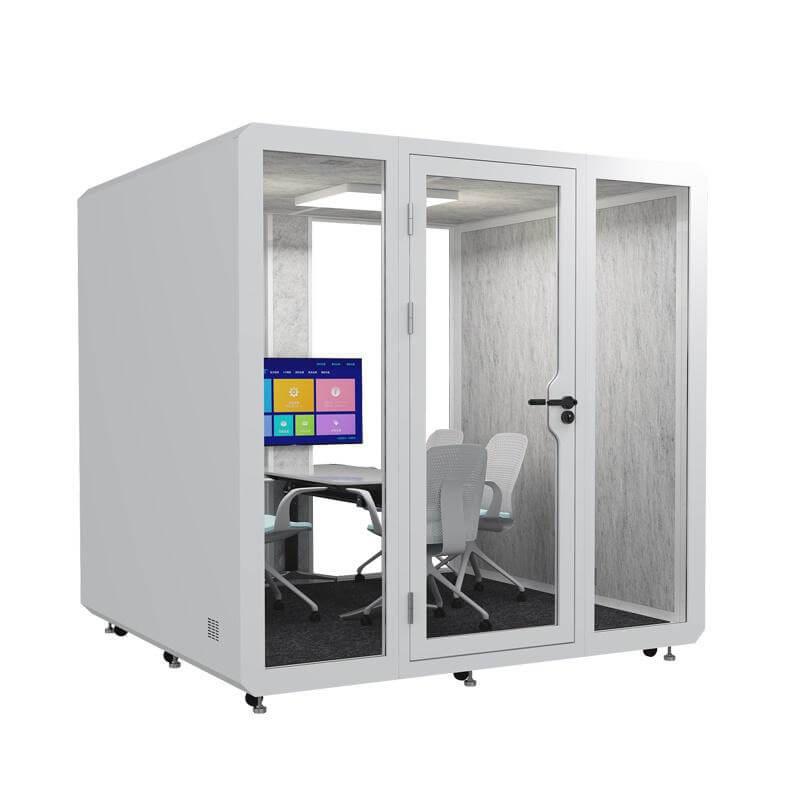
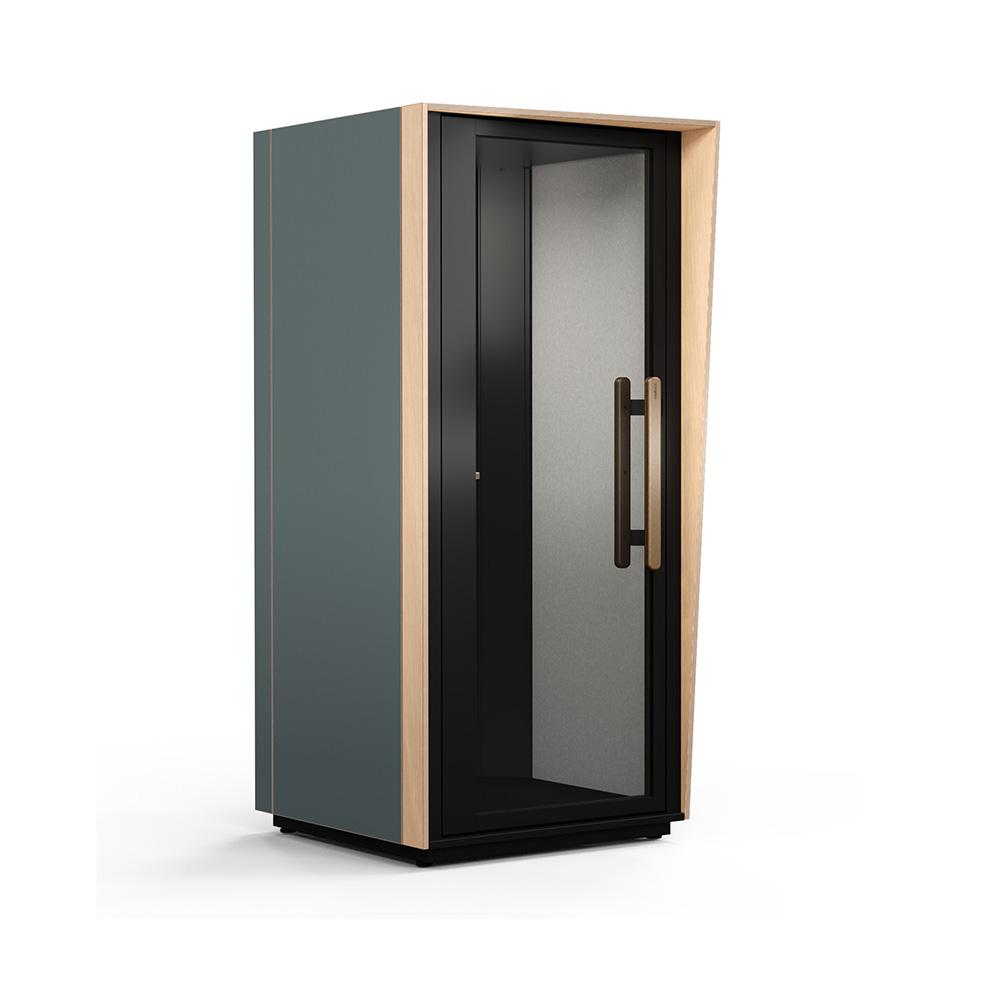
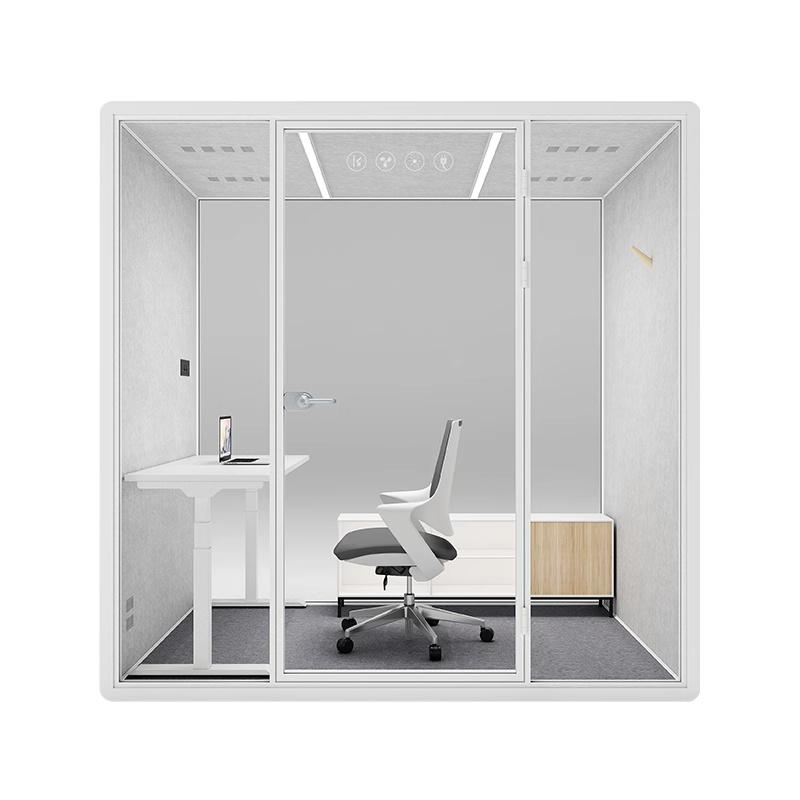
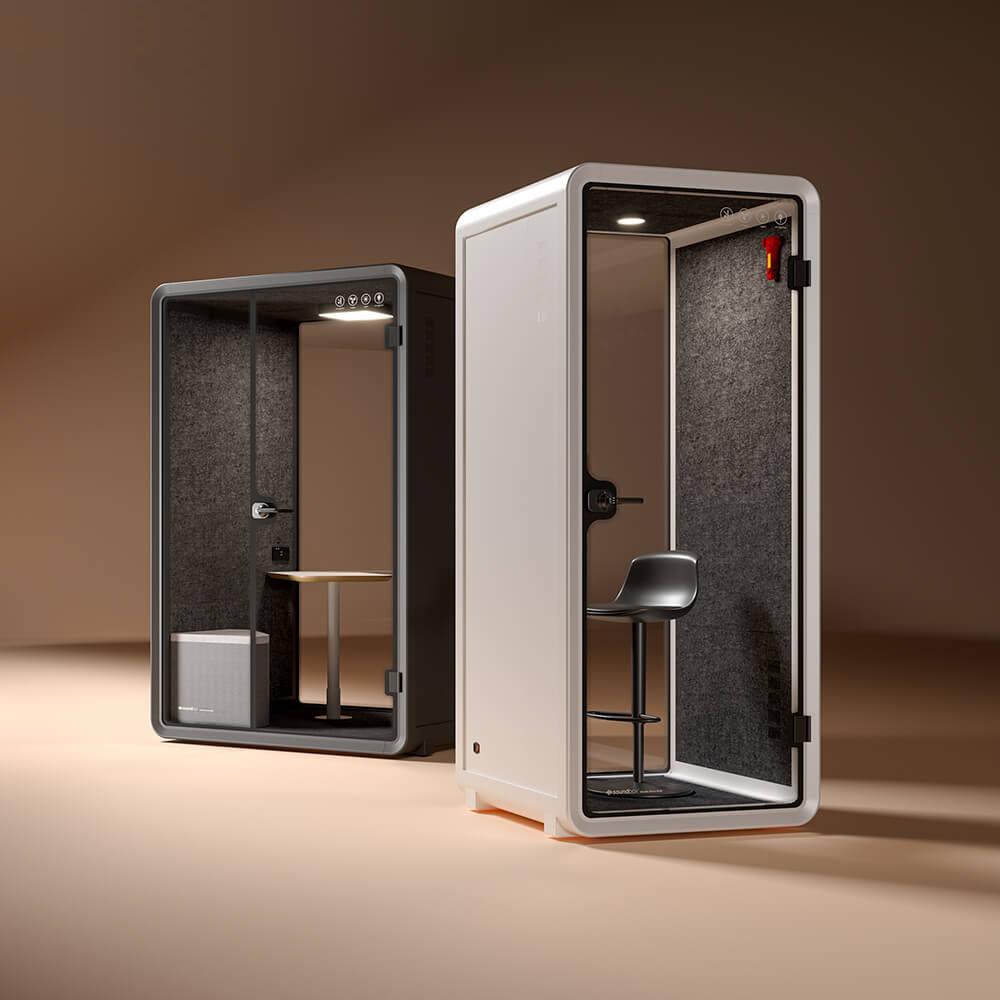
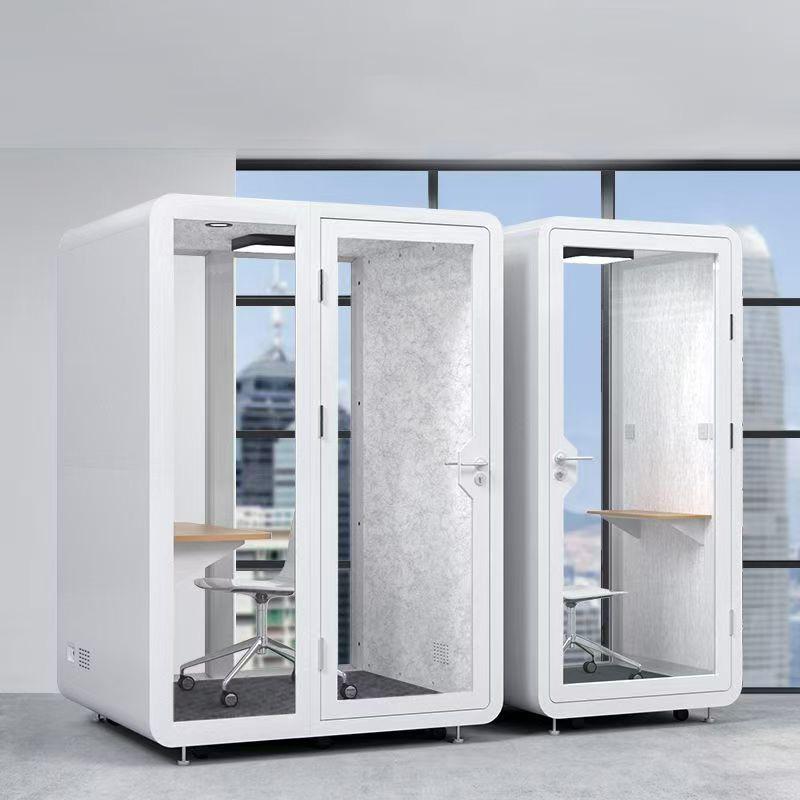
After all offer lines are normalized, the office pod range may be used to compare general enclosure configurations, while the vendor quotation remains the authority for the named smart scope.
Only the supplier's dated, reconciled offer can answer for a specific purchase. Ask it to distinguish standard equipment, selected options, demonstrated functions, software or service dependencies, subscriptions, integrations, and buyer-provided work. Cross-check the drawing, technical sheet, software description, warranty, and acceptance plan. Do not transfer a function from another model, region, video, or brochure without written confirmation.
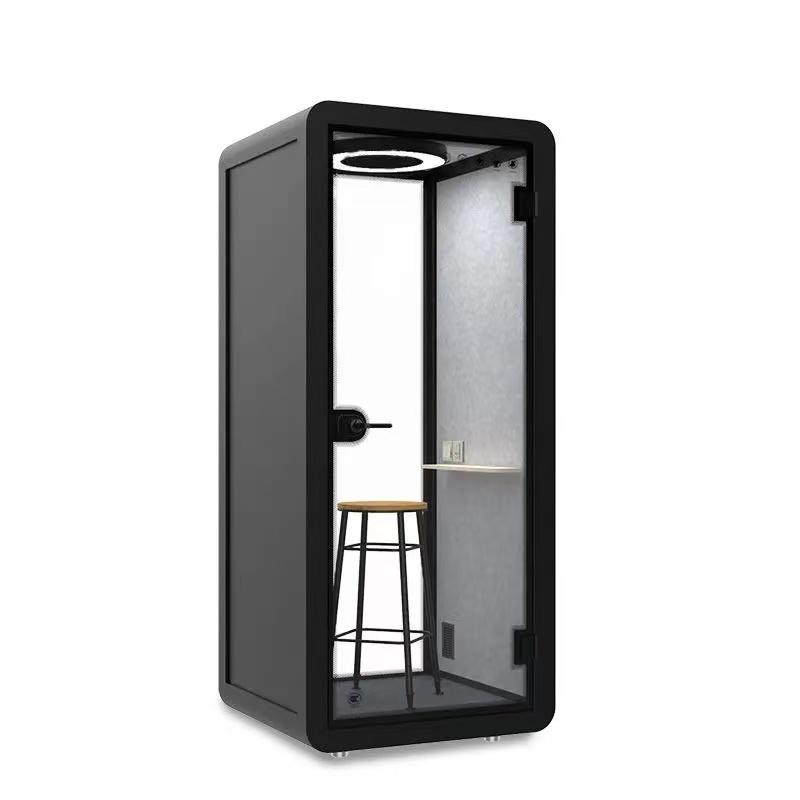
Build one common scope that includes physical configuration, options, software, recurring charges, delivery, site interfaces, setup, integrations, training, acceptance, warranty, support, updates, maintenance, and exclusions. Then ask each supplier to mark included, conditional, provisional, recurring, excluded, and buyer-owned items. Totals become comparable only after these treatments and quantities align.
The acceptance plan should already name a manual route, user communication, support owner, escalation path, response boundary, and evidence needed after correction. Test that route during the pilot. If the missing function prevents the accepted core task, hold acceptance or apply the contractual remedy; if it is optional, document the reduced service and commercial effect rather than improvising a new claim.
No. General interest cannot show whether the buyer has the relevant problem, compatible systems, administrator capacity, privacy approval, or users who will adopt the workflow. Observe the local task and current friction, then test the function's outcome. Keep market context separate from site-specific approval and avoid inventing statistics to fill an evidence gap.
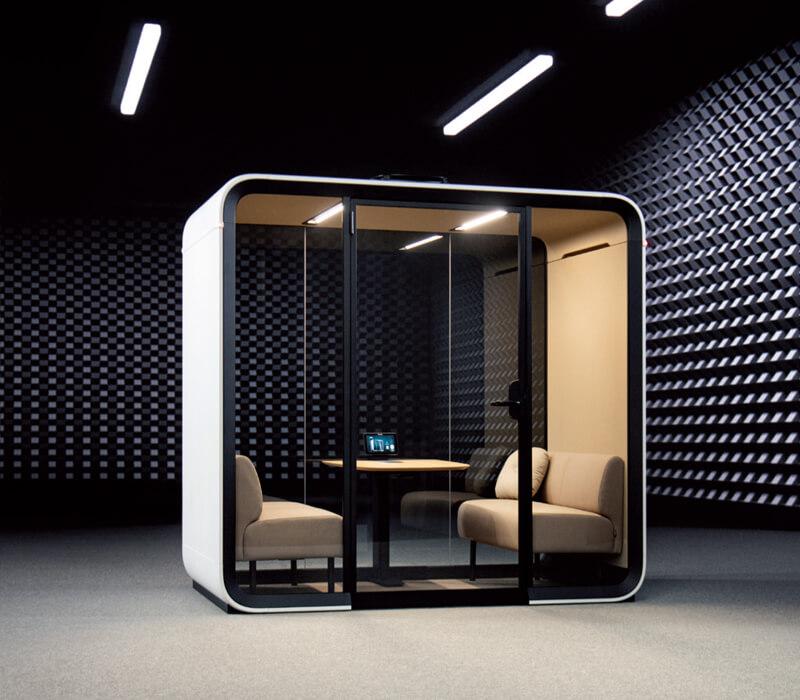
Framery Smart Pods should be assessed as exact configurations supported by dependency chains, occupied workflows, fallback behavior, local demand, and complete commercial scope. Features, market demand, and pricing become comparable only when they refer to the same model, options, digital services, region, destination, responsibilities, and acceptance evidence.
Issue written clarification questions for every unresolved dependency or price treatment, reconcile the answers into one offer baseline, and hold approval until the smart and manual routes can be witnessed. Include administrators and ordinary occupants in that acceptance because neither perspective can stand in for the other. Record the final revision and every surviving exclusion beside the signed commercial scope for future project review and retesting. The handover file should also name the account owner, update owner, support route, and evidence required after a corrected fault. That disciplined pause is more useful than a broad feature summary because it leaves procurement with an auditable service boundary, a working fallback, and no hidden assumption priced as fact.

 Tel: +8613538031763
 Email: info@sopworkpod.com
 MP/WhatsApp: +8613538031763
 Manufacturer Address:Liucheng Lujiang District,Meixi Road,Nanan City,Fujian,China