Need Help?
Please leave your contact information to get our latest catalog
Get In Touch Now >


Author:SOP Work Pods Manufacturer TIME:2026-08-28
Phone Booth Pods combine enclosure, door and seals, ventilation, lighting, controls, power, furniture, and optional communication provisions, but a feature matters only when it supports a defined task in the offered configuration. Buyers should translate catalog language into observable user and workplace outcomes without assuming one feature proves the whole pod.
Demand should also be demonstrated locally. Eligible calls, failed room searches, desk disruption, wait, fallback, duration, location, and concurrency reveal whether a booth function is needed and where. This evidence is more useful to an individual project than unsupported statements about a broad market.
The method joins feature verification, occupied use, demand measurement, placement, operation, and acceptance. It keeps exact model scope and field conditions visible so that a category description does not become an unsupported performance promise.
List private and routine calls, video sessions, interviews, short focused work, duration, speech level, devices, privacy, posture, urgency, and fallback; map enclosure, door, seals, ventilation, lighting, controls, power, furniture, technology provisions, access, and service features only where they change a stated task condition.
Apply a task and field observation matrix before approval. Build a matrix that names the requirement, offered feature, expected outcome, applicable evidence, field check, limitation, and owner. Preserve contrary observations and scope limits because feature quantity being confused with workplace utility would change the buyer conclusion.
Close "Translate every feature into an eligible task outcome" by deciding how to approve a task-linked feature requirement. The task feature entry in the feature-demand record names context, evidence, owner, correction or confirmation, retest need, limitation, and effect on the final decision.
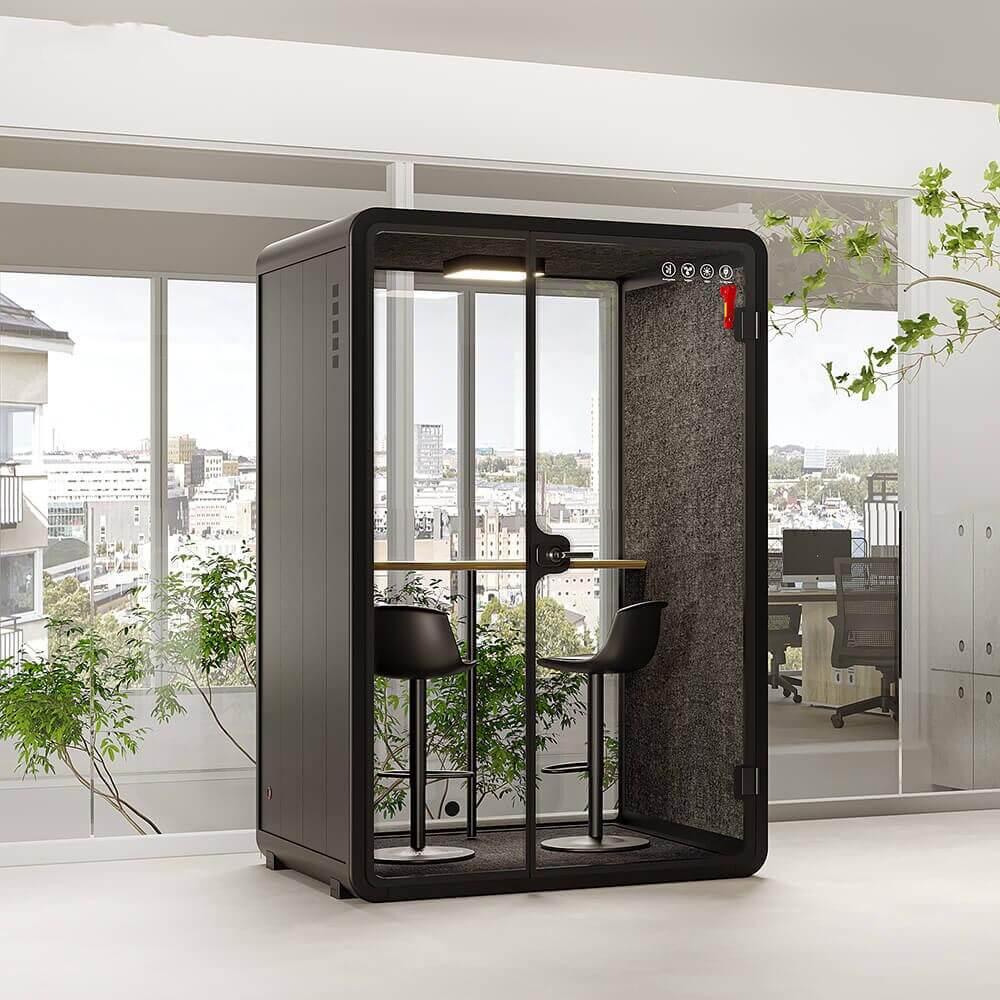
Record eligible events, time, zone, team, duration, concurrency, current room availability, failed attempts, wait, desk disruption, fallback, abandonment, policy, seasonal or organizational changes, and existing alternatives before inferring a shortage or quantity.
Apply a task and field observation matrix before approval. Observe repeated representative periods and preserve zero-demand periods as well as busy periods so the analysis can be challenged. Preserve contrary observations and scope limits because only visible queues being counted while hidden delay and unused capacity are ignored would change the buyer conclusion.
Close "Measure demand through failed work events" by deciding how to state bounded local demand. The demand evidence entry in the feature-demand record names context, evidence, owner, correction or confirmation, retest need, limitation, and effect on the final decision.
Review speaker and listener positions, surrounding activity, door, seals, joints, glazing, ventilation openings, fan state, audibility and intelligibility, airflow, temperature perception, fan sound, posture, work surface, controls, lighting, glare, equipment heat, session duration, breaks, and behavior when discomfort occurs.
Apply a task and field observation matrix before approval. Run the longest eligible task in the proposed setting and collect observations from the user, nearby listeners, and remote participant where relevant. Preserve contrary observations and scope limits because one promising subsystem masking a poor combined occupied condition would change the buyer conclusion.
Close "Test enclosure privacy ventilation and comfort together" by deciding how to release a complete use envelope. The interaction entry in the feature-demand record names context, evidence, owner, correction or confirmation, retest need, limitation, and effect on the final decision.
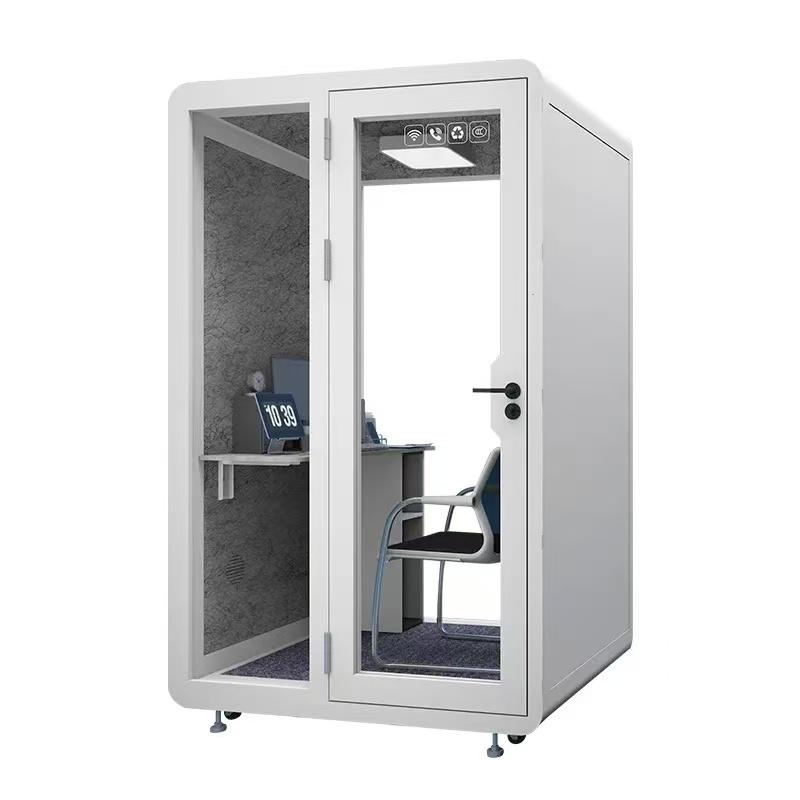
Check outlet and charging position, cables, wireless and data condition, phone and laptop fit, camera framing, microphone, loudspeaker or headset, echo, lighting, screen background, platform compatibility, controls, user-provided equipment, support, reset, remote turn-taking, and recovery after a device or connection problem.
Apply a task and field observation matrix before approval. Complete a normal call on actual workplace equipment and preserve both local and remote observations. Preserve contrary observations and scope limits because the pod being physically usable while the communication task remains unreliable would change the buyer conclusion.
Close "Verify power devices and call workflow" by deciding how to approve a supported device route. The device workflow entry in the feature-demand record names context, evidence, owner, correction or confirmation, retest need, limitation, and effect on the final decision.
Compare task origins, walking distance, discovery, quiet and active zones, intended and unintended listeners, sightlines, waiting, circulation, accessibility review, power, data, ventilation interaction, delivery, cleaning, maintenance, existing rooms, queue behavior, and the effect of one location on another team's access.
Apply a task and field observation matrix before approval. Mark candidate footprints and run a temporary demand and route trial before fixing the deployment plan. Preserve contrary observations and scope limits because an adequate feature set producing little value in the wrong location would change the buyer conclusion.
Close "Place pods where demand access and privacy agree" by deciding how to release placement and initial distribution. The location capacity entry in the feature-demand record names context, evidence, owner, correction or confirmation, retest need, limitation, and effect on the final decision.
| Observed work event | Feature and field check | Acceptance record |
|---|---|---|
| 1. Translate every feature into an eligible task outcome | Build a matrix that names the requirement, offered feature, expected outcome, applicable evidence, field check, limitation, and owner. | Approve a task-linked feature requirement |
| 2. Measure demand through failed work events | Observe repeated representative periods and preserve zero-demand periods as well as busy periods so the analysis can be challenged. | State bounded local demand |
| 3. Test enclosure privacy ventilation and comfort together | Run the longest eligible task in the proposed setting and collect observations from the user, nearby listeners, and remote participant where relevant. | Release a complete use envelope |
| 4. Verify power devices and call workflow | Complete a normal call on actual workplace equipment and preserve both local and remote observations. | Approve a supported device route |
| 5. Place pods where demand access and privacy agree | Mark candidate footprints and run a temporary demand and route trial before fixing the deployment plan. | Release placement and initial distribution |
Define walk-up or booking use, availability cue, session length, overrun, no-show, queue, etiquette, belongings, exit, reset, cleaning frequency, filters, door and seal inspection, controls, fault reporting, isolation, parts, maintenance access, downtime communication, support owner, alternatives, and recurring review.
Apply a task and field observation matrix before approval. Rehearse consecutive users and representative disruptions with facilities, cleaning, support, and workplace owners. Preserve contrary observations and scope limits because demand being met on paper while daily availability erodes would change the buyer conclusion.
Close "Account for booking turnover cleaning faults and support" by deciding how to approve sustainable operating effort. The operating effort entry in the feature-demand record names context, evidence, owner, correction or confirmation, retest need, limitation, and effect on the final decision.
Use the phone booth pods configuration page to identify the exact configuration behind the feature review. Local failed-work events, occupied call trials, placement, and operating effort still determine whether those features answer demand.
Reconcile the task-feature matrix, exact model, documents, field observations, local demand, occupied use, technology, location, quantity logic, delivery, operation, defects, corrections, limitations, owners, fallback, and the event that would trigger relocation, reconfiguration, more capacity, or removal.
Apply a task and field observation matrix before approval. Witness one full eligible work event and close every mandatory feature through applicable evidence or correction and retest. Preserve contrary observations and scope limits because purchase approval resting on either features or demand alone would change the buyer conclusion.
Close "Accept the complete feature and demand proposition" by deciding how to sign off a measured deployment case. The feature demand acceptance entry in the feature-demand record names context, evidence, owner, correction or confirmation, retest need, limitation, and effect on the final decision.
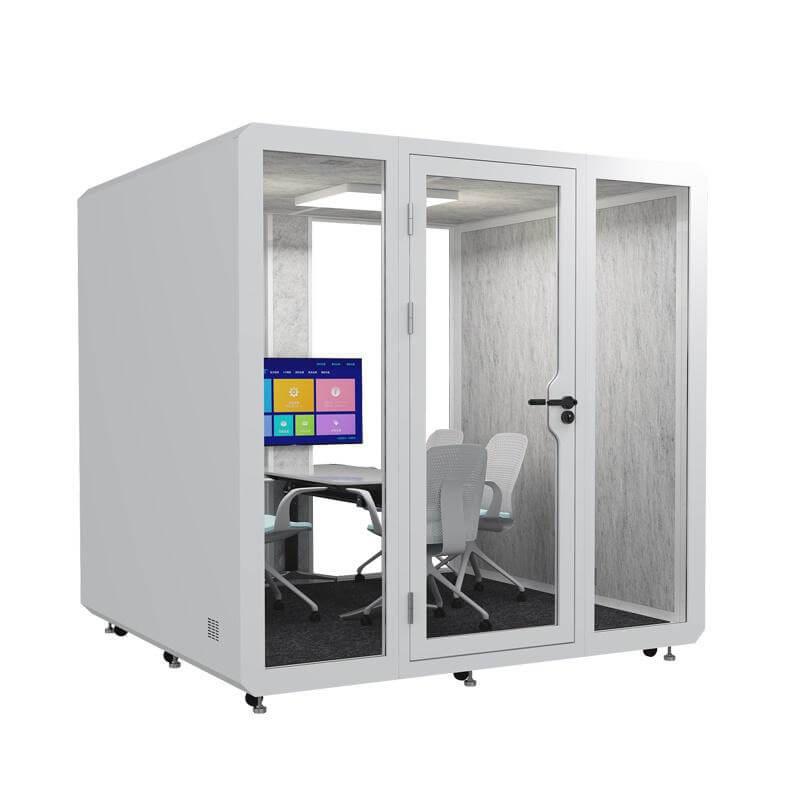
Answer from the feature-demand record: Build a matrix that names the requirement, offered feature, expected outcome, applicable evidence, field check, limitation, and owner. Interpret it with this condition: List private and routine calls, video sessions, interviews, short focused work, duration, speech level, devices, privacy, posture, urgency, and fallback; map enclosure, door, seals, ventilation, lighting, controls, power, furniture, technology provisions, access, and service features only where they change a stated task condition. Keep the conclusion conditional while feature quantity being confused with workplace utility remains possible.
Answer from the feature-demand record: Observe repeated representative periods and preserve zero-demand periods as well as busy periods so the analysis can be challenged. Interpret it with this condition: Record eligible events, time, zone, team, duration, concurrency, current room availability, failed attempts, wait, desk disruption, fallback, abandonment, policy, seasonal or organizational changes, and existing alternatives before inferring a shortage or quantity. Keep the conclusion conditional while only visible queues being counted while hidden delay and unused capacity are ignored remains possible.
Answer from the feature-demand record: Run the longest eligible task in the proposed setting and collect observations from the user, nearby listeners, and remote participant where relevant. Interpret it with this condition: Review speaker and listener positions, surrounding activity, door, seals, joints, glazing, ventilation openings, fan state, audibility and intelligibility, airflow, temperature perception, fan sound, posture, work surface, controls, lighting, glare, equipment heat, session duration, breaks, and behavior when discomfort occurs. Keep the conclusion conditional while one promising subsystem masking a poor combined occupied condition remains possible.
Answer from the feature-demand record: Complete a normal call on actual workplace equipment and preserve both local and remote observations. Interpret it with this condition: Check outlet and charging position, cables, wireless and data condition, phone and laptop fit, camera framing, microphone, loudspeaker or headset, echo, lighting, screen background, platform compatibility, controls, user-provided equipment, support, reset, remote turn-taking, and recovery after a device or connection problem. Keep the conclusion conditional while the pod being physically usable while the communication task remains unreliable remains possible.
Additional review: which operating effort should be included before rollout.
Answer from the feature-demand record: Mark candidate footprints and run a temporary demand and route trial before fixing the deployment plan. Interpret it with this condition: Compare task origins, walking distance, discovery, quiet and active zones, intended and unintended listeners, sightlines, waiting, circulation, accessibility review, power, data, ventilation interaction, delivery, cleaning, maintenance, existing rooms, queue behavior, and the effect of one location on another team's access. Keep the conclusion conditional while an adequate feature set producing little value in the wrong location remains possible.
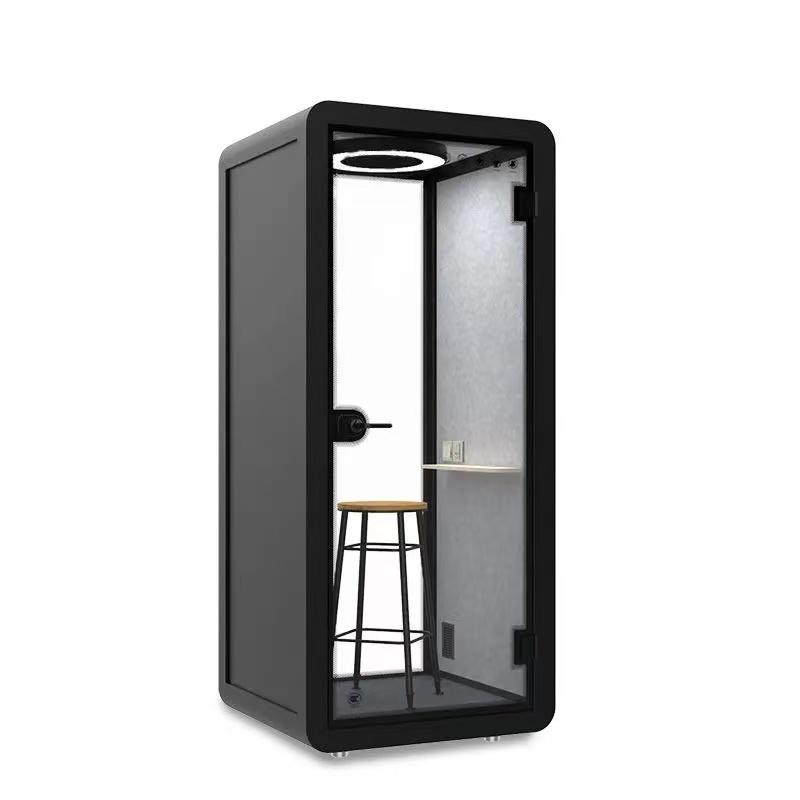
Functional features and demand belong in one decision. The buyer needs a repeated workplace task, a feature that can support it, evidence applicable to the exact pod, a workable occupied condition, a suitable location, and an operating route that preserves availability. The final approval record should pair every retained feature with a recurring work event, a field observation, a limitation, and a named operating owner.
Buy functions that solve measured workplace demand. Preserve the task-feature matrix, local observations, model evidence, user trial, placement logic, service effort, limitations, acceptance, and review trigger instead of treating a feature count as value.

 Tel: +8613538031763
 Email: info@sopworkpod.com
 MP/WhatsApp: +8613538031763
 Manufacturer Address:Liucheng Lujiang District,Meixi Road,Nanan City,Fujian,China