Need Help?
Please leave your contact information to get our latest catalog
Get In Touch Now >


Author:SOP Work Pods Manufacturer TIME:2026-08-28
A hybrid meeting can fail even when the people inside a new pod like the enclosure. The remote participant may see only one person, hear reflected speech, lose shared content, or wait while someone searches for a cable. Meanwhile, another team may be queuing for the same pod because the office never decided which sessions belonged there. Those are service failures, not decorative details. They show why soundproof pods for offices need a release route that joins workplace demand, the installed enclosure, hybrid technology, and daily ownership.
The title promises three essential steps. In practical terms, those steps are define, commission, and govern. Define the eligible sessions and the locations that can serve them. Commission the delivered pod with the actual devices, network, remote participants, and longest normal session. Govern booking, reset, faults, support, and later quantity decisions after novelty has worn off. A project can pause at any gate; delivery alone does not prove hybrid readiness.
The output of this article is a release record. It gives facilities, workplace, IT, procurement, users, and the supplier separate evidence to own. It also protects the scale decision from a familiar mistake: counting installed units while ignoring whether mixed-presence work can reliably start, continue, and hand over to the next user.
Begin with the meeting moments that are currently difficult. Separate solo video calls, two-person reviews, interviews, client conversations, project check-ins, content-sharing sessions, and overflow from meetings that still need a conventional room. For each type, record who is onsite, who is remote, expected duration, privacy need, screens or documents in use, and the fallback people choose when suitable space is unavailable. The charter should exclude work that a pod cannot reasonably support, rather than turning every room shortage into pod demand.
Ask remote colleagues what makes a session usable from their side. Camera framing, microphone pickup, turn-taking, content visibility, delay, background activity, and the ability to interrupt naturally may matter more than the enclosure's showroom impression. Attach those remote conditions to the session type. A location or configuration is eligible only when it can support that whole exchange, not merely seat the onsite participants.
Give each charter line an owner and an acceptance question. Workplace teams can define the session, IT can define the supported connection, facilities can define site and enclosure boundaries, and users can describe the task. Procurement should retain exclusions and dependencies in the offer. This division prevents one enthusiastic demonstration from silently answering questions that belong to several teams.
Next, map eligible sessions to the periods and zones where they occur. Headcount and hybrid policy are weak substitutes for observed overlap. A modest office can have a severe shortage near sales or HR while another floor has unused rooms. Record concurrent attempts, failed searches, walking distance, urgency, existing-room availability, and the effect of taking a call at a desk. Mark uncertainty when the observation window misses seasonal, event, or attendance changes.
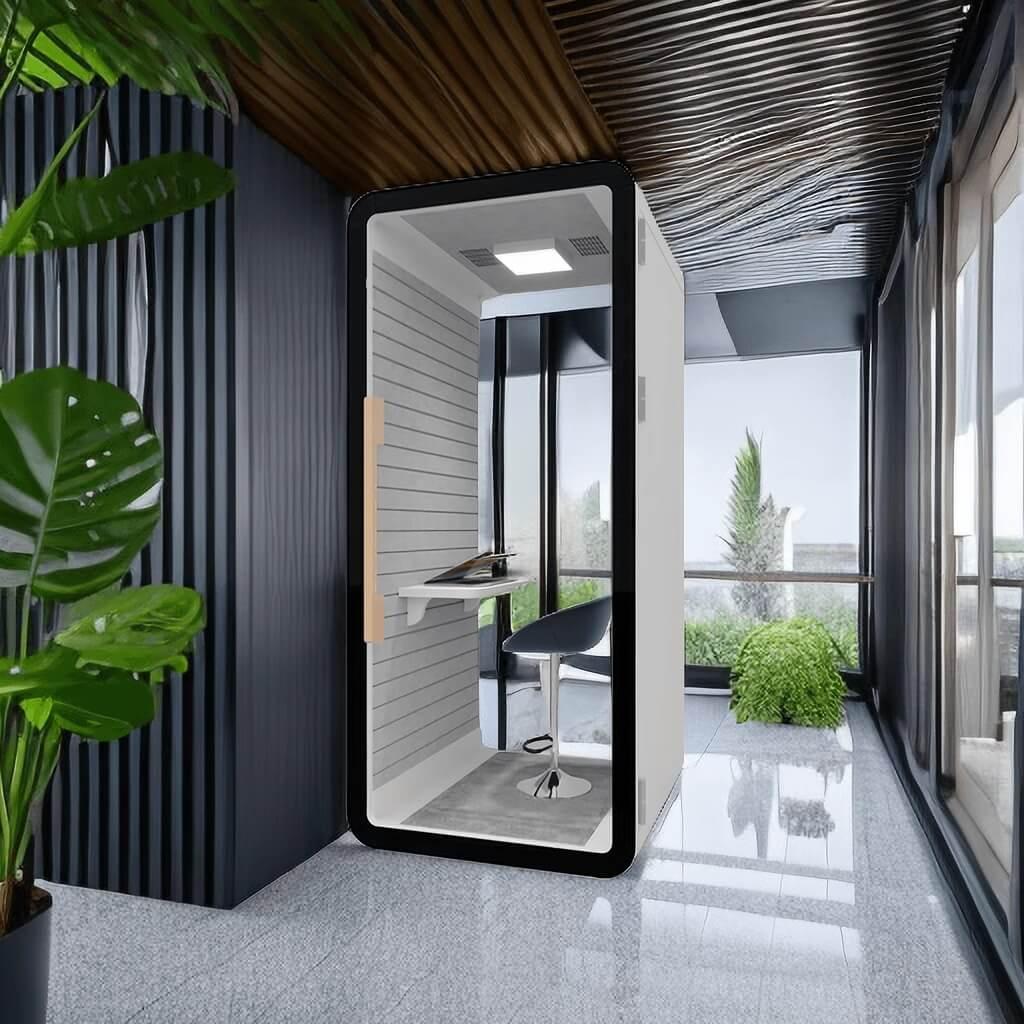
Candidate positions must also survive the access route. Check footprint, door approach, circulation, accessibility, delivery route, floor condition, power, data, wireless coverage, and the relationship with nearby work. A quantity that looks sufficient in a spreadsheet can fail if the pods are hard to find, too far from the demand, or placed where queues and conversations disturb adjacent desks. Release a provisional capacity and site map only when both demand and access evidence agree.
| Release gate | Evidence that must exist | Owner and stop condition |
|---|---|---|
| Define | Eligible session charter, peak zone observation, failed-search record, site and access map | Workplace and facilities stop the route when demand or location remains assumed |
| Commission | Delivered baseline, listener observations, remote-participant trial, occupied duration and turnover | IT and facilities stop acceptance when the actual configuration or signal path is incomplete |
| Govern | Booking behavior, support and fault trail, reset evidence, commercial boundary, repeated-use review | Operations and procurement stop expansion until corrections and ownership are closed |
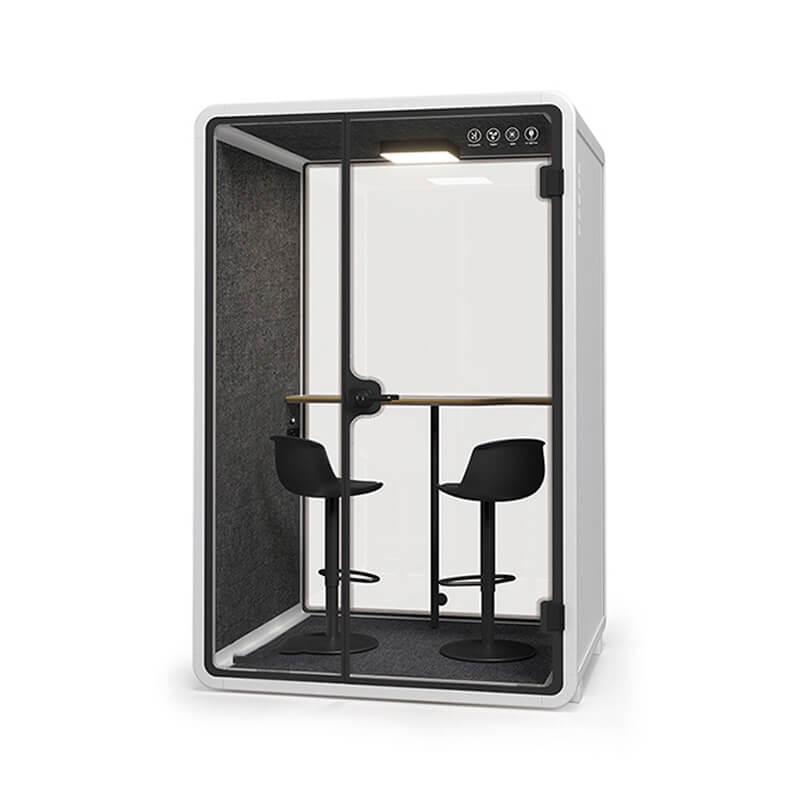
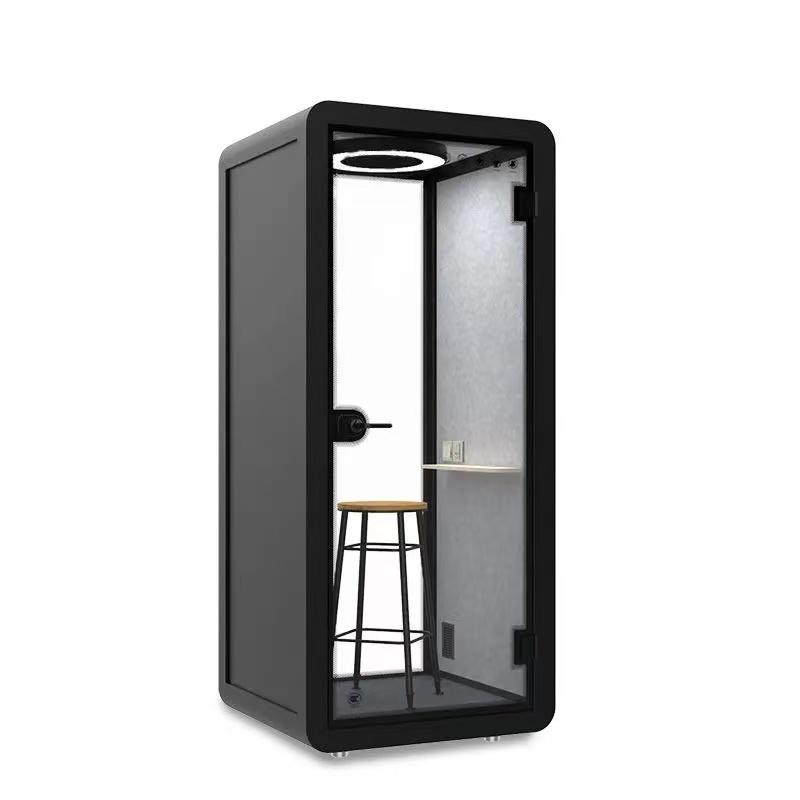
Commissioning needs an exact physical baseline. Record the delivered model, selected options, furniture, glazing, panels, seals, door operation, openings, ventilation, fan controls, lighting, power, data interfaces, visible damage, and buyer-provided work. Reconcile these items with the accepted offer and drawing. If a component, service, or site interface differs, describe the change before testing so the result is not transferred to an untested configuration.
Use practical source-path-listener checks around the final position. Listen at nearby desks, circulation routes, and any sensitive work area while representative speech occurs inside with the door and ventilation in their intended state. The aim is not to manufacture a universal acoustic claim. It is to state where this installed unit supports the chartered sessions, where speech concern remains, and which correction or operating limit must be carried into handover.
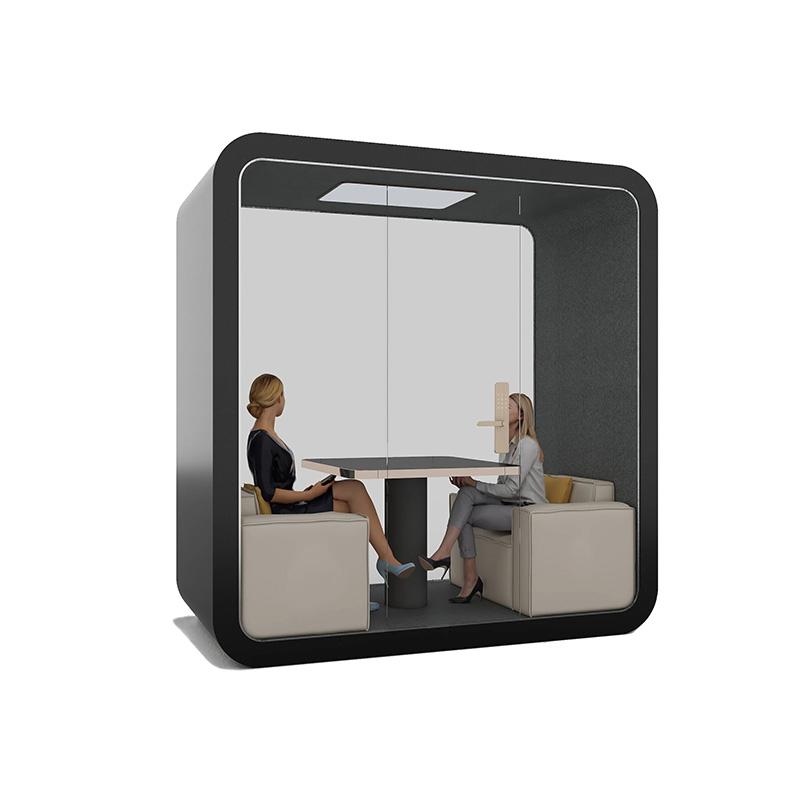
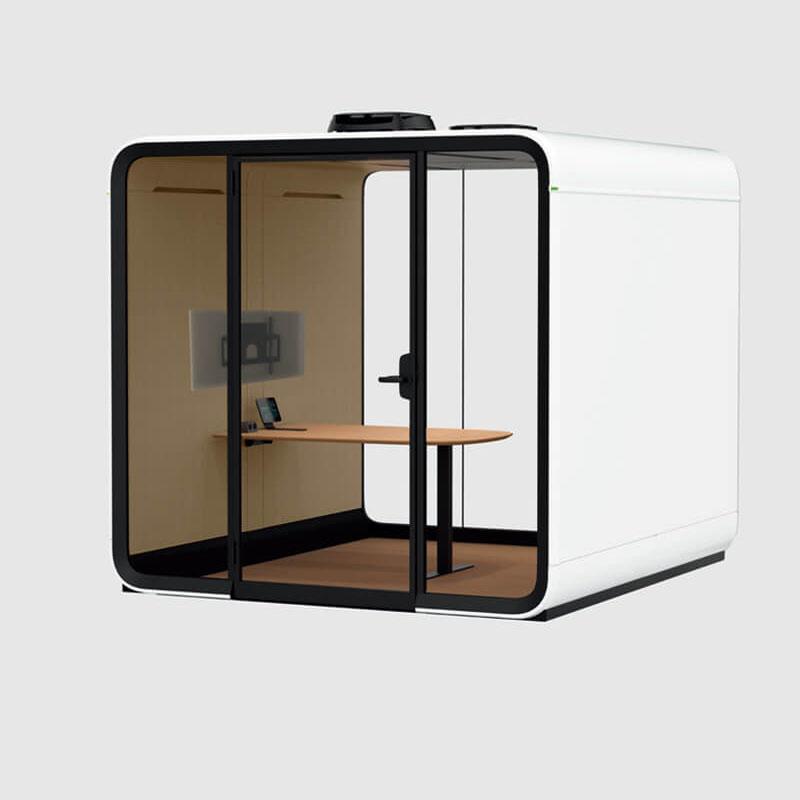
Once the delivered boundary is written, the soundproof office pod configurations can be reviewed for configuration context; the page does not replace the site or remote-participant record.
Run the accepted meeting types with normal laptops, phones, platforms, identities, and network conditions. Check camera framing, eye line, microphone pickup, loudspeaker clarity, echo behavior, content sharing, screen visibility, lighting, glare, cable reach, sign-in, and the steps needed to recover from a common connection problem. The remote participant should report what changed when someone turns, speaks quietly, shares a document, or another person enters.
Keep setup time and support interventions in the record. A route that works only after an installer arranges every device is not yet a repeatable office service. Decide which equipment stays with the pod, what users bring, who owns updates, and where the fallback meeting moves when the preferred platform or connection fails. Release the signal chain only after an ordinary user can start it and a remote participant can complete the agenda without hidden assistance.
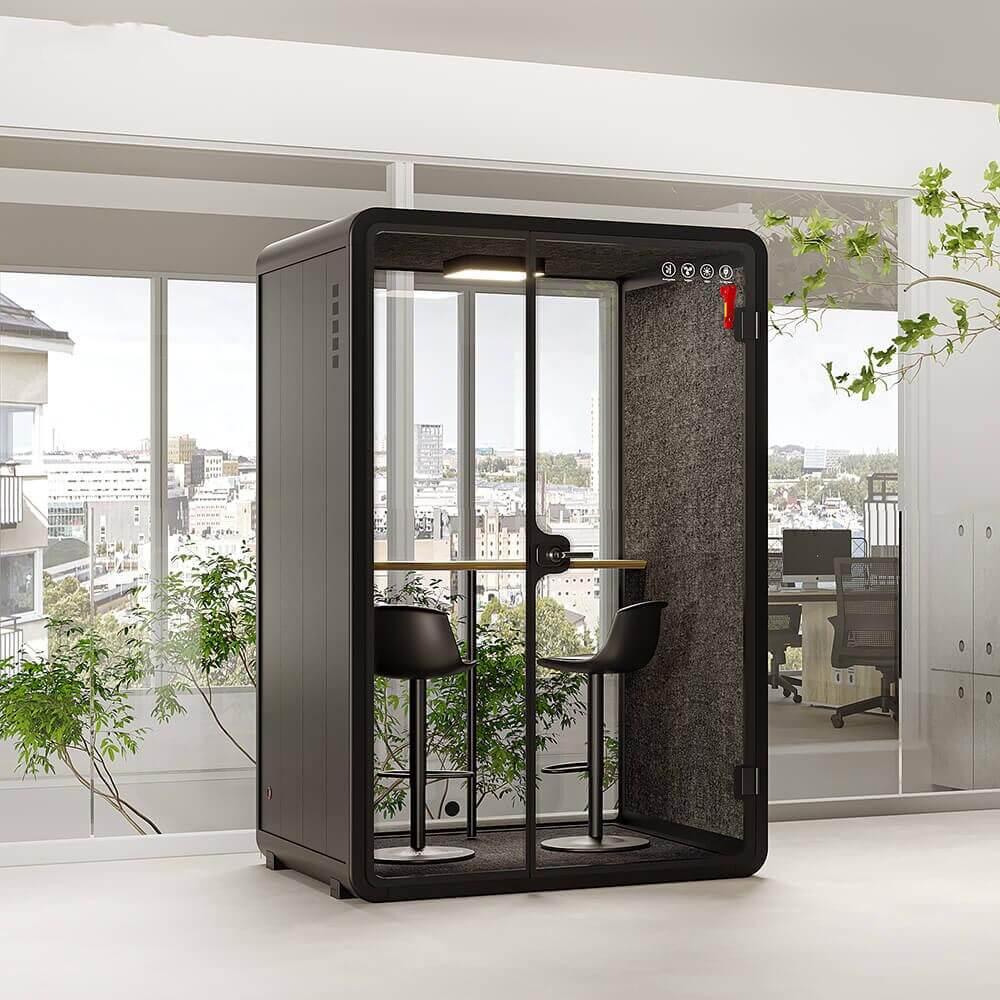
A short technical demonstration misses the condition that often changes acceptance. Hold the longest normal eligible session at intended occupancy. Observe posture, table and screen reach, movement, airflow, temperature perception, fan sound, speech effort, lighting, device heat, control changes, door opening, and any early exit. Record the duration and room conditions rather than converting comfort into a universal statement.
Continue into the handover. Note overrun, belongings, cables, logout, furniture reset, cleaning need, occupancy indication, ventilation recovery, and what the next user must correct. The practical capacity of a pod includes this unavailable time. Approve duration and turnover limits that match the observed route, and assign an owner for defects that prevent the next booking from starting normally.
Stage three begins after familiarization. Track how people discover the pods, whether they book or walk up, which labels they understand, what happens during overruns, and where they go after a failed attempt. Keep no-shows, misuse, open-door calls, remote complaints, connection requests, cleaning reports, and hardware faults separate. Each pattern has a different correction and should not be hidden inside a single utilization number.
Name the first response route for workplace policy, IT, facilities, cleaning, and supplier service. Users should know how to report a fault without abandoning the record, while owners need a priority, fallback, closure evidence, and retest trigger. Booking data can show occupied time, but observation explains whether the pod served the intended hybrid task. Use both before describing adoption as successful.
Review service evidence by cause and consequence. A brief lighting fault, repeated audio setup failure, blocked door, and privacy complaint should not disappear inside the same incident count. Record the affected session, lost time, fallback, owner, correction, and confirmation. The scale review can then distinguish ordinary support load from a defect that makes an eligible meeting route unreliable.
Bring the session charter, zone demand, remote experience, privacy limits, comfort record, booking behavior, faults, support effort, maintenance condition, and complete commercial scope into one review. Separate a location problem from a product problem and a policy problem from a capacity shortage. Relocation, changed labels, added equipment, user guidance, or correction may be more appropriate than buying another unit.
Set a review window long enough to include repeated use and normal office variation. Scale only the configuration, role, and location logic that survived the pilot. Preserve unresolved findings and changes in attendance or room supply, because they may reverse the quantity decision. A staged release remains reversible: retain, correct, relocate, observe longer, or stop are all valid outcomes when they follow the evidence.
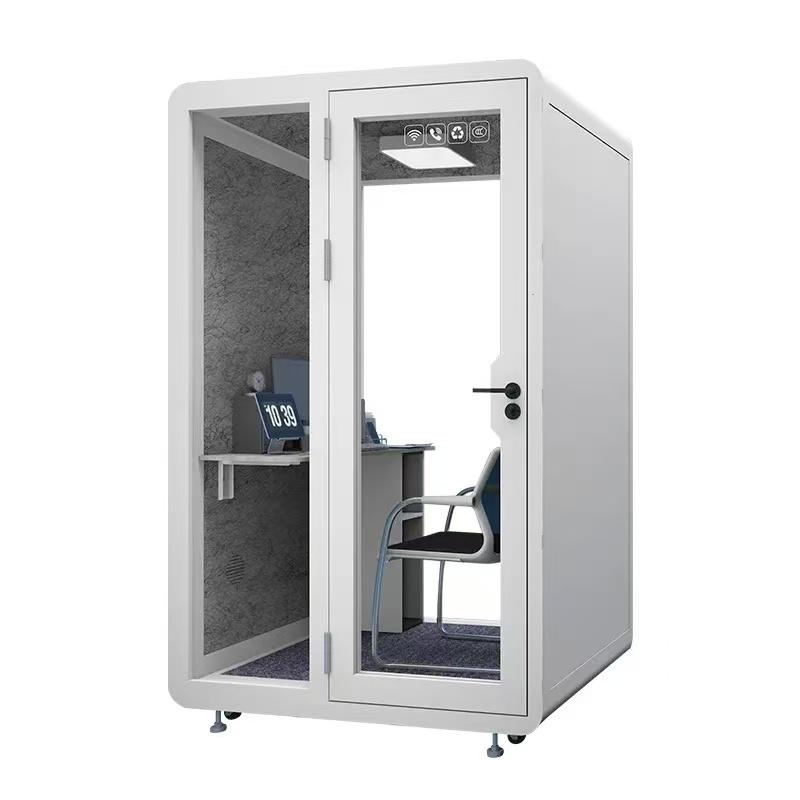
Keep out sessions whose occupancy, movement, equipment, document handling, privacy boundary, accessibility, or duration exceeds the accepted configuration. Workshops needing wall display, meetings with frequent entrants, or groups that cannot interact naturally may still belong in a conventional room. Write these exclusions in the session charter so staff do not treat an available pod as suitable for every shortage.
Use people who normally join the chartered meetings from realistic devices and network conditions. They should comment on framing, pickup, echo, shared content, turn-taking, and recovery after a disruption. An onsite observer cannot fully represent this experience. Keep the remote observation beside the exact platform, device, room position, occupancy, and test agenda.
No. Booking may include no-shows, overruns, unsuitable uses, blocked faulty units, and sessions that would work better elsewhere. Combine it with failed searches, observed fallbacks, zone demand, turnover, support records, and accepted session types. Expansion is justified when unmet eligible demand remains after correctable location, labeling, policy, and service problems are addressed.
Trigger review after users have repeated the normal sessions and the team has collected remote experience, booking failures, comfort limits, faults, reset issues, and support effort. Also reopen it after relocation, equipment change, network change, room-portfolio change, or a material shift in attendance. The review should end with retain, correct, relocate, extend observation, scale, or stop.
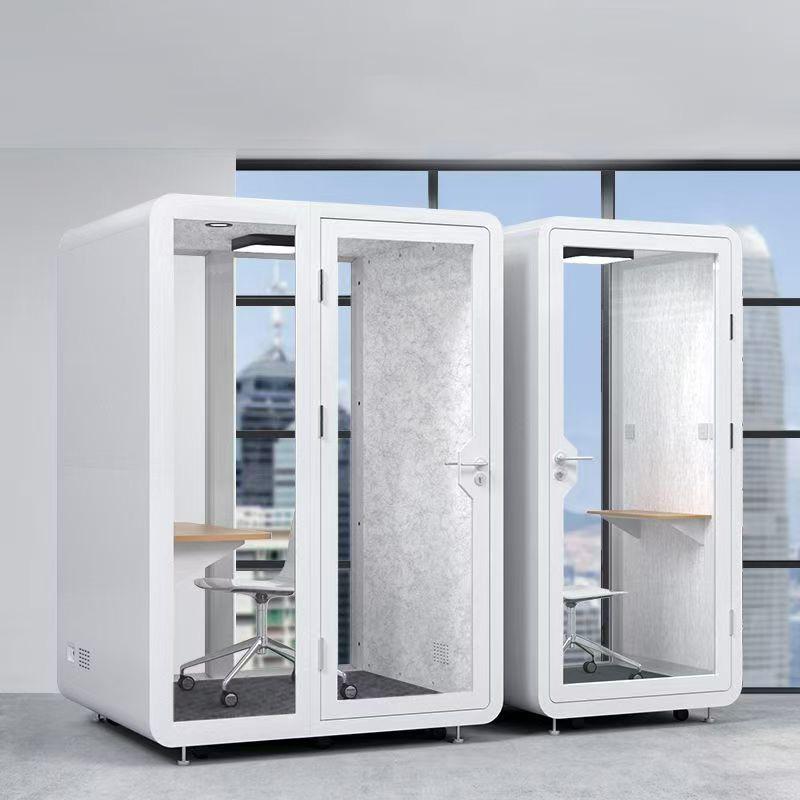
The three essential steps are not purchase, delivery, and announcement. They are define the hybrid work assigned to the pods, commission the complete installed and remote meeting route, and govern repeated use as an owned service. This sequence makes soundproof pods for offices useful only where demand, technology, occupied comfort, privacy, access, and daily operation meet the same release condition.
Convene a cross-functional review after a defined operating period, using the charter and ledger rather than general enthusiasm. Close faults, preserve limits, and scale only the role and configuration that users and remote participants can repeat. The practical next step is a dated release meeting with named owners, not an automatic order for the next unit. When a candidate role is ready for comparison, send the session charter, expected occupancy, room dimensions, device route, and site constraints through the existing inquiry or WhatsApp contact so the available meeting-pod configuration can be checked against the same release record.

 Tel: +8613538031763
 Email: info@sopworkpod.com
 MP/WhatsApp: +8613538031763
 Manufacturer Address:Liucheng Lujiang District,Meixi Road,Nanan City,Fujian,China