
Need Help?
Please leave your contact information to get our latest catalog
Get In Touch Now >


Author:SOP Work Pods Manufacturer TIME:2026-08-28
Whether a Soundproof Office Pod is worth the investment cannot be answered from unit price or a list of benefits. An investment committee needs a recurring workplace constraint, credible alternatives, a complete installed scope, an operating owner and evidence that the proposed pod can handle the assigned task. Without those items, the decision is a preference rather than an appraisal.
The useful comparison is staged. First confirm that the problem repeats and matters. Then test lower-disruption options against the same requirement. Only after that should the team normalize supplier offers, expose site and lifecycle costs, and decide whether a reversible pilot is justified. A first unit and a wider rollout are separate authorizations because they rely on different evidence.
This appraisal does not calculate invented savings or productivity returns. It creates gates that finance, facilities, IT and workplace owners can close with their own records. Worth is established when the complete commitment is proportionate to an evidenced constraint and the unresolved risks are small enough for the next stage.
Establish the recurring workplace constraint
This point opens the capital decision ledger by isolating "Establish the recurring workplace constraint" from the rest of the purchase decision. Define exposed calls, room shortage, distraction, confidential meetings, hybrid quality, construction limits, lease change, schedule disruption, affected teams, frequency, duration, fallback, and consequences without inventing benefit values. Within the stage-gated investment appraisal: keep the finding attached to the quoted configuration and the stated use; it is not authority for another model or floor.
The stage-gated investment appraisal uses a distinct method here: begin with a bounded observation and keep the original context attached to the result. Use workplace observations, room evidence, interviews, and failed workaround records to establish what repeats and under which conditions. Pause the decision if a modernization objective replacing an evidenced need; the observation changes the route rather than becoming an exception hidden in the notes.
The release output for establish the recurring workplace constraint is a written decision to approve the investment problem and evidence boundary. In the capital decision ledger: the file should show context, source, date, limitation and the person who can close the next action.
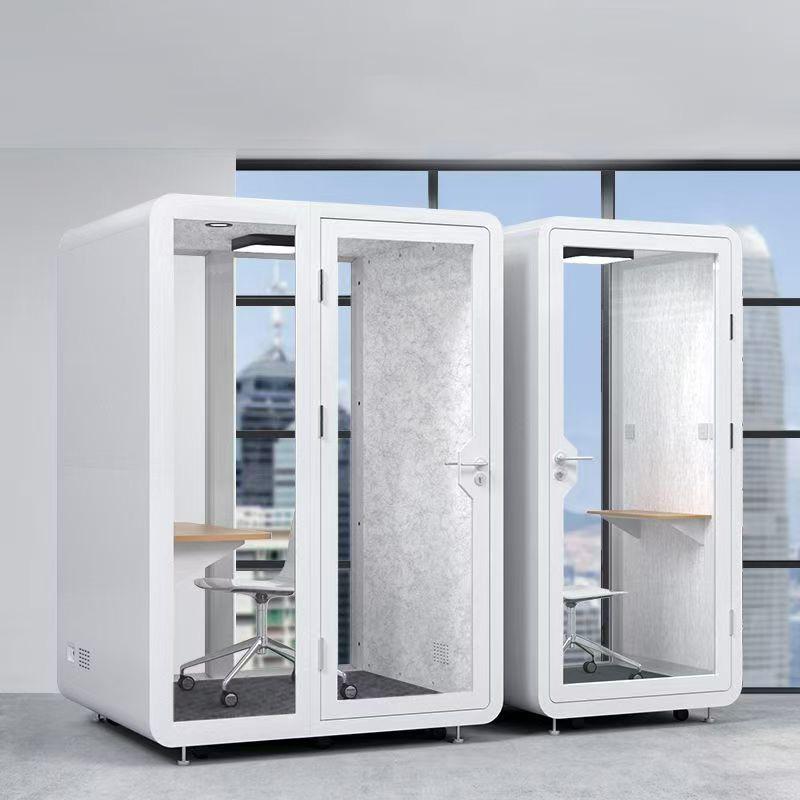
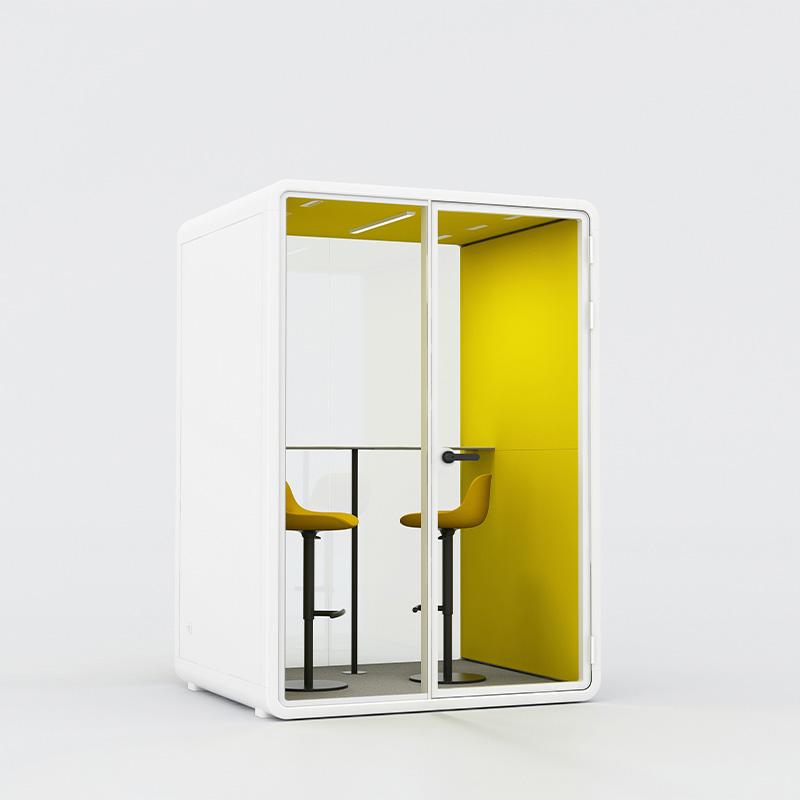
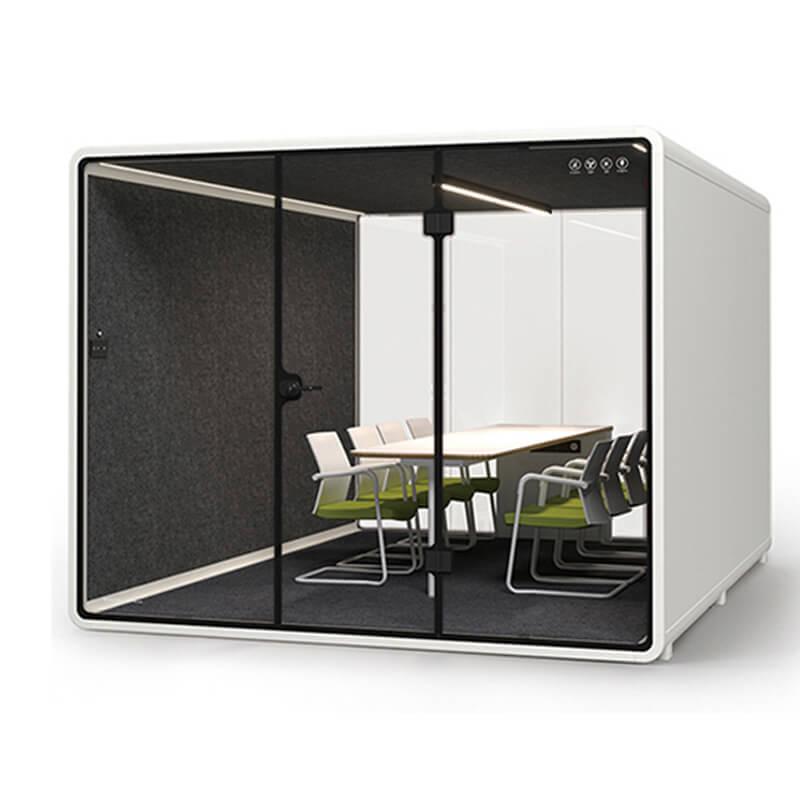
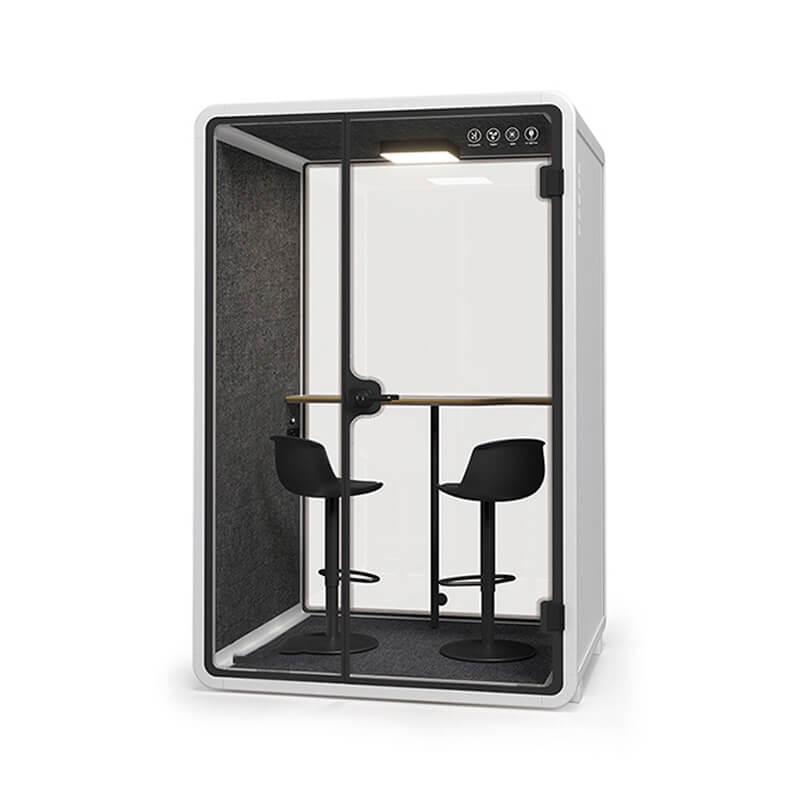
The next entry asks a narrower question: what does "Appraise credible alternatives on the same requirement" mean in this workplace? Compare existing-room changes, scheduling, policy, zoning, furniture, acoustic treatment, headsets, remote-work patterns, minor or major construction, leased space, doing nothing, and pod configurations by task fit, timing, disruption, scope, and risk. Within the stage-gated investment appraisal: record the exclusion beside the accepted use so later readers do not expand the conclusion by shorthand.
The stage-gated investment appraisal uses a distinct method here: use a representative task rather than a demonstration arranged around the product. Document how each alternative addresses mandatory conditions and why it remains viable, conditional, or rejected. Pause the decision if the preferred pod avoiding a fair alternative comparison; the observation changes the route rather than becoming an exception hidden in the notes.
The release output for appraise credible alternatives on the same requirement is a written decision to retain an option appraisal and rejection reasons. In the capital decision ledger: write the observation, the failed alternative and the release condition on the same record line.
Normalize supplier offers before comparing price
Here the reviewer leaves the brochure and follows "Normalize supplier offers before comparing price" through the proposed site condition. Separate base model, size, finishes, furniture, acoustic and technology options, power and data, freight, access, assembly, installation, protection, waste, site work, acceptance, training, warranty, taxes or other project treatment as applicable, exclusions, and validity. Within the stage-gated investment appraisal: a site-dependent result remains conditional until the final position and enabling work match the reviewed condition.
The stage-gated investment appraisal uses a distinct method here: walk the route with the people who own the site, technology and daily operation. Build a line-by-line ledger and obtain written clarifications so each offer represents the same requirement and delivery boundary. Pause the decision if an incomplete offer appearing cheaper than a complete one; the observation changes the route rather than becoming an exception hidden in the notes.
The release output for normalize supplier offers before comparing price is a written decision to release a normalized commercial comparison. In the capital decision ledger: attach the route owner, applicable document, open dependency and consequence of leaving it unresolved.
At this stage, "Expose route site and installation dependencies" becomes an occupied-use question rather than a product label. Review packaged and assembled dimensions, vehicle and loading, doors, corridors, lifts, turns, floor protection, working hours, storage, assembly clearance, floor condition, services, detectors and sprinklers, accessibility, circulation, cleaning, and authorized local reviews. Within the stage-gated investment appraisal: the occupied result applies only to the tested duration, devices, user pattern and surrounding activity.
The stage-gated investment appraisal uses a distinct method here: rehearse the normal condition long enough for setup and comfort limits to appear. Walk the route and proposed location with supplier and site owners, assigning each enabling work item a scope, evidence need, and cost owner. Pause the decision if late site work changing schedule and investment basis; the observation changes the route rather than becoming an exception hidden in the notes.
The release output for expose route site and installation dependencies is a written decision to approve a site and installation boundary. In the capital decision ledger: keep normal and adverse observations together, including setup friction and early exit where they occur.
| Gate | Evidence required | Authority granted when closed |
|---|---|---|
| Problem gate | Repeated task failure, affected workflow, frequency boundary and failed fallback | Permission to compare interventions |
| Alternative gate | Scheduling, room, behavior, furniture, acoustic and building options on the same requirement | Permission to shortlist the pod |
| Scope gate | Normalized product, freight, route, installation, enabling work and exclusions | Permission to compare complete commitments |
| Ownership gate | Cleaning, maintenance, parts, fault response, downtime and relocation responsibility | Permission to operate a pilot |
| Scale gate | Pilot use, non-use, privacy, comfort, support, corrections and changed conditions | Permission for a defined next quantity only |
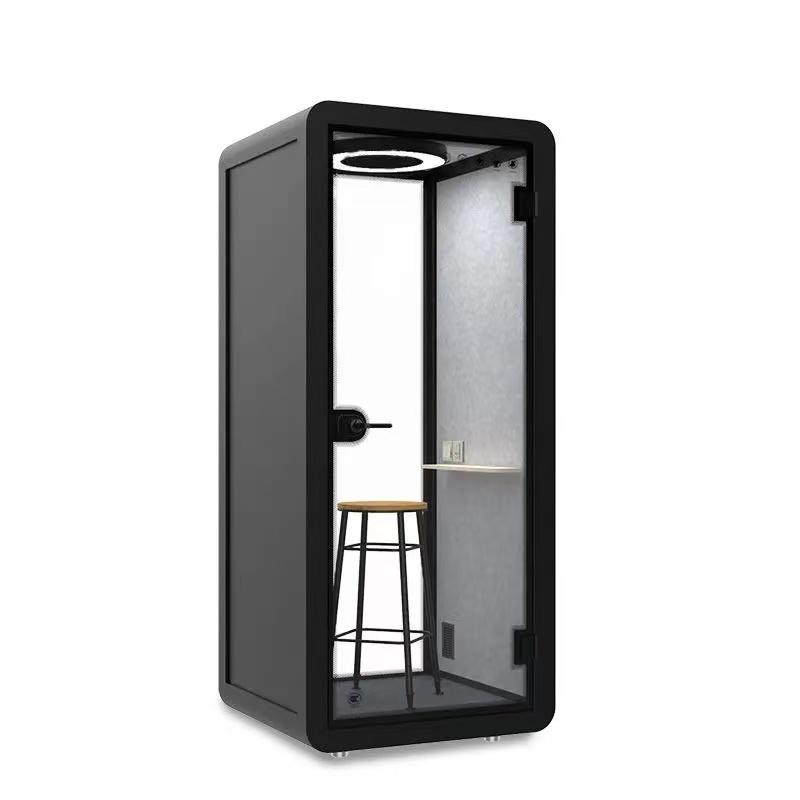
The file then tests "Keep operating maintenance and downtime costs visible" against responsibility, constraints and contrary observations. Include booking or access support, cleaning, filters, seals, hinges, fans, controls, lighting, power components, furniture, fault response, parts, warranties, service visits, user guidance, downtime, relocation, storage, and disposal assumptions. Within the stage-gated investment appraisal: any supplier exclusion, provisional item or buyer-provided service remains part of the decision, not a footnote.
The stage-gated investment appraisal uses a distinct method here: compare the offered scope with the buyer's requirement line by line. Ask operating teams to describe the service route and obtain model-specific maintenance or parts information before assigning ownership assumptions. Pause the decision if purchase approval transferring an unplanned burden to facilities; the observation changes the route rather than becoming an exception hidden in the notes.
The release output for keep operating maintenance and downtime costs visible is a written decision to record the ownership model and uncertainty. In the capital decision ledger: state what is included, excluded, provisional and buyer-supplied before a price comparison is released.
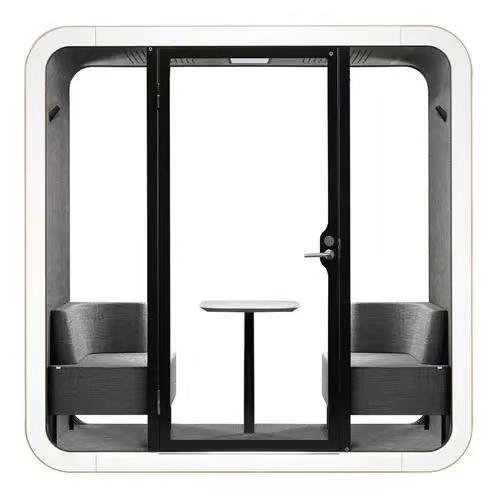
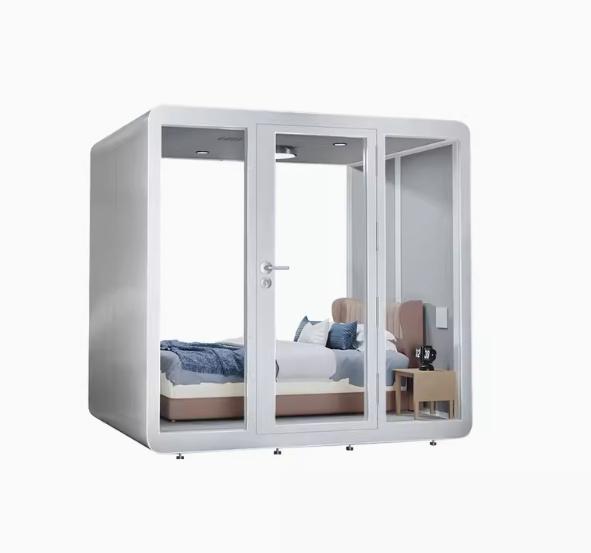
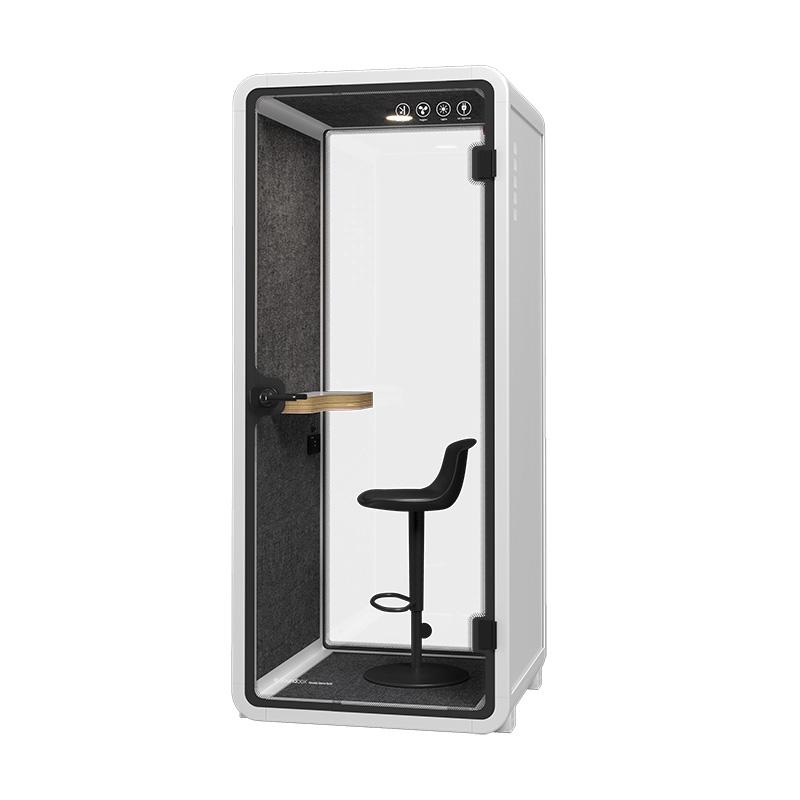
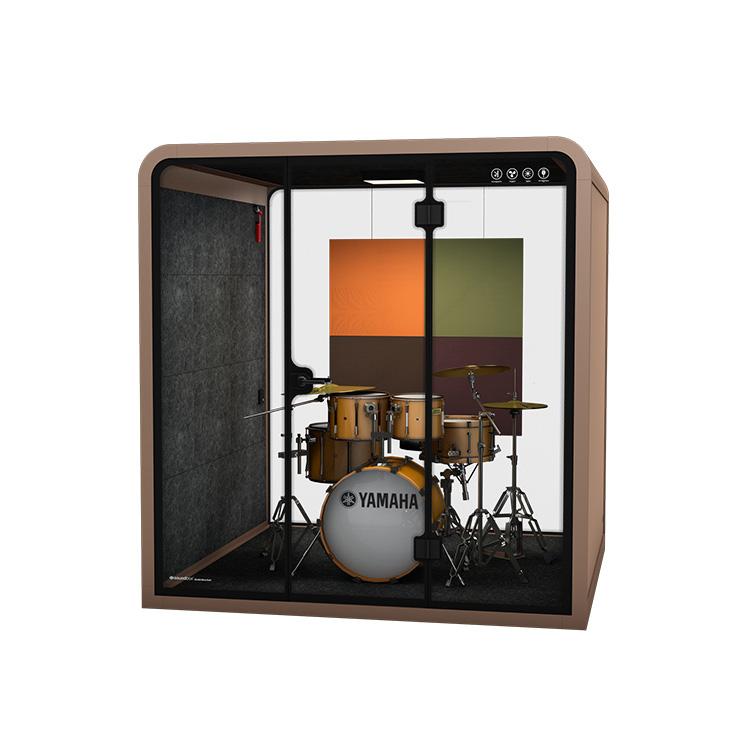
The soundproof office pod range can inform the configuration shortlist after the investment problem and alternatives are approved.
Use a pilot to reduce demand and behavior risk
Commercial approval reaches "Use a pilot to reduce demand and behavior risk" only after the earlier use and site questions are stable. Define unit, location, task, users, privacy check, comfort, technology, booking, support, observation period, failed-attempt capture, relocation option, supplier involvement, and decision conditions. Within the stage-gated investment appraisal: name the owner and fallback before describing this part of the offer as an operational advantage.
The stage-gated investment appraisal uses a distinct method here: ask the responsible team to show how the service works when the preferred condition is unavailable. Compare pilot evidence with the original constraint and alternatives, retaining non-use, adverse observations, contextual changes, and unresolved site differences. Pause the decision if novelty or selective feedback overstating the investment case; the observation changes the route rather than becoming an exception hidden in the notes.
The release output for use a pilot to reduce demand and behavior risk is a written decision to close pilot risk before a larger commitment. In the capital decision ledger: add the service owner, response route, available fallback and evidence needed after correction.
The final operating entry turns "Separate initial approval from scale authorization" into a condition that can be accepted, corrected or rejected. Set mandatory task, privacy, comfort, site, service, scope, risk, acceptance, and evidence gates for the first purchase, plus explicit triggers for correction, relocation, further observation, or additional units. Within the stage-gated investment appraisal: preserve the correction and retest trigger because acceptance can change when a material condition changes.
The stage-gated investment appraisal uses a distinct method here: close the record in a cross-functional review, leaving every unresolved dependency visible. Hold a cross-functional decision review and assign each unresolved item an owner, due point, evidence requirement, and effect on approval or scale. Pause the decision if a successful delivery becoming automatic authority to expand; the observation changes the route rather than becoming an exception hidden in the notes.
The release output for separate initial approval from scale authorization is a written decision to release each investment stage against its own evidence gate. In the capital decision ledger: finish with an explicit accept, correct, retest or reject state and a trigger for later review.
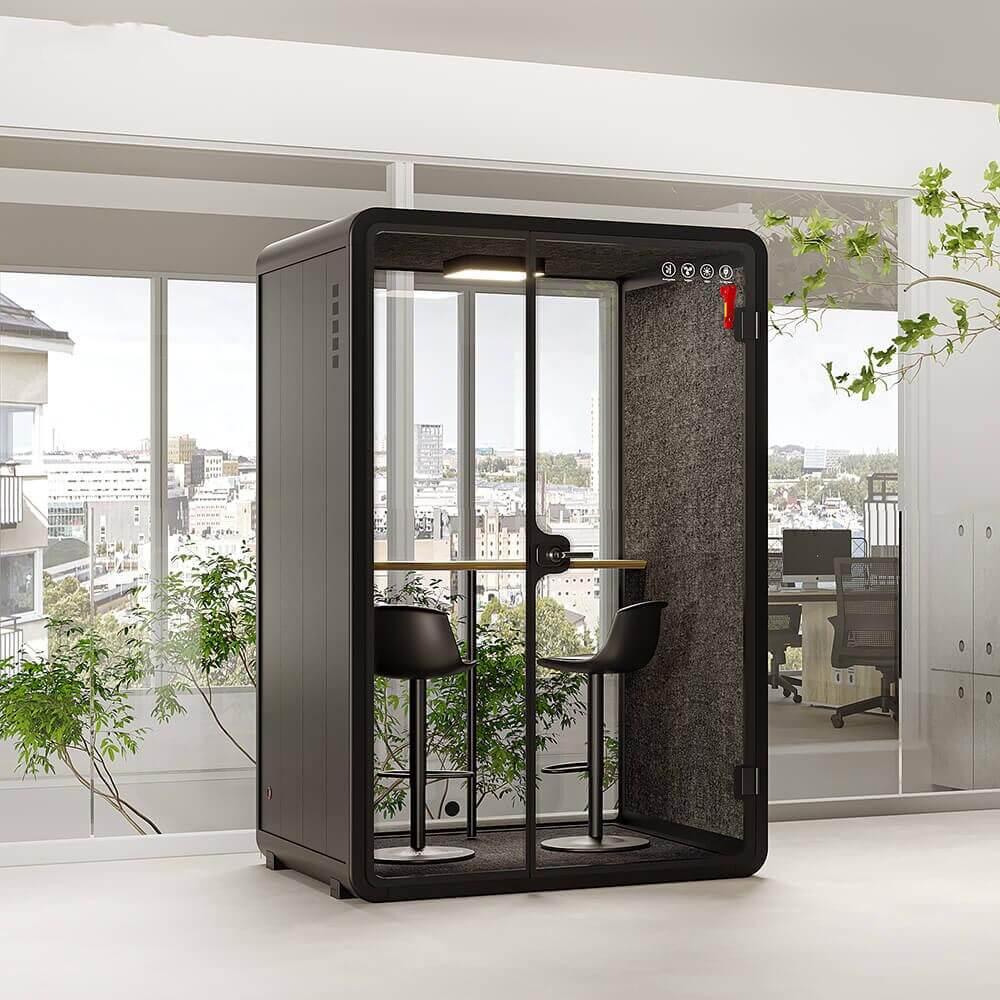
Start with the boundary that the decision must preserve. Use workplace observations, room evidence, interviews, and failed workaround records to establish what repeats and under which conditions. Check this boundary: Define exposed calls, room shortage, distraction, confidential meetings, hybrid quality, construction limits, lease change, schedule disruption, affected teams, frequency, duration, fallback, and consequences without inventing benefit values. Do not authorize the next stage while a modernization objective replacing an evidenced need remains unresolved.
Use the evidence route that matches this question, not a general product benefit. Document how each alternative addresses mandatory conditions and why it remains viable, conditional, or rejected. Check this boundary: Compare existing-room changes, scheduling, policy, zoning, furniture, acoustic treatment, headsets, remote-work patterns, minor or major construction, leased space, doing nothing, and pod configurations by task fit, timing, disruption, scope, and risk. Do not authorize the next stage while the preferred pod avoiding a fair alternative comparison remains unresolved.
Treat this as a release condition for the stated task and location. Build a line-by-line ledger and obtain written clarifications so each offer represents the same requirement and delivery boundary. Check this boundary: Separate base model, size, finishes, furniture, acoustic and technology options, power and data, freight, access, assembly, installation, protection, waste, site work, acceptance, training, warranty, taxes or other project treatment as applicable, exclusions, and validity. Do not authorize the next stage while an incomplete offer appearing cheaper than a complete one remains unresolved.
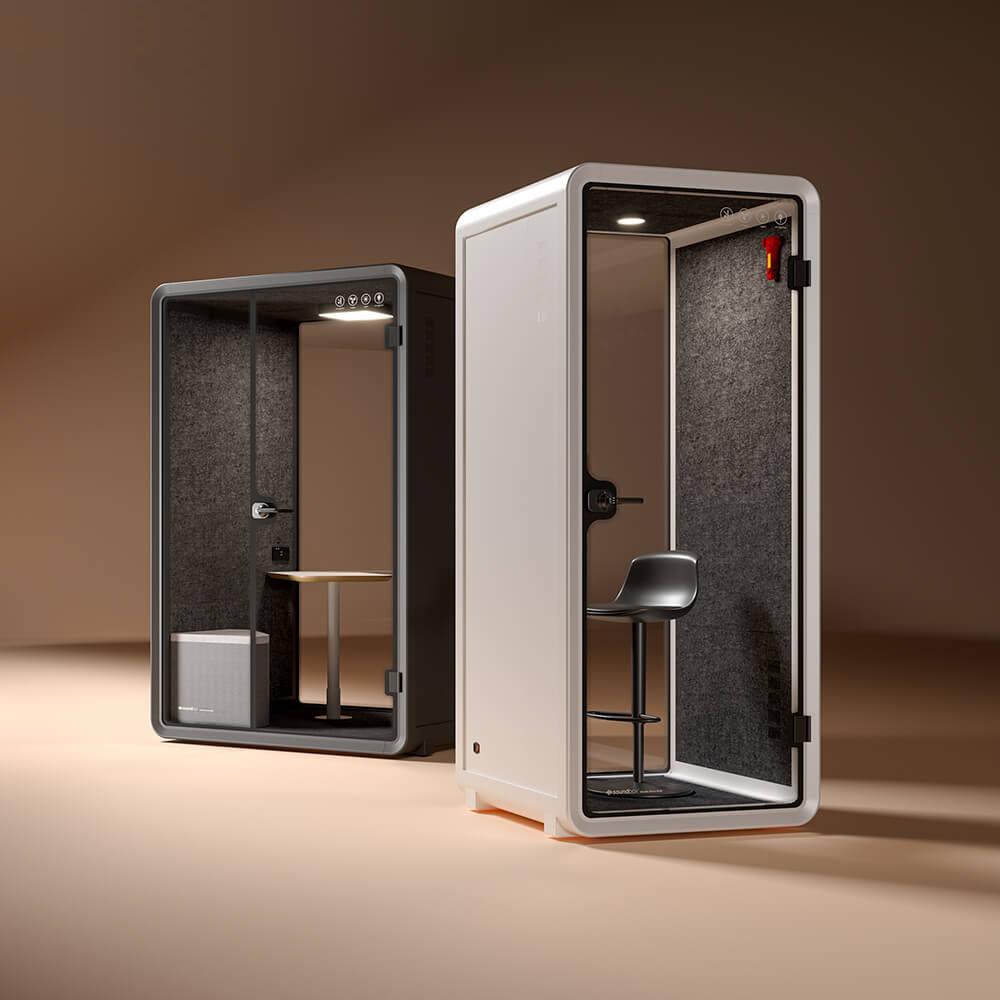
Keep the answer provisional until the relevant owner can show the required record. Walk the route and proposed location with supplier and site owners, assigning each enabling work item a scope, evidence need, and cost owner. Check this boundary: Review packaged and assembled dimensions, vehicle and loading, doors, corridors, lifts, turns, floor protection, working hours, storage, assembly clearance, floor condition, services, detectors and sprinklers, accessibility, circulation, cleaning, and authorized local reviews. Do not authorize the next stage while late site work changing schedule and investment basis remains unresolved.
A Soundproof Office Pod is worth the investment when a documented workplace constraint survives comparison with credible alternatives and the pod passes the site, occupied-use, commercial and ownership gates. The answer is conditional; it belongs to the stated task, location, configuration and review period.
Authorize the smallest defensible stage and preserve the evidence behind it. A successful delivery is not automatic authority to scale, while a failed assumption is useful if it redirects funds to a better intervention before a larger commitment is made.

 Tel: +8613538031763
 Email: info@sopworkpod.com
 MP/WhatsApp: +8613538031763
 Manufacturer Address:Liucheng Lujiang District,Meixi Road,Nanan City,Fujian,China