
Need Help?
Please leave your contact information to get our latest catalog
Get In Touch Now >


Author:SOP Work Pods Manufacturer TIME:2026-08-28
A user can place a phone on a charging symbol, complete a meeting, and leave with no useful battery change. The cause might be device compatibility, a case or accessory, uncertain alignment, movement during the call, an unpowered component, unclear feedback, or a fault no one knows how to report. In that moment the feature has added a new dependency instead of removing cable friction.
Wireless charging in Phone Booth Meeting Rooms deserves credit only for a specific improvement in the meeting journey. The review should compare what users do before and after the feature: carry a cable, search for an outlet, move papers, monitor a screen, share table space, retrieve the device, and continue when charging is unavailable. Compatibility, heat, power, furniture integration, cleaning, replacement, and support define the boundary.
The meeting pod layout is tested here as an interaction, not as a technology headline. Representative users and devices complete normal work while the team records placement attempts, indications, interruptions, fallback use, and support response. The result may justify the option, limit it to convenience, reposition it, or remove it from the specification.
State users, device types, cases and accessories, battery condition, session length, call or meeting task, phone use during charging, table materials, documents, laptop, cables, shared occupancy, turnover, urgency, and whether charging is convenience or essential.
Use a device and failure trial before approval. Observe current device handling and identify the exact cable, battery, clutter, or readiness problem the feature should solve. Preserve limitations and contrary observations because wireless charging being adopted without a meaningful meeting need would change the route.
Close 'Define the charging use case inside the meeting' by deciding how to approve a bounded charging purpose. For the use case checkpoint, record context, observed result, responsible owner, correction or confirmation, retest need, and effect on the supported charging service.
Observe the current cable problem before specifying its replacement. If users already enter with charged devices or rely on laptops during every call, the charging surface may have little practical work to do. A feature without a recurring interruption should remain optional rather than becoming the default furniture choice.
Record pod model, furniture option, charger manufacturer and model information where provided, position, quantity, power supply, adapter or controller, cable route, installation, indicator behavior, supported compatibility information, current documents, supplier scope, warranty, and exclusions.
Use a device and failure trial before approval. Reconcile quote, drawings, product information, and supplier clarification and submit applicable electrical or technical questions to responsible reviewers. Preserve limitations and contrary observations because evidence for another charger or furniture arrangement being transferred to the offer would change the route.
Close 'Control the offered charger furniture and power configuration' by deciding how to release a controlled feature configuration. For the offer evidence checkpoint, record context, observed result, responsible owner, correction or confirmation, retest need, and effect on the supported charging service.
The furniture drawing should show the charger's usable zone, not merely its center point. Confirm what lies below the surface, how power reaches it, how the assembly is accessed, and which party supports each component. These details determine whether a fault is diagnosable without dismantling unrelated furniture.
Include common approved workplace phones where relevant, device size, case thickness or material, accessories, alignment, orientation, surface markings, movement during calls, charging feedback, interruption, foreign objects, user discovery, and differences between user groups without assuming universal compatibility.
Use a device and failure trial before approval. Run repeated placement and removal with actual intended devices and record success, failure, adjustment, and unsupported combinations. Preserve limitations and contrary observations because a successful single-device demo becoming a universal compatibility claim would change the route.
Close 'Trial representative devices cases and placement' by deciding how to publish supported and unsupported trial combinations. For the compatibility checkpoint, record context, observed result, responsible owner, correction or confirmation, retest need, and effect on the supported charging service.
Do not coach every trial placement. Let a first-time user interpret the marking and feedback, then record extra movements, rotations or case removal. A successful demonstration by the installer may hide discovery friction that repeats during ordinary bookings.
| Trial condition | User action to observe | Failure evidence | Fallback or decision |
|---|---|---|---|
| Supported phone without case | Find, place, confirm and retrieve | Missed alignment or unclear indication | Improve marking or reject the location |
| Common approved case | Use the device during a normal call | Interruption, movement or incompatibility | Record the unsupported combination |
| Shared table task | Charge beside laptop, notes and another user | Lost work area or awkward reach | Reposition or prefer wired power |
| Feature unavailable | Notice fault and continue the meeting | No clear report or charging alternative | Keep an accessible wired route |
| Cleaning and service | Reset the surface and isolate a defect | Damage, obstruction or uncertain ownership | Close the feature until authorized release |
Observe charger and device warmth, session duration, ventilation around components, furniture integration, power supply, cable and connector protection, cleaning obstruction, unusual odor or sound, intermittent operation, error indication, isolation, authorized inspection, and conditions stated in applicable documents.
Use a device and failure trial before approval. Conduct the accepted use trial and route unresolved electrical or thermal observations to responsible technical reviewers rather than diagnosing beyond evidence. Preserve limitations and contrary observations because convenience feature introducing an unmanaged powered condition would change the route.
Close 'Review heat power and fault behavior with competent owners' by deciding how to approve operating and escalation limits. For the thermal electrical checkpoint, record context, observed result, responsible owner, correction or confirmation, retest need, and effect on the supported charging service.
Route unusual warmth, odor, sound, intermittent power or damaged surfaces to the designated technical owner. The content team should not diagnose an electrical cause. The trial record only states the device, duration, operating condition, observation and action taken.
Check reach, visibility, phone screen and camera use, shared table space, documents, cups where allowed, laptop, movement, personal space, left- or right-hand access, device retrieval, meeting exit, forgotten phones, next-user reset, and cleaning.
Use a device and failure trial before approval. Ask intended users to complete normal meetings while placing, using, and retrieving devices without facilitator prompts. Preserve limitations and contrary observations because charging position disrupting interaction or increasing forgotten items would change the route.
Close 'Place the charging surface within natural meeting work' by deciding how to release the furniture and user workflow. For the workflow checkpoint, record context, observed result, responsible owner, correction or confirmation, retest need, and effect on the supported charging service.
Watch what happens to the rest of the meeting surface. Phones may be used as cameras, authentication devices, reference screens or timers, so a fixed charging position can compete with those actions. The useful location supports both charging and the assigned work without encouraging unsafe balancing.
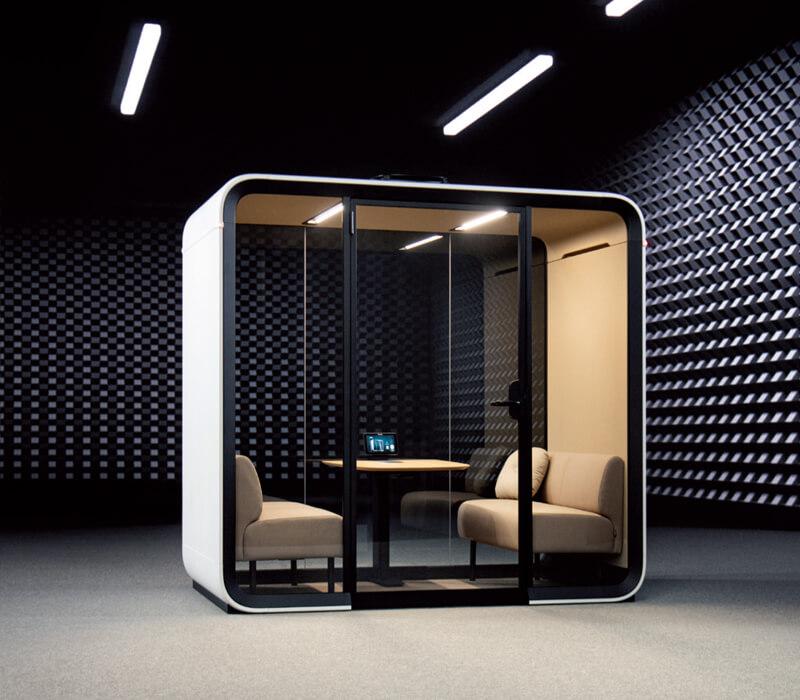
Define standard outlets or approved charging alternatives, cable availability policy, user guidance, indicator interpretation, fault reporting, isolation, signage, alternative seat or pod, cleaning products and method, spill response, service contacts, replacement components, downtime, and return-to-service checks.
Use a device and failure trial before approval. Rehearse unavailable charging and a visible fault so users and support teams follow the intended route. Preserve limitations and contrary observations because feature failure interrupting meetings or creating improvised power use would change the route.
Close 'Design wired fallback support and cleaning' by deciding how to accept fallback and support ownership. For the fallback service checkpoint, record context, observed result, responsible owner, correction or confirmation, retest need, and effect on the supported charging service.
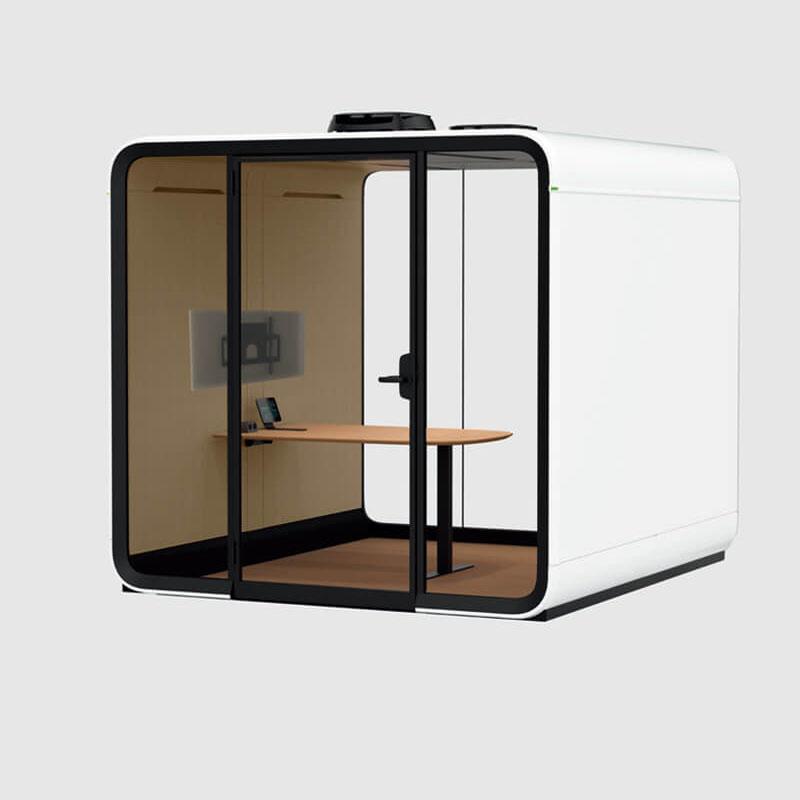
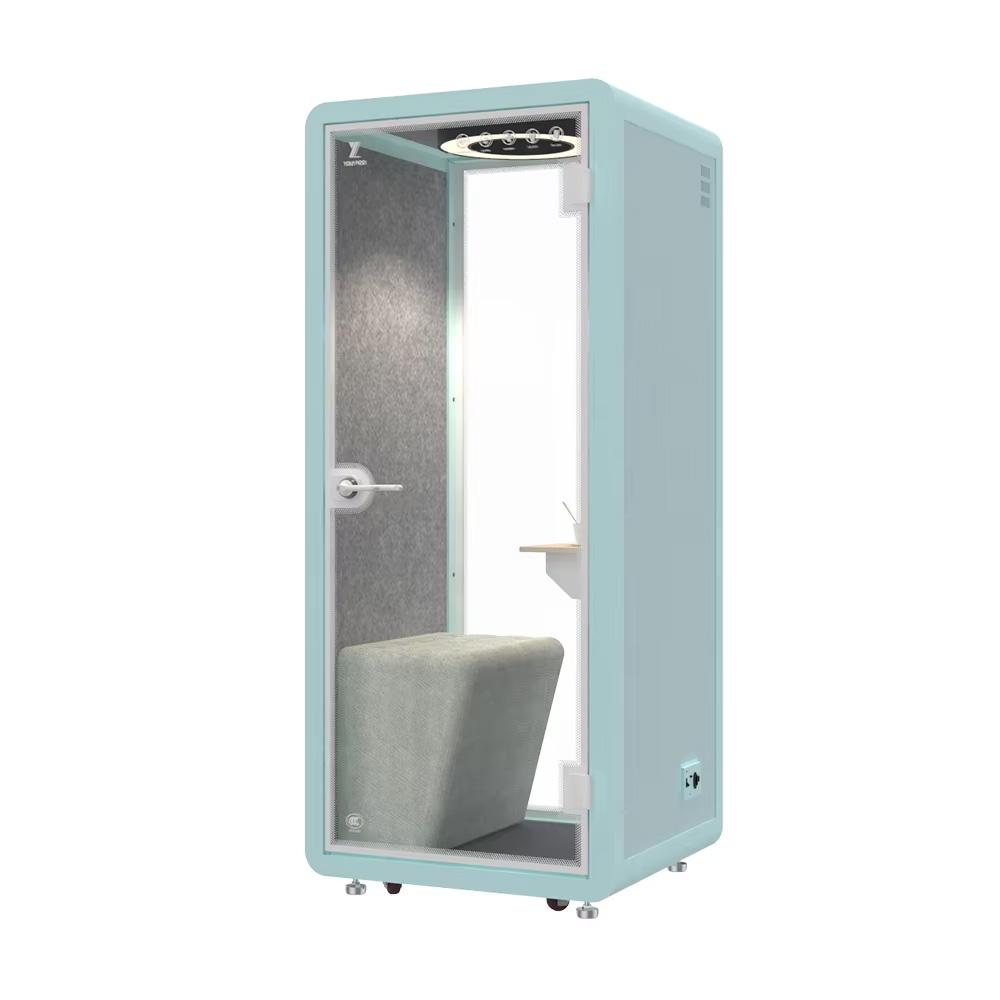
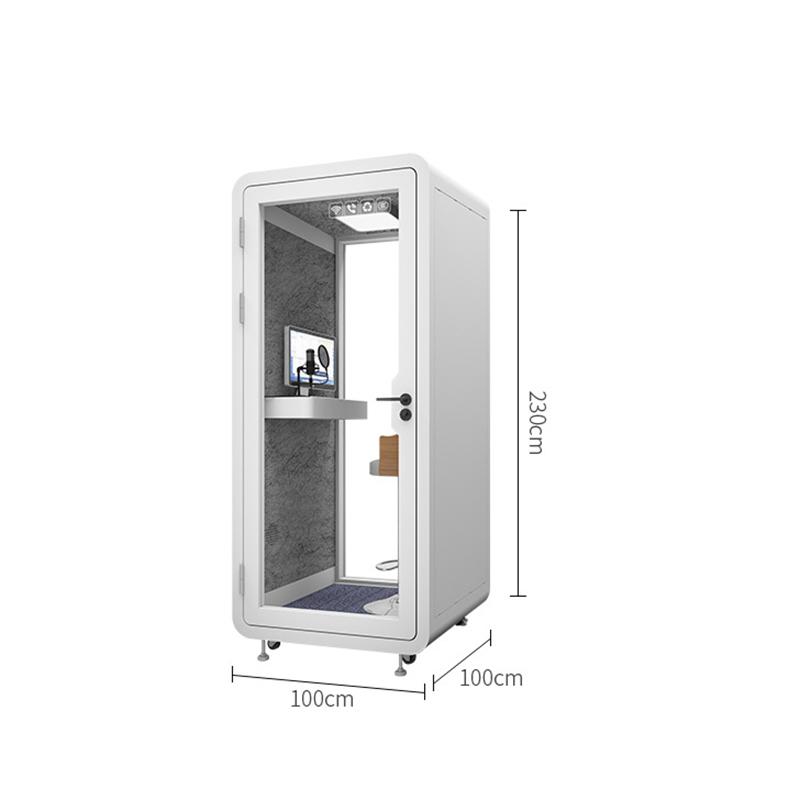
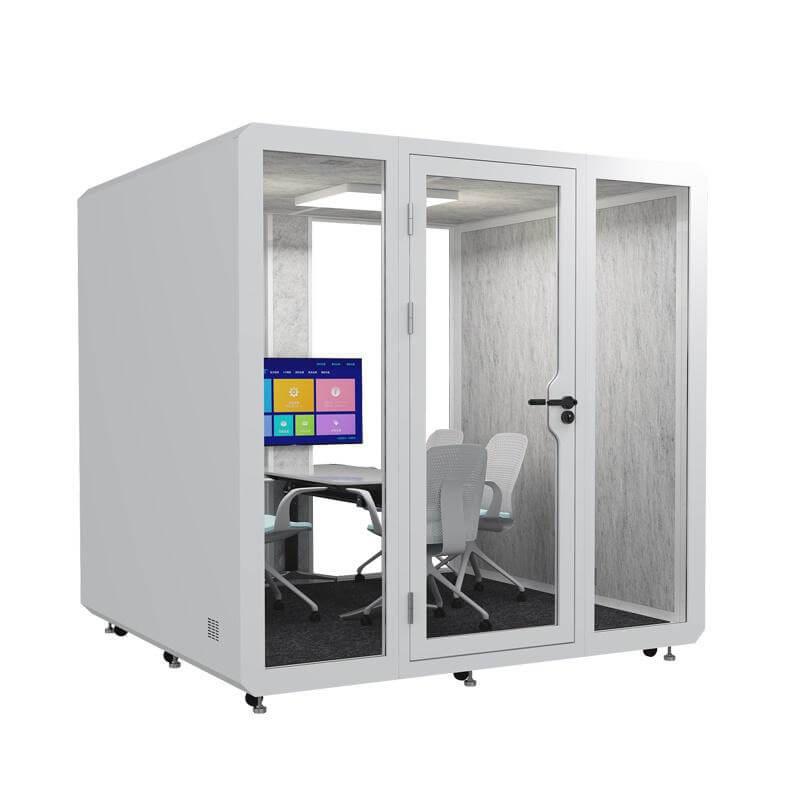
After the buyer completes the 'Design wired fallback support and cleaning' checkpoint, the phone booth configuration page may be reviewed as a product reference for this wireless charging feature value and failure study; it does not replace site evidence or assigned responsibility.
Fault guidance should be visible without turning the booth into a notice board. A user needs to know that charging has failed, where approved wired power is available, and how to report the feature. Facilities needs a separate service record with isolation and return checks.
Track charger and power-component identity, current compatibility information, supplier support, warranty, replacement availability, furniture access, device-fleet changes, charging standards or accessories cited by supplier, damage, updates only where the offered system has them, change testing, decommissioning, and future review.
Use a device and failure trial before approval. Assign an owner to recheck compatibility when devices, cases, power components, furniture, or supplier support changes. Preserve limitations and contrary observations because the pod outlasting an embedded unsupported charging component would change the route.
Close 'Control firmware-free or connected lifecycle dependencies as applicable' by deciding how to release a replaceable lifecycle and review route. For the lifecycle checkpoint, record context, observed result, responsible owner, correction or confirmation, retest need, and effect on the supported charging service.
Compatibility review belongs in normal workplace change control. A new device fleet, thicker cases, replacement furniture, charger substitution or altered power component can invalidate the earlier trial. Recheck the affected combinations instead of carrying approval forward because the charging symbol still looks the same.
Do not assume universal compatibility. Use current information for the offered charger, then trial the device types, cases, accessories, orientations, and workplace restrictions that matter locally. Record unsupported combinations and make the feedback understandable so users do not mistake a symbol for successful charging.
No. A technical statement may describe a controlled condition, while the workplace question includes placement, session length, device activity, case, temperature, alignment, power, and user behavior. Avoid inventing a rate. Observe whether the feature provides the intended practical benefit during the assigned meeting.
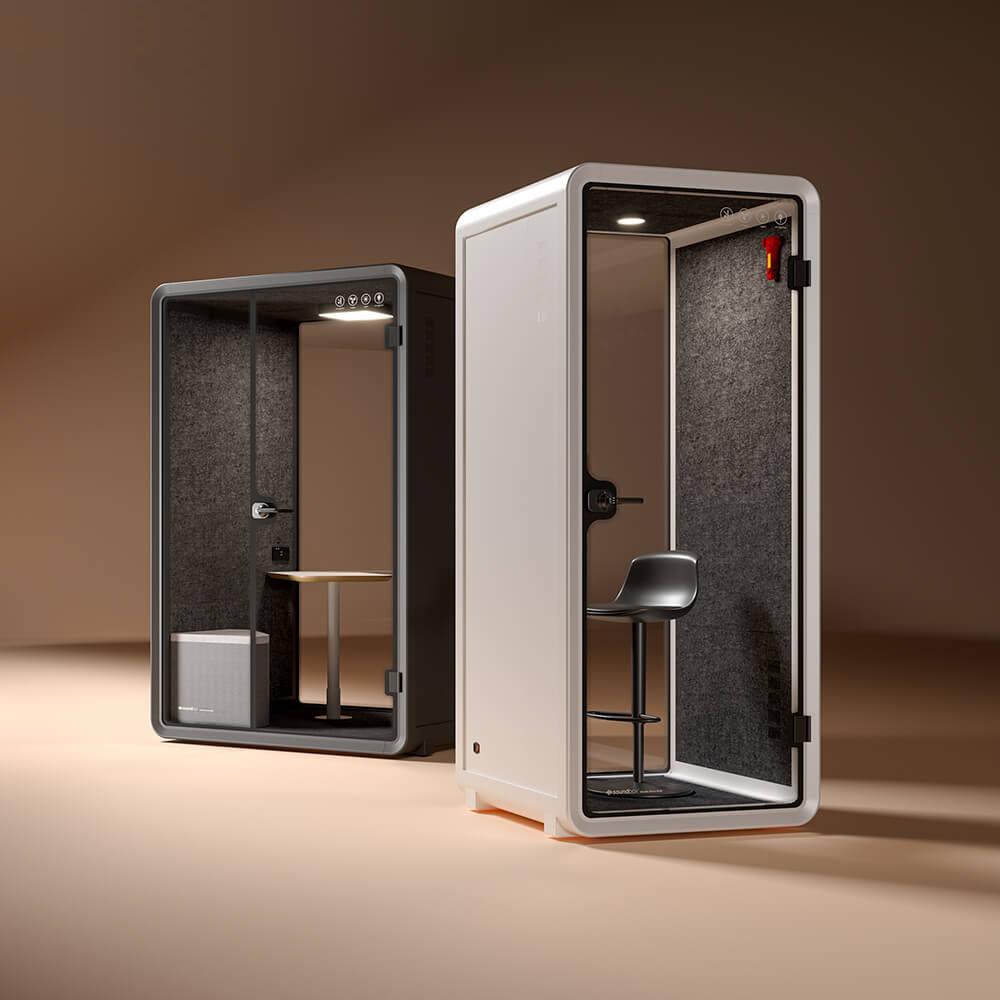
Put it where users can reach, see feedback, use or ignore the phone, protect personal space, and retrieve the device without disturbing documents or another occupant. Check left- and right-hand actions, table sharing, camera use, cables, permitted drinks, cleaning access, and the risk of leaving a phone behind.
Remove or decline it when representative devices do not work reliably, the surface disrupts the task, heat or fault questions remain unresolved, support and replacement are unclear, cleaning cannot be managed, or the wired alternative is simpler and equally effective. Novelty is not an acceptance criterion.
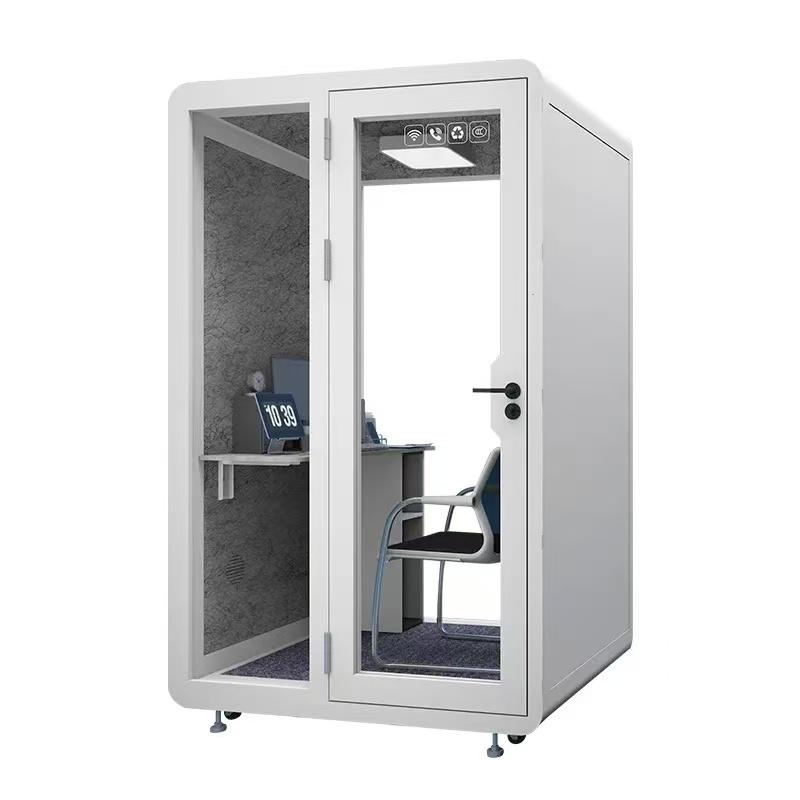
Wireless charging can be a useful convenience in a phone booth meeting room, but only when the supported device route, furniture position, power, feedback, heat boundary, cleaning, fallback, and service ownership work together. The meeting outcome matters more than the presence of the feature.
Run the full action sequence with representative devices and users. Keep the option only when the observed improvement survives ordinary cases, shared work, a fault condition, and a documented support route.
To review a wireless-enabled meeting pod, share the device mix, charging workflow, occupancy, site power route, and option scope through WhatsApp or the inquiry form.

 Tel: +8613538031763
 Email: info@sopworkpod.com
 MP/WhatsApp: +8613538031763
 Manufacturer Address:Liucheng Lujiang District,Meixi Road,Nanan City,Fujian,China