




Need Help?
Please leave your contact information to get our latest catalog
Get In Touch Now >


Author:SOP Work Pods Manufacturer TIME:2025-02-28
International shipping for a home office pod begins long before a crate reaches a port. The buyer has to define the product configuration, packing method, trade term, risk-transfer point, import responsibility, destination route, unloading plan, and installation boundary in one connected record. If those decisions are split across unrelated emails, the lowest freight quotation can become the most expensive delivery.
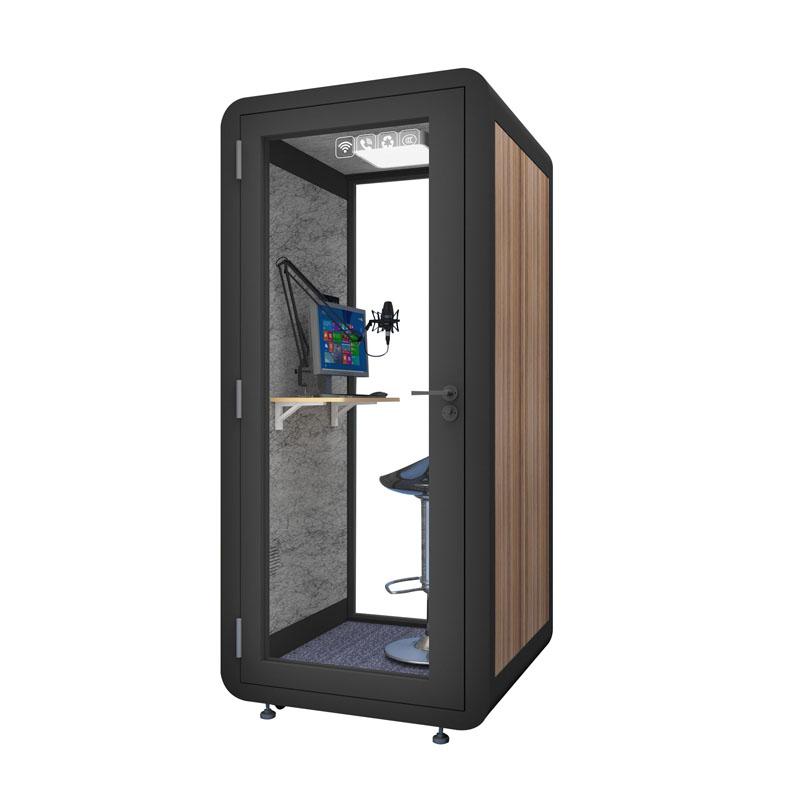
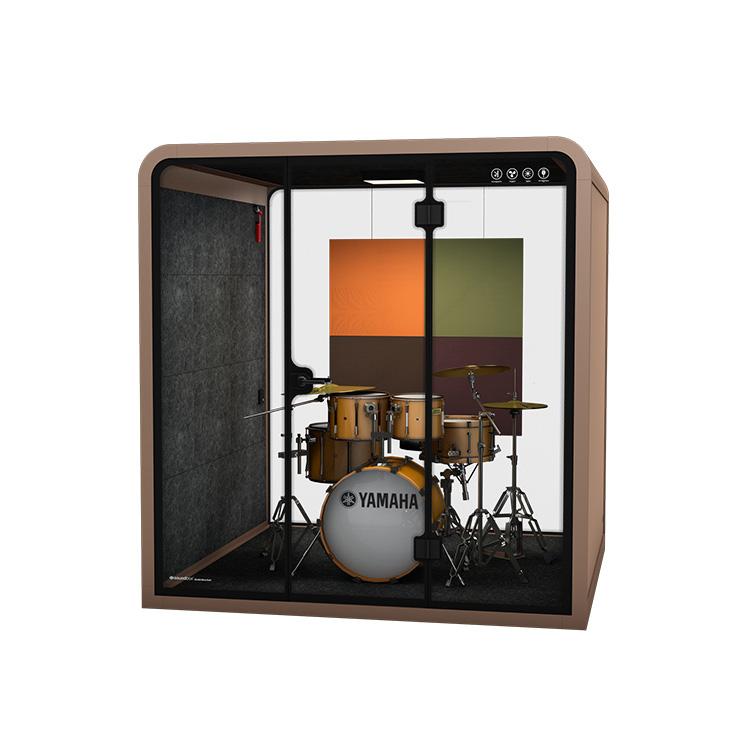
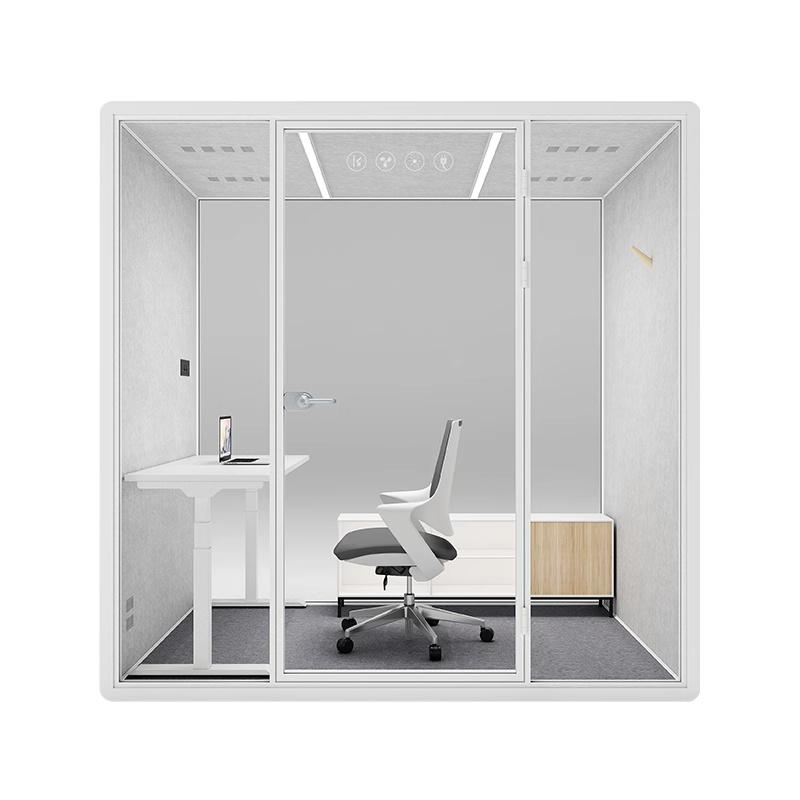
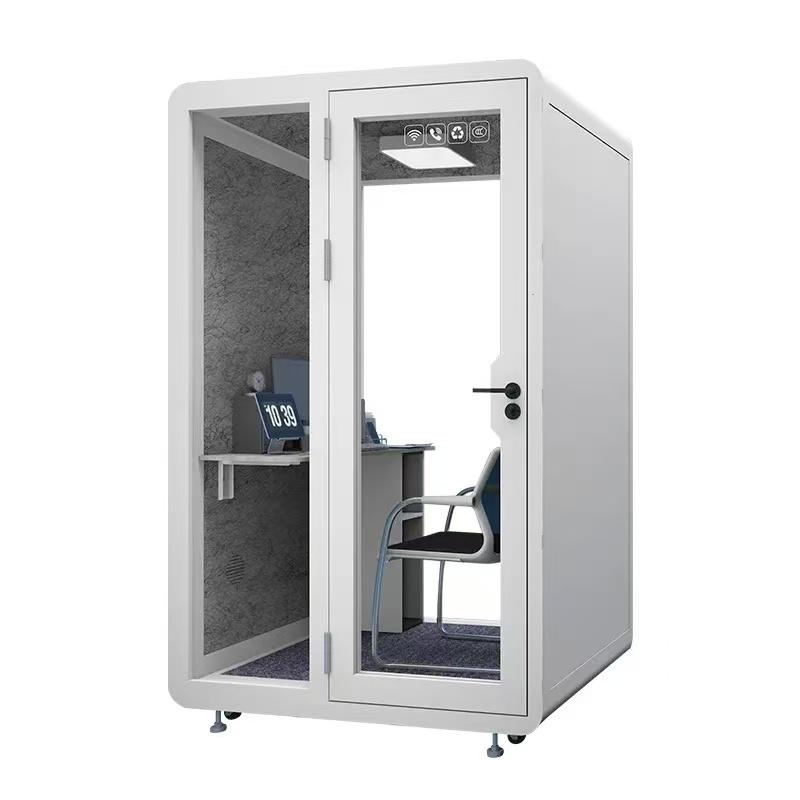
A pod is an awkward shipment because glass, finished panels, electrical items, furniture, and precision door components may travel together. It can be sent assembled, partly assembled, or flat packed, and each choice changes volume, handling risk, labor, and site access. The correct plan therefore works backward from the final room and assigns an owner to every handoff.
A shipping quote is only comparable when suppliers are quoting the same object. Confirm model, quantity, panel construction, glass, door orientation, furniture, electrical configuration, color, accessories, spare parts, and the chosen assembly state. Ask for an itemized packing list with package count, external dimensions, gross and net weight, lifting points, stacking restrictions, and identification marks. Preliminary figures should be labeled as estimates until the production configuration is locked.
The assembly state deserves an explicit decision. A fully assembled unit may reduce site labor but consume more freight volume and demand larger doors or lifting equipment. A panelized unit can use container space efficiently and pass through smaller openings, but it transfers more quality risk to installation. A partly assembled module may balance those concerns. Compare total landed and installed cost rather than assuming one packing style is always cheaper.
Separate the product price from export packing, inland transport, terminal charges, international freight, insurance, customs services, duties and taxes, last-mile delivery, unloading, assembly, and site work. When a supplier combines several items, require a written boundary. That makes it possible to identify a duplicated charge or a missing responsibility before the shipment moves.

Do not accept a three-letter trade term without a named place and version. The commercial agreement should state the agreed rule, the precise terminal, port, warehouse, or delivery address, and who performs export and import formalities. Cost responsibility and risk transfer are related but not identical under every trade term. A seller may pay carriage to a destination even though transport risk transferred earlier, so the buyer must understand the exact event rather than reading only who pays freight.
Discuss insurance separately. Record who arranges it, the insured value, covered events, exclusions, deductible, geographic period, claims contact, and required evidence. Basic cargo coverage may not match the exposure created by glass, moisture, rough handling, concealed damage, temporary storage, or final-mile delivery. The purchase contract should also say who provides documents and assists with a claim even after risk has transferred.
Contract note: Freight forwarders can explain routes and charges, while customs brokers or qualified trade advisers can help with destination requirements. Their work does not replace the buyer's responsibility to approve the commercial term and comply with the rules of the destination country.
The visible pod size is not the shipping size. Crates need structural framing, protection around glass, clearance for handling, and sometimes separate packages for furniture or electrical components. Request the final packing drawing and calculate cubic volume, package footprint, gross weight, center-of-gravity concerns, and whether packages can be stacked. Check container door dimensions and payload as well as internal volume.
For a multi-unit order, ask for a loading diagram that assigns every package to a container and shows the unloading sequence. A tightly packed container is not automatically efficient if the destination team has to unload all packages to reach the first installation set. Mixed model orders need clear marks that connect packages to pod serial numbers, drawings, finishes, and locations.
| Packing input | Why the buyer needs it | Release evidence |
|---|---|---|
| Package dimensions and weight | Prices freight, lifting, storage, and route capacity | Final packing list and marked drawing |
| Assembly state | Determines volume and site labor | Exploded view and installation method |
| Loading sequence | Prevents unsafe or unnecessary unloading | Container plan with package IDs |
| Handling restrictions | Protects glass, finishes, and frames | Symbols, lifting points, and written instructions |
Export packing should address impact, vibration, crushing, abrasion, moisture, corrosion, contamination, and loss of small parts. Corners and glass need restraint without excessive point pressure. Finished faces should not rub against fasteners or rough timber. Electrical parts, hardware, and accessories need sealed, labeled compartments rather than loose boxes placed wherever space remains.
Ask how moisture is controlled during the expected route and storage period. Packaging may need a barrier, desiccant, ventilation strategy, or treated timber that satisfies destination rules. The correct method depends on climate, route, package materials, and storage, so a generic request for waterproof packing is not enough. Photographs should show the product condition before wrapping, internal protection, sealed package, external marks, and loading into the container.
A reusable packing design matters for orders delivered to several sites. Record which materials can be removed without damaging finishes, which panels must remain upright, and how glass is identified. If the buyer expects future relocation, shipping protection and storage containers for critical hardware may also belong in the order.
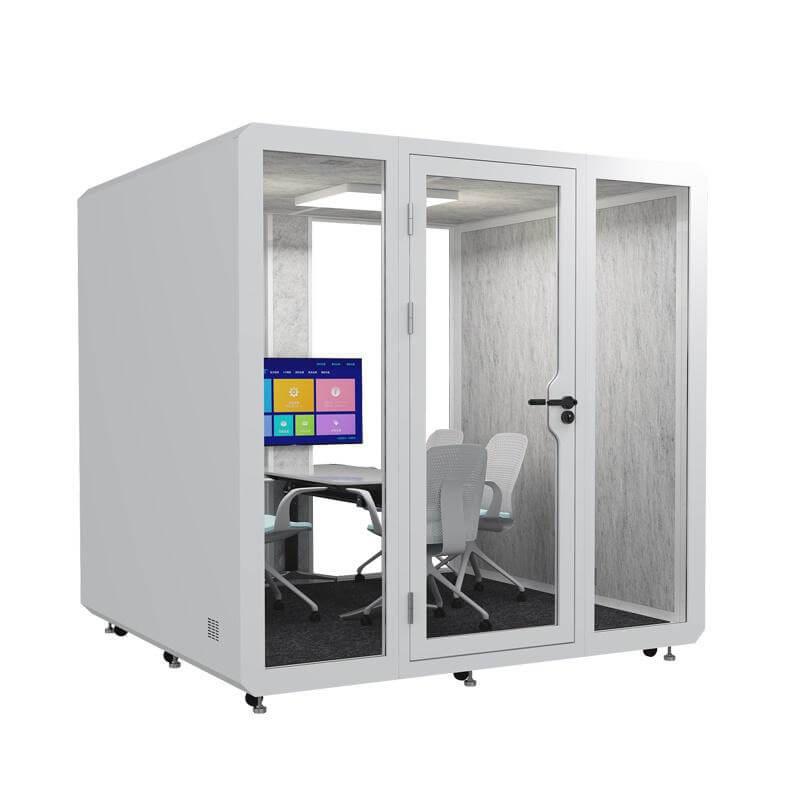
Import rules vary by country and can change, so confirm requirements with a qualified broker or authority before shipment. Identify the importer of record, product classification process, declared value basis, origin documents, electrical or material declarations, packaging requirements, and any permits or inspections. Do not let a supplier choose a tariff code without buyer review simply because that code was used for another destination.
Create a document matrix covering commercial invoice, packing list, transport document, origin evidence where applicable, insurance record, product description, material or electrical documents, and broker instructions. Names, addresses, quantities, weights, values, currency, and package marks should agree across the set. Resolve discrepancies before the goods depart; correcting them during clearance can create storage charges and uncertainty.
The buyer should budget duties, taxes, broker fees, port or terminal charges, inspections, demurrage, detention, storage, and possible last-mile permits as separate risk lines. Some may not apply, but assigning zero before confirming the rule creates a false landed cost. Use a range and record the source date for each estimate.
The last mile often decides whether a shipping plan works. Measure the delivery address, approach road, vehicle restrictions, loading dock, ground bearing, unloading zone, building entrance, corridors, lifts, stairs, turns, ceiling height, and final room. Verify dimensions against the largest package, not the assembled pod. Check operating hours, noise limits, security registration, floor protection, waste rules, and whether a lifting plan is required.
Assign equipment and labor. The carrier may deliver only to curb, dock, or warehouse. A separate crew may need a forklift, pallet truck, crane, glass handling tools, or panel carts. Clarify who signs for the freight, who can note visible damage, and who has authority to stop unloading when packaging or conditions are unsafe.
For residential destinations, consider narrow streets, landscaping, weather exposure, neighbors, and local working-hour restrictions. Buyers can review garden and home office pod options while planning, but the final shipping method must be based on verified package data for the selected configuration and the measured route to its foundation or interior position.

Prepare an arrival checklist before the truck appears. Record container or vehicle identification, seal condition, package count, external marks, visible damage, moisture, tilt or impact indicators if used, and the condition of each package before movement. Photographs should include wide context and close details. Write exceptions on the delivery record rather than signing clean receipt when damage is visible.
Concealed damage may appear only after unpacking. Define who opens packages, the time allowed for inspection, how packaging is preserved, and whom to notify. Match parts to the packing list and serial record. Do not begin improvised repairs that destroy evidence until the supplier, insurer, or carrier has given instructions, unless immediate action is required to prevent further loss or protect people.
A shortage register should distinguish missing packages, missing items inside a package, wrong finish, transit damage, manufacturing defect, and installation damage. Each has a different owner and response route. This classification speeds resolution and protects the buyer from arguing about a vague statement that the shipment arrived incomplete.
Shipping is complete only when the next responsible team has usable information. Give installers the package map, assembly drawings, electrical boundary, hardware inventory, finish schedule, room plan, acceptance criteria, and a list of transport exceptions. If manufacturer supervision is remote, define camera positions, communication hours, decision authority, and the evidence required before concealed joints are closed.
The responsibility matrix should name the party for export packing, main carriage, insurance, customs, terminal collection, unloading, internal movement, assembly, site power, waste, testing, and defect correction. Add dates and prerequisites. A single missing action, such as booking a loading dock or confirming a local plug configuration, can hold an entire pod order.
Closeout record: Keep the signed packing list, arrival photographs, damage register, installation checklist, electrical test, door and ventilation checks, warranty contacts, and spare-parts inventory together. These records are more useful for a later claim or relocation than a chain of private messages.
Which trade term is best for a home office pod?
There is no universal best term. Choose one that matches the parties' ability to control freight, insurance, import clearance, and destination delivery. Always add the precise named place and the agreed version of the rules.
Should a pod ship assembled or flat packed?
Compare package volume, route access, installation skill, quality control, and schedule. An assembled pod can simplify installation but may be impossible to move through the destination building. A flat-packed unit saves space but needs a controlled assembly process.
Does freight insurance cover every type of damage?
No. Coverage, exclusions, deductible, insured value, reporting time, and evidence requirements vary. Confirm them in writing and make the packing and arrival procedures compatible with the policy.
Who decides customs classification?
The responsible importer should verify classification and destination requirements with qualified advice. A supplier can provide product and material information, but a code used in another country is not automatic proof.
What information is needed before booking transport?
Use the final package count, dimensions, gross weights, loading method, trade term, pickup and delivery addresses, handling restrictions, dangerous-goods status if relevant, document set, and contact details for every handoff.
A successful international pod delivery is a sequence of controlled transfers. Product configuration determines packing; packing determines freight and handling; the trade term allocates cost and risk; customs documents support clearance; the destination survey enables unloading; and arrival evidence protects the claim and installation process.
Before buying, require final package data and write every responsibility into a handover matrix. Compare suppliers on landed and installed scope, not on ocean or air freight alone. That approach gives the buyer a realistic budget and gives each party a clear next action when the shipment crosses a boundary.

 Tel: +8613538031763
 Email: info@sopworkpod.com
 MP/WhatsApp: +8613538031763
 Manufacturer Address:Liucheng Lujiang District,Meixi Road,Nanan City,Fujian,China