
Need Help?
Please leave your contact information to get our latest catalog
Get In Touch Now >


Author:SOP Work Pods Manufacturer TIME:2025-06-04
When a supplier quotes a lower per-unit price for multiple garden office pods, the immediate reaction is usually satisfaction. But a discount is only a genuine saving if it comes from repeatable production efficiency, not from removed scope, transferred site risk, or altered payment terms. This guide separates real bulk savings from apparent ones, giving you a negotiation model that protects your total landed cost.
Bulk purchasing in the garden office pod market is not simply about ordering more units. It is about ordering more of the same unit. A true bulk discount emerges when a factory can repeat a production cycle without re-engineering, re-tooling, or re-approving materials. When you order ten identical pods, the factory can batch-cut panels, pre-wire identical electrical looms, and streamline quality checks. That repetition is where a legitimate saving comes from.
However, many buyers mistake "bulk" for "multiple different pods." If you order five pods with five different floor plans, five different cladding materials, and five different electrical layouts, you have not created a bulk order. You have created five separate custom projects that happen to ship together. The factory cannot standardize, so the discount disappears. Before negotiating, define what "bulk" means in your project: identical units, shared platform, or merely a large total order value.
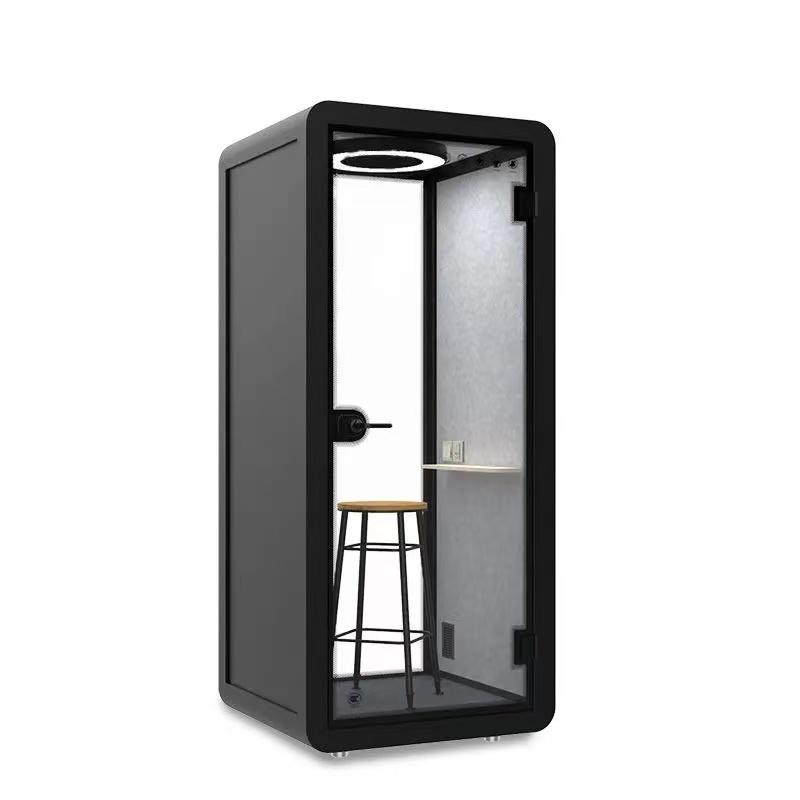
A defensible product discount is tied to repeatable factory scope. This may include the structural frame, wall panels, roof system, glazing units, and standard electrical provisions. When these elements remain identical across units, the factory may combine material purchasing, cutting, assembly preparation, or inspections. Ask the supplier to identify the specific efficiency and show it as a commercial line rather than assuming every larger order creates the same saving.
Ask your supplier to itemize which components are standardized across your bulk order. If the answer includes the frame, cladding, insulation, and fenestration, you have a genuine repeatable scope. If the answer includes only the frame, while everything else remains bespoke, the discount is likely thin or absent. Use this distinction to push for a transparent breakdown of where the saving originates.
Garden office pods are factory-built, but their sites rarely present identical ground, access, service, and approval conditions. A supplier may offer a lower unit price for multiple pods while placing site preparation, foundation leveling, or lifting access outside the quoted scope. The product price may still be valid, but it is not the complete installed-cost comparison.
Separate the factory-supplied scope from the site-dependent scope. Repeatable factory work may support a discount; selected site work may also be combined when locations and responsibilities genuinely align, but this must be demonstrated. If a supplier bundles both into one low price, ask for a detailed breakdown. Where site work is excluded, develop a realistic allowance for foundations, services, access, storage, and local labor. This creates a more reliable total landed and installed comparison.
Freight consolidation can be a defensible source of bulk savings. Combining compatible packages or deliveries may spread fixed handling and transport costs across more units. The saving depends on route, vehicle or container use, receiving windows, unloading, storage, and whether the destinations can genuinely share a movement.
Ask your supplier for a freight breakdown that shows the per-unit delivery cost for a single order versus a consolidated delivery. The difference is your logistics saving. However, consider your own storage capacity. If you cannot accept all units simultaneously, you may need to pay for warehousing, which erodes the freight saving. Include this in your total landed cost calculation before celebrating the discount.
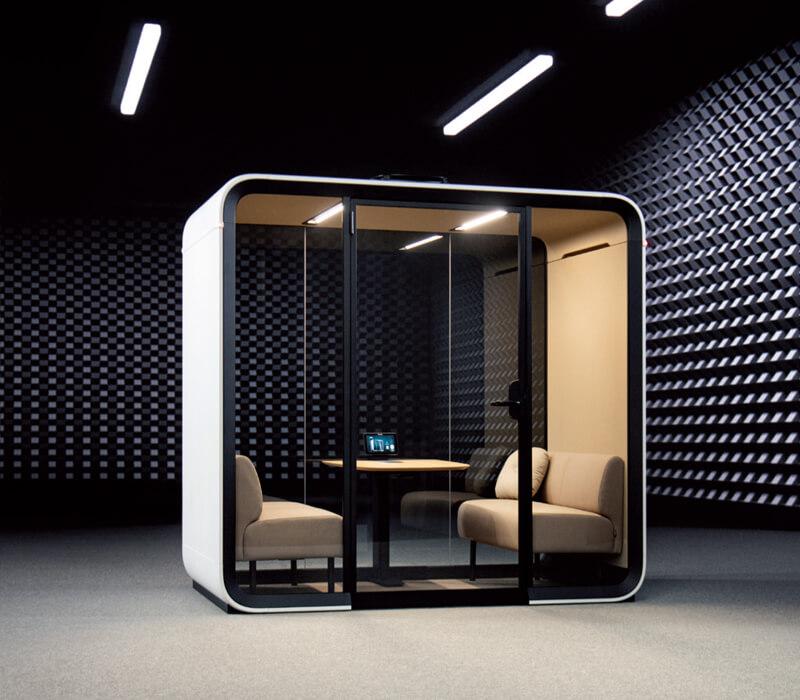
A bulk discount is only valid if the specification is frozen at the point of quotation. If you change the cladding, add windows, or upgrade the electrical package after the quote, the factory must re-engineer and re-price. This often cancels the discount entirely. A specification freeze is a written agreement that the design, materials, and features are locked for a defined period, protecting both your price and the factory's production planning.
Before signing a bulk order, confirm the freeze period in writing. The quotation should state its validity period, price-adjustment conditions, and change procedure. Neither party should assume that a specification or price is protected beyond the written commercial terms. This protects the discount you negotiated and prevents scope creep from silently eroding your saving.
Bulk orders often involve larger total values, which changes payment risk. A supplier may offer a discount in exchange for a larger deposit or faster payment schedule. This is not a product saving; it is a financing cost transfer. A larger upfront payment increases buyer exposure before equivalent production evidence exists. Compare the financing benefit received by the supplier with the security, milestones, inspection rights, and remedies retained by the buyer.
Similarly, check whether the warranty is per-unit or per-order. Some suppliers offer a single warranty covering all units, while others require separate claims for each pod. A bulk discount that reduces the warranty period or shifts installation liability to you is not a saving. Clarify the warranty terms in writing, including who is responsible for site-related issues versus factory defects. This protects you from post-installation surprises.
When you order one pod, you can inspect it before installation. In a larger order, a sample review alone does not demonstrate that every unit follows the controlled configuration. This is where sample-to-batch control becomes critical. The buyer can require a first article or sample unit, a signed approval record, change control, and defined production checkpoints. Those controls help test whether the quoted saving preserves the agreed quality boundary.
Ask your supplier how they maintain consistency across a batch. Do they use the same production team? Do they have a documented quality checklist for each unit? Can you visit the factory or request photos at defined production stages? If the supplier cannot demonstrate batch control, the discount may reflect lower inspection standards. A genuine bulk saving maintains quality while reducing per-unit overhead, not by skipping checks.
Negotiating a bulk discount is not a single conversation. It is a structured release of information and commitments. Start by confirming the repeatable factory scope. Then, separate site variability and freight costs. Freeze the specification. Agree on payment terms and warranty. Finally, request the discount as a transparent line item, not a lump-sum reduction.
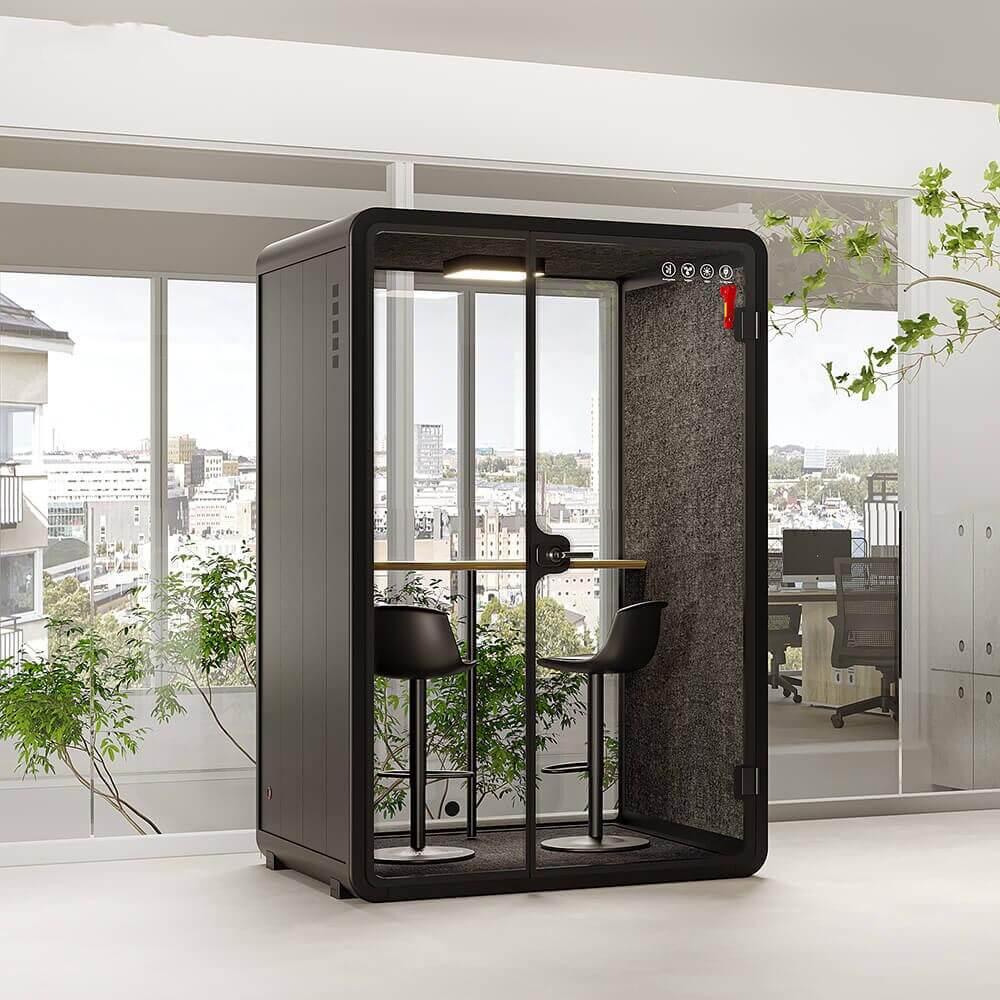
Use the table below to validate each discount source before accepting a quote. The aim is to make every saving traceable to a stated efficiency while keeping removed scope, payment exposure, and transferred risk visible. When the origin and conditions of each saving are clear, the buyer can compare offers on a more consistent commercial basis.
| Saving Mechanism | Required Standardization | Excluded Risk | Proof Needed | Buyer Response |
|---|---|---|---|---|
| Repeatable factory production | Identical frame, cladding, glazing, electrical layout | Bespoke customization, non-standard dimensions | Itemized production scope showing shared components | Confirm all units share the same specification before accepting the discount |
| Freight consolidation | Single delivery point, simultaneous acceptance | Storage costs, multiple site deliveries, access restrictions | Per-unit freight cost for single vs. consolidated delivery | Verify you can receive all units at once; include storage in total cost |
| Material volume purchasing | Frozen specification for the order duration | Material price fluctuations after quote | Written specification freeze with validity period | Lock the spec in writing before signing; avoid post-quote changes |
| Payment term adjustment | Clear milestone schedule tied to production | Higher deposit exposure, delivery delay risk | Payment schedule with production milestones | Assess your cash flow risk; do not accept a discount that increases your exposure |
| Batch quality control | Documented inspection checklist per unit | Reduced inspection frequency, inconsistent output | Sample unit approval and batch production photos | Request a first-article inspection and stage-by-stage quality evidence |
Q: Is a bulk discount always a genuine saving?
A: No. Repeatable factory scope, freight consolidation, or volume purchasing may support a real saving, but each source needs evidence. A lower price created by removed site scope, transferred delivery risk, or a larger unsecured deposit should be shown separately so the buyer can price its effect.
Q: How many pods do I need to order for a discount?
A: There is no universal threshold. There is no universal threshold. Ask each supplier to show its quantity tiers, repeatable scope, and assumptions. A smaller group of standardized units can create more production efficiency than a larger order with extensive variation.
Q: Can I negotiate a discount on customized pods?
A: Customization can reduce repeatability and therefore reduce the saving available from batching. Separate common platform components from project-specific engineering, finishes, services, and site work so the negotiable portion remains visible.
Q: What should I check before accepting a bulk price?
A: Confirm the repeatable factory scope, separate site variability costs, verify freight consolidation savings, freeze the specification in writing, and clarify payment terms and warranty coverage. Use the validation table above to check each source.
A bulk discount on garden office pods is only valuable when it reduces your total landed cost without increasing your risk. The genuine savings come from repeatable factory production, consolidated freight, and material volume purchasing. The false savings come from removed scope, transferred site risk, and altered payment terms. By separating these sources, freezing your specification, and validating each discount line item, you can negotiate a bulk order that delivers real value. The approval record should show the baseline price, the source of each saving, the scope that remains included, the risk owner, and the evidence required before each payment or production release.

 Tel: +8613538031763
 Email: info@sopworkpod.com
 MP/WhatsApp: +8613538031763
 Manufacturer Address:Liucheng Lujiang District,Meixi Road,Nanan City,Fujian,China