
Need Help?
Please leave your contact information to get our latest catalog
Get In Touch Now >

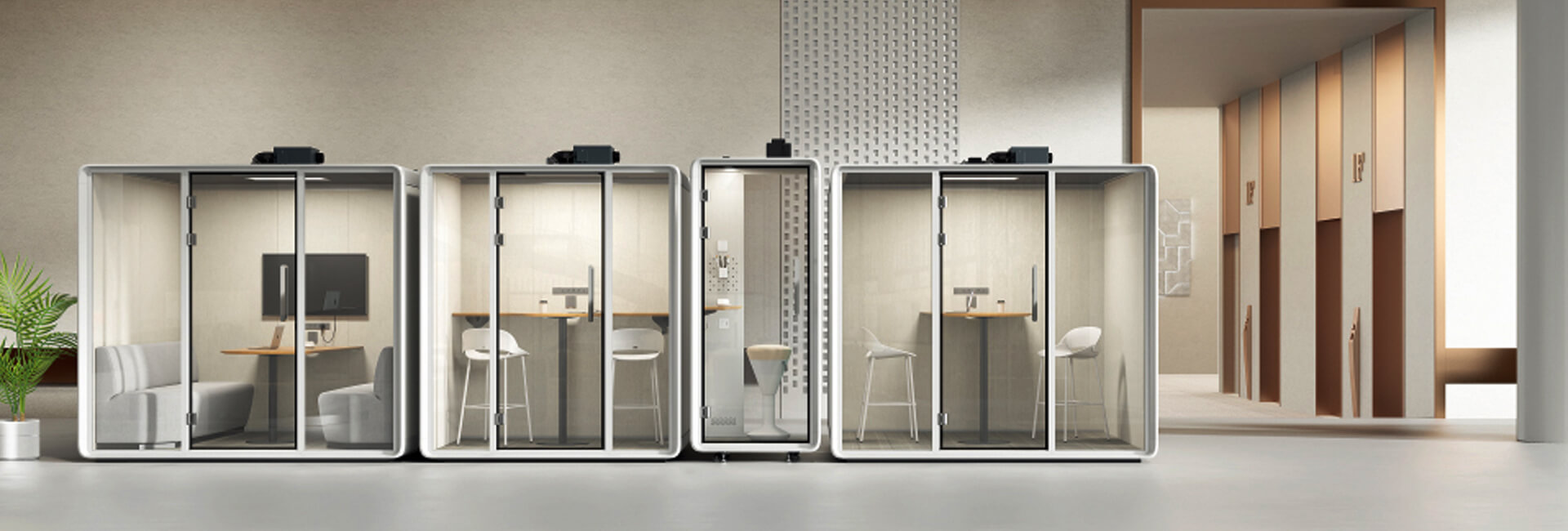
This Croatia application reference concerns meeting booths for offices in an open workplace context. The available project record supports the country, product category, and existing project image set. It does not provide an independently verified customer name, employee headcount, documented user-research record, measured acoustic result, installation duration, or quantified workplace outcome. Those details are therefore not presented as project facts.
The useful lesson for a similar project is the decision path: define the meetings that need enclosure, review the proposed booth against the actual layout, control delivery and assembly interfaces, and agree what will be checked at handover.
The page identifies a Croatia office application in which enclosed meeting space was considered within an existing workplace. That context is enough to frame the buyer problem without inventing the customer's identity or reporting an outcome that is not supported by a project record. Open workplaces commonly require a distinction between collaborative desk areas and conversations that need more separation, but the exact number, frequency, and confidentiality of meetings must be established for each site.
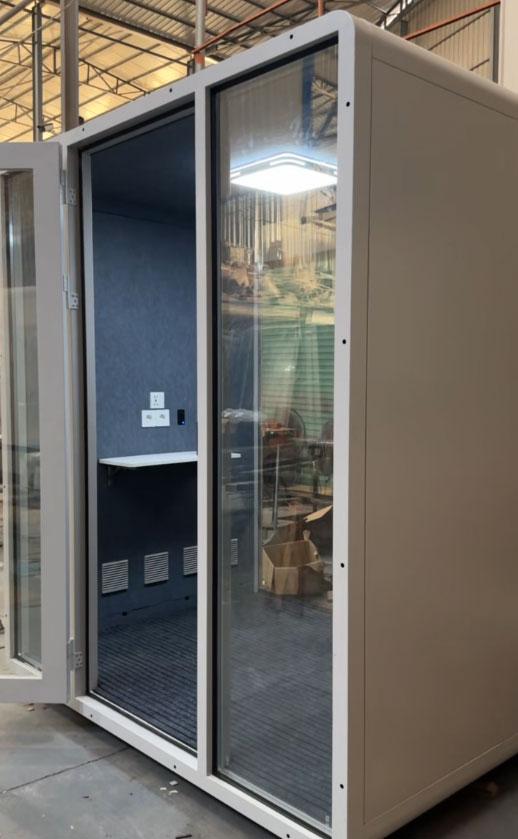
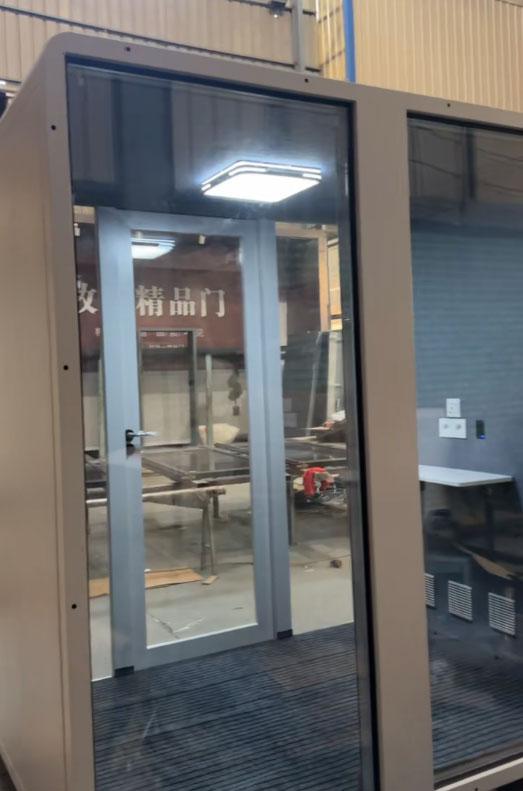
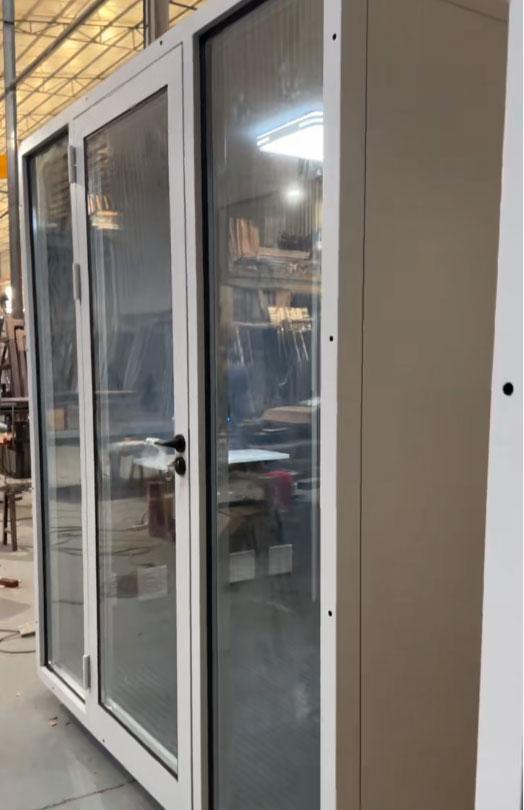
The project images should be read as visual records of the product and application, not as proof of acoustic performance, user satisfaction, or room capacity. A buyer can use them to discuss form, glazing, interior layout, access, and visible interfaces. Technical suitability still depends on the quoted configuration, stated conditions, supporting information, and the actual host room.
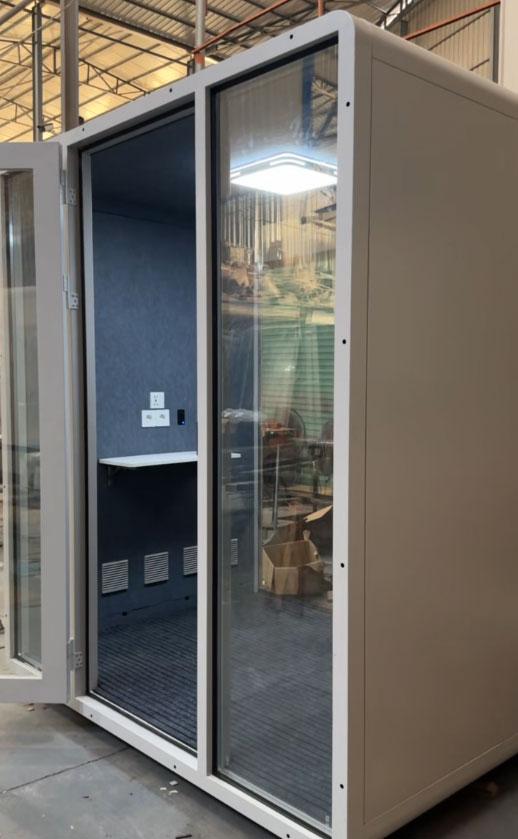
A similar buyer should begin by recording the meeting types that cannot be handled well at open desks. Examples may include scheduled video calls, short discussions, interviews, or conversations that require controlled speech privacy. The buyer should then note likely occupancy, session duration, equipment, booking method, and whether users need the booth for focused individual work as well as meetings.
This use boundary prevents an ambiguous request for “more privacy” from becoming an unsupported promise. It also helps the supplier explain the proposed configuration and its limitations. If a project has a specific acoustic, ventilation, lighting, power, accessibility, or fire requirement, that requirement should be documented and answered with applicable evidence. This case page does not establish such values for another site.
Review circulation around the booth. Entry should not create a conflict with primary walkways, nearby doors, storage, or workstations. The final location should preserve any clearances and service access stated by the supplier. The project team should also consider how booking, cleaning, and routine inspection fit normal office operations.
Before order approval, connect the booth layout to the delivery route. Measure entrances, turns, lifts, stairs, and staging areas, then compare the route with supplier package and handling information. Confirm where assembly can take place, who protects adjacent finishes, who removes packaging, and which building restrictions affect working hours or contractor access.
Interfaces should be assigned to named parties. The supplier should identify the proposed booth configuration and product-side requirements. The facility team should confirm room readiness, final position, available services, and access permissions. Other contractors may own electrical or building work. Keeping these responsibilities separate reduces the risk of an unowned task at installation.
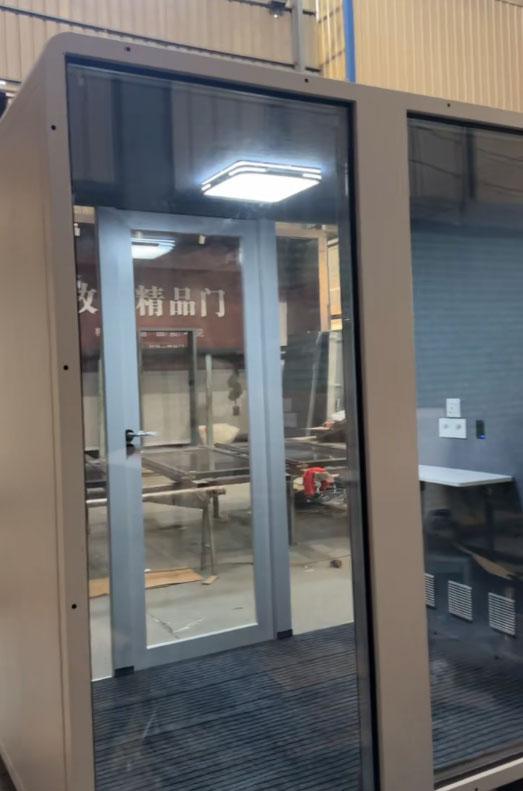
The handover board below separates records from observations. It can be adapted for a similar project and completed with the responsible supplier, installer, and facility team. A missing item remains open rather than being converted into a general claim of success.
| Evidence lane | Record or observation | Responsible party | Close-out state |
|---|---|---|---|
| Configuration | Approved model, options, drawings, finishes, and interfaces | Supplier and buyer | Accepted or open |
| Site readiness | Final position, route, clearances, room services, and work restrictions | Facility team | Ready or corrective action |
| Assembly | Component check, positioning, connections, cleaning, and packaging removal | Installer | Complete or snag |
| Operation | Controls, lighting, ventilation, visible condition, and user guidance | Supplier and witness | Demonstrated or open |
| Lifecycle | Inspection points, cleaning guidance, service access, and document index | Facility owner | Received or missing |
Where performance must be verified, the buyer should define the method, condition, and acceptance responsibility before installation. A visual inspection can confirm condition and configuration. It cannot by itself prove an acoustic rating, airflow value, or user outcome. The project record should keep those evidence types distinct.
The transferable value is a sequence, not a claimed result. First define which meeting activities require enclosure. Then shortlist a suitable meeting pod configuration, check it against layout and access, assign interfaces, and prepare the handover board before delivery. Finally, record observations under the actual operating conditions and keep unresolved items visible.
Do not transfer unverified details from one country or office to another. Occupancy patterns, room conditions, access routes, regulations, and service responsibilities can differ. Use this Croatia reference to organize questions, while requiring project-specific evidence for the new location.
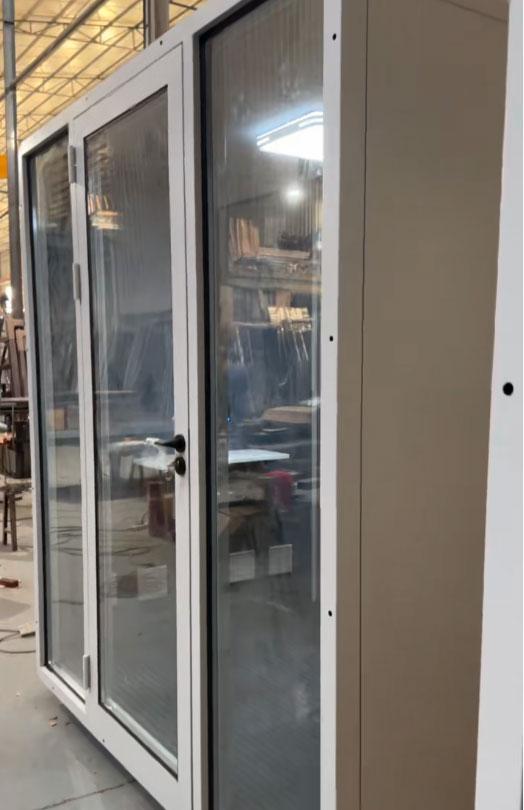
This Croatia meeting booth reference is most useful when its evidence boundary remains clear. It documents the product category and application context without asserting a named customer, measured result, claimed user outcome, or guaranteed benefit. Buyers planning a similar office project should define the use boundary, verify the route and layout, assign every interface, and close the project through a condition-based handover record.

 Tel: +8613538031763
 Email: info@sopworkpod.com
 MP/WhatsApp: +8613538031763
 Manufacturer Address:Liucheng Lujiang District,Meixi Road,Nanan City,Fujian,China