Author:SOP Work Pods Manufacturer TIME:2026-10-12
Who would coordinate the handoff if the employee left while an employer-owned pod remained in the household? That question belongs before purchase, alongside the decision to place the equipment there. Office pods for home can otherwise enter an asset register without a shared understanding of how the employer and household will stay in contact when the working arrangement changes.
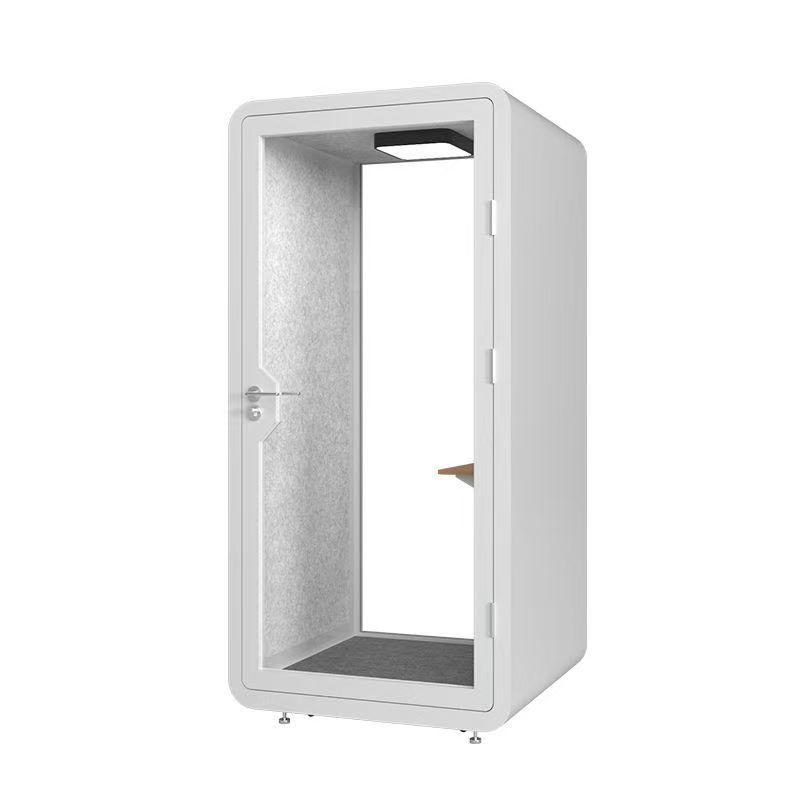
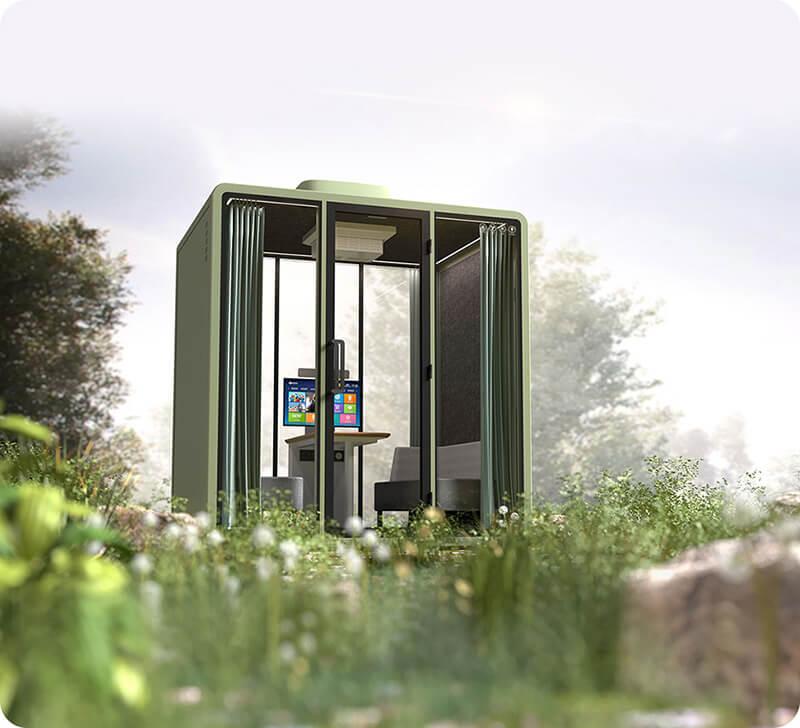
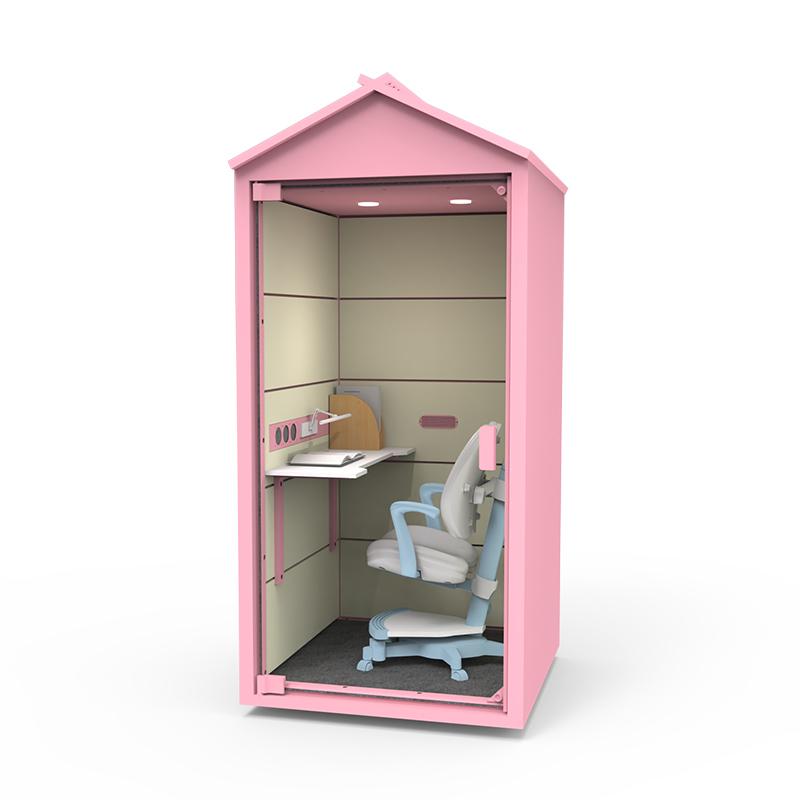
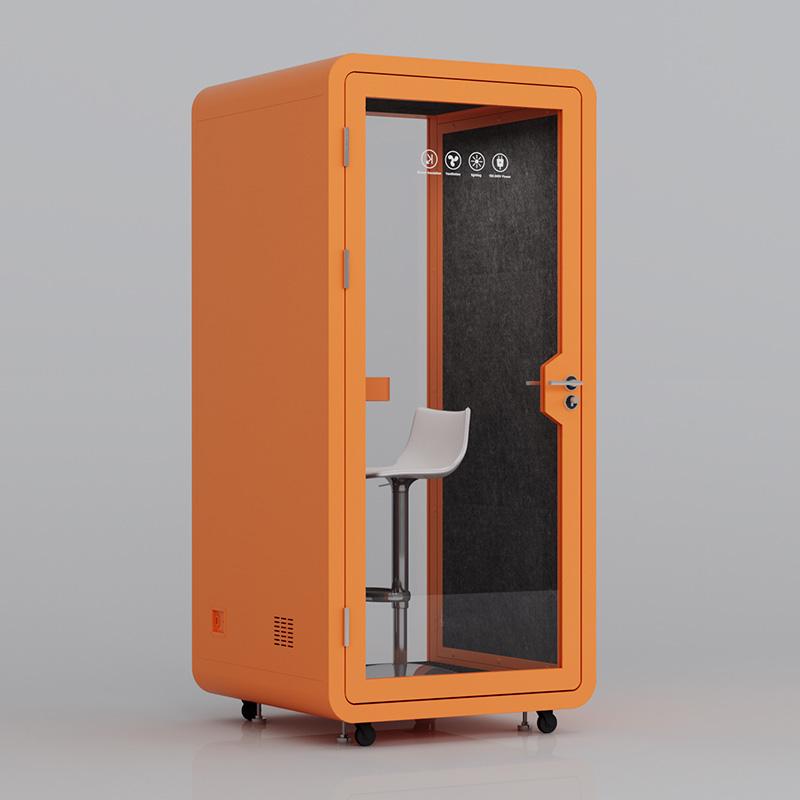
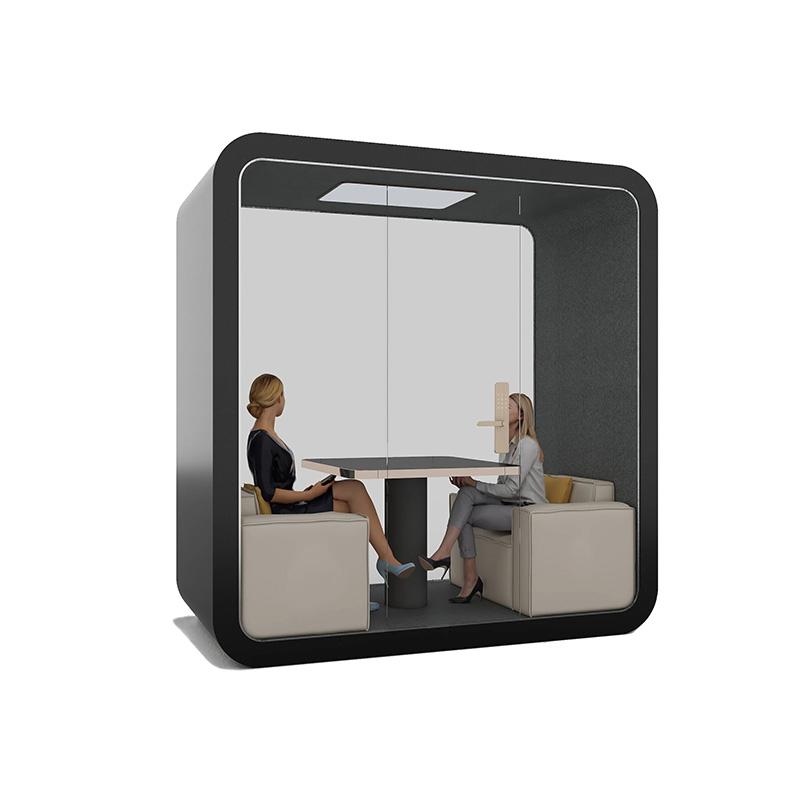
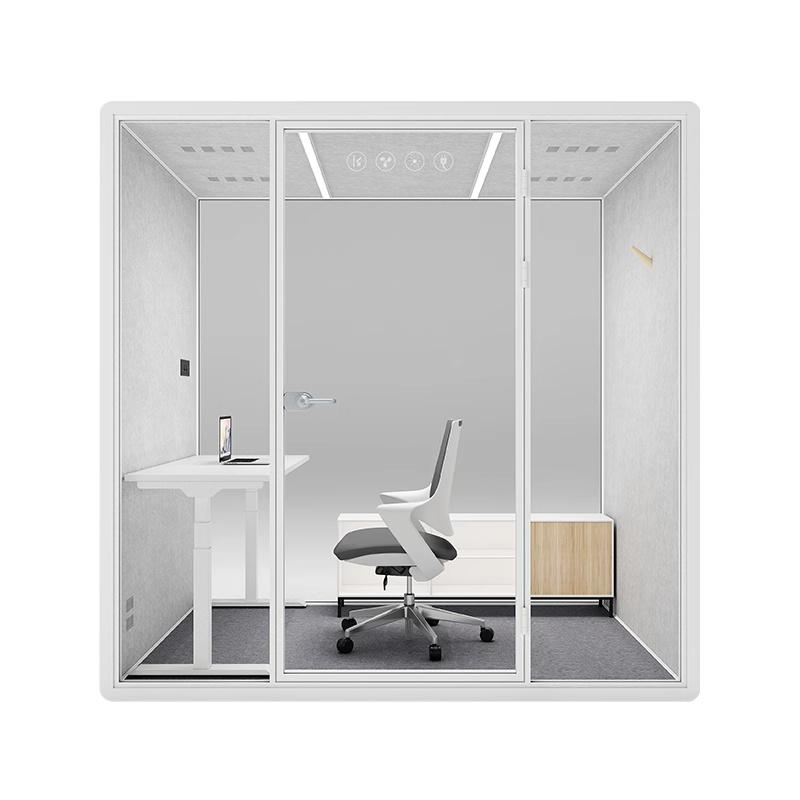
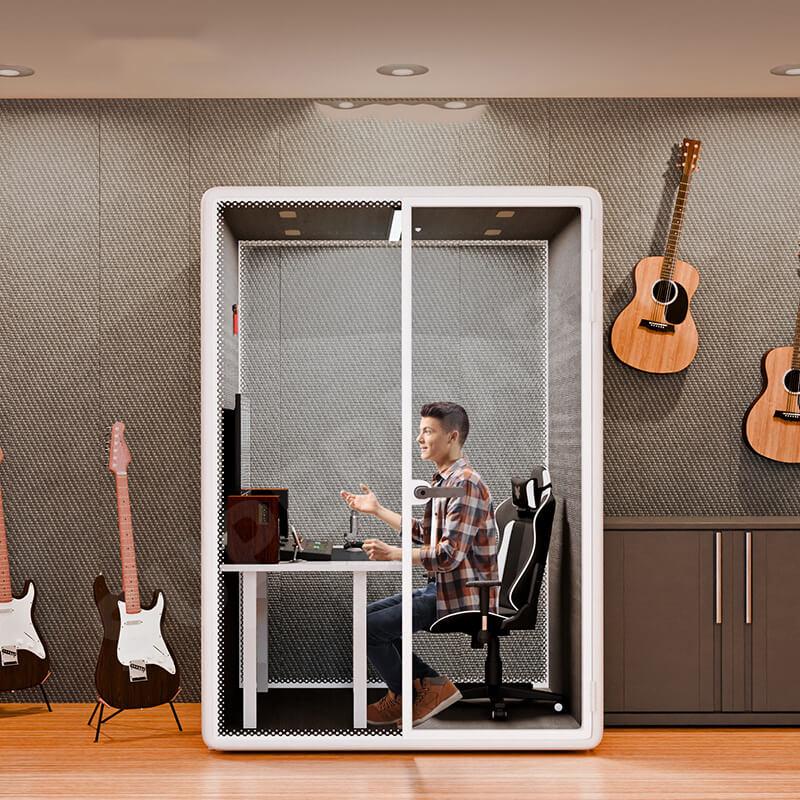
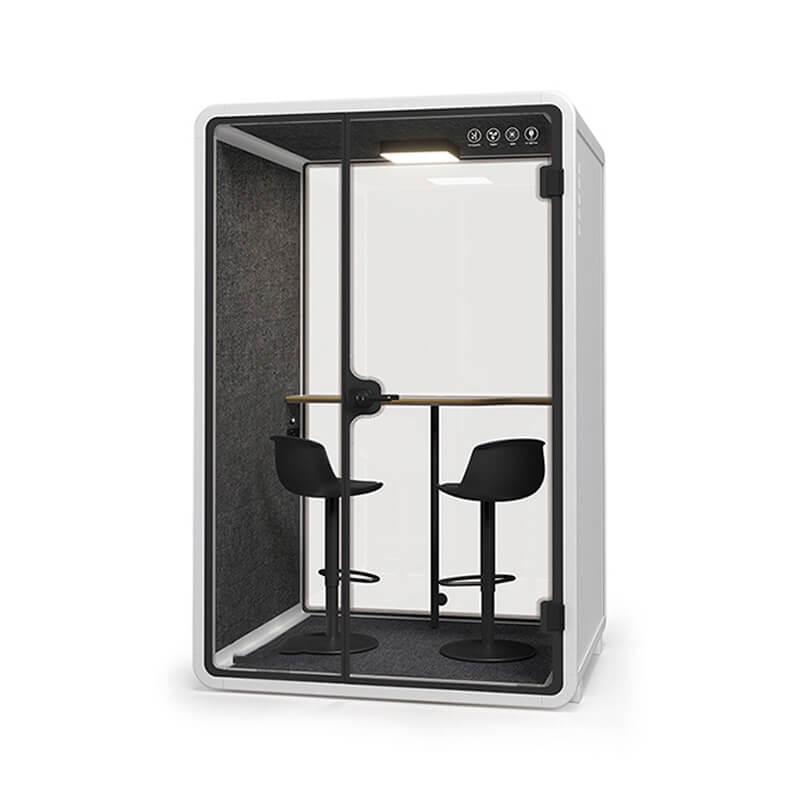
This guide concerns an indoor enclosure owned by the employer and placed with an employee, not a supplier rental or a garden building. Its output is a negotiated practical custody arrangement. It does not prescribe employment terms, removal methods or automatic remedies; the parties need an agreed route for communication, scheduling and documented handover. The illustrations show office enclosures, not documented employee households or recovery visits.
Ask the employee and the employer's equipment owner to describe what they expect when the placement ends. Does the employer intend to arrange collection, consider a separately agreed transfer, or decide between options when circumstances are known? Keep the answer explicit. A general home-working policy may not answer the practical questions raised by a large indoor enclosure, and a product's portability label does not supply a recovery agreement. If no workable handoff can be discussed, leave that part of the purchase proposal unresolved rather than assuming it will be easy later.
Keep another workspace option available while this discussion is unresolved. The employee should be able to explain a practical household constraint without being expected to solve the employer's logistics problem. The buyer can then reconsider the proposed placement or request a different support arrangement. A smaller commitment may suit the circumstances better than approving an enclosure whose eventual handoff neither party can describe.
Name the employer as the intended asset owner in the placement record and identify the employee contact for day-to-day coordination. Describe custody as the practical record of where the equipment is held and who can communicate about it. Do not treat that record as permission for unarranged visits or as authority for household members to make commitments on someone else's behalf.
Ask how appointment proposals should reach the household and which person can confirm them. If another household member is expected to help, discuss that person's participation rather than assuming it. Keep home contact information in the appropriate restricted record, with only the detail needed by those coordinating the agreed service. Procurement does not need a general account of the household's routines to identify its asset.
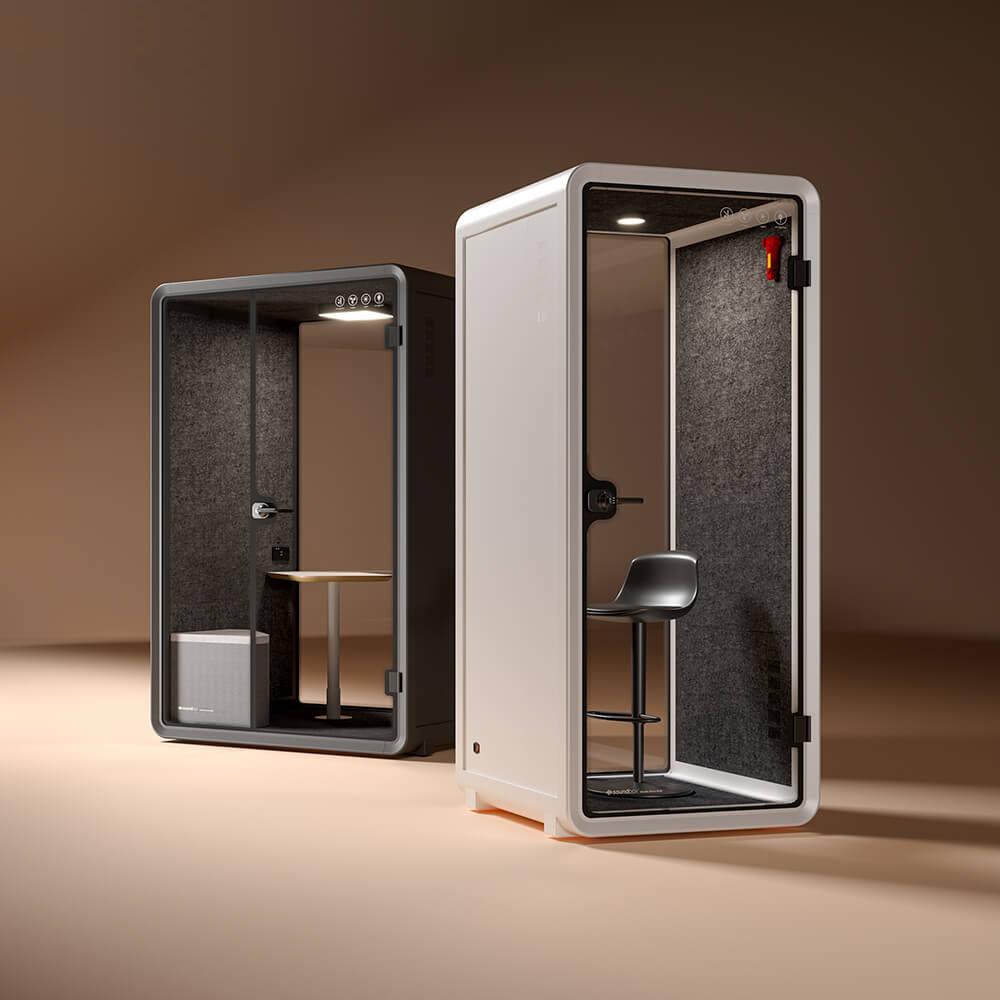
Identify the enclosure using the references actually supplied with it, together with the employer's asset reference where one exists. List the employer-owned furniture and accessories included in the placement separately from the employee's own devices or belongings. This is an ownership description, not an instruction to separate or handle components.
Agree a proportionate starting-condition record that both parties can access. Use written observations and, where agreed, focused photographs of the equipment. Avoid capturing unrelated rooms, personal documents or household members. The objective is to identify the placed asset and any existing condition questions, not to document the home broadly.
Attach the current supplier information and name the employer contact for support enquiries. Ask the employee how a reported issue will reach that contact and how the acknowledgement will be recorded. A shared record should make it easier to discuss a later question without assuming who caused a change or treating an incomplete photograph as a conclusion about responsibility.
Discuss practical triggers such as a planned household move, a change in home-working arrangements, loss of the intended room, or a request to end the placement. Ask how the employee would raise the change and which employer representative would respond. Set any preferred notice arrangements by agreement, leaving unexpected circumstances a clear contact route rather than inventing a fixed deadline.
Do not assume that a pod can follow the employee to another address under the original plan. A different placement needs its own supplier and household coordination. The employee can report that a move is proposed without being asked to diagnose access, estimate technical work or arrange relocation personally. The employer's coordinator should establish what professional assessment and further agreement the new situation would require.
An employer considering a SOP office pod for indoor placement in an employee household should request configuration-specific supplier information alongside this custody discussion. The product reference does not establish a home recovery service or agreed employment arrangement.
Before the work account is closed, agree how remaining equipment coordination will continue. An employee may prefer an agreed personal contact channel, or a designated employer contact they can reach without signing into workplace systems. Record the chosen arrangement and who will maintain the conversation. Keep the contact purpose limited to the outstanding handoff. The employer's offboarding checklist should distinguish the end of employment access from completion of asset recovery so an inactive account does not make an unresolved household placement disappear from view.
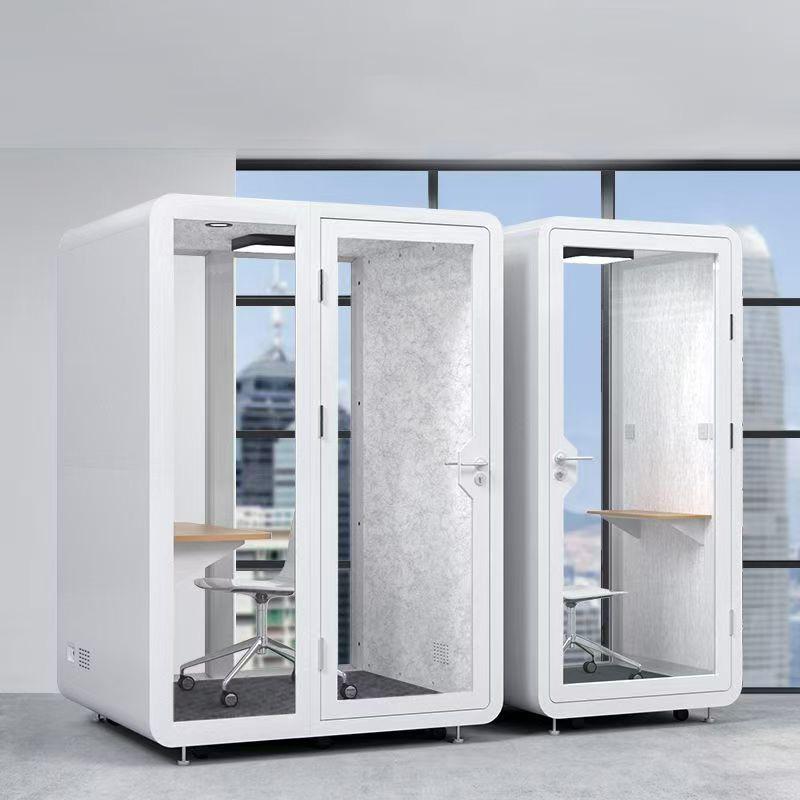
Ask the employer coordinator to propose the service provider, intended appointment purpose and information needed to arrange attendance. The household should be able to confirm a workable appointment or identify a conflict. An anticipated date is not a confirmed visit, and ownership of the asset should not be used as a substitute for this coordination.
Request a provider-defined scope for the actual technical assessment and recovery work. This article does not describe how to disconnect, dismantle or move an enclosure, and the employee should not be assigned those tasks through an informal message. Record who commissions the appropriate service and who answers questions about its proposed scope before the appointment is agreed.
Discuss proposed costs and coordination responsibilities before booking, without assuming a charge belongs to the employee. Keep disputed or unpriced items visible for the employer's appropriate reviewers. If an appointment cannot proceed, agree how cancellation or rescheduling will be communicated and who will issue the revised proposal. Do not let an unanswered scheduling message be recorded as a completed recovery.
A delayed handoff needs an explicit temporary arrangement. Ask whether both parties can agree continued placement for a defined review period, a different appointment, or another option requiring separate approval. Record the next conversation and its owner without treating silence as agreement. The table presents negotiation prompts, not default duties or outcomes.
If the employee asks to retain the pod permanently, treat that as a new proposal for the employer's appropriate approval route. Do not describe it as an automatic benefit or an assumed purchase entitlement. Likewise, if ordinary coordination breaks down, refer the unresolved matter to the employer's designated support or people team. Keep the article's practical planning scope separate from any dispute that needs its own advice.
| Changed circumstance | Option to discuss together | Decision still needed |
|---|---|---|
| Work account closes before collection | Continue through an agreed contact channel | Who maintains the remaining household conversation? |
| Proposed appointment conflicts with household availability | Offer another mutually workable appointment | Who confirms the revised provider booking? |
| Recovery cannot proceed as originally planned | Agree temporary continued placement and a review point | Which coordinator returns with the next proposal? |
| Employee proposes keeping the enclosure | Refer a separate transfer proposal for review | Who can approve and document that different outcome? |
| Collection occurs but a condition question remains | Record the custody transfer and keep the question separate | Who supplies evidence and responds to the unresolved observation? |
Agree the handoff record before the appointment so the parties know what they will be asked to acknowledge. It should identify the asset, the receiving organization or provider, the collection event and any condition observations still unresolved. Distinguish acknowledgement that the listed equipment was collected from agreement about a disputed condition or cost. Give the employee and employer access to the relevant record, and leave separate questions open under named ownership instead of asking one signature to settle everything. Technical completion remains with the responsible service provider, not the household's acknowledgement alone.
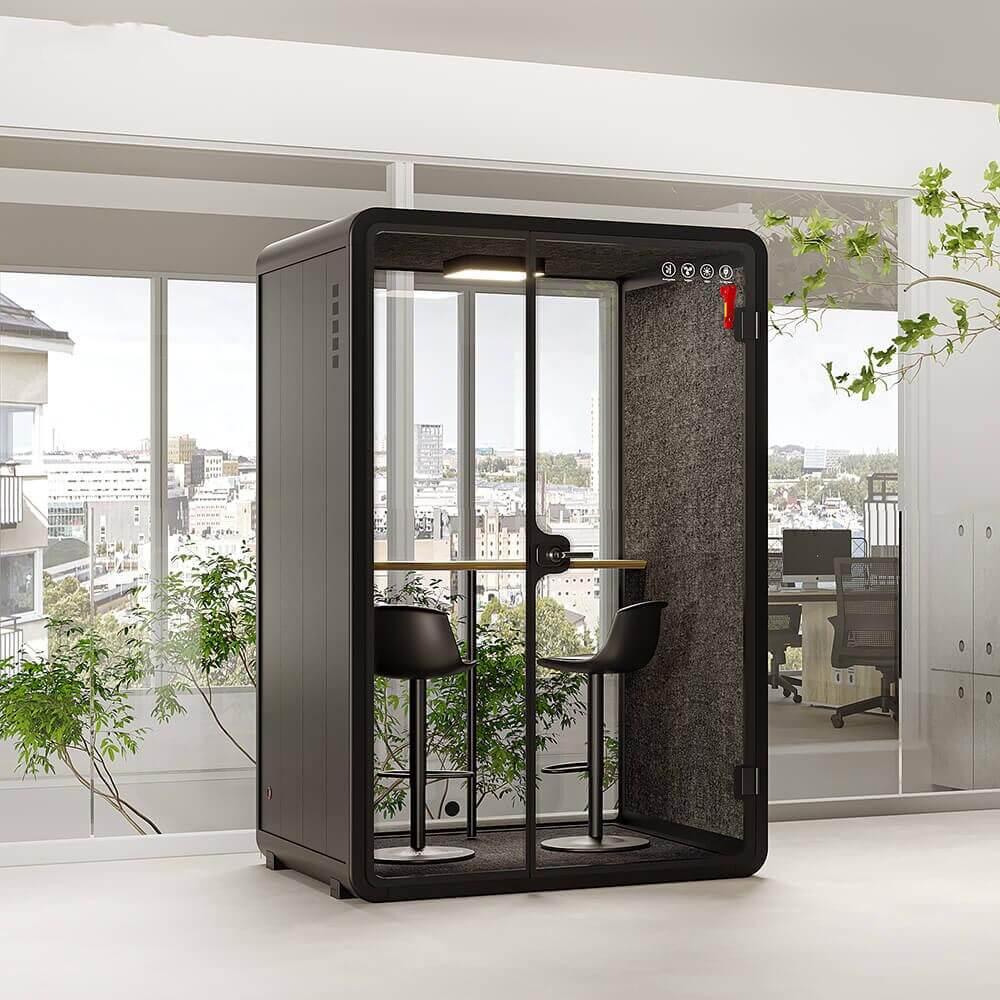
After the agreed handoff, reconcile the equipment record with the employer's receiving record. State where custody now sits and who owns any outstanding enquiry. A provider appointment marked attended is not the same as a confirmed transfer of the identified asset. Check that the old household placement is no longer shown as active only when the agreed evidence supports that update.
Review whether any agreed follow-up with the household remains, and communicate its owner clearly. Retain and handle the placement records through the employer's established information process rather than inventing a retention period here. Use the experience to refine the next placement agreement, keeping an unresolved condition question distinct from the fact that collection occurred.
Is this the same as returning a rented booth?
No. The scenario assumes employer ownership and a placement in an employee household. The central questions are custody, agreed contact and offboarding coordination, not rent, deposits or a supplier's rental-return terms.
Who should arrange the collection conversation?
Name an employer coordinator before placement and agree the household contact route. The coordinator can propose the provider and appointment scope, while the household confirms availability or raises a conflict. Avoid relying on an account that may close during offboarding.
Does an employee need to prepare a dismantling plan?
No technical removal plan is assigned here. The employer should obtain the appropriate provider's scope and coordinate it with the household. Keep professional recovery work separate from the employee's practical role in discussing an appointment and identifying personal belongings.
What if collection takes longer than expected?
Discuss and record a temporary arrangement with a named coordinator and another review point. Do not presume indefinite storage, automatic charges or consent from an unanswered message. Keep the unresolved handoff visible in the employer's equipment record.
Can a collection receipt settle a condition disagreement?
It can record the transfer that actually occurred. A separate unresolved condition should retain its own evidence and review owner. Do not ask an acknowledgement of collection to stand for agreement about responsibility or cost.
Before purchasing office pods for home for an employer-funded placement, agree who owns the equipment, who coordinates with the household and how that contact will continue through offboarding. Identify the asset and keep proposed appointments, technical service scope and custody acknowledgement distinct.
Bring the employee and employer equipment owner together to settle the remaining handoff questions before placement. Where recovery timing or a different outcome is uncertain, retain a negotiated review route. A workable custody arrangement is a shared practical understanding, not a product feature or an assumed right to recover equipment by an unagreed method.

 Tel: +8613538031763
 Email: info@sopworkpod.com
 MP/WhatsApp: +8613538031763
 Manufacturer Address:Liucheng Lujiang District,Meixi Road,Nanan City,Fujian,China