Author:SOP Work Pods Manufacturer TIME:2026-09-20
An office soundproof phone booth in Czechia is easier to compare when every bidder completes the same technical submittal. Product names and brochure pages often mix standard features, options, family-level statements, and photographs of another configuration. A controlled schedule forces the quoted unit, evidence, exclusions, and building interfaces onto one record.
This is a procurement application reference, not a report of a Czech customer delivery. It does not certify a product or site. Czech building, fire, electrical, accessibility, property, and occupational matters need review by the qualified parties appointed for the actual project.
Issue the schedule with the inquiry and ask suppliers to answer each line with a value, document reference, drawing, option, exclusion, or clearly marked unknown. Prose such as "high performance" should not replace a response. The method gives technical, commercial, and facilities reviewers a common baseline before a preferred booth is selected.
Start with project identity, quantity, intended use, location, programme, working hours, and submission deadline. Then divide the schedule into configuration, dimensions, access, materials, acoustic evidence, ventilation, lighting, power, controls, furniture, installation, documentation, service, and warranty. Give each requirement an identifier so clarifications can refer to a stable line.
Tell suppliers how to record compliance. "Included" should point to the offered model and document; "alternative" should explain the difference; "excluded" should identify the buyer's resulting duty. Leave no blank cells. An unanswered line remains an open risk and should appear in the tender review rather than disappearing inside a general statement of compliance.
Separate mandatory lines from weighted preferences before tenders return. A missing safety, route, connection, or essential functional requirement may block an offer regardless of its total score. Preferences such as a finish choice or optional control can receive an agreed weight. Publish the evaluation logic internally and apply it consistently. This stops a polished presentation from compensating for an unresolved critical interface and makes the award recommendation easier to audit.
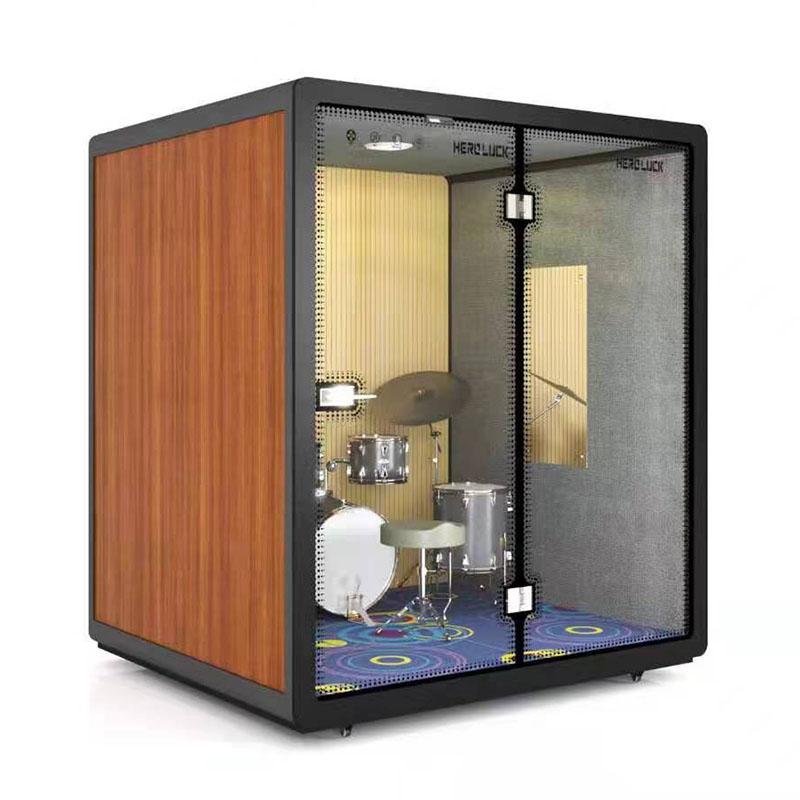
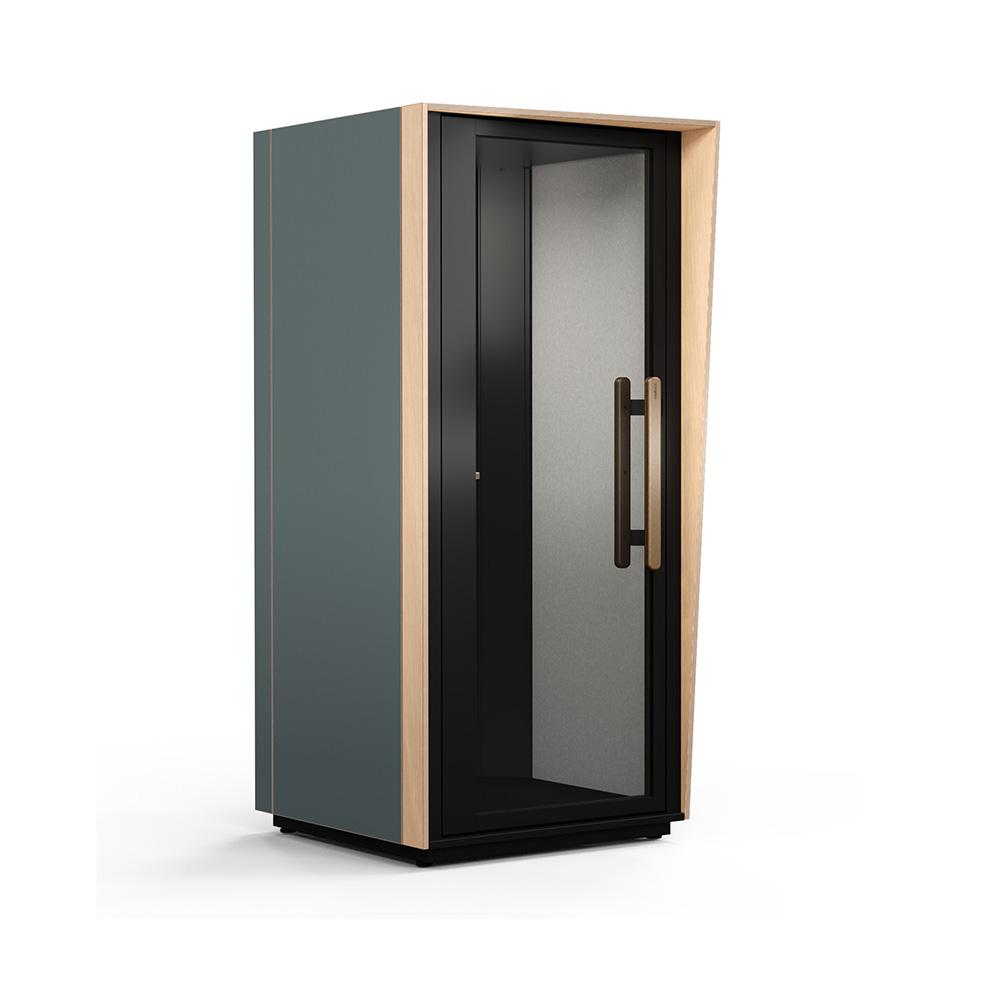
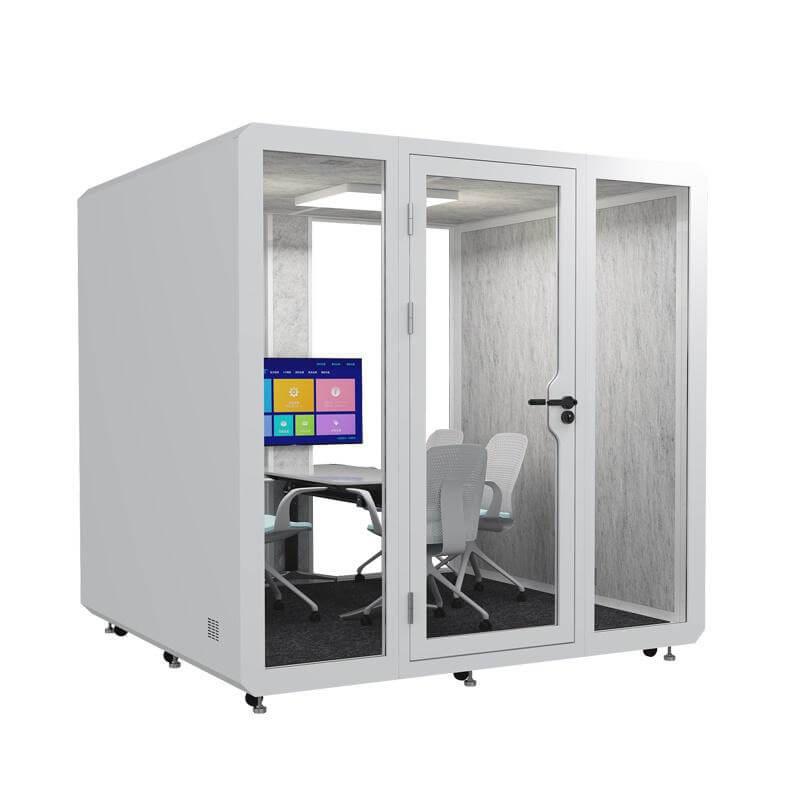
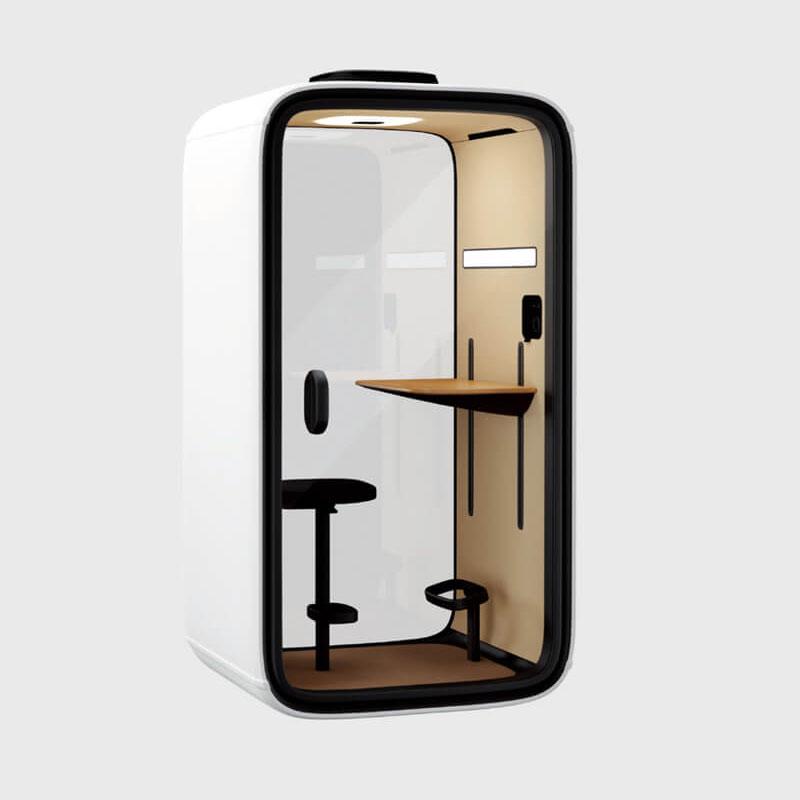
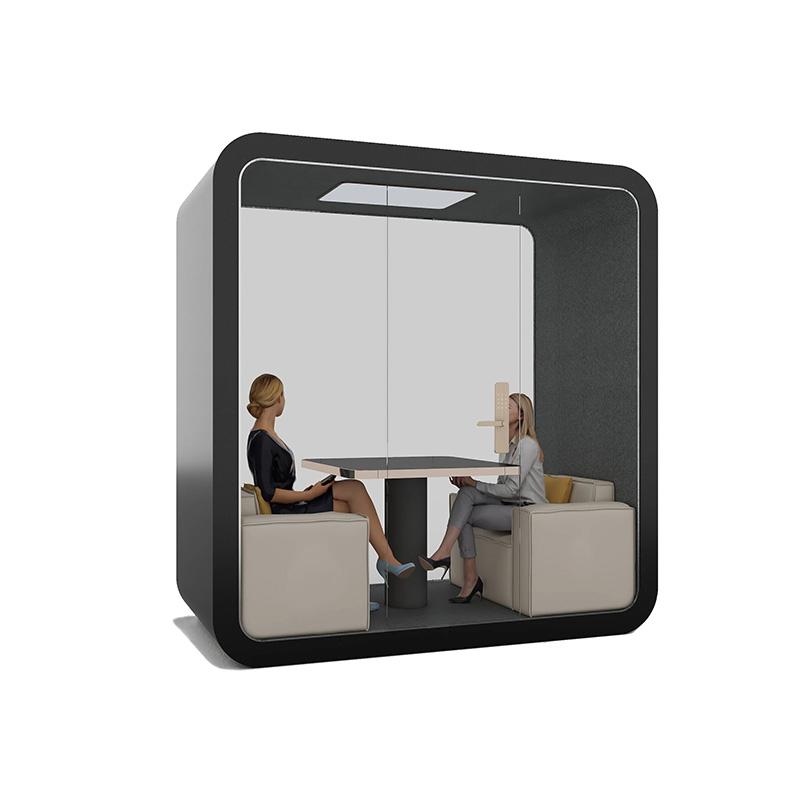
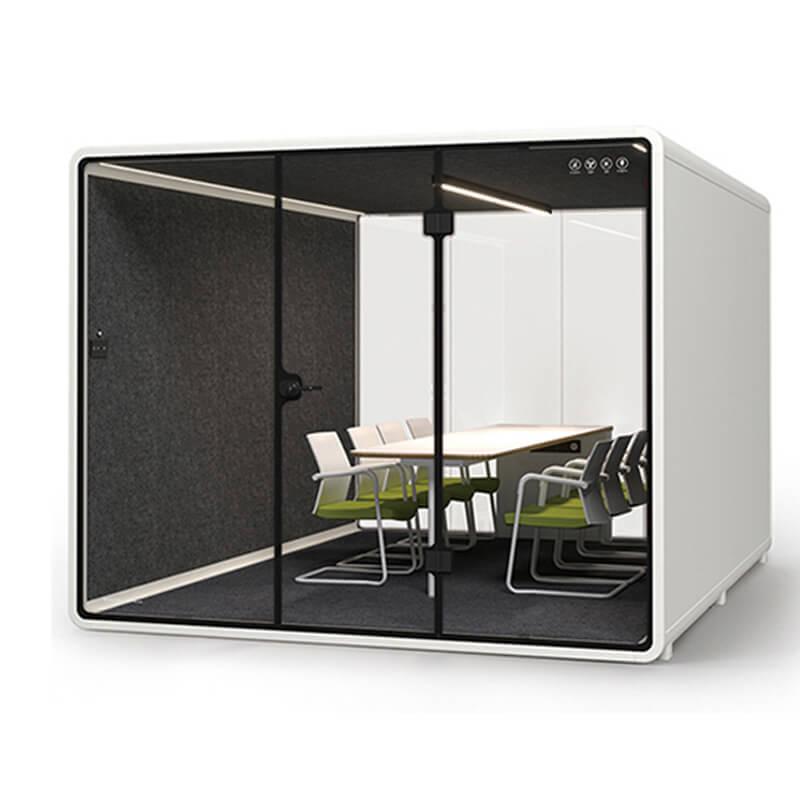
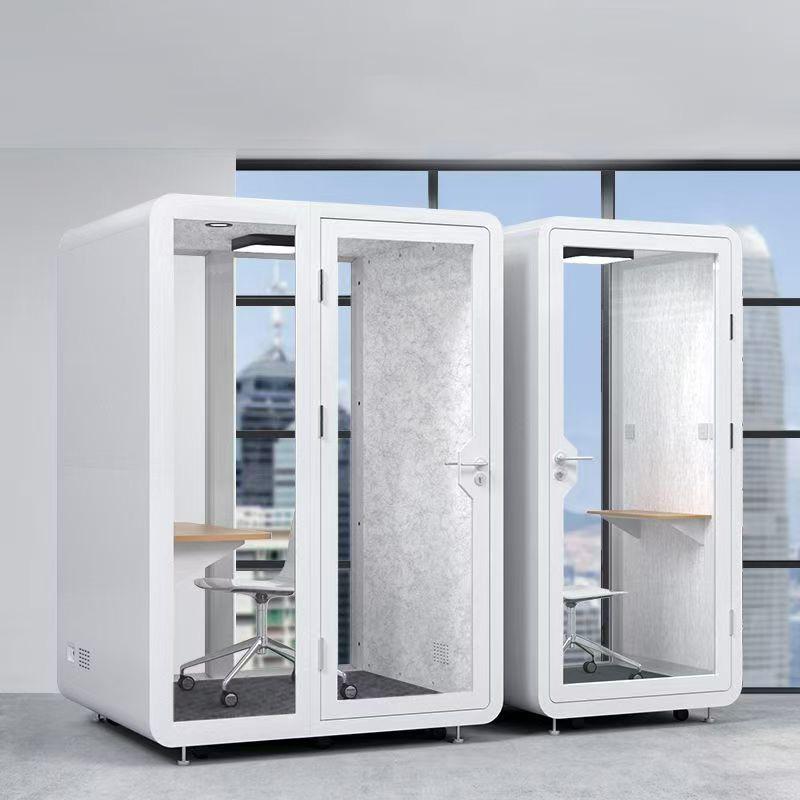
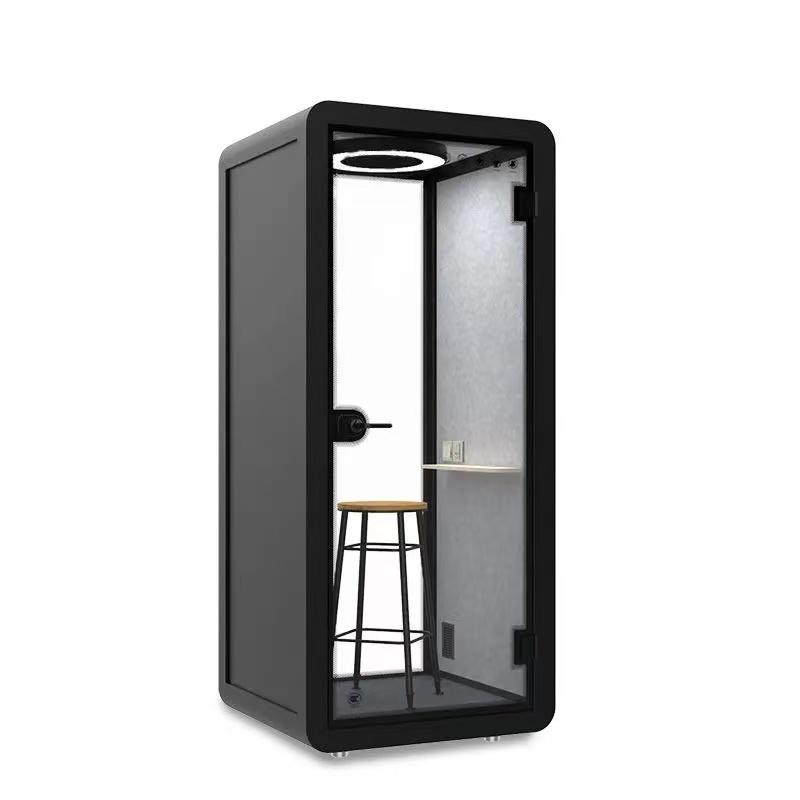
Request the model, revision, exterior and interior dimensions, weight, door hand, glazing, worktop, seat, finishes, controls, electrical arrangement, and options as one configuration sheet. Match photographs and drawings to that sheet. Where an image shows an option, label it so reviewers do not assume it forms part of the base offer.
Record quantity differences as well. A sample, showroom booth, and production batch may not share the same finish, equipment, or revision. The purchase order should reference the approved configuration and change procedure. This protects both parties when a late substitution or product update affects a line that influenced selection.
Require a transmittal for each drawing and document set. The transmittal should list revision, status, purpose, related schedule lines, and superseded material. Reviewers can mark approved, approved with comments, revise and resubmit, or information only according to the project's controls. Never infer production release from silence. A visible release point helps the supplier protect programme while preventing an early sales drawing from becoming the accidental construction record.

For configuration context, review office phone booth configurations alongside the submittal, then return to the site-specific evidence and responsibility checks in this guide.
Ask for package sizes, largest component, weights, handling method, assembly zone, tools, waste, crew, and estimated working time. Compare those needs with loading access, lifts, doors, turns, overhead limits, floor protection, security, and final position. A booth footprint does not prove that the building can receive the delivery method.
State who surveys the Czech site and who owns discrepancies. Use measured route drawings and dated photographs. If lifting, temporary removal, out-of-hours work, or local permits may be required, identify the responsible party and price basis before award. Keep route acceptance separate from final product acceptance.
Confirm how the completed route returns to normal use. Floor and wall protection must be removed, waste cleared, access controls restored, and any temporary removal reinstated. Assign evidence and ownership for those tasks. Installation completion inside the booth does not close damage or disruption elsewhere along the delivery path, so the route should have its own signed condition record.
For acoustic claims, record the test or assessment method, complete product or component tested, configuration, operating condition, result, report issuer, and date. Check whether the offered booth matches the evidence. Do not combine unrelated numbers or translate a material rating into a promise for the assembled enclosure.
Apply the same discipline to ventilation, lighting, power, materials, and any certification statement. The schedule should identify what was measured, declared, or certified and what remains a site observation. Project acceptance may include visible and functional checks, while a formal performance test should follow the method and responsibility written into the contract.
Create a separate compliance-document index rather than placing every certificate under one generic heading. Record the named product or component, issuing body, standard or requirement stated by the document, date, language, validity or scope shown, and reviewer. Local Czech specialists decide relevance to the actual project. The procurement team should avoid describing an entire installation as certified when the document applies to a material, factory system, electrical item, or another model.
| Submittal status | Required entry | Review action | Release consequence |
|---|---|---|---|
| Compliant | Exact offered value plus drawing or evidence reference | Confirm match to project requirement | Line may proceed subject to linked interfaces |
| Alternative | Difference, reason, evidence, cost, and programme effect | Accept, reject, or request revision | Do not treat as base compliance |
| Excluded | Scope omitted and party expected to provide it | Assign duty and include total project cost | Award remains blocked if the boundary is unresolved |
| Open | Specific missing answer or document | Name owner and due date | Keep visible in risk and tender decision records |
Map the booth's power input, outlets, charging, lighting, fans, controls, sensors, and optional network equipment. State loads and connection requirements supplied by the manufacturer, then assign the site-side design, connection, inspection, and documentation. A compatible voltage range does not remove the need to coordinate the actual circuit and plug arrangement.
Check clearances around air inlets, outlets, doors, and service panels on the final plan. Furniture, walls, curtains, storage, or signs can obstruct systems after a drawing is approved. Ask how filters, fans, lights, controls, and contact parts are accessed, cleaned, diagnosed, and replaced during normal operation.
Plan the operating review as well as the connection. Record who receives user faults, which information they collect, which checks remain within facilities responsibility, and when the supplier attends. Include cleaning access, filter or fan service where applicable, replacement of lights or controls, and safe access to electrical parts. Match service promises to the Czech location and contract rather than assuming that a general warranty includes labour, travel, parts, removal, or a replacement booth. This lifecycle boundary can change the commercial ranking even when two initial prices are similar.
Keep a tender clarification log tied to schedule identifiers. Record the question, supplier response, attached evidence, effect on price and programme, owner, and acceptance status. Verbal explanations should be written into the log before selection. A later reviewer must be able to reconstruct which version the commercial comparison used.
For substitutions, ask what changed and why. Compare dimensions, appearance, performance evidence, interfaces, cleaning, maintenance, spare parts, warranty, and delivery. Approval of one change should not silently approve connected changes. Update the configuration sheet and relevant drawings, then supersede old revisions without deleting the record.
Price unresolved items instead of hiding them. When a bidder cannot confirm a route, local connection, accessory, or document by the decision date, record a provisional allowance, programme risk, responsible party, and latest resolution point. The commercial comparison can then show both the submitted price and the exposure. An open technical line with no cost treatment makes the lowest offer appear more complete than it is.
Reuse the schedule at delivery and acceptance. Verify identity, quantity, configuration, location, finish, door and furniture arrangement, system functions, documentation, defects, and open items. Reference photographs to the relevant line. A checked box should state what was observed and should not imply a test that was not performed.
Close with approved drawings, product and care instructions, service contacts, warranty terms, parts information, acceptance state, and a dated exception list. Confirm which documents need translation for users or facilities teams. The final file should reflect the installed product and Czech site decisions rather than the first brochure received during inquiry.
Add post-award submittal dates to the procurement programme. Samples, coordinated drawings, route survey, method statement, electrical information, user documents, and acceptance forms need enough review time before manufacturing or delivery. Link each date to the party whose decision releases the next activity. This turns documentation into planned project work and reduces pressure to approve incomplete information because a delivery slot has already been promised.
For a Czechia procurement review, separate unresolved price questions from evidence questions. A lower figure may reflect a missing service line, a different electrical scope, a shorter warranty, or an excluded delivery route rather than a like-for-like saving. Ask the supplier to identify each assumption in the schedule, then retain the response with the submittal record. That discipline gives the project team a clearer basis for award and later variation control.
Why use a supplier schedule instead of comparing brochures?
A common schedule exposes configuration differences, options, exclusions, evidence, and open interfaces. Brochures can still support the review, but they rarely answer every project line consistently.
Does a component acoustic rating describe the whole phone booth?
No. Record whether evidence applies to a component or the complete enclosure, along with the tested configuration and method. Do not transfer one scope to another.
When should the delivery route be checked?
Check it before award using actual package and assembly information. Repeat the review if the site, route, product revision, or delivery method changes.
Can a supplier replace a material after approval?
Only through the agreed change process. Review the effect on appearance, performance evidence, interfaces, maintenance, cost, programme, and warranty before updating the approved configuration.
Does this submittal confirm Czech compliance?
No. It organises product and project information. Qualified local parties must review legal, building, fire, electrical, accessibility, property, and workplace requirements for the actual site.
An office soundproof phone booth in Czechia can be compared fairly when the exact unit, evidence, route, services, exclusions, and changes share one controlled schedule. This prevents a broad product-family claim from standing in for the configuration being purchased.
Carry the same identifiers into handover. The resulting file supports commercial selection, local Czech review, installation coordination, and later service without claiming facts that the documents or site observations did not establish.

 Tel: +8613538031763
 Email: info@sopworkpod.com
 MP/WhatsApp: +8613538031763
 Manufacturer Address:Liucheng Lujiang District,Meixi Road,Nanan City,Fujian,China