Author:SOP Work Pods Manufacturer TIME:2026-08-30
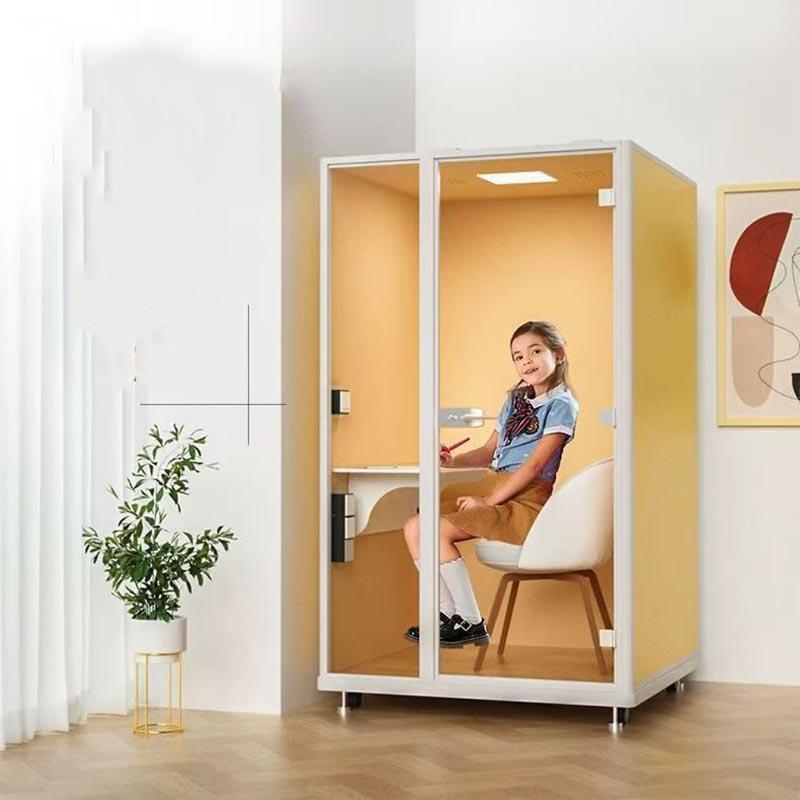
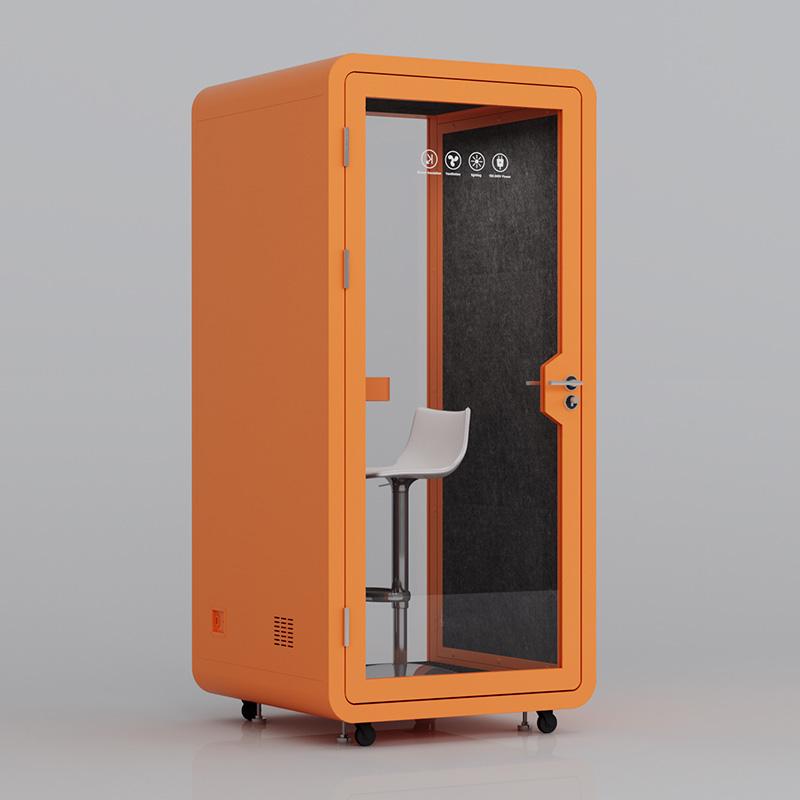
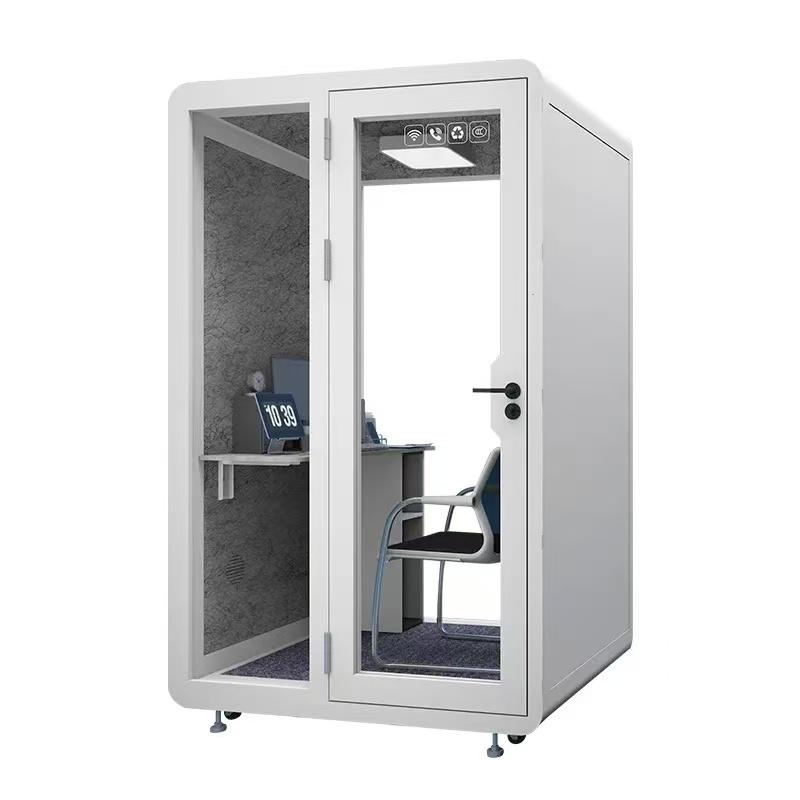
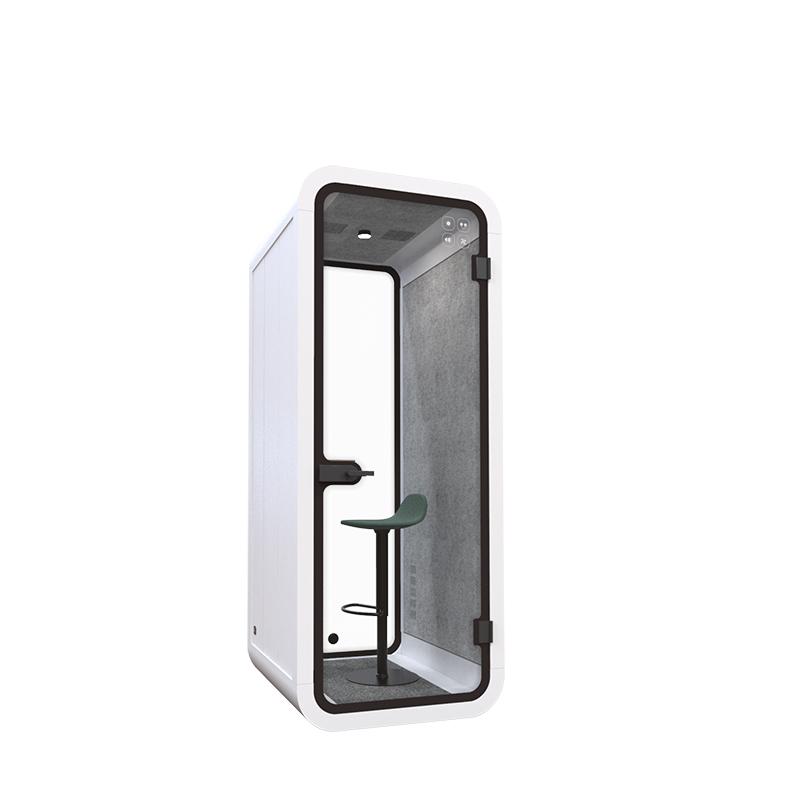
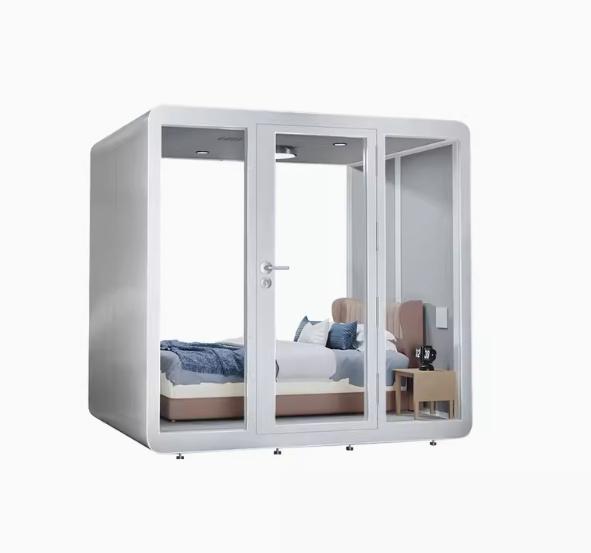
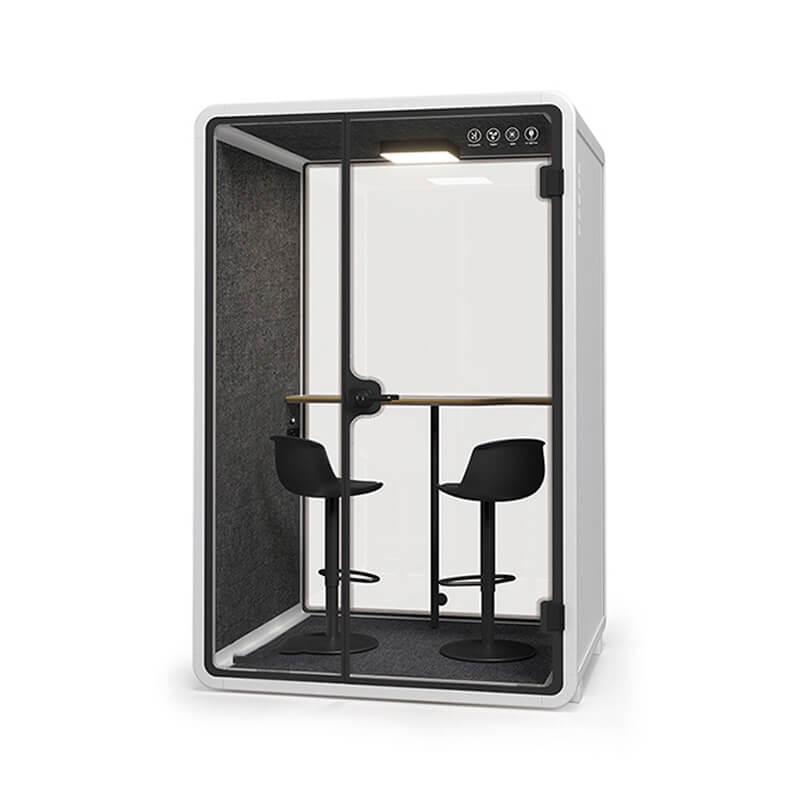
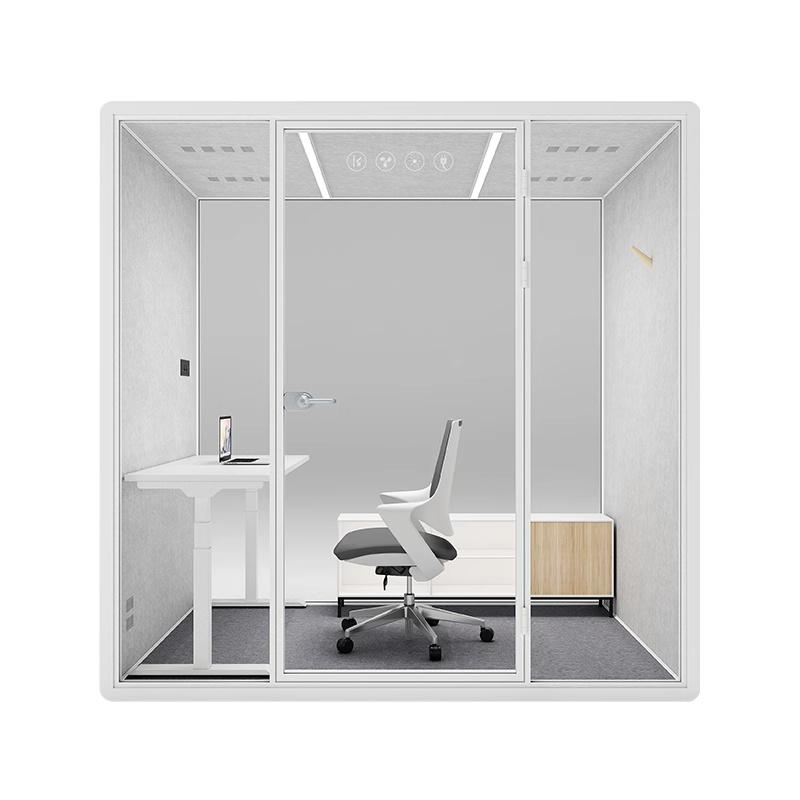
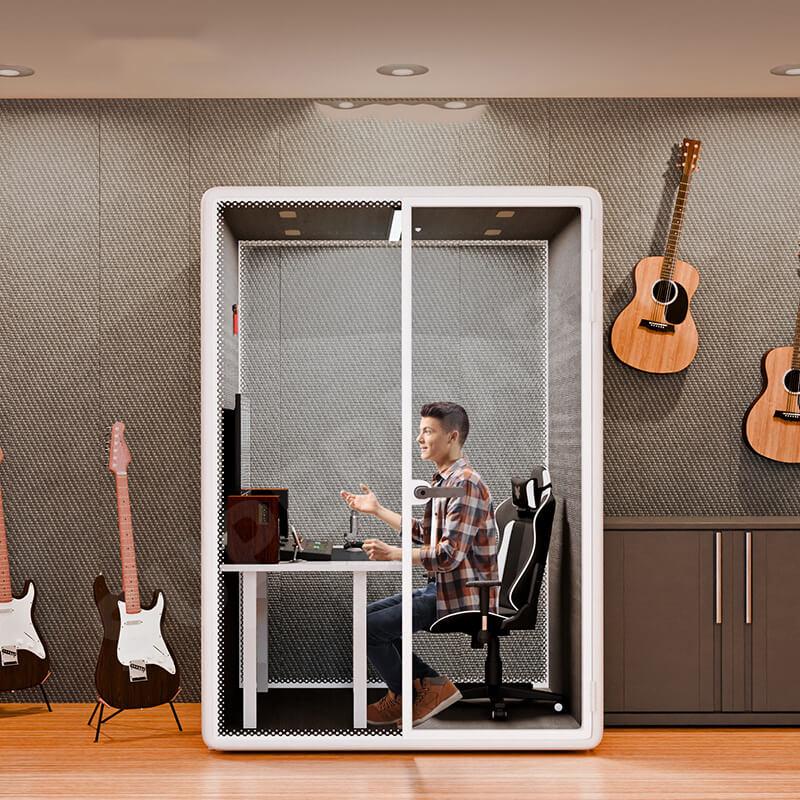
A portable meeting pod can be attractive to a Swedish office, coworking operator, hotel, school, or event team because the space may need to change over time. Portability, however, is not a complete project specification. The team must ask how the product is packed, moved, assembled, connected, inspected, serviced, and possibly relocated. A pod that is described as portable but has no agreed route or responsibility plan can still create a difficult delivery.
This article is a planning reference for a Sweden-oriented application. It is not a named customer case and does not prove a Swedish delivery, relocation, price, installation period, or regulatory approval. The purpose is to show how a buyer can evaluate movement and daily use together while leaving country-specific building, electrical, fire, accessibility, and property questions to the responsible local project professionals.
Start by explaining why portability matters. The pod may need to move between office zones, follow a lease change, support a temporary project, fit a changing coworking layout, or travel to an event. Each scenario creates different requirements. A move inside one building may need a disassembly plan and floor protection. A move to another building may add packaging, transport, new service connections, route approval, and a fresh acceptance check.
Write the first location and the likely next location separately. Record the work in each place, the number of users, the meeting equipment, the privacy expectation, the route, the floor, the power and data, and the surrounding activity. This prevents a buyer from selecting a configuration that works in the current room but cannot pass through the next building or support the next use.
Planning boundary: “Portable” is a project assumption that must be defined for a particular route and configuration. It is not proof that a product can be moved repeatedly, without specialist labor, without new site checks, or without service work.
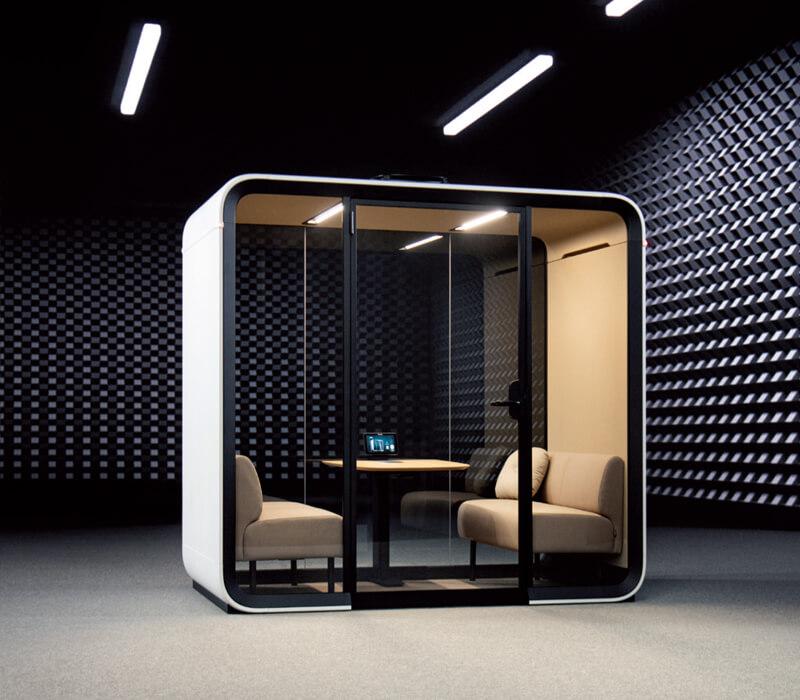
Once the movement scenario is documented, compare the meeting pod category with the meeting pattern and the route. Keep the exact product configuration, package information, installation method, and service boundary with the procurement record.
Ask how the offered pod reaches the room. It may arrive as panels and parts for internal assembly, as large sections, or as a mostly complete unit. These options change the package dimensions, labor, equipment, floor protection, corridor closure, and risk of damage. A buyer should not use the assembled footprint as the only access measurement.
Request a package schedule with dimensions, weight, number of packages, lifting requirements, and opening method. Ask whether the product can be disassembled later using the same method, whether any parts are single-use, and whether the supplier provides labels or an assembly sequence. If future movement is only a preference, say so. If it is a release condition, write the evidence required before purchase.
Portability may also affect the internal design. A fixed table, cable route, glass panel, door, fan, or light may need protection before movement. The team should understand which components are removed, which remain attached, and what must be inspected after reassembly.
Measure the real route. Start at the vehicle or unloading point, then follow the lift, stairs, doors, corridors, turns, thresholds, temporary storage, and final position. Record ceiling heights and the space needed to rotate packages. If the route changes during the day, note the access window and the person who will coordinate it.
For a Swedish workplace, winter conditions or long internal routes may affect the delivery plan, but the article should not make a universal climate claim. The project team should document the actual unloading, weather protection, floor protection, storage, and working-hour conditions for the site. The same discipline applies to a hotel, school, event venue, or coworking building.
| Movement stage | Evidence to collect | Owner to name |
|---|---|---|
| Unload | Vehicle access, unloading point, package count, equipment | Delivery coordinator or site team |
| Enter building | Lift, stairs, doors, turns, thresholds, permissions | Building manager and installer |
| Assemble | Method, tools, floor protection, working area, labels | Supplier crew or approved contractor |
| Relocate later | Disassembly, packing, transport, reassembly, inspection | Owner of the future move |
A movable product still has to work as a meeting room. Record the number of participants, table arrangement, display or laptop use, power, camera position, speaking privacy, ventilation, lighting, and session length. Then check whether these requirements conflict with movement. A lighter or more modular arrangement may be easier to handle but may provide a different interior arrangement. A larger table may support the work but change the package route.
Use two plans: the meeting plan and the movement plan. The meeting plan shows people, equipment, door, table, seats, controls, and surrounding listeners. The movement plan shows package route, tools, protection, storage, and reassembly. Comparing both makes trade-offs visible before the project team is forced to choose between daily usefulness and delivery convenience.
Do not rank portability as an absolute winner. A pod that moves once in five years should be judged differently from one that changes location every quarter. Ask who will pay for labor, damage correction, service reconnection, and a new acceptance test. The answer belongs in the ownership plan.
Movement changes the relationship with the floor. Confirm the floor condition, protection method, leveling approach, contact points, and any restriction on rolling, lifting, or temporary storage. Do not invent a load value or claim that every floor can receive every configuration. The responsible local team should confirm the actual building condition.
Services must be designed for both locations if a move is likely. Identify internal lighting, ventilation, outlets, controls, data, and the external connection point. Then assign the final circuit, protection, network point, cable path, testing, and maintenance access. A pod may move successfully but remain unusable if the new site is not prepared for its services.
Ask which settings or parts need to be checked after moving. A door may need alignment, a seal may need inspection, a fan or light may need reconnection, and furniture may need leveling. Keep these actions in the relocation checklist rather than treating transport as the only event.
Surface protection is a practical part of the method. Identify which panels, glass, door hardware, furniture, controls, and finishes are vulnerable during handling. Ask how the supplier labels parts and how the team prevents the wrong panel or component from being installed at the next location. Photographs before disassembly can help document condition and sequence.
Agree on damage reporting. The record should state when a condition is inspected, who photographs it, who decides whether a component can remain in service, and who closes the correction. This is particularly important when a buyer uses different contractors for the original installation and later move.
Reassembly should return to the approved configuration. Check door movement, seals, floor contact, furniture, lighting, outlets, ventilation, controls, and cable routes. If the new room changes the outside listening condition, repeat the relevant privacy observation rather than carrying an old conclusion into a new environment.
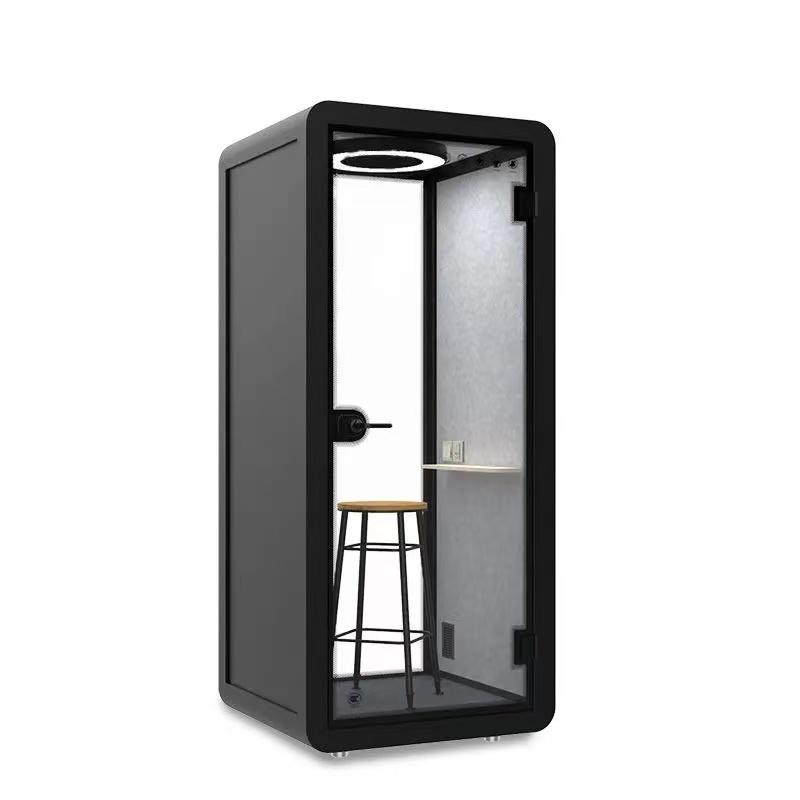
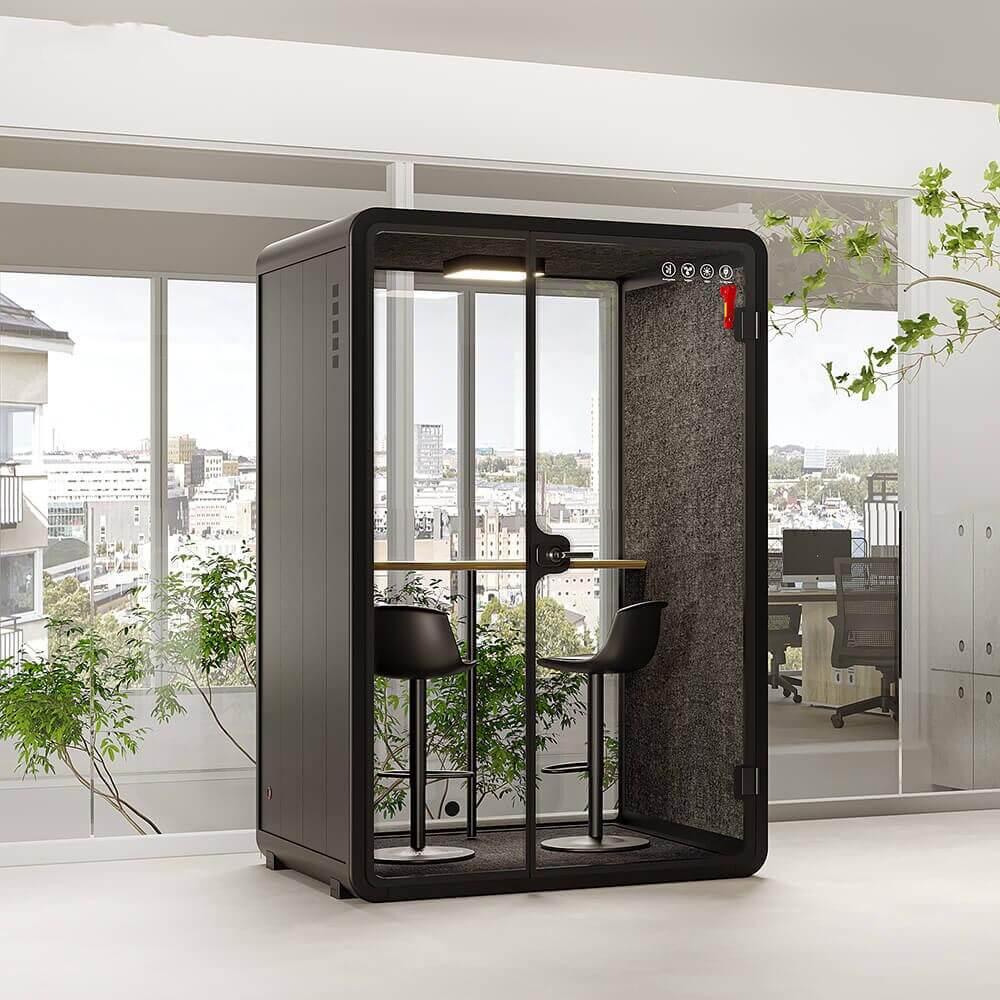
A portable meeting pod needs records that travel with it. Keep the approved drawing, configuration, package list, assembly instructions, service contacts, cleaning method, warranty scope, correction history, and previous acceptance notes. A new facilities manager should be able to understand what was supplied and what was changed without depending on the installer who handled the first location.
Separate routine tasks from move-related tasks. Users may clean surfaces and reset equipment. Facilities may inspect door hardware, lighting, ventilation access, and cable routes. A specialist may be needed for disassembly, reassembly, correction, or service parts. Write the frequency or trigger only when it is supported by the product information; otherwise record the question for the supplier.
Relocation can be a good time to review the meeting workflow. The new location may need a different booking rule, user instruction, screen position, or privacy observation. Do not assume that a successful first installation automatically means the second site will be equally suitable.
Acceptance has two parts: product condition and workplace use. Inspect against the approved drawing and options, then operate the pod with the intended participants and equipment. Record entry, meeting, screen or laptop use, door, light, air, power, data, outside circulation, and exit. If movement was part of the purchase decision, keep the package and reassembly record with the acceptance file.
Use a correction log for every open item. Name the owner, required evidence, target date, and closure record. Do not sign away an unclear service, access, or privacy issue simply because the pod looks attractive. The practical value of portability is only established when the buyer knows how to move, reconnect, inspect, and use the product again.
For a Sweden-oriented project, the final recommendation should be proportionate to the real movement frequency. If the pod will not move, prioritize everyday comfort and site fit. If it will move regularly, require a documented method, responsibility model, package route, and repeat acceptance check. Both decisions can be sensible when the assumptions are visible.
What should portable mean in a meeting pod quotation?
The quotation should state whether the product is delivered as packages or assembled sections, how it enters the building, what can be disassembled, what labor and tools are required, how services are disconnected and reconnected, and what inspection follows a move.
Can a portable pod be moved without a new site survey?
Do not assume that. The new route, floor, door, services, circulation, maintenance access, and privacy conditions may differ. A short site review is needed before relocation.
Which records should travel with the pod?
Keep the approved configuration, drawing, package list, assembly method, service information, cleaning instructions, warranty scope, correction history, and previous acceptance records.
Does a movement plan prove that the pod is easy to relocate?
No. It shows the route and responsibilities for the defined scenario. The actual effort depends on the configuration, building, labor, services, and condition of the pod.
A portable meeting pod should be evaluated as a meeting environment and a movement project at the same time. The buyer needs a clear first use, a possible future use, package information, route measurements, floor and service checks, an ownership plan, and a repeatable handover method.
For a Sweden-oriented application, the next step is to document the expected move frequency, draw both the meeting and delivery plans, ask for configuration-specific package and assembly information, and obtain local confirmation of building interfaces. That creates a realistic recommendation without inventing a customer story or treating portability as an unconditional promise.

 Tel: +8613538031763
 Email: info@sopworkpod.com
 MP/WhatsApp: +8613538031763
 Manufacturer Address:Liucheng Lujiang District,Meixi Road,Nanan City,Fujian,China