Author:SOP Work Pods Manufacturer TIME:2026-08-28
A factory video can show a busy production floor without proving who owns the offer, where the buyer's units will be made, which drawing revision controls them, or whether the filmed product matches the order. Supplier evaluation becomes useful only when general context is connected to a named contracting party, production site, configuration, inspection route, packing identity, and delivery handoff.
For project orders, qualification and order control are joined. The buyer first verifies identities and capabilities, then locks the office pod order configuration, defines evidence and hold points around actual risks, controls substitutions, and keeps records attached to shipment and arrival. A high score cannot compensate for a missing chain between the offered unit and the evidence.
This audit packet follows that chain. It avoids unsupported rankings and does not infer quality from polished media. Each release depends on current, order-specific records with an owner, revision, acceptance consequence, and route for resolving a mismatch.
Use verify the Contracting and Production Identities as a supplier-audit checkpoint; The contracting entity, payment recipient, production site, export party, and warranty contact may not be the same organization; The checkpoint gives an international buyer qualifying a manufacturer for a defined office pod project evidence for whether the supplier can control the offered configuration and produce verifiable order evidence; A capable-looking website or quotation does not by itself prove legal identity, configuration control, production responsibility, inspection discipline, or shipment readiness when reviewing verify the Contracting and Production Identities.
Request current company documents and a written responsibility map and trace each item to the legal entity, offered model, production location, and current revision where relevant; After the trace is complete, resolve identity differences before commercial approval; Do not merge sales statements, factory records, subcontractor information, and project approvals into one undifferentiated answer.
Write an audit finding for verify the Contracting and Production Identities with evidence seen, limitation, corrective action, owner, and due date; A finding can remain conditional, but it should never disappear merely because a later quotation looks complete; This format connects supplier review to inspection, packing, shipment, and project handover decisions.
Use lock the Offered Configuration and Revision as a supplier-audit checkpoint; Product families can contain many options, so the order needs one controlled model, drawing set, finish schedule, component list, and packaging definition; The checkpoint gives an international buyer qualifying a manufacturer for a defined office pod project evidence for whether the supplier can control the offered configuration and produce verifiable order evidence; A capable-looking website or quotation does not by itself prove legal identity, configuration control, production responsibility, inspection discipline, or shipment readiness when reviewing lock the Offered Configuration and Revision.
Request revision-controlled technical and commercial documents and trace each item to the legal entity, offered model, production location, and current revision where relevant; After the trace is complete, reject substitutions or changes that bypass the agreed approval route; Do not merge sales statements, factory records, subcontractor information, and project approvals into one undifferentiated answer.
Write an audit finding for lock the Offered Configuration and Revision with evidence seen, limitation, corrective action, owner, and due date; A finding can remain conditional, but it should never disappear merely because a later quotation looks complete; This format connects supplier review to inspection, packing, shipment, and project handover decisions.
Use ask for Order-Specific Production Evidence as a supplier-audit checkpoint; Generic factory images do not show how the proposed order will be controlled, identified, inspected, or separated from other configurations; The checkpoint gives an international buyer qualifying a manufacturer for a defined office pod project evidence for whether the supplier can control the offered configuration and produce verifiable order evidence; A capable-looking website or quotation does not by itself prove legal identity, configuration control, production responsibility, inspection discipline, or shipment readiness when reviewing ask for Order-Specific Production Evidence.
Request a production plan and records tied to the buyer's order reference and trace each item to the legal entity, offered model, production location, and current revision where relevant; After the trace is complete, define evidence checkpoints before work reaches an irreversible stage; Do not merge sales statements, factory records, subcontractor information, and project approvals into one undifferentiated answer.
Write an audit finding for ask for Order-Specific Production Evidence with evidence seen, limitation, corrective action, owner, and due date; A finding can remain conditional, but it should never disappear merely because a later quotation looks complete; This format connects supplier review to inspection, packing, shipment, and project handover decisions.
Use build Inspection Around Buyer Risks as a supplier-audit checkpoint; Inspection should focus on identity, dimensions, finish, operation, components, documents, and packing risks relevant to the actual project; The checkpoint gives an international buyer qualifying a manufacturer for a defined office pod project evidence for whether the supplier can control the offered configuration and produce verifiable order evidence; A capable-looking website or quotation does not by itself prove legal identity, configuration control, production responsibility, inspection discipline, or shipment readiness when reviewing build Inspection Around Buyer Risks.
Request an approved inspection checklist with evidence requirements and trace each item to the legal entity, offered model, production location, and current revision where relevant; After the trace is complete, record nonconformities, disposition, and reinspection instead of accepting verbal closure; Do not merge sales statements, factory records, subcontractor information, and project approvals into one undifferentiated answer.
Write an audit finding for build Inspection Around Buyer Risks with evidence seen, limitation, corrective action, owner, and due date; A finding can remain conditional, but it should never disappear merely because a later quotation looks complete; This format connects supplier review to inspection, packing, shipment, and project handover decisions.
| Order gate | Evidence tied to the order | Mismatch that stops release | Release owner |
|---|---|---|---|
| Identity | Contracting details, production site and authorized contacts | Unexplained party or site change | Procurement |
| Configuration | Approved drawing, option schedule, finishes and revision | Offer, sample and production record disagree | Technical buyer |
| Production | Order-marked records at agreed risk points | Evidence cannot be traced to units or revision | Inspection owner |
| Packing | Package map, labels, component custody and protection | Unidentified or incomplete package state | Logistics owner |
| Arrival | Package reconciliation, condition, documents and issues | Damage, shortage or open change lacks ownership | Receiving team |

Use use a Supplier Verification Scorecard as a supplier-audit checkpoint; A scorecard makes identity, configuration control, evidence quality, change control, packing, logistics, and after-delivery responsibilities comparable; The checkpoint gives an international buyer qualifying a manufacturer for a defined office pod project evidence for whether the supplier can control the offered configuration and produce verifiable order evidence; A capable-looking website or quotation does not by itself prove legal identity, configuration control, production responsibility, inspection discipline, or shipment readiness when reviewing use a Supplier Verification Scorecard.
Request source references beside every score or status and trace each item to the legal entity, offered model, production location, and current revision where relevant; After the trace is complete, treat missing evidence as open rather than assigning a favorable assumption; Do not merge sales statements, factory records, subcontractor information, and project approvals into one undifferentiated answer.
Write an audit finding for use a Supplier Verification Scorecard with evidence seen, limitation, corrective action, owner, and due date; A finding can remain conditional, but it should never disappear merely because a later quotation looks complete; This format connects supplier review to inspection, packing, shipment, and project handover decisions.
Use review Packing Identification and Delivery Handoffs as a supplier-audit checkpoint; Components, hardware, documents, and packages need clear identity so arrival teams can check quantity and condition without guesswork; The checkpoint gives an international buyer qualifying a manufacturer for a defined office pod project evidence for whether the supplier can control the offered configuration and produce verifiable order evidence; A capable-looking website or quotation does not by itself prove legal identity, configuration control, production responsibility, inspection discipline, or shipment readiness when reviewing review Packing Identification and Delivery Handoffs.
Request packing lists, package marks, handling information, and photo records and trace each item to the legal entity, offered model, production location, and current revision where relevant; After the trace is complete, align package identity with the installation sequence and delivery route; Do not merge sales statements, factory records, subcontractor information, and project approvals into one undifferentiated answer.
Write an audit finding for review Packing Identification and Delivery Handoffs with evidence seen, limitation, corrective action, owner, and due date; A finding can remain conditional, but it should never disappear merely because a later quotation looks complete; This format connects supplier review to inspection, packing, shipment, and project handover decisions.
Use control Commercial and Technical Changes as a supplier-audit checkpoint; Late changes to finishes, components, services, quantities, or delivery state can affect drawings, inspection, packing, and price together; The checkpoint gives an international buyer qualifying a manufacturer for a defined office pod project evidence for whether the supplier can control the offered configuration and produce verifiable order evidence; A capable-looking website or quotation does not by itself prove legal identity, configuration control, production responsibility, inspection discipline, or shipment readiness when reviewing control Commercial and Technical Changes.
Request a change request showing reason, impact, approval, and revised records and trace each item to the legal entity, offered model, production location, and current revision where relevant; After the trace is complete, prevent production from continuing on conflicting revisions; Do not merge sales statements, factory records, subcontractor information, and project approvals into one undifferentiated answer.
Write an audit finding for control Commercial and Technical Changes with evidence seen, limitation, corrective action, owner, and due date; A finding can remain conditional, but it should never disappear merely because a later quotation looks complete; This format connects supplier review to inspection, packing, shipment, and project handover decisions.
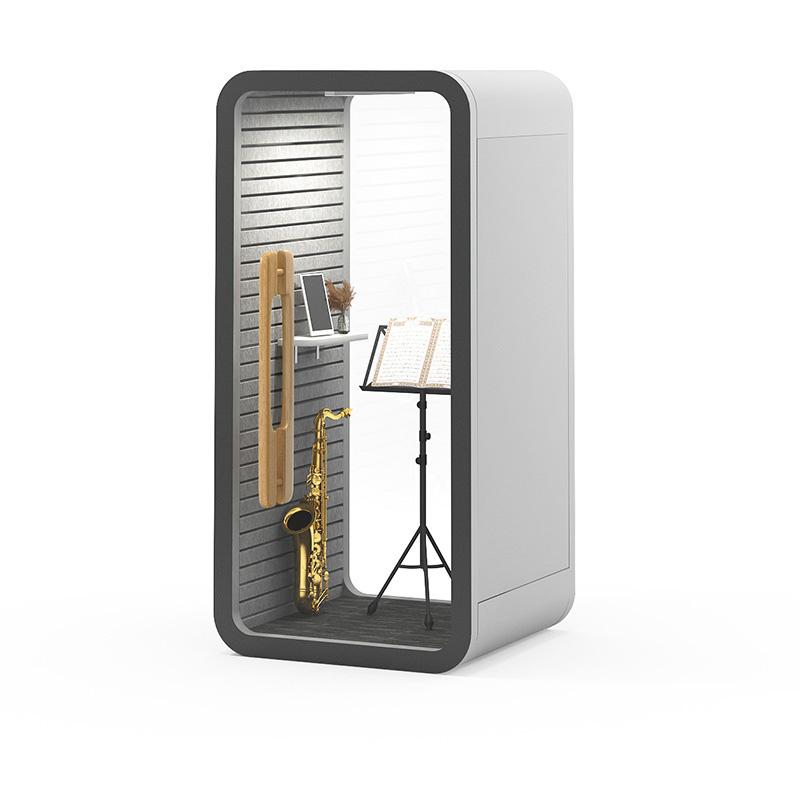
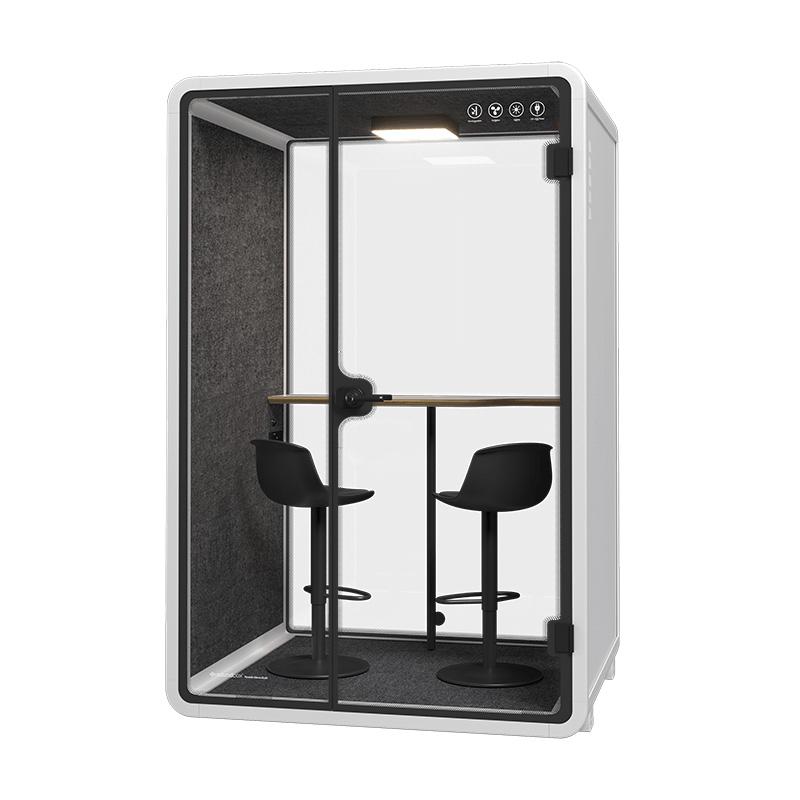
For product context, buyers can review the corresponding product options and then return to the project-specific evidence and responsibility checks in this guide.
Use plan Arrival Inspection and Issue Ownership as a supplier-audit checkpoint; Supplier verification continues through receipt because transit condition, package identity, shortages, and document gaps become visible at arrival; The checkpoint gives an international buyer qualifying a manufacturer for a defined office pod project evidence for whether the supplier can control the offered configuration and produce verifiable order evidence; A capable-looking website or quotation does not by itself prove legal identity, configuration control, production responsibility, inspection discipline, or shipment readiness when reviewing plan Arrival Inspection and Issue Ownership.
Request a receiving checklist and time-stamped evidence file and trace each item to the legal entity, offered model, production location, and current revision where relevant; After the trace is complete, define notification and corrective-action routes before shipment; Do not merge sales statements, factory records, subcontractor information, and project approvals into one undifferentiated answer.
Write an audit finding for plan Arrival Inspection and Issue Ownership with evidence seen, limitation, corrective action, owner, and due date; A finding can remain conditional, but it should never disappear merely because a later quotation looks complete; This format connects supplier review to inspection, packing, shipment, and project handover decisions.
It can provide context when the date, location, participants, and observed processes are recorded, but it does not replace identity checks, order-specific configuration control, risk-based inspection, packing records, and commercial review. Ask the manufacturer to connect what is shown to the offered production route.
Freeze the approved model, dimensions, drawings, bill or option schedule where available, finishes, furniture, door orientation, services, accessories, quantities, inspection criteria, delivery state, packing, labels, documents, and change route. Mark any provisional item so it cannot quietly become an assumed approval.

Require the reason, affected units, old and new identity, technical and visual information, interface effects, evidence, cost, timing, warranty consequence, sample needs, and approval before use. Update all controlled records. A claim of equivalence is the start of review, not the release decision.
It continues through package reconciliation, arrival condition, document receipt, installation support, functional acceptance, and closure of shortages, damage, substitutions, or defects. The final dossier should show which issues remain open, who owns them, and what outcome closes the commercial and technical record.

Evaluate office pod manufacturers in China by whether one auditable chain connects the contracting identity, production site, locked configuration, order evidence, inspection, packing, change control, arrival, and issue closure. General capability material can support the review but cannot replace that chain.
Release the supplier and each later order gate only against the current dossier. Stop when evidence loses its connection to the offered revision or when a mismatch has no assigned resolution.
For a project-order quotation, send the required pod roles, quantities, destination, site constraints, and verification documents through WhatsApp or the inquiry form.

 Tel: +8613538031763
 Email: info@sopworkpod.com
 MP/WhatsApp: +8613538031763
 Manufacturer Address:Liucheng Lujiang District,Meixi Road,Nanan City,Fujian,China