Author:SOP Work Pods Manufacturer TIME:2026-08-28
An office pod ventilation system cannot be judged from the presence of a fan or a single feature statement. Buyers need to understand the complete air path, the intended occupancy pattern, the controls available to users, the interaction with the host room, and the maintenance access required over time. The right questions turn an abstract comfort claim into interfaces and observations that can be reviewed before purchase.
The process below follows air from the surrounding room to the occupied zone and back out again. It separates supplier evidence, site assumptions, user behavior, and acceptance observations. It does not assign invented airflow, temperature, or noise targets. Where a project needs numerical criteria, the buyer should define the requirement and ask the supplier to state the applicable conditions and supporting information.
Describe how the pod is expected to be used. Record likely occupancy, typical session length, turnover between users, equipment used inside, and whether the door will remain closed for most of a session. Note the surrounding room conditions that the facility team already controls and any periods when the room itself operates differently. A phone call, a two-person video meeting, and concentrated work can create different expectations even when the enclosure is the same.
Turn the description into several operating scenarios rather than one undefined maximum. A scenario might cover a short individual call during normal office use, a longer occupied session with a laptop, or repeated use with brief intervals between occupants. The purpose is not to predict a guaranteed result. It is to give the supplier a clear context for explaining the system, identifying limitations, and stating which observations or documents apply.
Ask the supplier to respond to each scenario in writing. The response should identify relevant controls, operating guidance, room dependencies, and any conditions that must remain true. If the response uses values, request the unit, test or calculation basis, configuration, and operating condition. A value without context should remain an information gap rather than becoming a purchasing assumption.
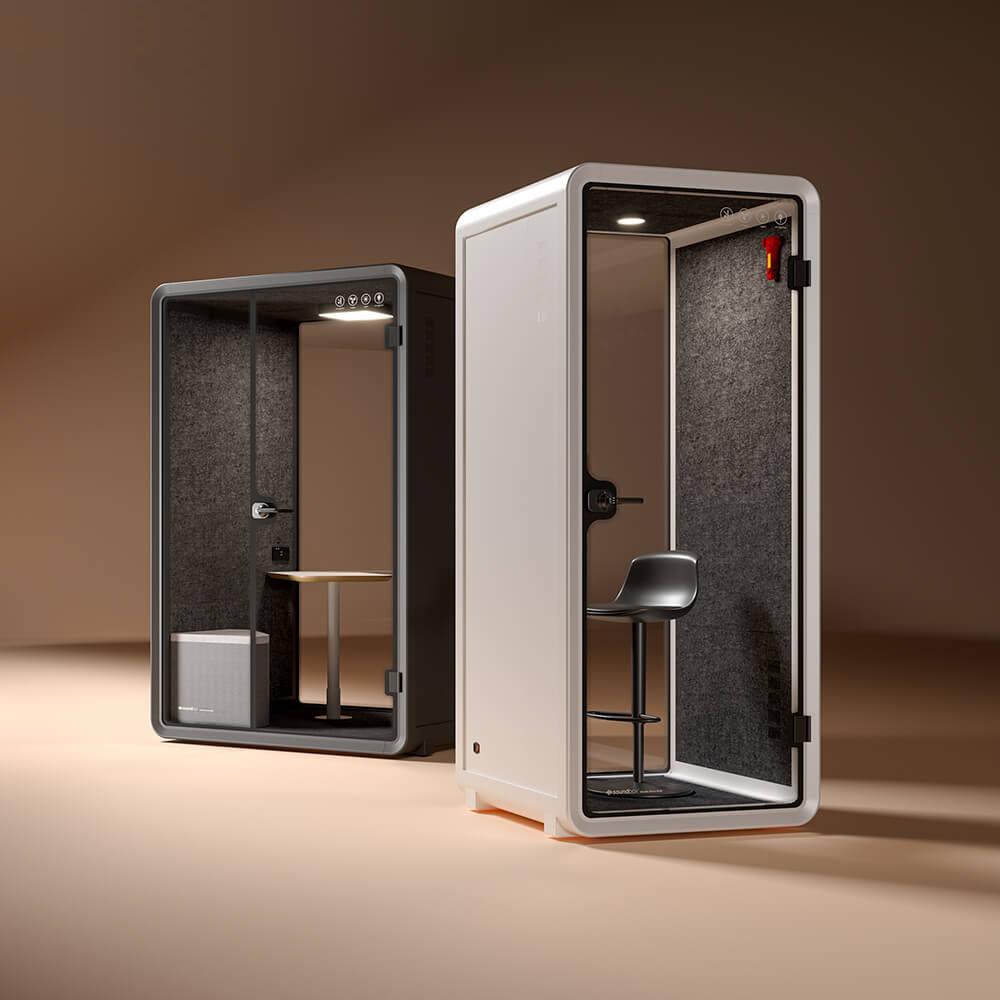
Request a simple diagram showing where air enters, how it moves toward the occupied area, and where it leaves. Identify every intake, outlet, transfer opening, grille, internal passage, and component that must stay clear. Ask whether furniture, a wall, nearby storage, curtains, or the final orientation can obstruct the described path. A system cannot be understood by reviewing a fan in isolation from the openings and resistance around it.
The diagram should match the quoted configuration. If an option changes the ceiling, rear panel, lighting, controls, or internal furniture, confirm whether the air path also changes. Ask which parts are fixed, adjustable, removable, or replaceable and how a service person reaches them. The goal is to see the physical route and maintenance boundary before the pod arrives.
Check how the system behaves when the pod is unoccupied. Buyers may need to know whether ventilation stops, continues, changes mode, or follows a control sequence. The answer should come from supplier guidance for the proposed unit. Do not infer behavior from a sensor, switch, or indicator visible in a photograph.
Trace rule: every claimed air movement should connect an inlet, occupied zone, outlet, operating condition, and maintenance point that can be identified on the proposed configuration.
Users need clear information about what they can control and what normal operation looks or sounds like. Ask whether ventilation starts automatically, uses a manual control, follows occupancy detection, or has more than one mode. Confirm which indicators are visible and what a user should do if expected operation is absent. The handover should not depend on informal explanations that disappear when staff change.
Review the failure path as carefully as the normal path. Ask how a blocked opening, disconnected supply, failed fan, damaged control, or unusual sound should be recognized. Identify checks that trained facility staff may perform safely and situations that require service support. Avoid instructions that involve opening electrical or mechanical assemblies unless the supplier's approved procedure permits it.
Controls also affect the occupied acoustic experience. A setting that moves more air may sound different, while a quieter setting may change the operating condition. Buyers should ask the supplier to describe available modes without assuming that one mode is universally best. The selected mode should be reviewed in the intended scenario and documented at handover.
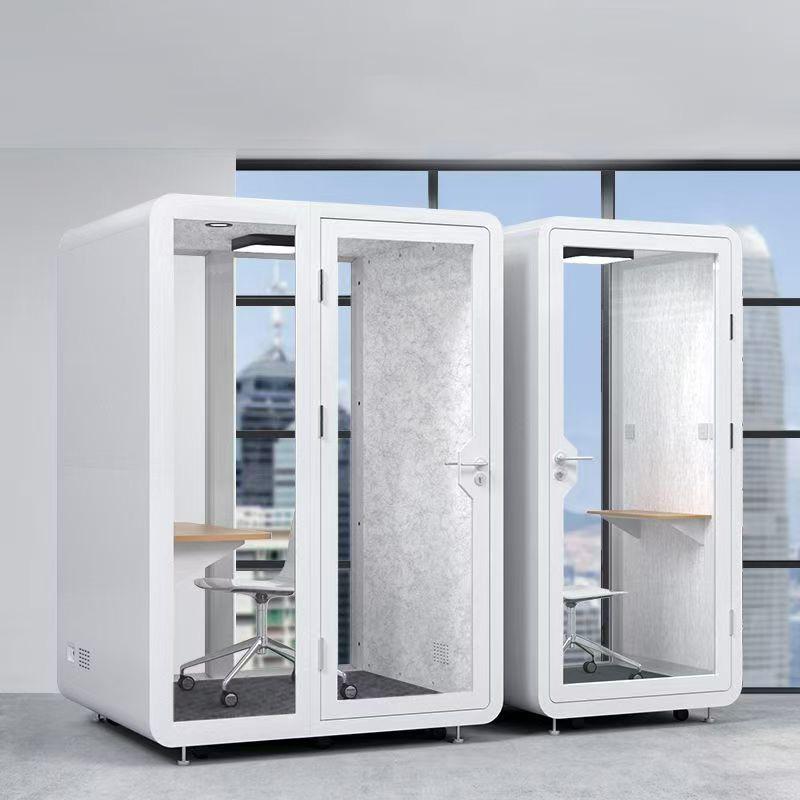
The pod receives air from its surroundings unless the project documents another arrangement. Placement therefore matters. Record clearances required around openings, the relationship to room supply and return paths, nearby heat sources, direct sunlight, and any furniture that could restrict circulation. Ask the supplier which placement conditions are required for the proposed system and include those conditions in the layout review.
Responsibility must be explicit. The pod supplier can describe product interfaces and stated operating conditions. The facility team controls the host room and final location. Other contractors may provide power or carry out building work. The project manager should assign each interface and avoid turning a room-level issue into an unsupported product claim.
Maintenance planning is part of placement. A service panel that cannot be reached after nearby furniture is installed creates a lifecycle problem even if the pod operates on handover day. Confirm access for inspection, cleaning, and replacement of identified components. Record the expected maintenance information and who will keep the service log.
Translate maintenance guidance into tasks that a facility team can own. Start by asking the supplier which openings can be inspected visually, which surfaces can be cleaned by normal users or cleaners, which components require trained service, and which conditions should trigger escalation. The answer should refer to the proposed configuration and approved instructions, not to a generic fan-maintenance checklist.
For every permitted task, record the purpose, safe access method, tools or materials stated by the supplier, responsible role, and evidence of completion. A service log can include the date, observed condition, action taken, and open follow-up. Avoid inventing a fixed replacement interval. If the supplier provides a time-based or condition-based interval, retain the stated context and identify who reviews it against actual use.
Cleaning deserves specific attention because residue or stored items near an opening can affect the air path. Confirm what can be reached without removing protected panels, which products are suitable for exposed surfaces, and how to avoid moving or covering ventilation components. Coordinate cleaning with booth availability so an inspection is not skipped during high-use periods.
Plan for changes in the room. Furniture moves, storage additions, and pod relocation can alter clearances or service access. Add a layout-change check to the facility process: before approving a nearby change, compare it with the ventilation diagram and maintenance envelope. If the pod itself is relocated, repeat the placement and acceptance review rather than assuming the former observations still apply.
Acceptance should demonstrate the supplied configuration under stated conditions. Begin with a visual inspection of openings, grilles, controls, labels, and accessible components. Confirm that the final placement matches required clearances. Operate each available mode and record normal indications. Then observe the pod during the agreed occupied scenarios, noting the room condition, duration, equipment, and door use.
The following matrix keeps observations separate from claims. It can be adapted to the project and attached to the handover record. A failed or unclear item becomes an owned action with a deadline; it should not be replaced by a general statement that ventilation is adequate.
| Review stage | What to record | Evidence owner | Disposition |
|---|---|---|---|
| Configuration check | Inlets, outlets, controls, labels, and access match the approved record | Supplier and project reviewer | Accepted or open action |
| Placement check | Required clearances and host-room interfaces remain unobstructed | Facility team | Accepted or layout correction |
| Mode demonstration | Control sequence and normal feedback for each available mode | Supplier or installer | Accepted or service action |
| Occupied observation | Scenario, room condition, duration, user observation, and limitations | Buyer witness | Accepted, conditional, or repeat |
| Maintenance handover | Safe checks, cleaning points, replaceable items, access, and records | Facility owner | Complete or missing record |
Use the office pod range to identify the product family under review, then request ventilation information for the exact quoted configuration. Category information can support a shortlist, but acceptance evidence must refer to the ordered unit and the actual placement.
Plan one follow-up observation after users and facility staff have worked with the pod under normal conditions. Record whether openings remain clear, controls are understood, unusual indications have appeared, and the maintenance owner has received the required documents. A follow-up is not a substitute for acceptance and should not be reported as a technical performance test. It is a practical check that the agreed operating boundary survived handover.
If the observation reveals a concern, preserve the scenario details before escalating it: room condition, occupancy, duration, selected mode, door use, nearby changes, and visible component state. This record helps the supplier or service team distinguish a control question, placement issue, maintenance issue, or possible component fault. Close the item only when the responsible party documents the action and any condition that remains.
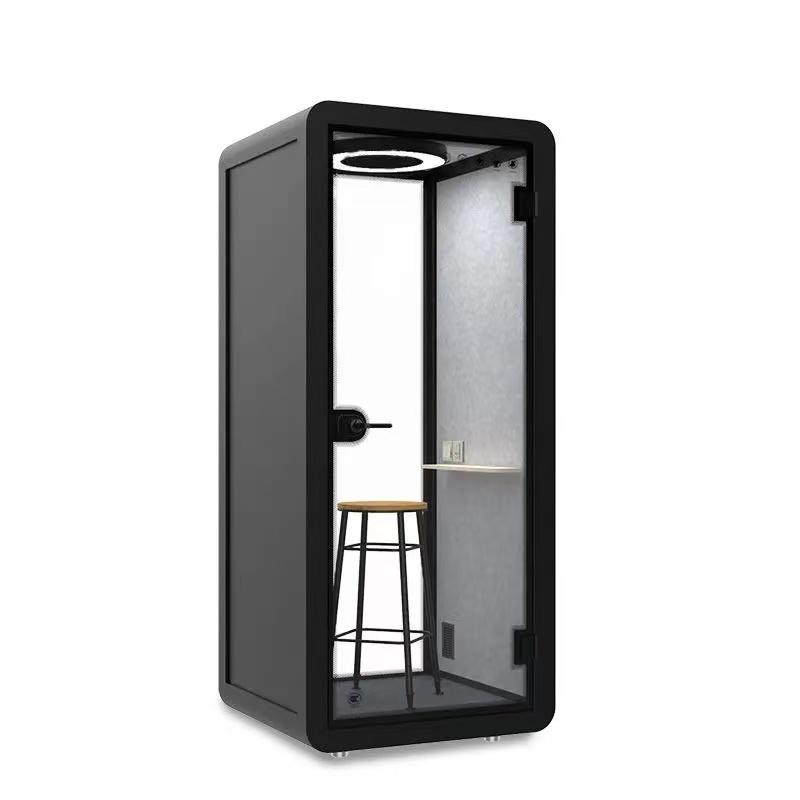
No. Fan count alone does not describe the complete air path, operating mode, resistance, control logic, room dependency, or occupied condition. Ask for information that applies to the proposed configuration and intended scenario. Compare conditions and evidence rather than treating one component count as a performance result.
Yes. Door use is part of the real operating scenario and may change how the occupied space exchanges air with the room. Record whether sessions involve frequent entry, long closed-door periods, or rapid turnover. Ask the supplier how its operating guidance addresses those patterns without assuming a universal schedule.
Review them together under the same stated mode and scenario. Ask what the user can control, what operating feedback is normal, and which evidence applies. Avoid declaring one setting optimal for every user. The project can document observed comfort and sound during acceptance while keeping supplier claims tied to their stated conditions.
Identify inspection points, cleaning points, accessible grilles, removable panels, and any replaceable component described by the supplier. Confirm the safe procedure, required clearance, responsible person, and record frequency. Final furniture and wall placement should not block the approved access route.
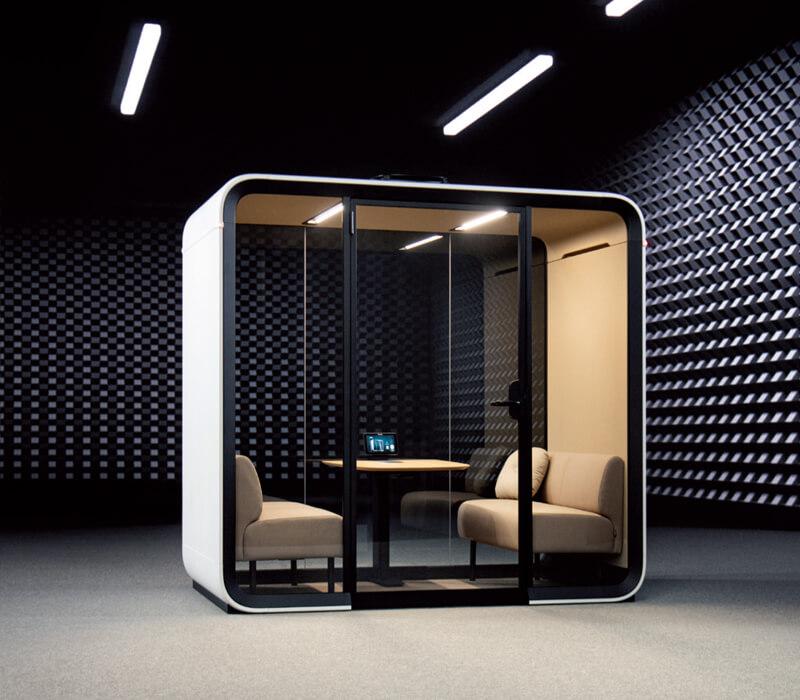
Before purchase, review an office pod ventilation system as a connected path rather than a feature label. Define occupied scenarios, trace inlets and outlets, understand controls and fault feedback, check host-room dependencies, protect maintenance access, and run a documented acceptance sequence. The next step is to send the scenario-and-evidence matrix with the quotation request so each supplier answers the same operating questions for the exact proposed configuration.

 Tel: +8613538031763
 Email: info@sopworkpod.com
 MP/WhatsApp: +8613538031763
 Manufacturer Address:Liucheng Lujiang District,Meixi Road,Nanan City,Fujian,China