

Two companies can have the same headcount and need very different numbers of office pods. One may schedule remote days evenly and have spare enclosed rooms. The other may bring client-facing teams onsite together, concentrate private calls around a few hours, and have no acceptable fallback near those teams. A universal pods-per-employee ratio erases the very conditions that determine shortage.
A practical sizing method follows eligible sessions through time and place. It asks what work actually needs a pod, how many such sessions overlap, what people do when no suitable space is available, how long each use blocks capacity, and whether demand can reach the proposed location. The answer is an initial quantity for specified zones plus a review rule. It is not a permanent number or a prediction presented with invented precision.
Use a bounded observation period and keep its limits visible. Attendance patterns, launches, recruitment, seasonal activity, policy changes, and the existing room portfolio can all alter demand. Where evidence is thin, a smaller reversible pilot with explicit expansion, relocation, and removal triggers is more defensible than multiplying headcount by an unsupported ratio.
Build an eligible-session census before counting pod demand
List the work events competing for enclosed space: private calls, interviews, consultations, two-person reviews, hybrid meetings, focused tasks, team huddles, and overflow. For each event, record occupancy, privacy need, duration, devices, urgency, location, and acceptable alternatives. Remove sessions that need a larger table, movement, wall display, frequent entry, or an accessibility condition the proposed unit cannot support.
The census should describe events rather than preferences. Someone saying they would like a pod is not equivalent to an observed task that fails without one. Conversely, an employee who stays at a desk may still represent unmet demand if moving would interrupt an urgent client call. Preserve the task, consequence, and fallback so the later count remains connected to workplace value.
Assign one reviewer to remove duplicate observations. The same failed interview may appear in a booking export, an employee note, and a facilities complaint. Preserve all sources but count the underlying event once. Conversely, do not merge separate simultaneous attempts merely because they share a team or calendar title; concurrency is the evidence the sizing method needs.
Measure concurrency in the windows that create the shortage
Record start, finish, occupancy, zone, task class, and fallback for eligible sessions during representative office periods. Look for overlap, not just daily totals. Ten calls spread across a day may use one booth successfully; three urgent calls beginning together may require another response. Note team schedules, shifts, recurring meetings, visitor days, and events that make one observation week atypical.
Do not hide uncertainty inside an average. Show which periods were observed, which data came from room or booking records, and where self-report filled a gap. If a peak appears only once, investigate before treating it as a durable capacity requirement. If the same peak recurs and produces harmful fallbacks, it deserves more weight than a broad monthly utilization percentage.
Compare the peak with adjacent windows. This reveals whether a small schedule shift or release of a no-show booking can absorb the demand without new equipment. The comparison should remain voluntary and practical; urgent or externally fixed calls cannot always move. Mark the sessions whose timing is genuinely flexible so operational changes are not applied to work that has no such option.
Count failed searches and costly fallbacks as lost service
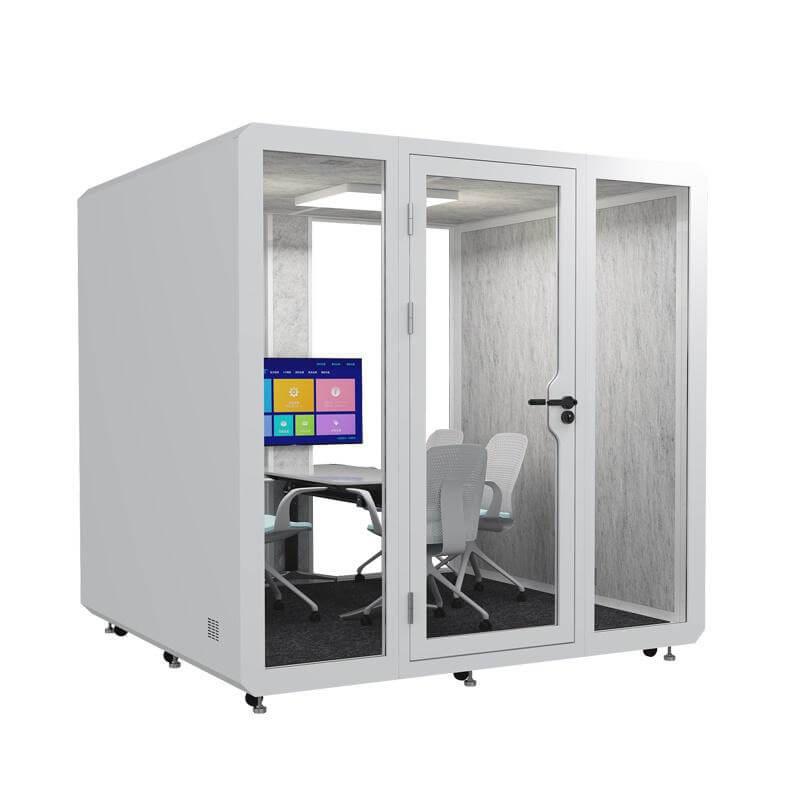
A full pod is only one sign of insufficient capacity. Watch for people delaying calls, taking confidential work at open desks, walking to another zone, occupying an oversized room, joining from a corridor, shortening an interview, or abandoning a session. Capture the time, eligible task, attempted location, fallback, consequence, and whether an available alternative was genuinely suitable.
Distinguish shortage from discoverability and policy failure. A unit may appear unavailable because its occupancy indicator is unclear, a no-show booking remains active, the door is left open, a fault is unresolved, or teams do not know it exists. Those observations call for correction before quantity. The sizing record should show how many losses remain after obvious operating causes are removed.
| Observed event | Evidence to retain | Quantity implication |
|---|---|---|
| Concurrent eligible sessions | Start and finish, zone, occupancy, task class, privacy need, acceptable fallback | Defines the peak capacity problem without using a headcount ratio |
| Failed search with material fallback | Attempted space, delay or exposure, alternative used, affected work, recurrence | Supports added capacity only after discoverability and policy causes are removed |
| Long cycle or blocked turnover | Setup, overrun, reset, cleaning, recovery, fault downtime, next-user effect | Reduces practical cycles and may favor a different role or operating rule |
| Demand far from available unit | Walking route, urgency, access control, adjacent room supply, queue behavior | Supports redistribution before increasing the company-wide total |
Convert session duration and turnover into practical capacity
Capacity is reduced by setup, overrun, ventilation recovery where relevant, reset, cleaning, and fault downtime. Observe these intervals around normal uses instead of assuming appointments join perfectly. A booth that serves quick calls can complete more cycles than a meeting pod reserved for long reviews, but only if users can enter, connect, finish, and release it without repeated friction.
Create separate cycle assumptions for distinct session classes. Do not average a five-minute urgent call with a long interview and then claim a precise output. Use ranges, preserve the longest normal condition, and identify which transition blocks the next user. The initial quantity should cover the peak eligible route with a realistic turnover allowance, not theoretical nonstop occupancy.
Test the cycle with consecutive representative users. A calendar slot may omit the time needed to find the pod, connect, end a confidential screen, gather belongings, report a fault, and leave the controls ready. Record the point at which the next session can actually begin. That timestamp turns an administrative booking length into a capacity observation that facilities can verify.
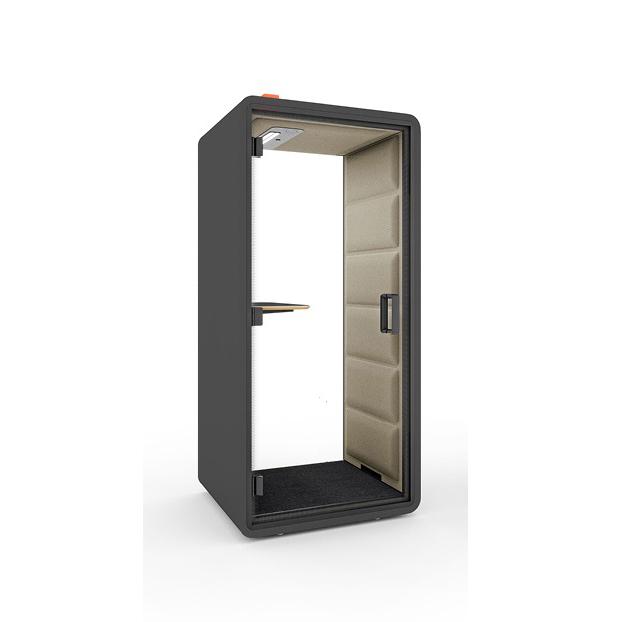
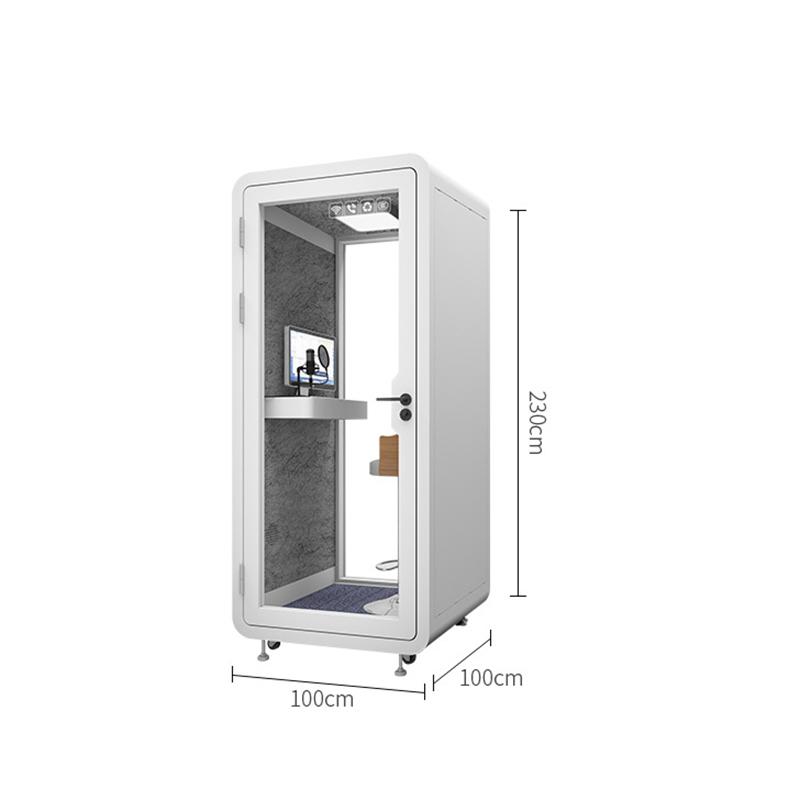
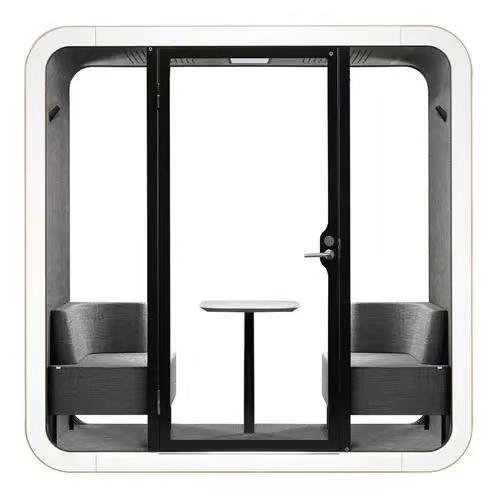
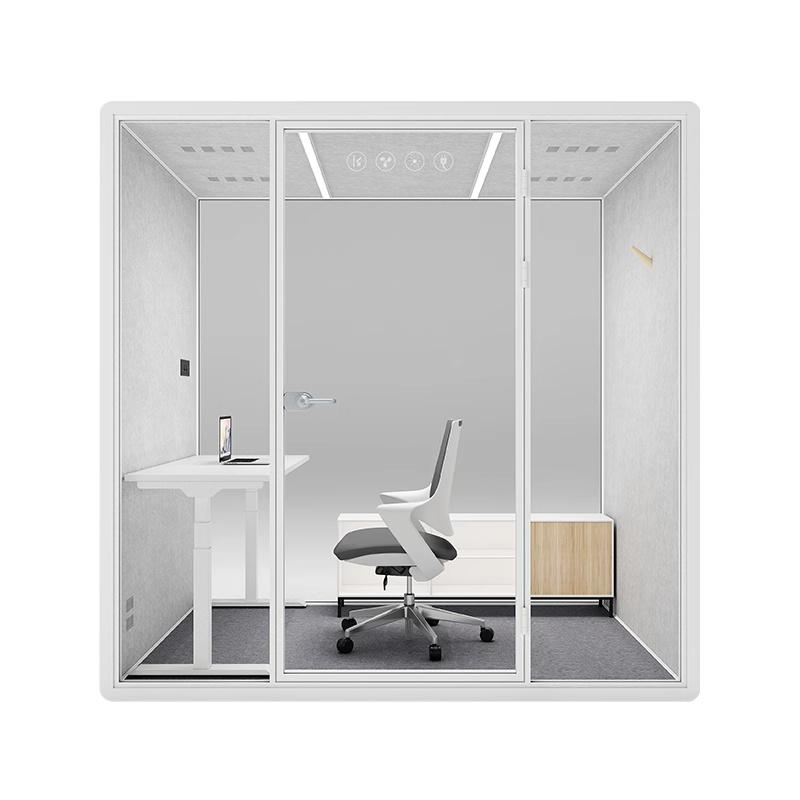
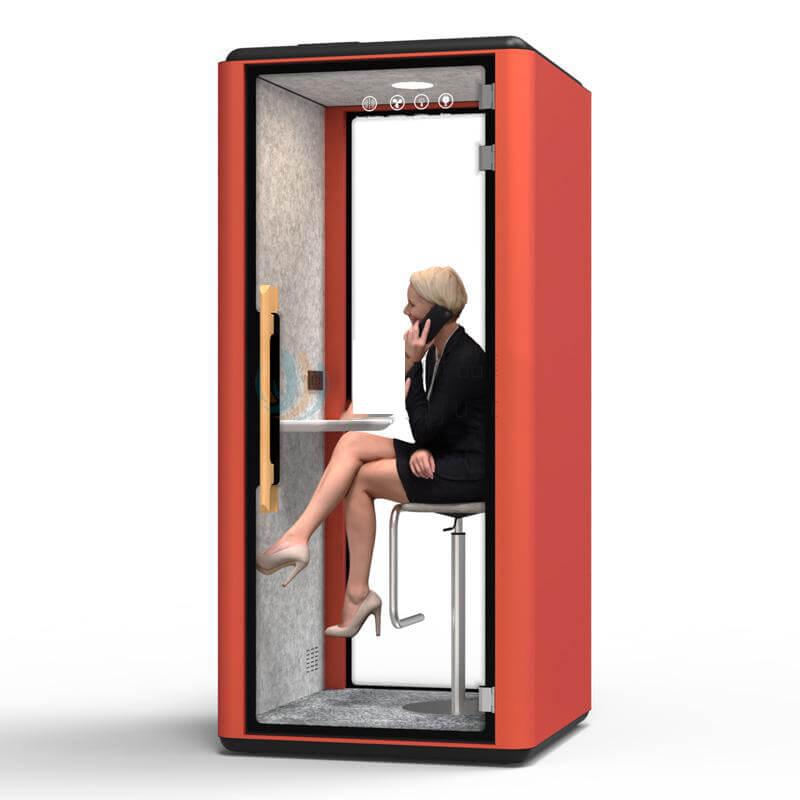
After duration and turnover assumptions are recorded, use the office pod configuration range to check which roles and occupied layouts are plausible; configuration labels do not calculate quantity.
Allocate office pods by zone access and adjacent alternatives
A company total does not solve a local search. Map eligible peaks to departments, floors, walking routes, accessibility, reception, and existing enclosed rooms. A pod placed across a controlled door or far from urgent work may exist in the inventory while providing little relief. Check circulation and queue effects so a popular location does not create a new disturbance beside focused desks.
Compare several distributions using the same demand record. One unit near each peak zone may outperform a larger central bank; in another office, shared central capacity may work because routes are short and sessions are planned. Mark every proposed position with power, data, delivery, footprint, and service constraints. Quantity and location should be released together because changing one can reverse the other.
Include the opportunity cost of each position. A location can remove a desk, storage, collaboration area, circulation width, or access to a maintained service. Record what is displaced and which users bear that cost. This does not require a fabricated monetary value; it requires the decision team to compare gained eligible capacity with the real workplace function surrendered at that spot.
Set expansion relocation and reduction triggers before the pilot
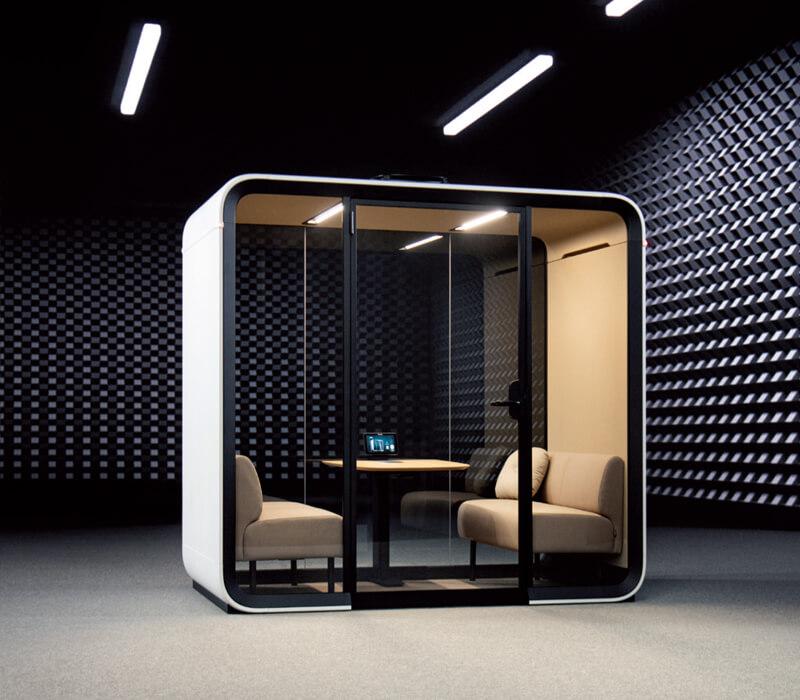
Start with the smallest quantity that can test the important assumptions without knowingly leaving a critical task unsupported. Define the pilot length, accepted session classes, zones, booking approach, observation method, and owners. Keep demand, failed searches, fallbacks, cycle time, faults, comfort limits, and displaced use in the same review so a single utilization figure cannot dominate the decision.
Write the change triggers in advance. Add capacity when repeated eligible losses remain after operating corrections. Relocate when demand is healthy but access is poor. Reassign a unit when the session mix differs from the intended role. Remove or avoid expansion when the pod displaces more useful space or fails occupied acceptance. A sizing method is practical when it can reduce a number as clearly as it can increase one.
Give the final review a decision date and evidence cutoff. Late anecdotes can be logged for the next period without destabilizing a completed sample, while a serious access, privacy, or safety concern should follow its own immediate route. Publish the selected quantity with the observation boundary and next review date so later readers understand why the number was reasonable and when it should be reopened.
Why is employee headcount a poor office pod sizing ratio?
Headcount does not reveal onsite overlap, private-call demand, meeting duration, room supply, team zones, hybrid schedules, or acceptable alternatives. It can describe scale, but it cannot show the peak eligible sessions a pod must serve. Use headcount only as context beside observed events, concurrency, failed searches, cycle time, and location access.
How long should a company observe demand before choosing a quantity?
Long enough to include the attendance and work patterns that create the decision. The period depends on shifts, recurring meetings, visitor activity, hiring, and seasonal variation. Record dates and missing conditions. When representative coverage is impossible, state the uncertainty, use a reversible pilot, and schedule another review rather than inventing an annual demand figure.

Does a fully booked pod always prove that another unit is needed?
No. Bookings may include no-shows, misuse, sessions that belong elsewhere, blocked fault time, generous buffers, or people reserving early because access is uncertain. Compare booked time with observed occupancy, eligible task, failed searches, turnover, and alternatives. Add a unit only when material unmet demand persists after these operating issues are corrected.
When should a pilot pod be relocated instead of duplicated?
Relocate when eligible demand exists but the unit is too far away, difficult to discover, behind an access barrier, or poorly matched to adjacent teams. Confirm the new delivery, power, data, circulation, and listener conditions before moving it. Recommission the accepted task and keep the old and new demand records separate so relocation is not mistaken for extra capacity.
Conclusion
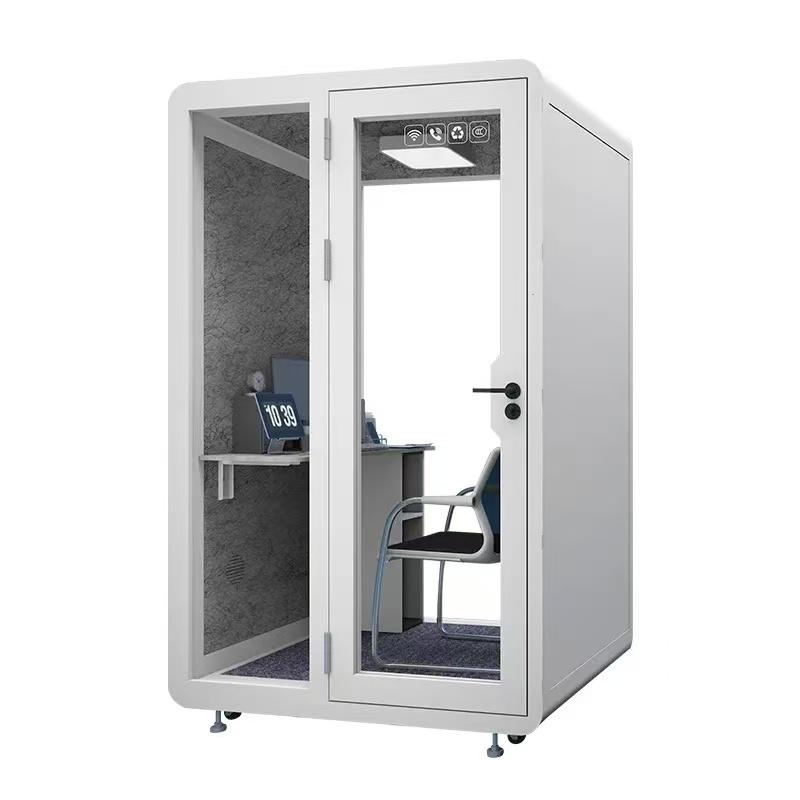
A company needs enough office pods to serve recurring concurrent eligible sessions in the zones where those sessions occur, with realistic setup and turnover, after booking and discovery failures have been corrected. That answer cannot be reduced to employee count. It changes with task mix, attendance, existing rooms, location, duration, and the cost of unsuitable fallbacks.
Approve the smallest zone-level pilot that can test the peak condition, then attach explicit triggers to add, relocate, reassign, or remove capacity. The useful deliverable is not a confident ratio. It is a dated observation record and a reversible quantity decision that another reviewer can audit when attendance, policy, or room supply changes materially. Keep the rejected alternatives and their reasons beside that decision so the next review does not repeat an already answered location or role question.



 Tel: +8613538031763
 Email: info@sopworkpod.com
 MP/WhatsApp: +8613538031763
 Manufacturer Address:Liucheng Lujiang District,Meixi Road,Nanan City,Fujian,China