Author:SOP Work Pods Manufacturer TIME:2026-08-28
Mark the destination before the first fastener is removed. An office pod may be modular, yet the move can still fail because the largest component will not turn through a corridor, services have no authorized isolation plan, seals or consumables are unavailable, or the new floor cannot support the accepted workplace condition. Practical movability is a route, not a design adjective.
Plan relocation as reverse commissioning followed by commissioning at the receiving site. Identify the exact model and configuration, reason for moving, origin condition, supplier instructions, joints and components, service interfaces, handling method, route, protection, storage, destination readiness, reassembly, testing, defects, and operational handover. Put hold points where evidence is required before work continues.
The answer to 'Can Office Pods be moved?' is conditional. Some may move complete, some through specialist handling, some after partial or full disassembly, and some may be impractical in a particular building. The relocation passport records the method and limits for this unit so the buyer can approve, correct, postpone, or reject the move without relying on a generic modularity claim.
State why the pod may move: floor restack, lease event, team relocation, temporary project, maintenance access, or another approved change. Identify origin, destination, desired timing, expected downtime, future use, accepted task, responsible workplace owner, site owner, service owners, supplier role, and who can stop the work. Different scenarios justify different effort and risk.
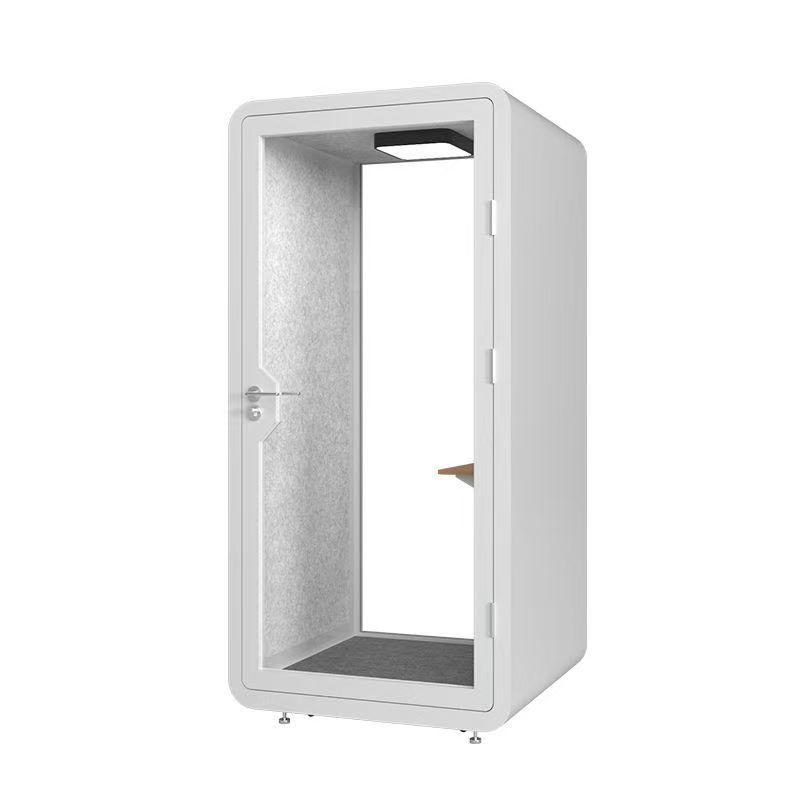
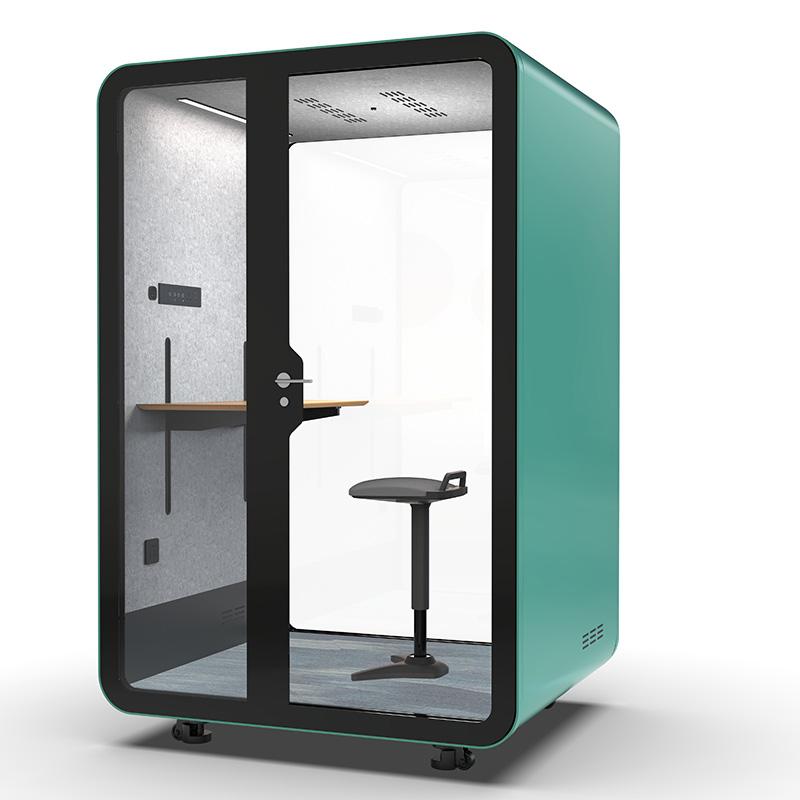
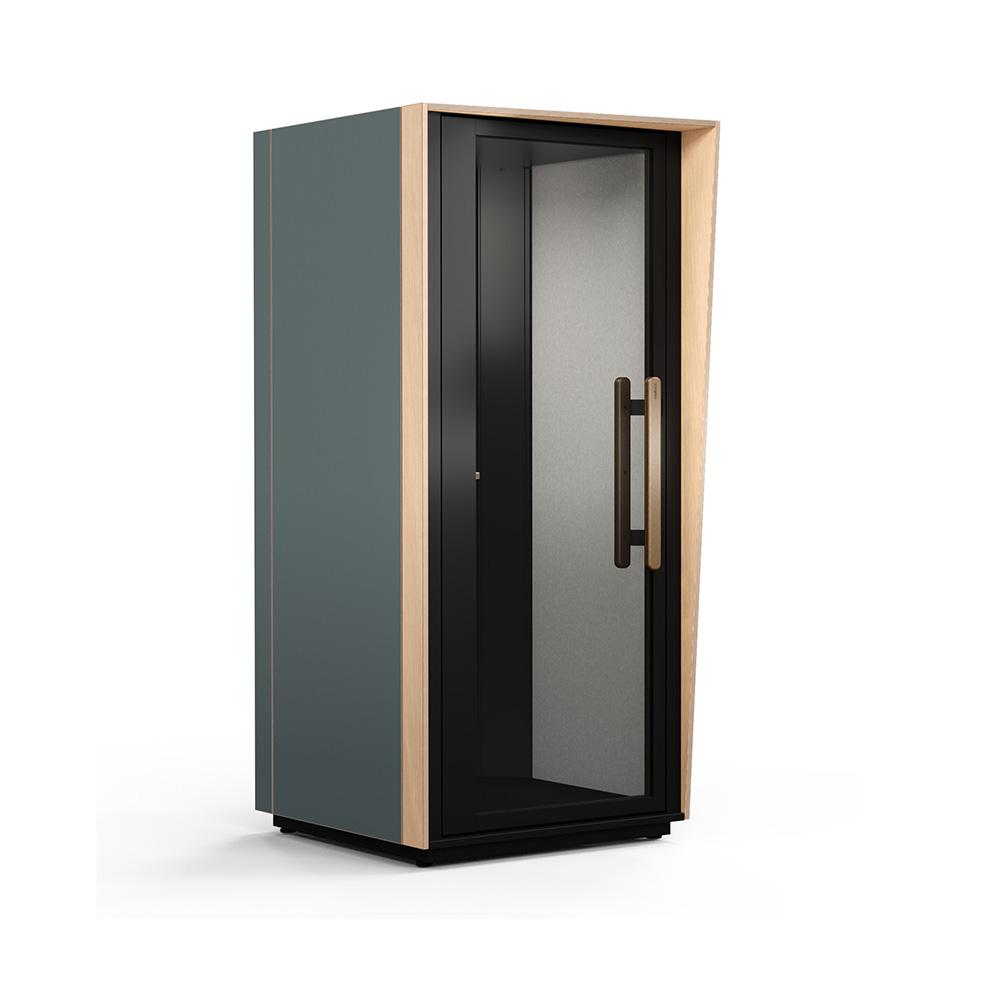
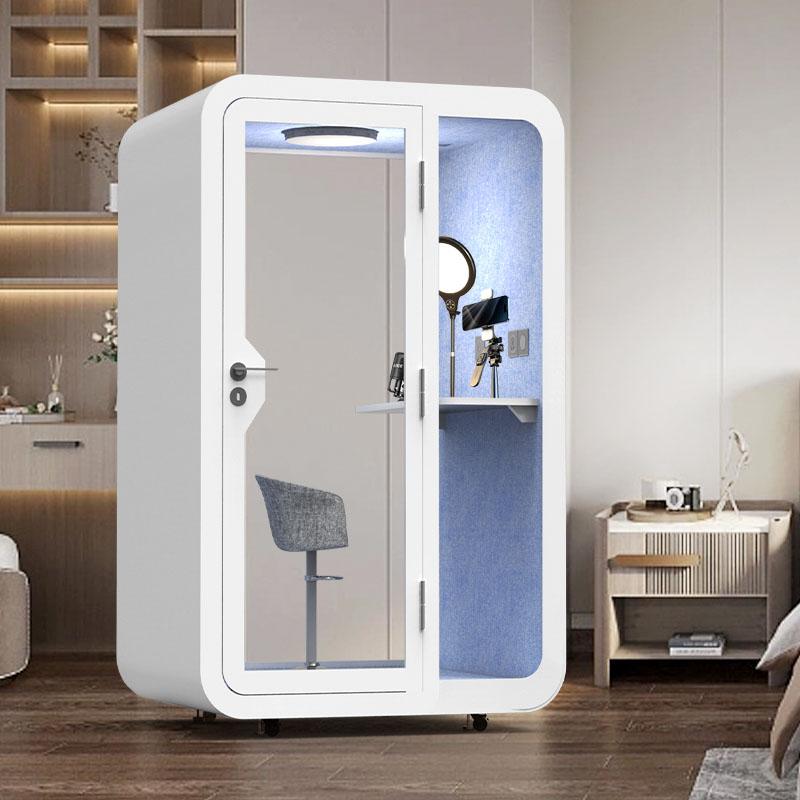
Capture the current baseline before scope is discussed. Record model, size, options, furniture, technology, visible condition, door operation, ventilation, lighting, controls, power and data, accepted privacy and comfort observations, known defects, documents, and installed position. Photographs and drawings may support the record when appropriately authorized, but they should be tied to component identity.
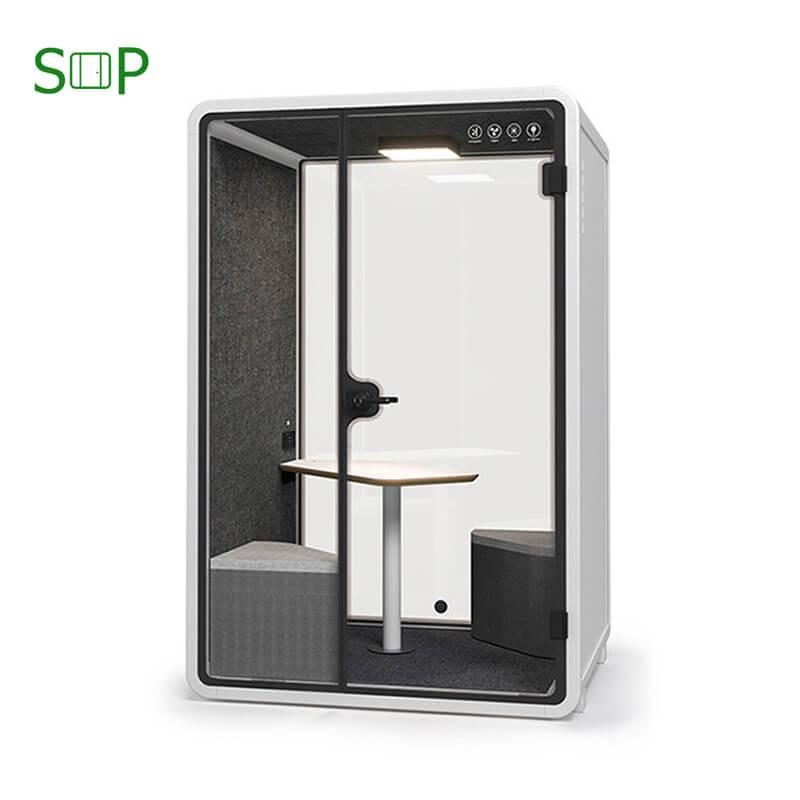
Obtain current model-specific instructions or written supplier information. Determine whether movement is complete-unit handling, specialist lifting, partial disassembly, full disassembly, or another defined process. Identify panel sequence, frame and glazing interfaces, ceiling and floor elements, fasteners, door assembly, seals, ventilation parts, controls, cables, furniture, tools, lifting or handling points, packaging, and exclusions.
Reconcile the documents with the installed unit. Options, later modifications, replacement components, site penetrations, or undocumented repairs may change the method. Label uncertainty rather than filling it with experience from another model. A similar pod elsewhere is not proof that this unit can follow the same sequence.
Compare the instruction revision and unit identity with the documents held at installation. If the current supplier information changes a step, part, or competence boundary, record which version governs the move and who approved the interpretation. This document check prevents an old drawing from silently controlling a newer configuration.
Confirm warranty and competence boundaries before work. State which activities require supplier personnel, qualified service owners, specialist handlers, or authorized local contractors. The relocation plan should not instruct unqualified work. Its role is to show when an accountable person must provide the method and evidence.
Walk both routes with the movement method in hand. At the origin, check working clearance, floor and wall protection, temporary storage, service access, component extraction, doors, corridors, turns, lifts, stairs, loading, weather exposure, vehicle interface, working hours, and occupied-area controls. Measure the complete unit or largest protected component, whichever governs the route.
Repeat the survey at the destination. Include unloading, access, turns, lift capacity information owned by the site, assembly clearance, finished floor, level, circulation, authorized accessibility review, power, data, ventilation interaction, maintenance space, detectors or sprinklers where local responsible reviewers require coordination, cleaning, and future removal. A route that ends at an unprepared location is not complete.
| Hold point | Evidence required | Stop condition | Release authority |
|---|---|---|---|
| Method | Exact model, configuration, instructions, competence, warranty, and scope | Generic modularity claim or mismatched document | Supplier or responsible technical owner |
| Dual route | Largest protected component, origin extraction, transport, destination access, and assembly clearance | Any unqualified restriction or missing enabling work | Origin and destination site owners |
| Services and materials | Isolation plan, labels, parts, consumables, protection, and storage | Unowned interface or unavailable required item | Authorized service and move owners |
| Handling | Baseline, sequence, component register, condition log, and exception response | Forced step, unknown part, damage, or departure from method | Move controller with technical escalation |
| Recommissioning | Complete assembly, restored services, corrected defects, repeated task checks, and handover | Arrival without verified workplace function | Facilities, service, and workplace owners |
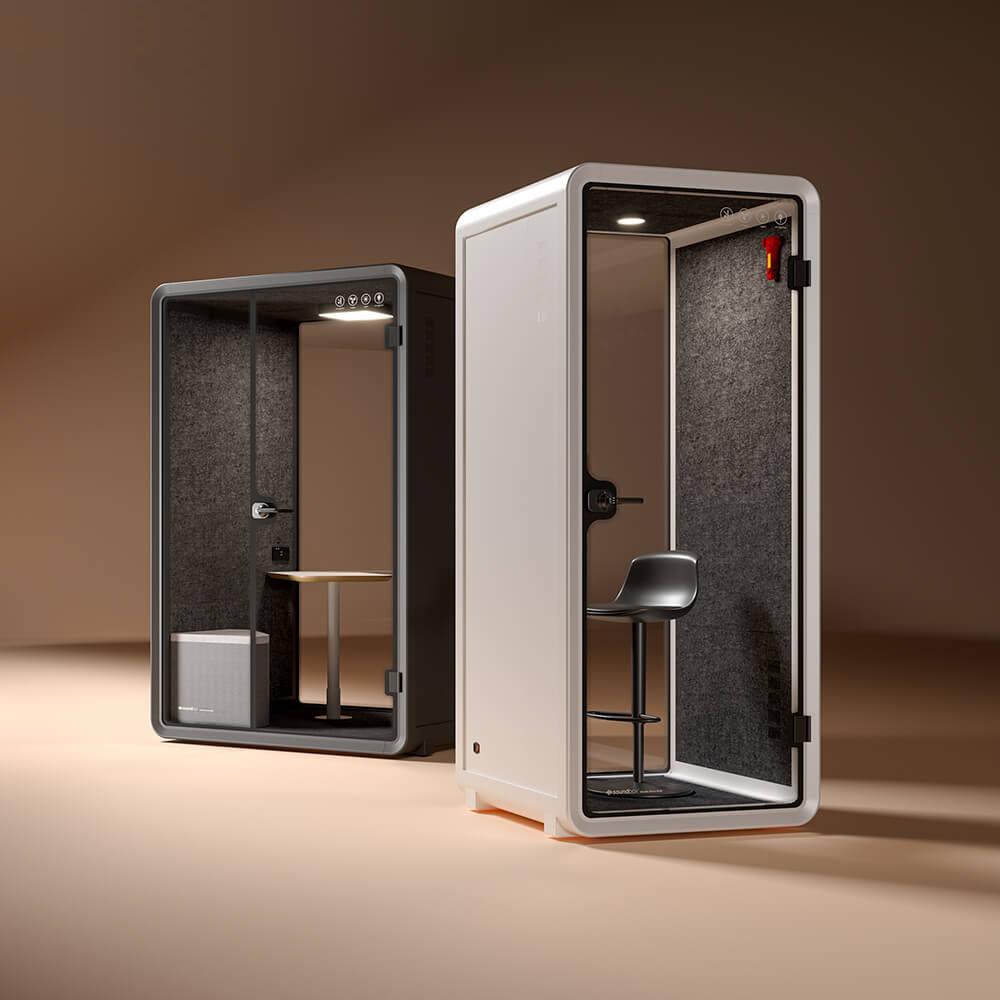
List every interface crossing the pod boundary: electrical supply, internal distribution, data, controls, lighting, fans, ventilation connections if present, approved devices, furniture fixings, and any site-added element. The authorized service owner should define isolation, verification, labeling, protection, and restoration. A plug visible at the wall does not prove that every internal or site interface is ready for movement.
Build a parts and consumables schedule from the approved method. Include seals, gaskets, tapes, fasteners, clips, covers, filters, cable protection, packaging, labels, cleaning materials, and replacement items where specified. Classify each as reusable after inspection, replace-on-move, condition-dependent, or pending supplier confirmation. Starting without required consumables can turn a reversible assembly into a damaged one.
Prepare component protection and identification before disassembly. Use a labeling system linked to drawings or the assembly sequence, protect finishes and glazing, define stacking orientation, keep hardware with its component where appropriate, and record damaged or missing items. Plan secure temporary storage and weather protection. These controls preserve the option to reconstruct the accepted pod rather than merely transport loose parts.
Hold a pre-move briefing with the approved method, roles, route, stop conditions, communication, protection, and incident response. Record the baseline condition before each component leaves its installed position. During work, log sequence, labels, unexpected resistance, damaged fasteners, seal condition, glazing or finish concerns, substitutions, missing parts, and any departure from the instruction.
At the destination, reconcile the delivered set with the component register before assembly. Quarantine damaged or uncertain items, document corrective action, and confirm that enabling work and services are ready. Reviewing the office pod range may help identify product configuration information, but it does not replace the exact unit passport or movement instruction.
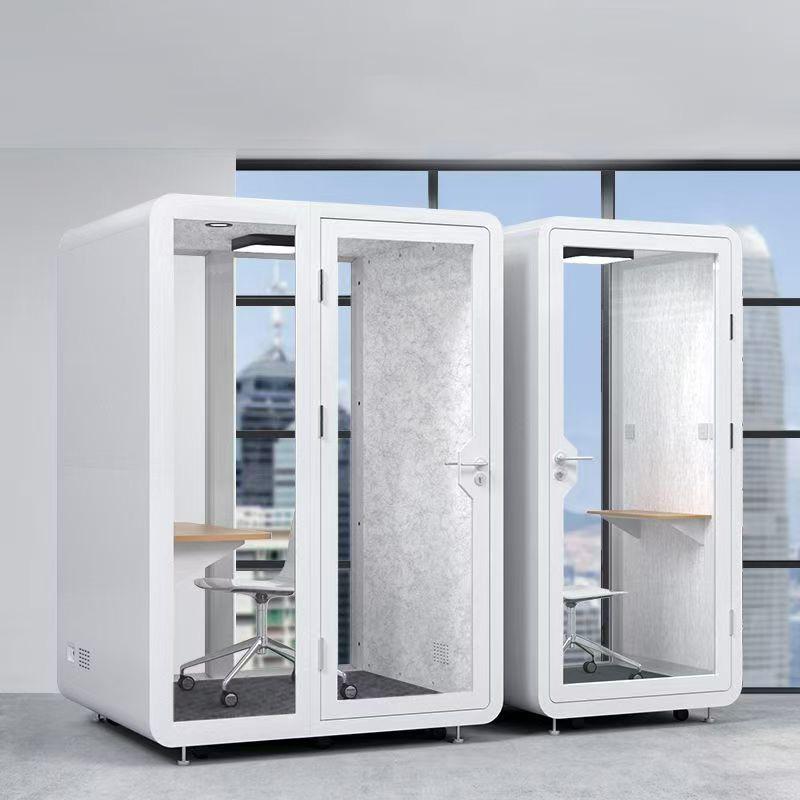
Reassembly is not the end of the move. Inspect structure, joints, panels, glazing, door alignment, seals, floor and ceiling interfaces, furniture, ventilation, lighting, controls, power, data, finishes, cleanliness, labels, and maintenance access. Authorized service owners restore and verify their interfaces. Record defects and corrections before occupied use resumes.
Repeat the accepted workplace checks from the origin where they remain relevant. Use the same task, occupancy, device chain, door and fan state, source and listener positions, session duration, comfort observation, access route, and operating procedure as far as practical. Differences in the receiving room must be recorded because background, reflections, sightlines, circulation, and service context may change the result.
Hand over revised documents, location, configuration, limitations, maintenance needs, spare items, warranties or supplier records where applicable, fault route, and future movement trigger. The relocation passport should close only when the pod is safe for the authorized team to release and works for its assigned task. Physical arrival alone is not continued operational acceptance.
Keep the origin baseline after handover. It provides the comparison for new sound paths, door behavior, controls, occupied comfort, and device performance at the destination. Where the receiving room necessarily changes a condition, issue a new accepted boundary instead of forcing the old result to appear unchanged.
Some configurations may have an approved complete-unit handling method, while others require specialist partial or full disassembly. The answer depends on current model information, installed options, handling points, protected dimensions, route, lifting or transport method, services, warranty, and site controls.
Do not infer complete movement from appearance. Obtain the method for the exact unit and qualify both origin and destination before selecting the route.
The approved method should identify replace-on-move or condition-dependent items. These may include certain seals, tapes, fasteners, clips, covers, filters, protective materials, or other model-specific consumables. This article does not prescribe a universal parts list.
Inspect and classify components before reuse, keep uncertain items out of assembly, and obtain supplier confirmation where the document is incomplete.
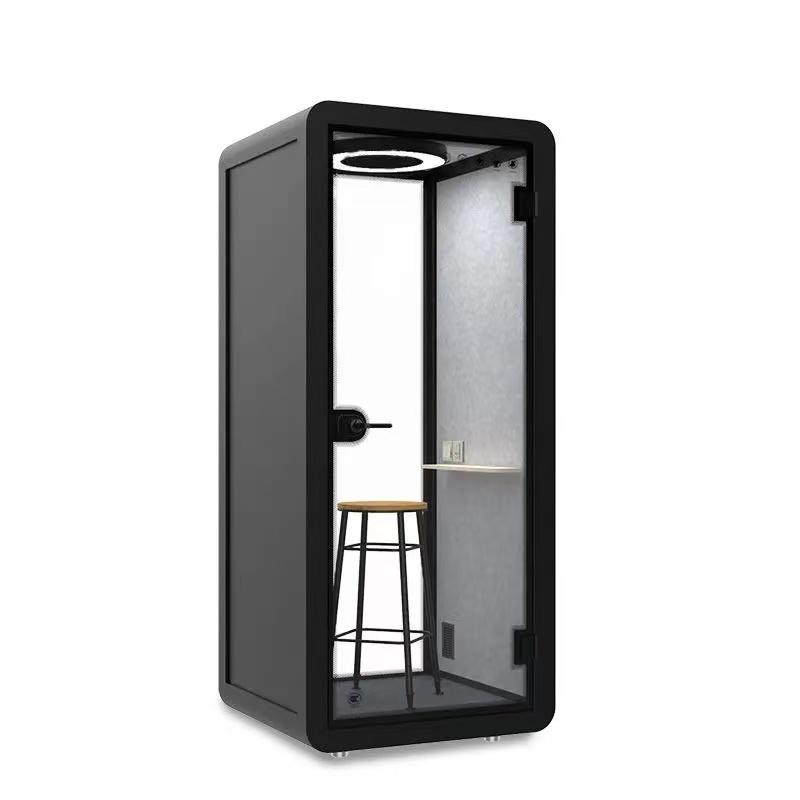
Authorized service owners and qualified personnel defined by the project and local requirements should control isolation, verification, labeling, protection, and restoration. The move plan assigns the interface and hold point; it should not replace competent technical instructions.
If ownership or method is missing, stop the move. A visible plug or cable does not prove that the complete service boundary is safe to release.
Inspect the complete assembly, door, seals, joints, finishes, furniture, ventilation, lighting, controls, power, data, maintenance access, and corrected damage. Then repeat relevant occupied task, privacy, device, comfort, access, and operating checks in the destination environment.
Update the location, documents, limitations, service record, fault route, and future move trigger. Delivery to the floor is not the same as recommissioning.
Keep cosmetic, functional, and service defects on separate lines. A finish concern may not block occupied use, while a door, ventilation, power, or privacy failure may. Authorized handover owners decide severity and closure; the moving team should not merge every defect into one completion status.
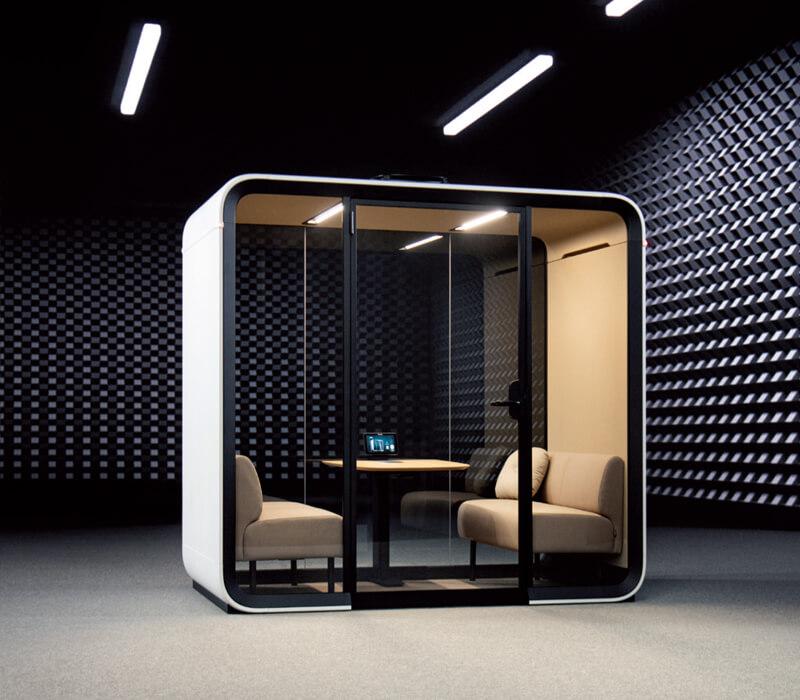
Office Pods can be moved after installation when the exact unit has a credible method, both routes are qualified, services and components are controlled, exceptions are stopped and resolved, and the destination can restore the accepted workplace condition. Modularity supports the question; it does not answer it alone.
Authorize movement only when destination and recommissioning gates are owned. Keep the relocation passport with the baseline, instructions, component register, condition log, service releases, defects, repeated task checks, limitations, and handover. If any critical path remains unqualified, postponing the move is a valid and safer decision than improvising around the missing evidence.

 Tel: +8613538031763
 Email: info@sopworkpod.com
 MP/WhatsApp: +8613538031763
 Manufacturer Address:Liucheng Lujiang District,Meixi Road,Nanan City,Fujian,China