Author:SOP Work Pods Manufacturer TIME:2026-08-28
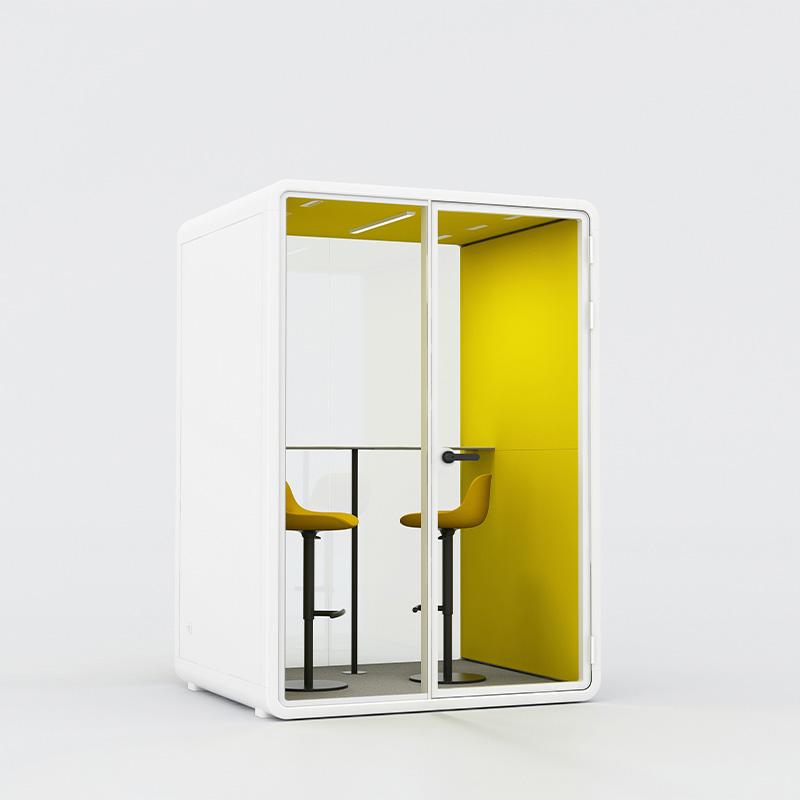
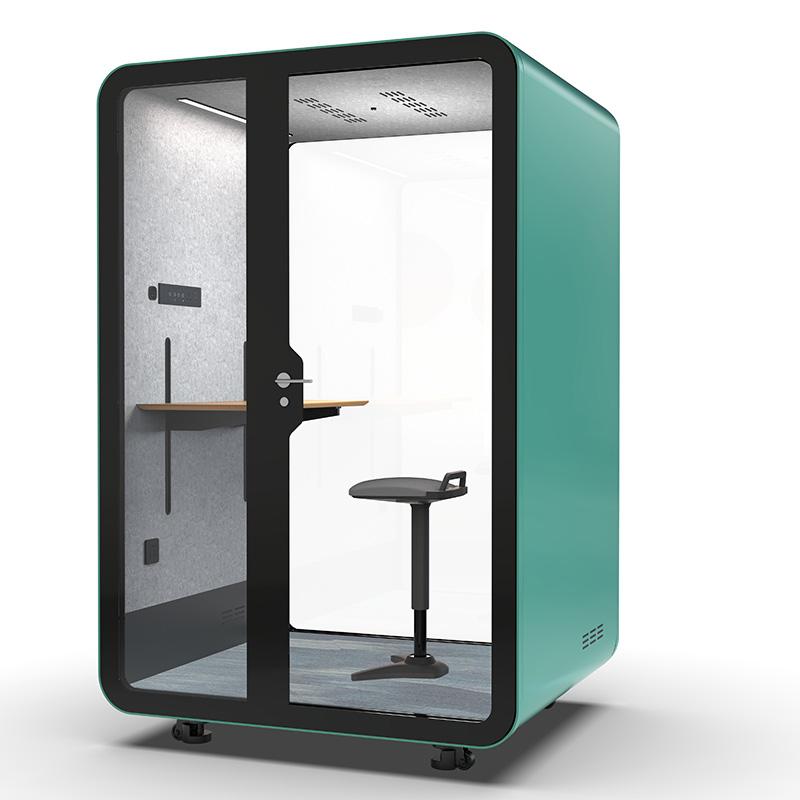
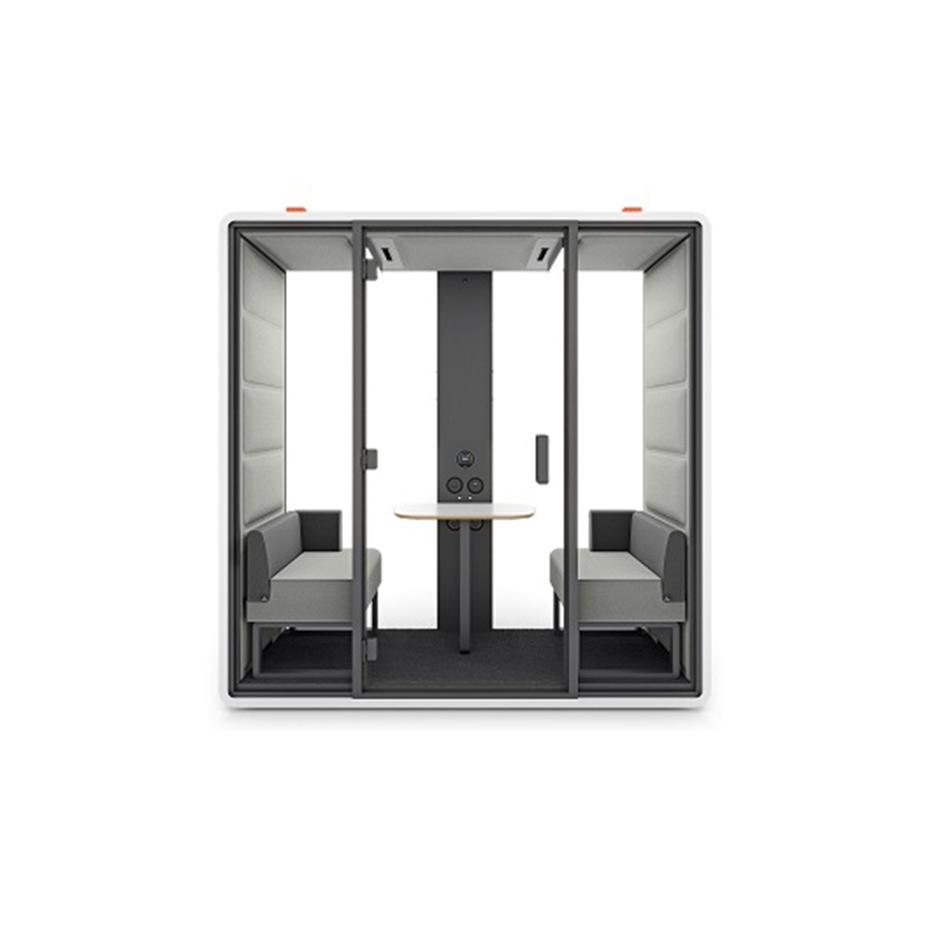
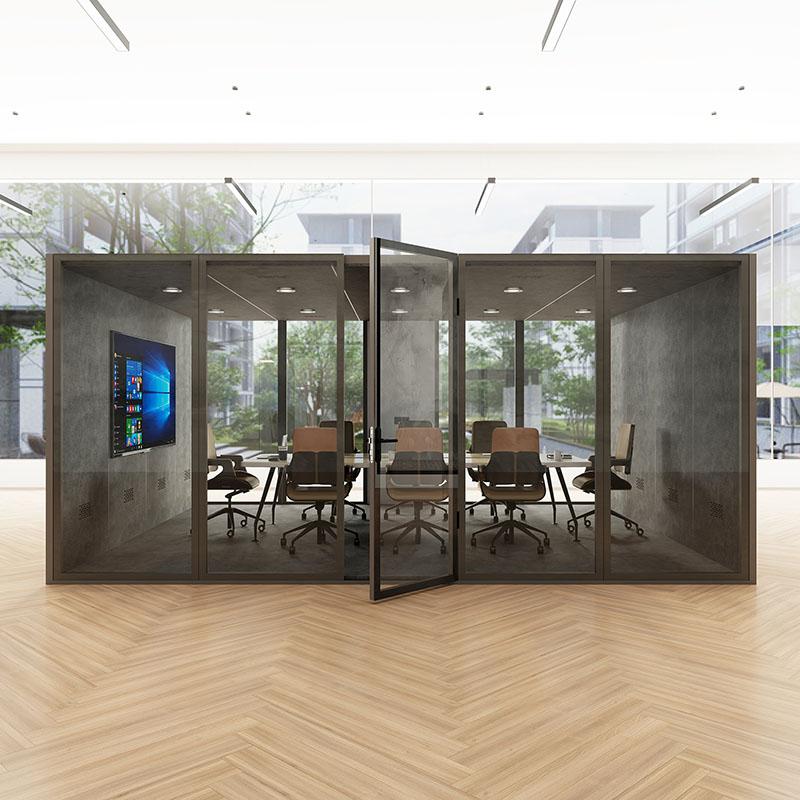
The most popular office phone booth can be the wrong choice for a particular team. A compact unit may suit frequent individual calls but block a required movement path. A technology-rich model may depend on services the office cannot support. A spacious interior may consume the exact circulation or maintenance clearance the floor must preserve. None of those candidates becomes suitable because it wins a broad feature score.
Selection improves when the team uses vetoes before preferences. A veto is a condition that makes a candidate unacceptable for the intended task or site: insufficient usable movement, an unapproved privacy boundary, no viable delivery route, incompatible power or data, an inaccessible control, unsupported maintenance, or a delivered scope that cannot be compared. Preferences such as finish, extra controls, or a minor convenience are considered only after hard conditions survive.
This method turns the word best into an evidenced finalist. Build the team's real demand profile, set non-negotiable conditions, expose configuration and site dependencies, and eliminate candidates with unresolved hard failures. The remaining booths enter a short occupied trial. The winner is not universal; it is the configuration that supports the assigned team work with acceptable trade-offs and named ownership.
Collect recurring call situations rather than annual headcount. Note when calls cluster, how long normal sessions last, whether users speak continuously, which devices and papers they bring, whether video is common, and which conversations need a stronger privacy route. Include unsuccessful behavior: calls taken in corridors, meeting rooms occupied by one person, delayed conversations, and people leaving the floor.
Convert demand into several selection cases. A short individual call, a sustained focus block, a confidential discussion, and a hybrid exchange may require different interiors, listener boundaries, technology, and booking behavior. Do not merge them into an average user. Decide which cases the phone booth must support and which will remain assigned to another room.
Mark peak concurrency separately from total use. A team may make many calls without overlap, or a modest number may occur in the same narrow window. Observe denied demand and the alternative people choose. This informs quantity later, but it also affects the first selection: a booth that is slow to reset or difficult to use can worsen a short peak.
Keep demand evidence independent from product enthusiasm. A showroom visit can reveal controls and dimensions, but it cannot establish the team's call pattern. Approve the selection cases before comparing models so the criteria cannot drift toward whichever candidate has the strongest presentation.
Write each veto as a testable condition with an owner. Examples include a clear approach and exit, usable interior movement for intended users, an accepted speech and sightline boundary, a feasible delivery and assembly route, compatible building services, safe maintenance access, and an exact included scope. Avoid vague labels such as high quality or comfortable because two reviewers may interpret them differently.
Divide vetoes into task, person, site, service, and commercial groups. A task veto concerns the work itself; a person veto concerns access, reach, posture, or another required action; a site veto concerns footprint, circulation, or surroundings; a service veto concerns power, data, ventilation relationship, controls, or support; a commercial veto concerns an unpriced or unowned requirement. The categories reveal who can close each issue.
Some failures are correctable. A different door orientation may protect circulation, another furniture option may improve the work action, or a clarified installation scope may close a commercial gap. Record the proposed correction and rerun the same veto. Do not quietly change the condition or award partial credit to a candidate that still fails.
Keep preferences in a separate list. Finish, interface style, optional charging, and small convenience differences can distinguish surviving candidates, but they should not conceal a blocked route or unsupported service. This ordering also makes the recommendation easier to defend when stakeholders prefer different appearances.
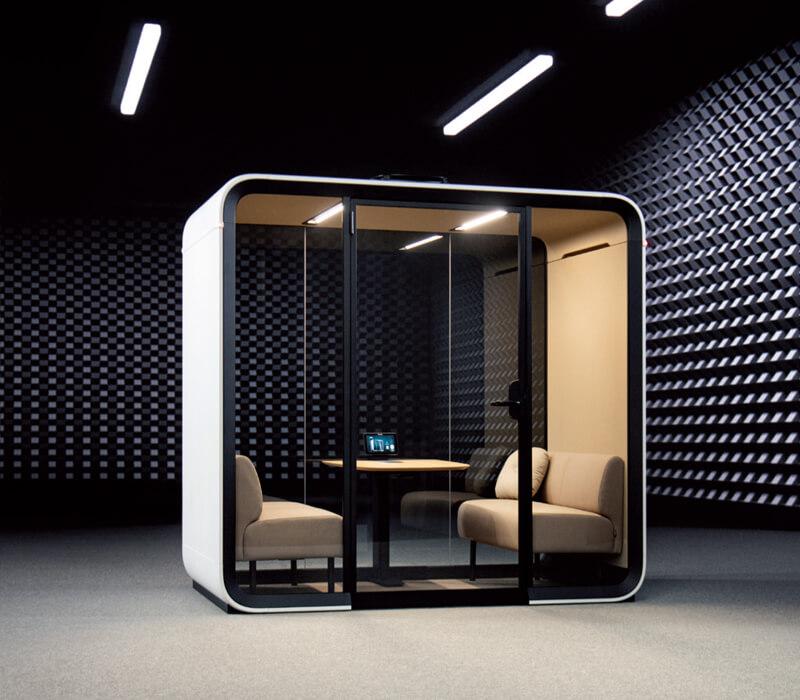
A booth's dimensions are not the installed envelope. Add door movement, approach, accessible route, waiting behavior, maintenance access, ventilation clearance, nearby furniture, detectors and sprinklers, power and data routes, and delivery of the largest component. Mark those areas on the actual floor rather than relying on a clean product footprint.
Define relevant listener and sightline positions for each supported call case. Request applicable evidence for the named model and options, then observe speech and screen exposure in a credible workplace setup. A document can inform comparison without predicting every office. Preserve its specimen and conditions so a result for another size or arrangement is not carried across silently.
Examine the surrounding work zone. A door facing concentrated desks, a booth beside a waiting point, or reflective surfaces near an opening may alter disturbance and privacy. Compare plausible orientations where possible. A candidate that requires a harmful location to fit should be treated as a site failure, not accepted because its internal features look strong.
Confirm the delivery route before a finalist decision. Review packaging or component dimensions, doors, turns, lifts, stairs, floor protection, loading limits, storage, assembly area, waste removal, and working-hour restrictions. A model that reaches the building but not the intended floor has failed a practical veto.
Invite representative users to perform the work action. Observe entry with normal belongings, door operation, seating or standing, turning where relevant, placing a device and papers, reaching controls, connecting power, adjusting the screen, taking a call, and leaving. Nominal capacity does not describe whether those actions fit together.
Check posture across the intended duration. Table height, seat relationship, leg space, device angle, camera framing, lighting, glare, cable position, and room for movement can support one task and hinder another. If furniture options differ, treat each option as a distinct configuration. Do not approve an empty shell and assume the final interior will behave the same way.
Observe occupied comfort without inventing universal thresholds. Note control response, airflow sensation, drafts, equipment heat, fan character, lighting, and the change across consecutive calls. State the session length and room condition. A short call result should not be stretched into a claim about sustained use.
Include users who expose the range of required actions, not only the person who chose the shortlist. Where one booth cannot support an intended user or task, determine whether another configuration or equivalent workspace provides a sound alternative. Exclusion should be visible in the decision rather than hidden after purchase.
| Selection condition | Veto test | Corrective route | Finalist evidence |
|---|---|---|---|
| Team work case | Candidate cannot support a required call action | Change configuration or retain another workspace | Observed representative task |
| Installed site | Footprint, route, services, or surroundings remain unresolved | Reorient, relocate, or select another model | Marked site and delivery release |
| Privacy boundary | Relevant speech or screen exposure is unacceptable | Alter boundary or exclude the sensitive task | Named listener and sightline observation |
| Lifecycle ownership | Maintenance, support, change, or included scope has no owner | Clarify contract and operating responsibility | Delivered configuration and owner record |
Compare the complete delivered state. List enclosure model, door orientation, glazing, furniture, lighting and ventilation controls, electrical components, data provisions, technology accessories, finishes, assembly, site protection, commissioning, training, cleaning information, spare items, warranty, and service response. A lower base price may exclude work another offer includes.
Ask who owns each interface. The supplier may assemble the booth while the client provides power, data, network coverage, floor readiness, approvals, or relocation labor. Facilities may handle routine inspection while specialist work remains with an approved provider. Attach owner and evidence to the line item so no requirement disappears between quote and handover.
Examine change conditions before awarding flexibility. Furniture swaps, software changes, replacement controls, disassembly, relocation, and recommissioning may involve parts, skills, documentation, or warranty consequences. A candidate should receive credit only for a change route the buyer can actually support.
Use the office phone booth product route to retain the exact configuration being compared. If a supplier substitutes a component, model revision, or service scope, reopen the related veto and trade-off lines. Product family similarity is not enough to preserve an approval.
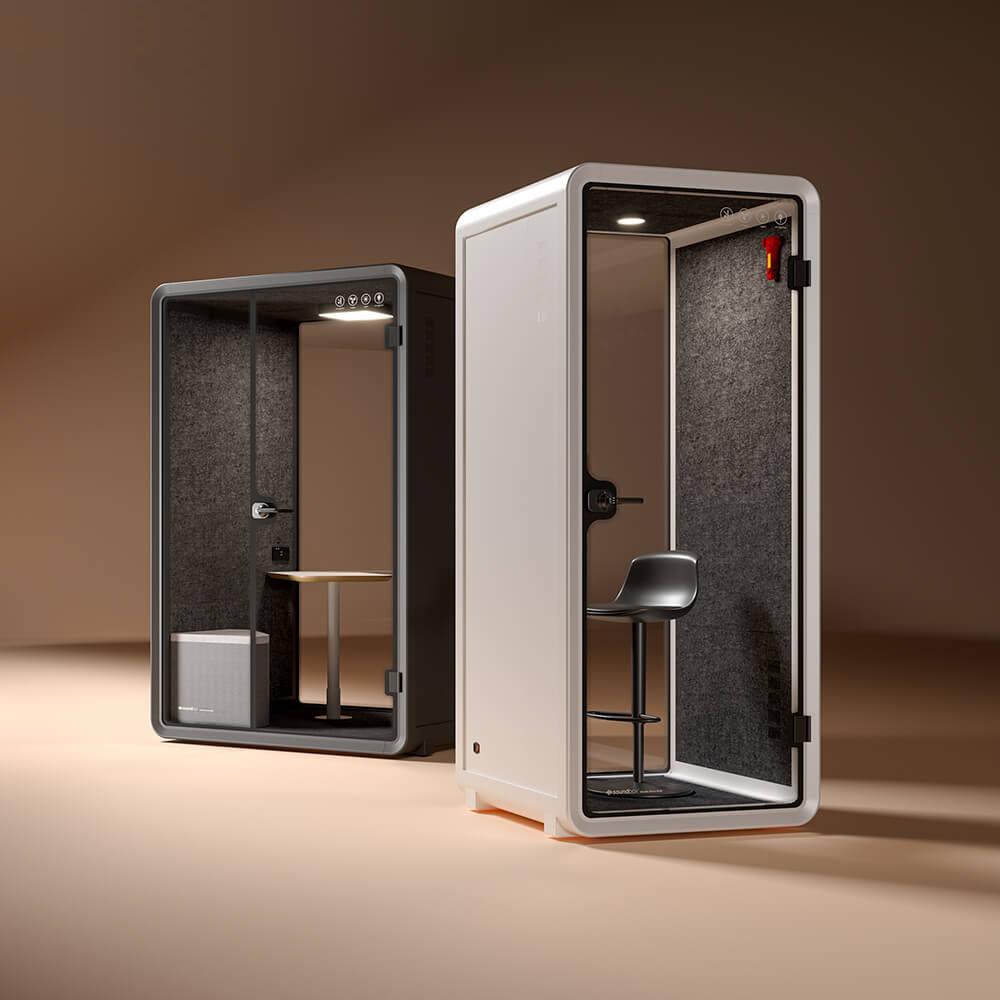
Trial only candidates that have closed every non-negotiable on paper and at the proposed site. Use representative call cases, intended users, normal devices, realistic materials, credible surrounding activity, and the proposed booking route. Observe preparation, occupied work, an interruption, exit, reset, and support. A guided demonstration is useful for orientation but should not be the only evidence.
Give each finalist an adverse yet ordinary condition. This may be a peak booking period, a nearby conversation, consecutive calls, a user with typical belongings, a device connection failure, or a preferred orientation no longer available. The purpose is to see whether the booth has a workable fallback and whether a trade-off becomes a veto under normal variation.
Record findings against the original cases. Separate candidate defects, site conflicts, service failures, and policy problems so corrective work reaches the right owner. Reject a finalist when a hard condition remains unresolved; do not dilute it inside a total score. Among survivors, compare preferences and operating burden transparently.
The final recommendation should name the selected configuration, supported team cases, excluded work, accepted trade-offs, delivered scope, owners, and recheck triggers. It should also state why the other finalists were rejected or ranked lower. That record remains useful when demand changes or another booth is considered later.
No. Eliminate candidates that fail a required task, user, site, service, privacy, or commercial condition. Score or compare preferences only among survivors. Otherwise a long list of optional strengths can hide one failure that makes the booth unusable.
Use enough representative users to cover the required actions, devices, call cases, and access needs. The goal is not a survey percentage. It is to expose whether the configuration works across the team's defined range and to document any supported alternative.
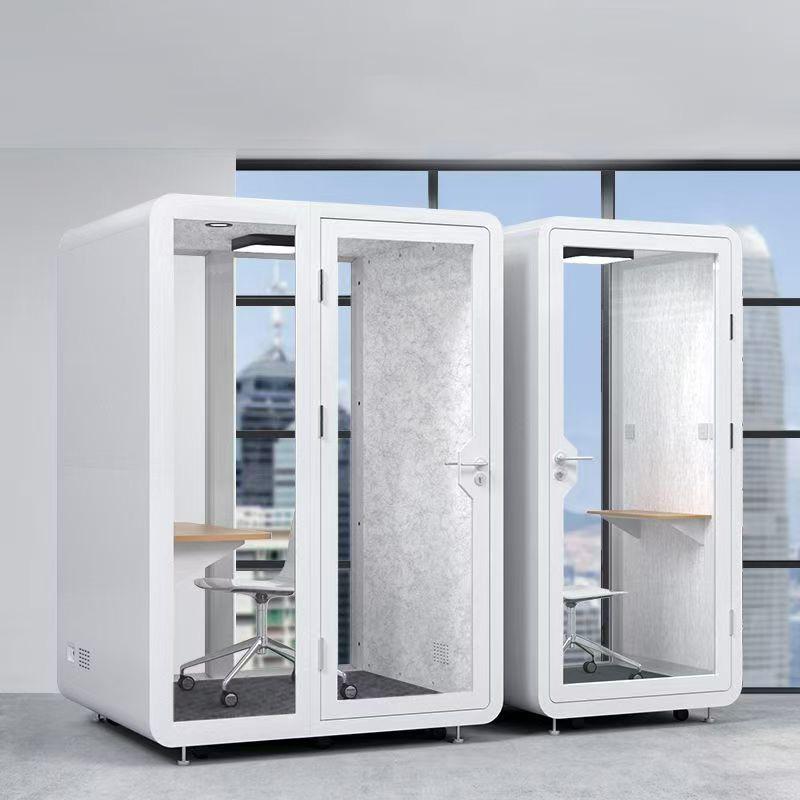
A larger interior may be unsuitable when it damages circulation, cannot reach the location, creates an unserviceable envelope, consumes needed space, or exceeds the team's actual task. Judge usable action and installed impact together instead of treating size as a universal benefit.
Keep the demand cases, veto definitions, site and delivery release, applicable product evidence, exact options, occupied trial, rejected candidates, delivered scope, owner map, accepted limits, and review triggers. These records explain why the finalist was best for this team.
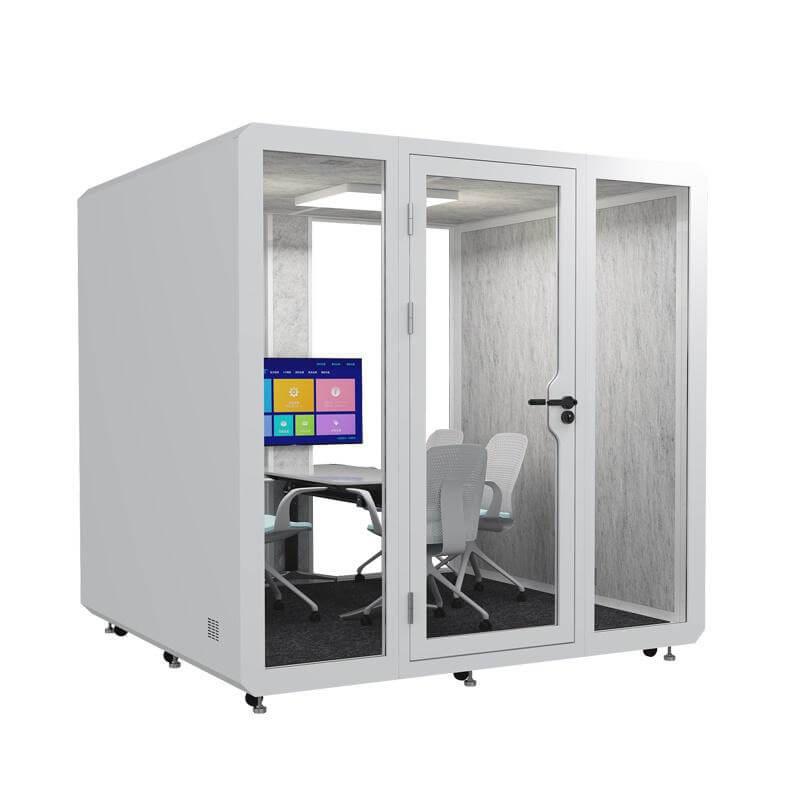
The best office phone booth for a team is the configuration that survives the team's non-negotiable task, person, site, privacy, service, and commercial conditions. Broad rankings and feature totals cannot rescue a booth that fails one condition essential to actual use.
Build the veto ledger before requesting a final price. Close correctable gaps, remove unsuitable candidates, and trial only the survivors with representative work and ordinary adverse conditions. Approve the finalist whose supported cases, trade-offs, delivered scope, and lifecycle ownership can all be stated without qualification being hidden.
For a team-specific phone booth quote, provide representative users, available dimensions, call equipment, and finalist requirements through WhatsApp or the inquiry form.

 Tel: +8613538031763
 Email: info@sopworkpod.com
 MP/WhatsApp: +8613538031763
 Manufacturer Address:Liucheng Lujiang District,Meixi Road,Nanan City,Fujian,China