Author:SOP Work Pods Manufacturer TIME:2026-06-01
Budgeting for a soundproof office pod in 2026 requires a clear scope boundary. A single national average price cannot capture the variation caused by pod dimensions, acoustic engineering, delivery route, site conditions, installation labor, and the level of evidence a supplier provides. This article replaces a generic price list with a scenario budget method that separates each cost driver so you can compare quotes on a like-for-like basis.
Once the buyer has defined size, use, destination, and installation scope, the office pod range can be reviewed against the same budget ledger. Catalog comparison should follow scope definition, not substitute for it.
Before any budget discussion begins, define what the pod must achieve. A one-person phone booth for confidential calls has different acoustic and electrical demands than a six-person meeting room for hybrid video conferences. The number of daily users, the ambient noise level of the surrounding office, and the required speech privacy level all influence the specification. Without these boundaries, any price figure is an abstraction that cannot support a purchasing decision.
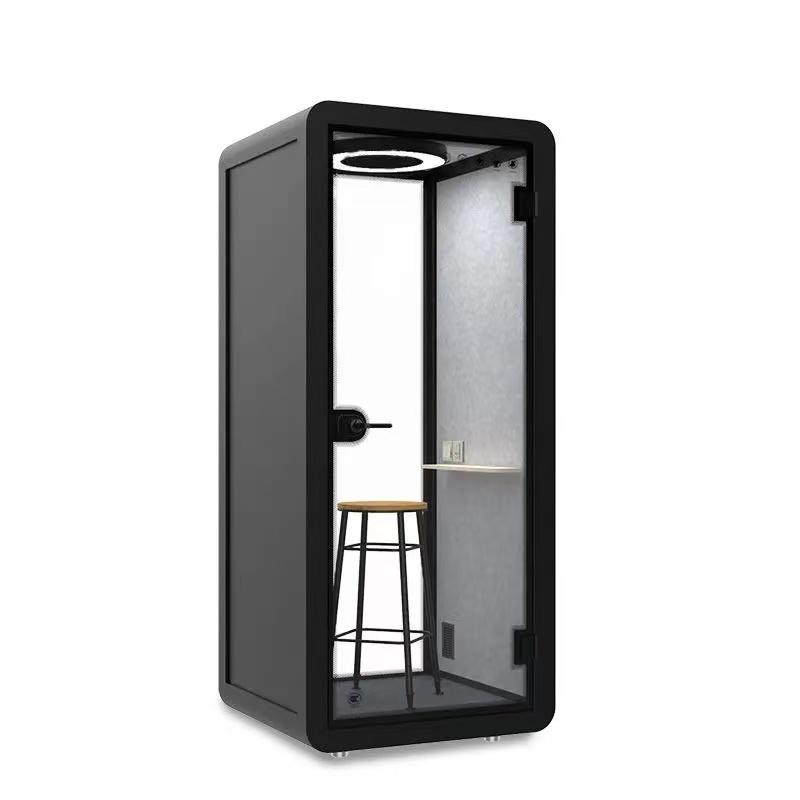
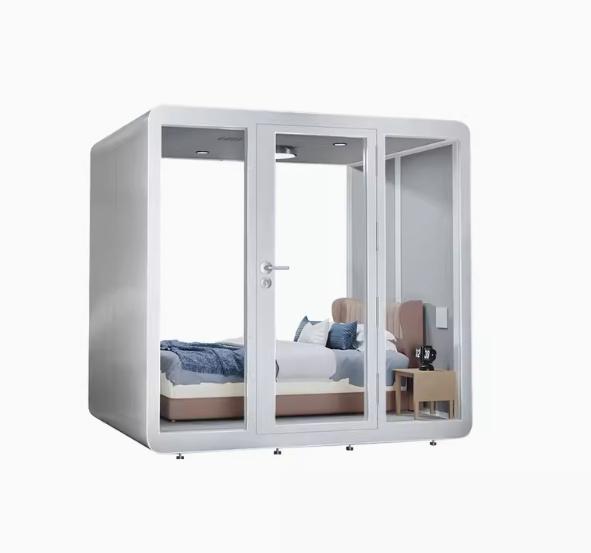
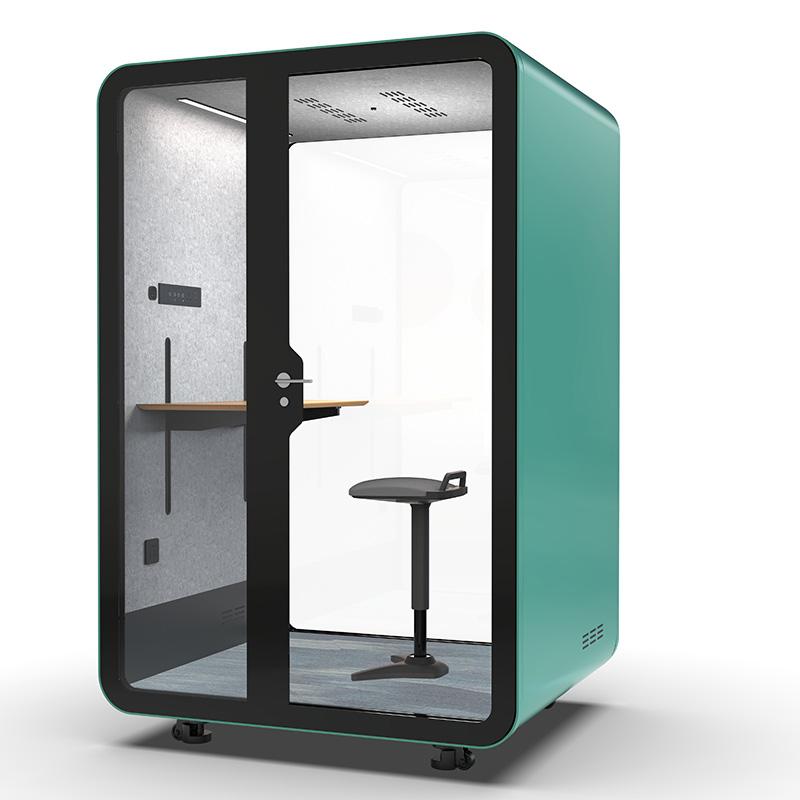
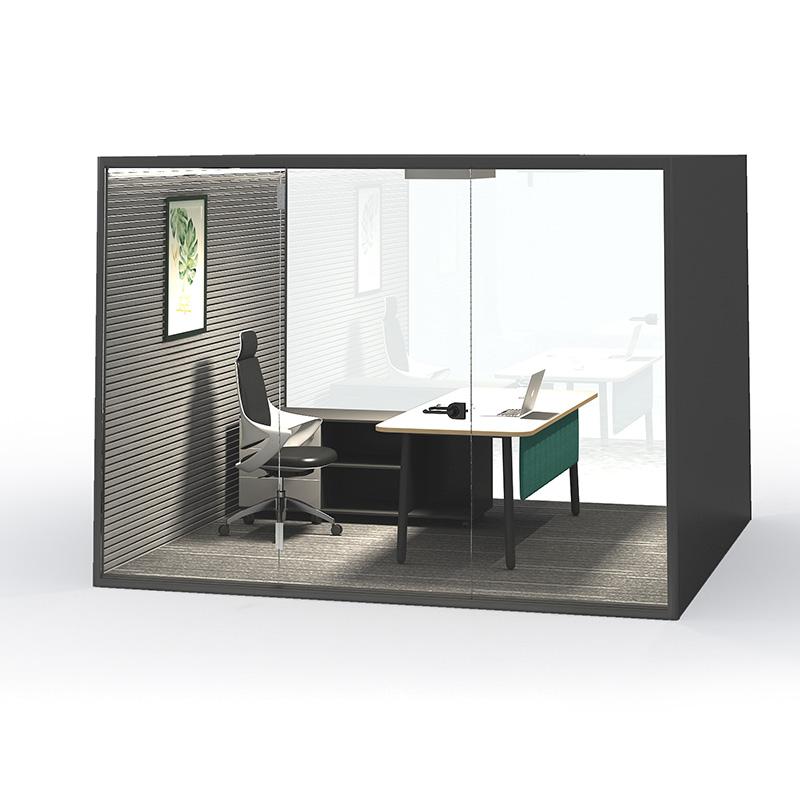
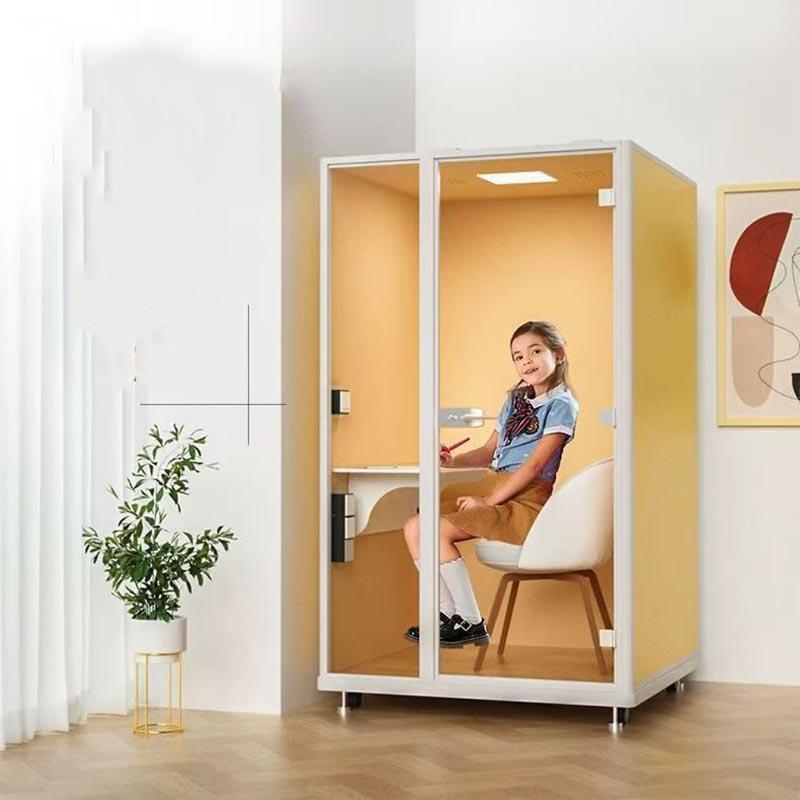
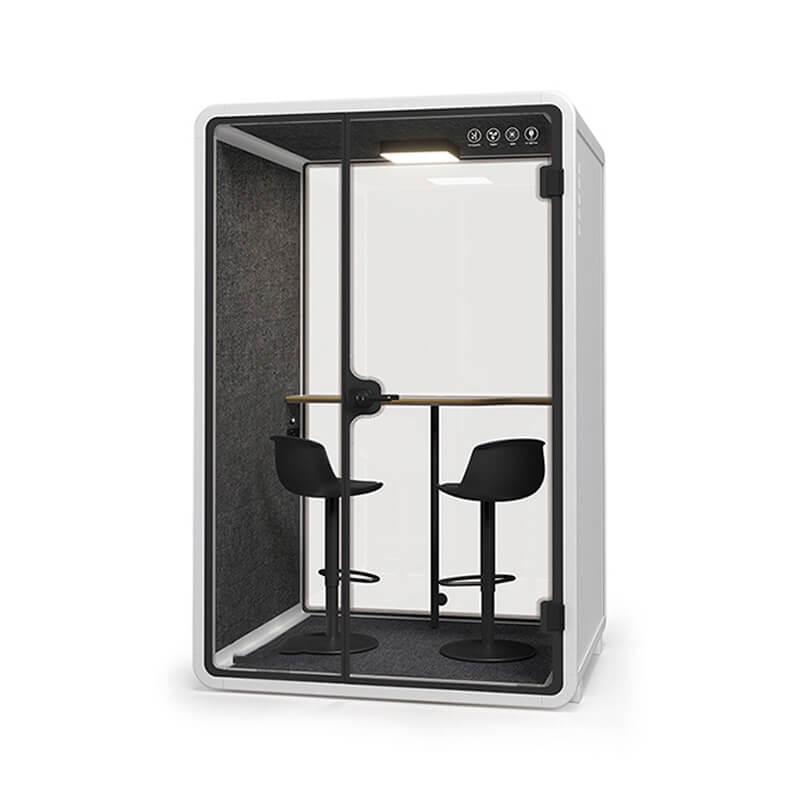
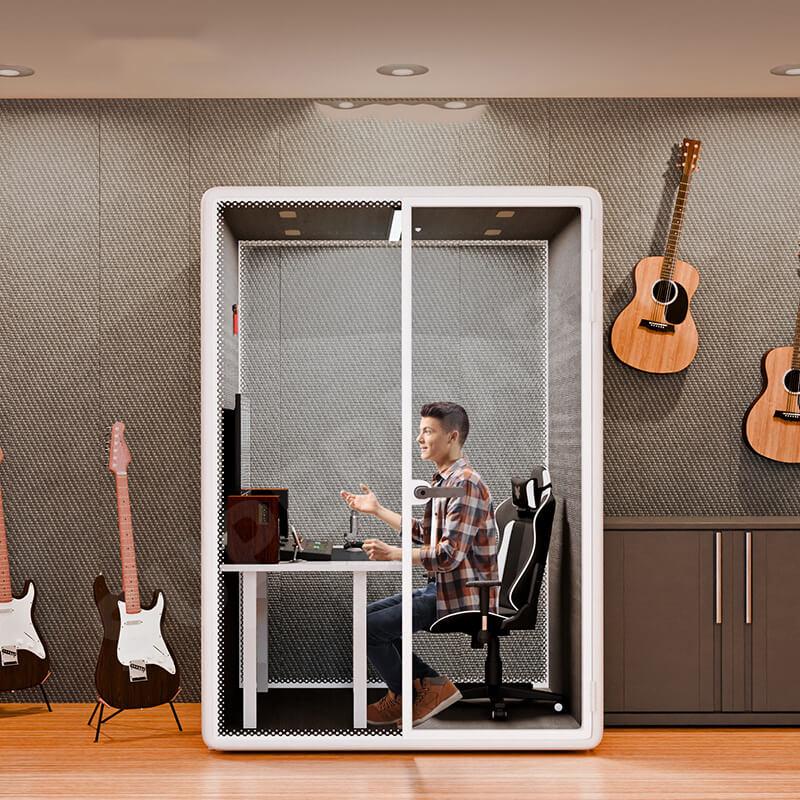
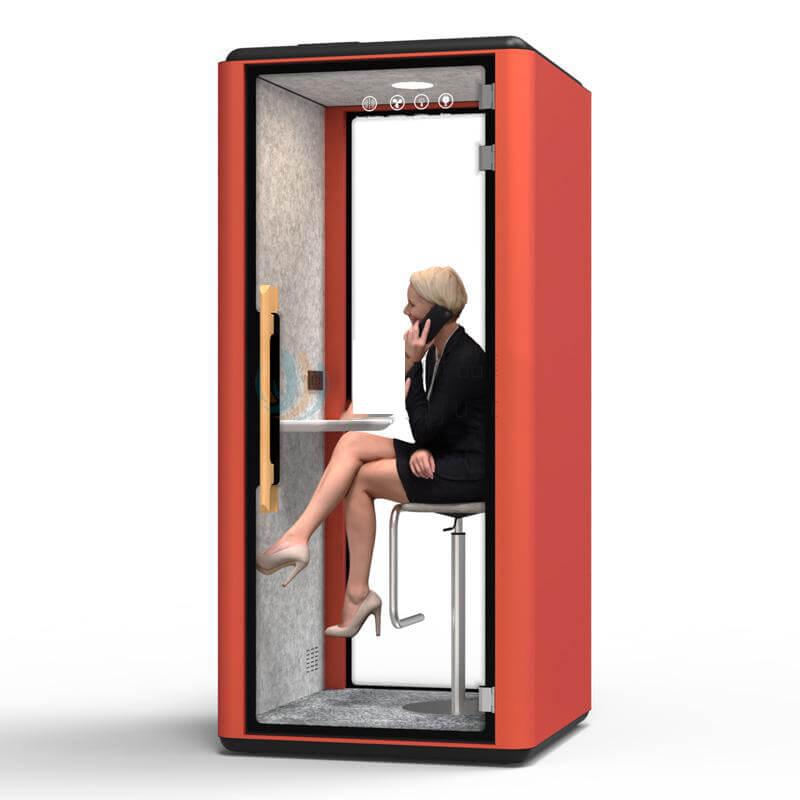
The starting point for any budget is the base configuration, not the marketing image. A one-person office phone booth quote may include the structural shell, acoustic lining, door, lighting, work surface, ventilation, and power, but inclusions vary. Larger meeting-pod quotes may add furniture and service capacity, yet those items still need to be named rather than inferred from an image. When you receive a quote, ask the supplier to itemize these components so you can verify that the price covers a complete, usable unit rather than a shell that requires additional purchases.
Request a written specification that names each component and its material. For example, the specification should state the thickness of the acoustic panels, the type of glass used in the door, the number and placement of power outlets, and the ventilation fan capacity. A vague description such as "high-quality acoustic materials" does not allow a meaningful comparison between suppliers. The base configuration document becomes the reference point for every subsequent cost discussion.
Acoustic performance can be one of the most consequential hidden cost drivers in an office pod. Enclosure construction, junctions, glazing, door seals, ventilation paths, and assembly quality can all affect speech privacy and distraction reduction. Service options such as alternative fan controls, occupancy sensors, or monitor support can also change the price. Require complete-system evidence and a controlled offered configuration; isolated material descriptions do not establish delivered performance.
When evaluating acoustic options, consider the specific noise environment where the pod will be placed. A pod beside active workstations may face a different privacy problem from one in a quieter zone, so location and task should inform the requested evidence. The supplier should be able to explain how each acoustic layer contributes to the overall performance and what trade-offs exist between sound absorption, ventilation airflow, and internal dimensions. These choices directly affect both the purchase price and the long-term satisfaction with the pod.
Shipping cost is a function of pod volume, weight, and the delivery route, not just the product price. Package count, dimensions, mass, assembly state, and route constraints determine the transport and unloading method; product capacity alone does not. International projects add export packing, customs documentation, and longer transit times. Your budget should include a freight quote from the supplier that matches your actual delivery address, not a generic shipping estimate.
Provide the supplier with accurate information about your delivery site before requesting a freight quote. The quote should specify the type of vehicle, the number of delivery personnel, and any special equipment required to unload the pod. If your building has a loading dock, confirm that the delivery vehicle can access it. If the pod must be moved through a passenger elevator, verify the elevator dimensions and weight capacity. These logistical details can significantly affect the final delivery cost and should be confirmed before you commit to a purchase.
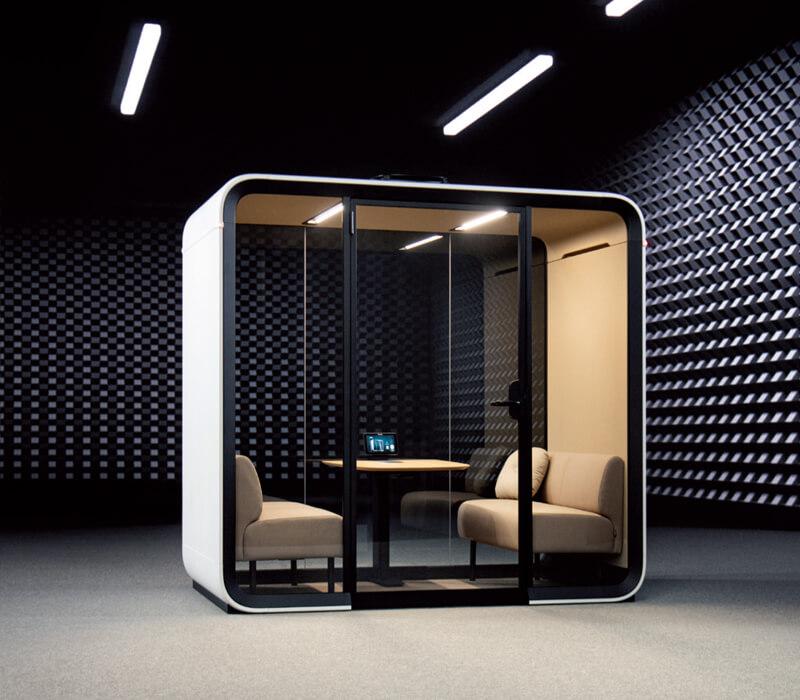
Site preparation is often underestimated in initial budgets. The installation area must be level, have adequate floor loading capacity, and provide access for the pod to be moved into place. Power outlets must be within reach of the pod’s connection point. Doorways, corridors, elevators, and stairwells must accommodate the pod’s dimensions. If your site requires floor reinforcement, electrical extension, or temporary removal of obstacles, these costs belong in your budget before installation begins.
Conduct a site survey before requesting final quotes. Measure the installation area, check the floor level with a spirit level, and identify the nearest power source. Take photographs of the access route from the delivery point to the final location. Share these details with the supplier so they can identify potential issues early. A site survey report from the supplier provides documented evidence of what work is required and reduces the risk of unexpected costs appearing after the pod arrives.
Controlled installation protects the conditions needed for the pod to perform as offered. Assembly may include joining panels, fitting and adjusting the door, connecting approved electrical interfaces, and checking ventilation operation. Commissioning can verify door operation, lighting, controls, airflow, visible damage, and agreed acceptance items. Because supplier scopes differ, the quotation must name who performs each activity and who resolves a failed check.
Ask the supplier for a detailed installation plan that identifies crew responsibilities, sequence, prerequisites, expected working window, and equipment. Confirm whether the installation team handles electrical connections or whether a licensed electrician is required. The commissioning checklist should include specific tests for door seal integrity, ventilation noise levels, and lighting uniformity. Define your acceptance criteria in writing before installation begins so that both parties agree on what constitutes a completed and functional pod.
The total cost of ownership extends beyond the purchase invoice. Consider the warranty period, the availability of replacement parts such as seals, fans, and LED drivers, and the supplier’s response time for support requests. A pod with difficult service access or short-lived replacement parts may carry a higher lifetime cost, so maintenance assumptions should be recorded. Ask the supplier for a recommended maintenance schedule and confirm that spare parts are stocked for the model you are considering.
Review the warranty terms carefully. Request a warranty schedule that states the treatment of the frame, panels, door hardware, electrical components, ventilation system, finishes, labor, travel, and excluded conditions. Clarify whether the warranty covers parts only or includes labor for repairs. Ask about the typical response time for warranty claims and whether the supplier has local service partners. A pod with a longer warranty and readily available spare parts may have a higher initial price but a lower total cost over its operational life.
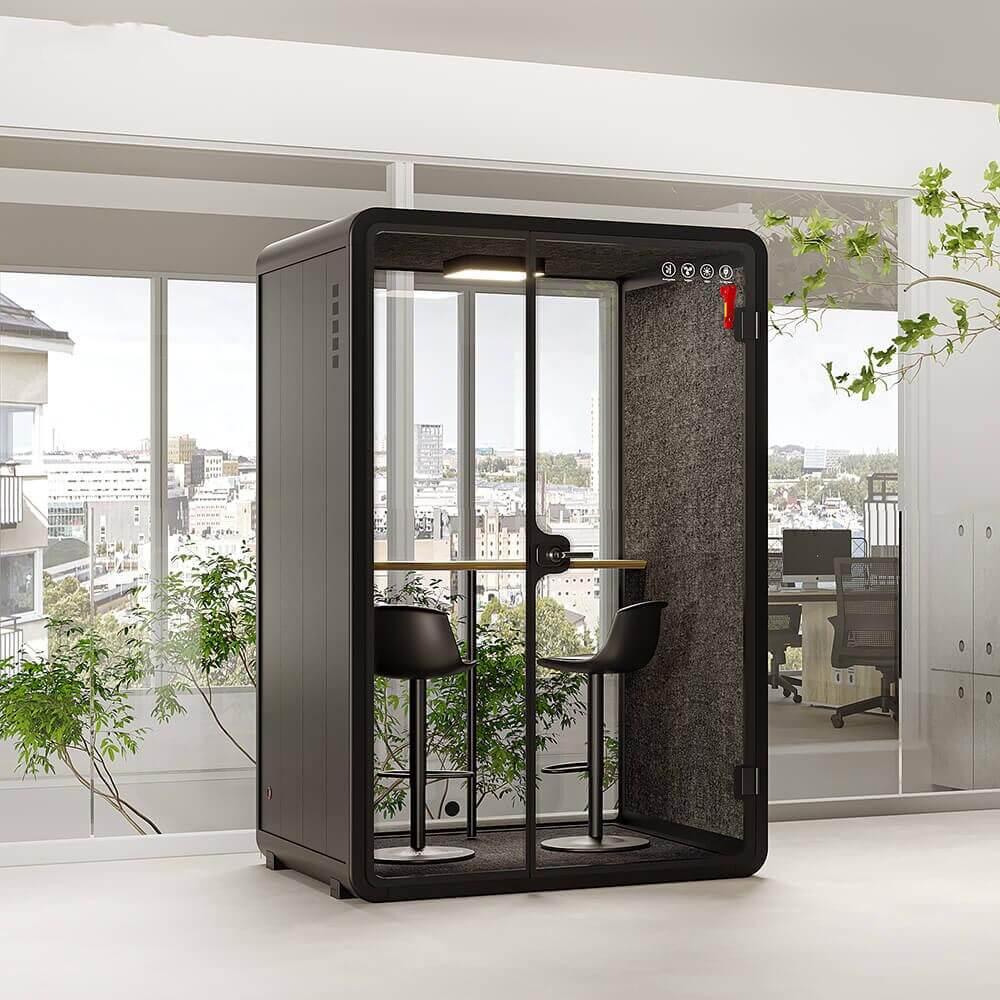
Use a scenario budget to compare quotes without relying on a single price figure. Create a table with columns for pod configuration, delivery, site work, installation, commissioning, risk allowance, and ownership costs. Assign a cost range to each line based on supplier evidence and your own site survey. This method reveals which quote is truly lower once all variables are included. The table below shows how to structure this comparison.
For each cost driver, record the trigger that activates the cost, the evidence you need from the supplier, the input you must provide, and how you will treat uncertainty. This structured approach forces both you and the supplier to be explicit about assumptions. When a quote appears lower than others, check whether it includes all the lines in your scenario table. A lower price that excludes delivery or installation is not a comparable figure.
| Cost Driver | Trigger | Supplier Evidence | Buyer Input | Uncertainty Treatment |
|---|---|---|---|---|
| Pod configuration | Size, acoustic layers, glass type, furniture | Itemized component list | Use case and user count | Request a written specification |
| Delivery | Route, volume, weight, access | Freight quote to your address | Delivery site constraints | Confirm lift gate or crane needs |
| Site enabling work | Floor level, power proximity, access path | Site survey report | Facility drawings and photos | Include a contingency allowance |
| Installation | Labor hours, tools, team size | Installation service quote | Preferred timeline | Clarify what is not included |
| Commissioning | Door seal test, ventilation check, lighting test | Commissioning checklist | Acceptance criteria | Define a sign-off procedure |
| Risk allowance | Site surprises, delivery delays, part shortages | Supplier risk notes | Project buffer | Use the buyer's documented allowance method and update it when evidence arrives |
| Ownership cost | Warranty, spare parts, maintenance | Warranty terms and parts list | Expected lifespan | Compare lifetime cost, not first cost |
What is the most important cost factor for a soundproof office pod?
No single factor is always the most important. The deciding cost driver depends on the required capacity, privacy task, service package, destination, route, site work, and acceptance evidence.
Should I choose a cheaper pod to save money?
A lower quote may describe a different configuration or exclude delivery, site work, installation, evidence, or service. Normalize the scope and acceptance conditions before deciding whether it is genuinely cheaper.
How do I know if a quote is complete?
Ask for an itemized list covering the pod, delivery, site work, installation, commissioning, and warranty. If any line is missing, request clarification before signing.
What site information should I prepare before requesting quotes?
Measure the installation area, check floor level, identify the nearest power source, and photograph the access route from delivery to final placement. Share these details with suppliers so they can identify potential issues early.
A soundproof office pod budget in 2026 should be built from evidence, not from a single price figure. Separate the cost into configuration, delivery, site work, installation, commissioning, risk, and ownership. Use the scenario table to compare quotes transparently. This method helps you select a pod that fits your office problem and your budget. The useful output is a traceable budget: each amount has a scope, evidence source, owner, and stated uncertainty.

 Tel: +8613538031763
 Email: info@sopworkpod.com
 MP/WhatsApp: +8613538031763
 Manufacturer Address:Liucheng Lujiang District,Meixi Road,Nanan City,Fujian,China