Need Help?
Please leave your contact information to get our latest catalog
Get In Touch Now >


Author:SOP Work Pods Manufacturer TIME:2026-08-28
A soundproof booth does not make sound disappear. It changes how sound travels from a source inside or outside the enclosure to a listener. Panels, mass, layers, joints, glazing, doors, seals, floor and ceiling interfaces, ventilation openings, penetrations, internal absorption, background sound, and the installed room all influence what is heard.
The clearest explanation uses a source-path-listener model. It names the speech or noise source, traces direct and indirect routes, identifies the listener and task, and distinguishes reduced level from reduced speech intelligibility. The buyer can then connect product information to the complete assembled condition and run a practical field check at relevant positions.
No single mechanism proves universal performance. Lab information, where available, must be read with its specimen, method, condition, and limitation. Field observations should preserve speaker, listener, door, fan, devices, surrounding activity, and location rather than becoming an unsupported rating claim.
Identify speech, device audio, office noise, equipment, or external sources; direct and reflected routes; listener position; task; sensitivity; distance; surrounding activity; and whether audibility or intelligibility matters.
Use a source-path-listener check to challenge the assumption. Draw the actual source-path-listener route and repeat the relevant sound while observers occupy the positions used for the buyer decision. Preserve context and contrary observations because a soundproof label replacing a defined acoustic problem would change the approval route.
Close this point by deciding how to approve a bounded acoustic question. The source listener evidence note should identify the observed condition, limitation, accountable owner, correction or confirmation due, and effect on the installed acoustic explanation.
Examine material layers, mass, cavities, panel connections, glazing, frames, corner details, ceiling and floor assemblies, support interfaces, fit, and the relationship between components in the offered model.
Use a source-path-listener check to challenge the assumption. Use model-specific drawings or product information and inspect the assembled booth for discontinuities, substitutions, damage, or interfaces not represented in available evidence. Preserve context and contrary observations because one strong panel being assumed to represent the full enclosure would change the approval route.
Close this point by deciding how to record the complete enclosure construction and evidence scope. The enclosure evidence note should identify the observed condition, limitation, accountable owner, correction or confirmation due, and effect on the installed acoustic explanation.
Check latch engagement, hinge alignment, perimeter seals, threshold, compression, closing behavior, wear, adjustment, user operation, maintenance access, and the gaps created when the door is not fully closed.
Use a source-path-listener check to challenge the assumption. Observe repeated entry and closure, then conduct listening checks with the door in the normal accepted condition and with any suspected joint examined. Preserve context and contrary observations because small fit or operating changes weakening the intended boundary would change the approval route.
Close this point by deciding how to set door operation and inspection as acceptance conditions. The door seals evidence note should identify the observed condition, limitation, accountable owner, correction or confirmation due, and effect on the installed acoustic explanation.
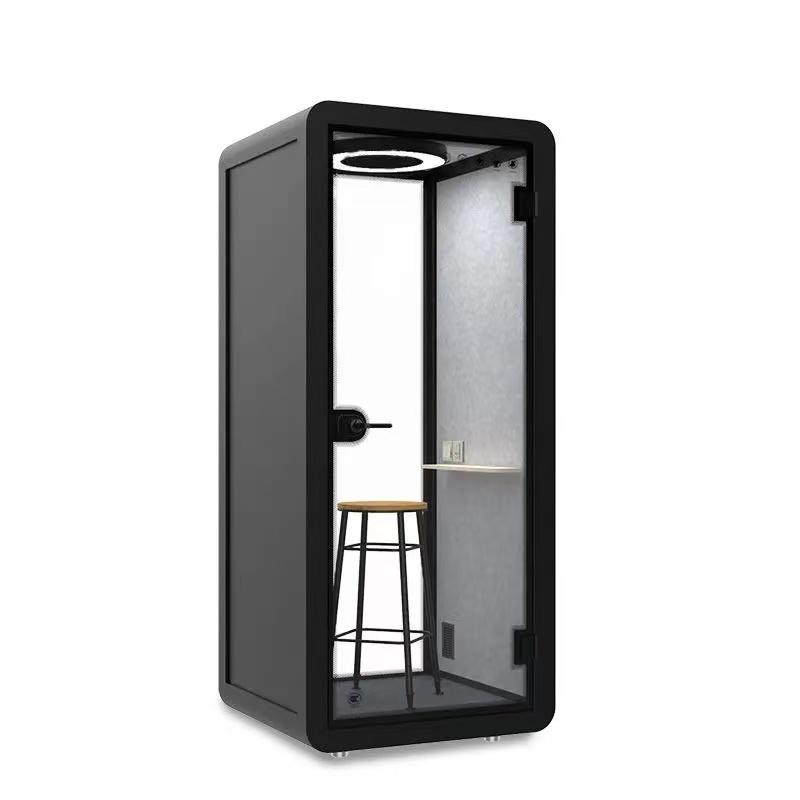
Identify supply and extract openings, fan housings, silencers where included, cable routes, power and data fittings, control penetrations, lighting interfaces, maintenance panels, and external connections.
Use a source-path-listener check to challenge the assumption. Follow each opening through the assembled construction and compare normal airflow and powered operation with listening observations at nearby positions. Preserve context and contrary observations because necessary air or service routes bypassing the enclosure strategy would change the approval route.
Close this point by deciding how to accept openings and services as part of the acoustic system. The openings evidence note should identify the observed condition, limitation, accountable owner, correction or confirmation due, and effect on the installed acoustic explanation.
Review internal finish, reflections, reverberant character, speaker comfort, microphone pickup, device audio, fan sound, and the surrounding background that may mask or expose residual speech.
Use a source-path-listener check to challenge the assumption. Run normal speech and calls with the fan and devices operating, collecting observations from the user and external listeners without claiming that internal absorption alone provides isolation. Preserve context and contrary observations because a pleasant internal sound being confused with transmission control would change the approval route.
Close this point by deciding how to record internal call quality and external privacy as separate results. The internal sound evidence note should identify the observed condition, limitation, accountable owner, correction or confirmation due, and effect on the installed acoustic explanation.
| Sound path | Inspection or listening method | Evidence outcome |
|---|---|---|
| 1. Start with the source path and listener | Draw the actual source-path-listener route and repeat the relevant sound while observers occupy the positions used for the buyer decision. | Approve a bounded acoustic question |
| 2. Review panels glazing and structural enclosure paths | Use model-specific drawings or product information and inspect the assembled booth for discontinuities, substitutions, damage, or interfaces not represented in available evidence. | Record the complete enclosure construction and evidence scope |
| 3. Treat the door seals and joints as operating components | Observe repeated entry and closure, then conduct listening checks with the door in the normal accepted condition and with any suspected joint examined. | Set door operation and inspection as acceptance conditions |
| 4. Trace ventilation service and penetration paths | Follow each opening through the assembled construction and compare normal airflow and powered operation with listening observations at nearby positions. | Accept openings and services as part of the acoustic system |
| 5. Understand internal absorption and background sound separately | Run normal speech and calls with the fan and devices operating, collecting observations from the user and external listeners without claiming that internal absorption alone provides isolation. | Record internal call quality and external privacy as separate results |
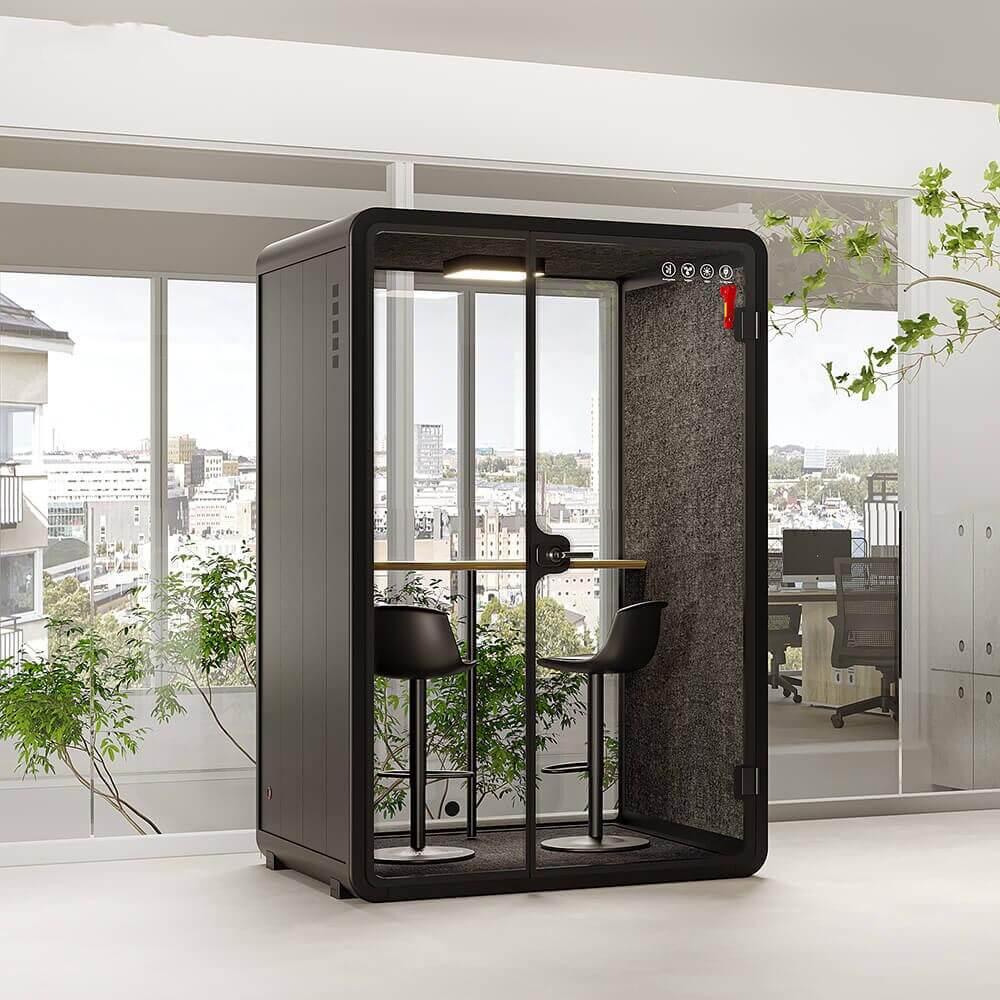
Consider floor level, perimeter fit, adjacent walls and ceilings, reflective surfaces, nearby desks, speaker orientation, listeners, return-air conditions, site penetrations, damage, and any change from the offered assembly.
Use a source-path-listener check to challenge the assumption. Inspect the final position and repeat source-path-listener checks during representative office activity rather than transferring a showroom impression. Preserve context and contrary observations because site conditions creating a route absent from product evidence would change the approval route.
Close this point by deciding how to release the installed acoustic configuration. The installation evidence note should identify the observed condition, limitation, accountable owner, correction or confirmation due, and effect on the installed acoustic explanation.
Consult the booth soundproof configuration page for the offered enclosure and component arrangement. The source-path-listener review and the installed field check remain the evidence boundary for the buyer's sound-control decision.
State source, content, speaker level, position, listener, distance, door, fan, equipment, occupancy, background activity, observation, limitation, correction, and whether the check concerns audibility or intelligibility.
Use a source-path-listener check to challenge the assumption. Repeat the check after adjustment and preserve the accepted condition so later maintenance or relocation can identify meaningful change. Preserve context and contrary observations because an informal demonstration becoming an unrepeatable universal claim would change the approval route.
Close this point by deciding how to sign off the specific source and listener condition. The field check evidence note should identify the observed condition, limitation, accountable owner, correction or confirmation due, and effect on the installed acoustic explanation.
Repeat the field check when a condition that carries sound changes. Door adjustment, seal wear, a different fan state, moved furniture, a new cable penetration, nearby reflective surfaces, or a changed listener position can alter the observed path without changing the product name. Record the changed condition and compare like with like so maintenance findings are not mistaken for a new acoustic claim.
Keep audibility, intelligibility, and internal listening quality as separate outcomes. A listener may notice that speech exists without understanding words, while the person inside may still experience reflections, fan sound, or poor microphone pickup. Reporting those observations separately gives facilities and users a practical response path and avoids reducing unlike sound questions to one pass-or-fail label.
Trace the mechanism through this check: Draw the actual source-path-listener route and repeat the relevant sound while observers occupy the positions used for the buyer decision. Include this sound-path condition: Identify speech, device audio, office noise, equipment, or external sources; direct and reflected routes; listener position; task; sensitivity; distance; surrounding activity; and whether audibility or intelligibility matters. Limit the explanation while a soundproof label replacing a defined acoustic problem remains possible.
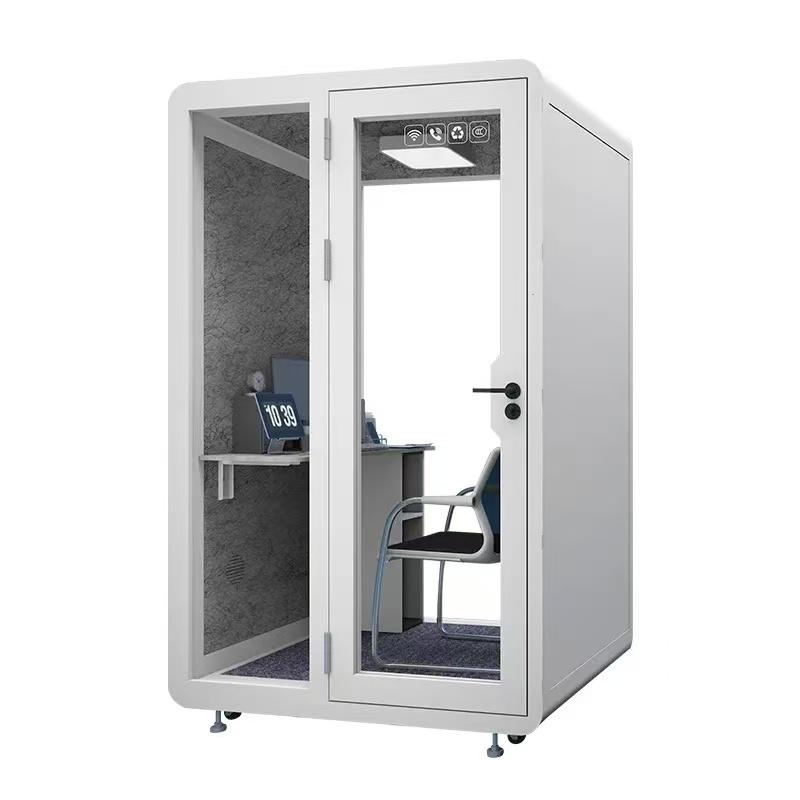
Trace the mechanism through this check: Use model-specific drawings or product information and inspect the assembled booth for discontinuities, substitutions, damage, or interfaces not represented in available evidence. Include this sound-path condition: Examine material layers, mass, cavities, panel connections, glazing, frames, corner details, ceiling and floor assemblies, support interfaces, fit, and the relationship between components in the offered model. Limit the explanation while one strong panel being assumed to represent the full enclosure remains possible.
Additional review: how can ventilation remain open without ignoring sound paths.
Trace the mechanism through this check: Observe repeated entry and closure, then conduct listening checks with the door in the normal accepted condition and with any suspected joint examined. Include this sound-path condition: Check latch engagement, hinge alignment, perimeter seals, threshold, compression, closing behavior, wear, adjustment, user operation, maintenance access, and the gaps created when the door is not fully closed. Limit the explanation while small fit or operating changes weakening the intended boundary remains possible.
Trace the mechanism through this check: Follow each opening through the assembled construction and compare normal airflow and powered operation with listening observations at nearby positions. Include this sound-path condition: Identify supply and extract openings, fan housings, silencers where included, cable routes, power and data fittings, control penetrations, lighting interfaces, maintenance panels, and external connections. Limit the explanation while necessary air or service routes bypassing the enclosure strategy remains possible.
Trace the mechanism through this check: Run normal speech and calls with the fan and devices operating, collecting observations from the user and external listeners without claiming that internal absorption alone provides isolation. Include this sound-path condition: Review internal finish, reflections, reverberant character, speaker comfort, microphone pickup, device audio, fan sound, and the surrounding background that may mask or expose residual speech. Limit the explanation while a pleasant internal sound being confused with transmission control remains possible.
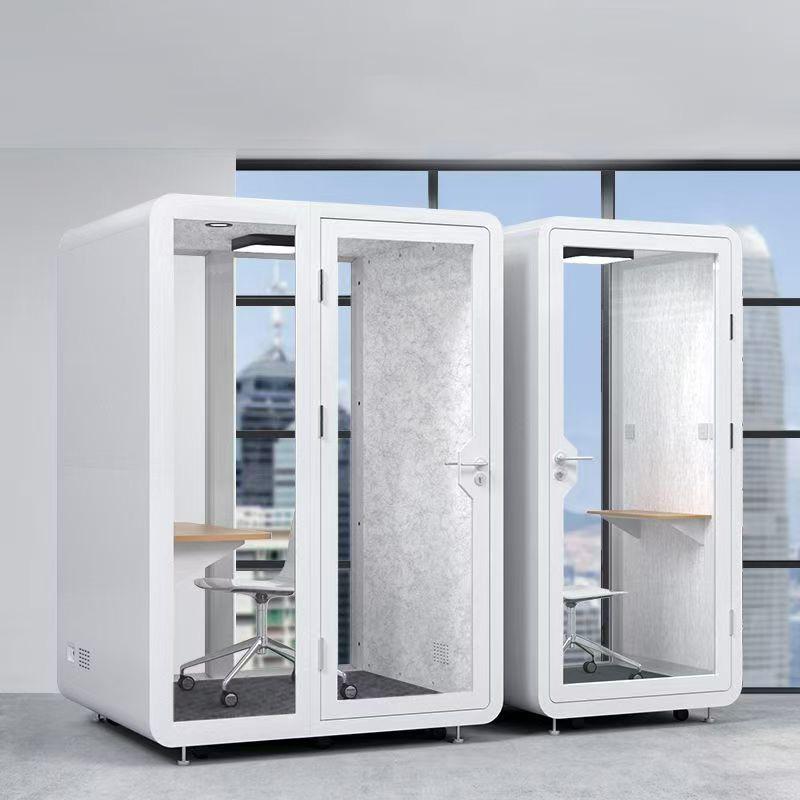
A booth works by controlling several linked sound paths, not by relying on one material or label. The useful evidence shows the source, enclosure interfaces, openings, internal condition, receiving space, listener position, and the difference between hearing sound and understanding speech. End with one reproducible source-path-listener check sheet for the offered booth and installed location, rather than a single unqualified soundproof label.
Judge the booth by its complete installed sound-control path. Keep model-specific documents beside practical listening observations, record limitations, and correct the weakest interface before extending a conclusion to another source, listener, configuration, or site.

 Tel: +8613538031763
 Email: info@sopworkpod.com
 MP/WhatsApp: +8613538031763
 Manufacturer Address:Liucheng Lujiang District,Meixi Road,Nanan City,Fujian,China