Need Help?
Please leave your contact information to get our latest catalog
Get In Touch Now >


Author:SOP Work Pods Manufacturer TIME:2026-08-28
A private office call begins before the booth door closes. The user may search for space, carry a visible document, speak while walking, wait beside colleagues, expose a screen through glazing, or continue the conversation after leaving.
A call booth office can support productivity and privacy when that whole journey is designed. Call eligibility, listener paths, the desk-to-booth transition, enclosure operation, occupied fit, placement, and reset all influence the result.
The useful output is a released call route for defined conversations and listener conditions. It states where privacy starts and ends, what the user must do, and which failure should send the call to another space.
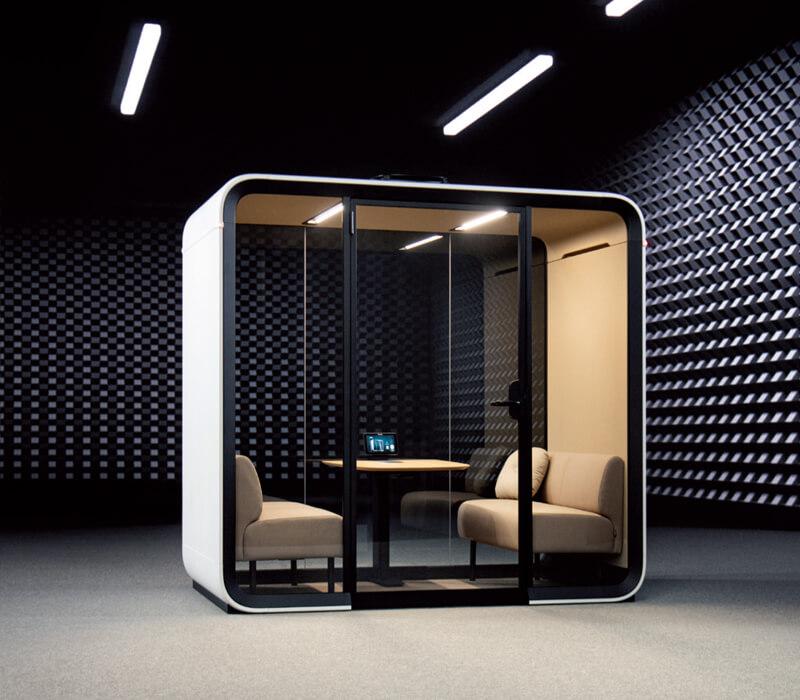
Urgency, sensitivity, duration, device use, and fallback determine whether a call belongs in the booth. A brief routine call and a long confidential discussion do not need the same route.
Classify calls by privacy urgency and duration.
Separate confidential client calls, internal discussions, interviews, routine updates, video calls, listening tasks, and urgent unscheduled calls by sensitivity, devices, frequency, and length. The call types record keeps call booth office for productivity and privacy tied to the article's specific buyer decision.
Observe where each call currently begins, which fallback users choose, what exposure occurs, and whether delay is acceptable. This makes one booth policy treating every call as the same task visible while there is still time to clarify scope or correct the plan.
Finish the call journey entry with a decision to approve the call classes assigned to the booth. Name its correction owner and next trial condition.
The privacy boundary extends to nearby desks, corridors, queues, glazing, screens, and conversations around entry or exit. Map the unintended listener and viewer before relying on the enclosure.
Identify unintended listeners and visual exposure routes.
Map nearby desks, corridors, queues, approaches, collaboration areas, doors, glazing, screens, reflective surfaces, ventilation paths, and positions where speech or content may be perceived. The listener path record keeps call booth office for productivity and privacy tied to the article's specific buyer decision.
Use normal call speech and representative screen content while reviewers listen and observe from mapped positions in the final setting. This makes the enclosure wall being treated as the entire privacy boundary visible while there is still time to clarify scope or correct the plan.
The call journey should state how to record the accepted listener and sightline limits. Place each open limitation beside the responsible owner and review trigger.
Productivity can be lost during the search, move, setup, authentication, and return to work. Rehearse that transition with a normal call so the booth does not simply relocate interruption.
Rehearse the move from desk interruption to private call.
Check booth availability, distance, occupancy indication, booking steps, device pickup, power, data, login, camera setup, materials, and the route back to the interrupted task. The task transition record keeps call booth office for productivity and privacy tied to the article's specific buyer decision.
Ask users to respond to a realistic call trigger without coaching and document delay, errors, repeated trips, and unresolved setup needs. This makes access friction causing calls to remain at open desks visible while there is still time to clarify scope or correct the plan.
Release this call journey step only when the team can simplify the call transition route. Its retained evidence shows unresolved conditions and next actions.
| Journey step | Exposure or friction to check | Owner response |
|---|---|---|
| Find and approach | Availability, waiting location, speech or document exposure | Booking label, walk-up rule, alternate space |
| Enter and set up | Door state, sightlines, device audio, authentication, cables | User guidance and supported configuration |
| Hold the call | Listener paths, screen view, posture, airflow, duration, interruption | Accepted call profile and escalation boundary |
| Exit and return | Conversation continuation, documents, reset, queue, desk transition | Close-call behavior and turnover owner |
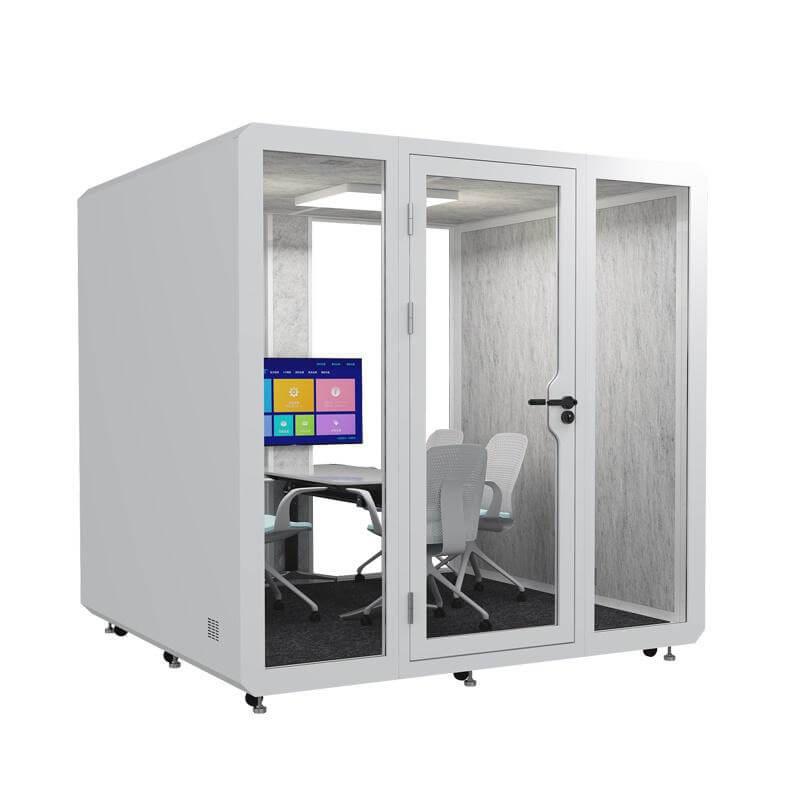
Door state, seals, ventilation, device audio, posture, lighting, airflow, controls, and duration interact. Test them together because a technically enclosed call can still fail the assigned user or surrounding office.
Test the installed enclosure with normal booth operation.
Review door closure, seals, panels, glazing, floor and ceiling interfaces, ventilation openings, fan sound, penetrations, furniture, speaker position, and surrounding noise. The installed boundary record keeps call booth office for productivity and privacy tied to the article's specific buyer decision.
Conduct inside and outside listening with the fan, devices, door, and intended location in their normal condition. This makes a controlled demonstration overstating field privacy visible while there is still time to clarify scope or correct the plan.
Turn the call journey finding into an instruction to define the installed speech boundary. Record the invalidating condition and person who must respond.
Fit the user device and call duration inside the booth.
Assess entry, posture, seat or standing support, work surface, laptop and phone position, camera framing, lighting, glare, airflow, controls, cable reach, movement, and exit. The occupied fit record keeps call booth office for productivity and privacy tied to the article's specific buyer decision.
Run the longest routine assigned call with representative users and devices, recording discomfort, door opening, control changes, and early termination. This makes a compact footprint preventing normal call behavior visible while there is still time to clarify scope or correct the plan.
Close the call journey route by agreeing how to release an occupied configuration and duration. Preserve its accepted boundary, correction, and reason for retest.
A good booth in a poor position creates exposure, waiting conflict, noise paths, access problems, or unclear behavior. Placement and surrounding rules are part of the call service.
Place the booth and define surrounding office behavior.
Review visibility, approaches, queues, nearby conversations, circulation, cleaning, return-air interaction, accessibility, maintenance access, overrun handling, and expectations for short use. The floor behavior record keeps call booth office for productivity and privacy tied to the article's specific buyer decision.
Observe candidate positions during busy periods and rehearse consecutive unbooked or booked calls according to the proposed rule. This makes the booth shifting distraction or conflict into the surrounding floor visible while there is still time to clarify scope or correct the plan.
This call journey output explains how to approve placement and etiquette as one control. It identifies the owner, remaining uncertainty, and change that reopens review.
With the private-call route mapped, the office phone booth configurations can be checked for the required device, posture, controls, duration, and placement boundary.
Test the handoff, not just the conversation
Ask the user to receive a realistic call request, decide where it belongs, reach the booth, prepare the device, complete the conversation, leave, and return to the interrupted task. Observe delays and exposure without arranging the route around the product demonstration.
Keep the ordinary fallback available during the rehearsal so a failed handoff has a visible consequence.
Discovery, entry, setup, conversation, support, exit, reset, and return to desk are handoffs. Commission the complete route and assign an owner to any condition that can break it.
Commission the complete private call route.
Run the complete route with intended users while facilities and workplace reviewers retain conditions, limitations, corrections, and ownership. This makes component checks being mistaken for a usable private-call service visible while there is still time to clarify scope or correct the plan.
End the call journey step with an explicit route to sign off the call route and operating owner. Attach context, limitation, and operating ownership.
Calls involving sensitive personal, commercial, employment, legal, health, or client information may need the private route, but the information owner and workplace policy determine the actual boundary. Urgency alone does not make every call suitable for the booth.
Classify the conversation, participants, device, documents, duration, listener and sightline exposure, and fallback. Send calls requiring group attendance, stronger organizational controls, more space, or another authorized setting to the appropriate room.
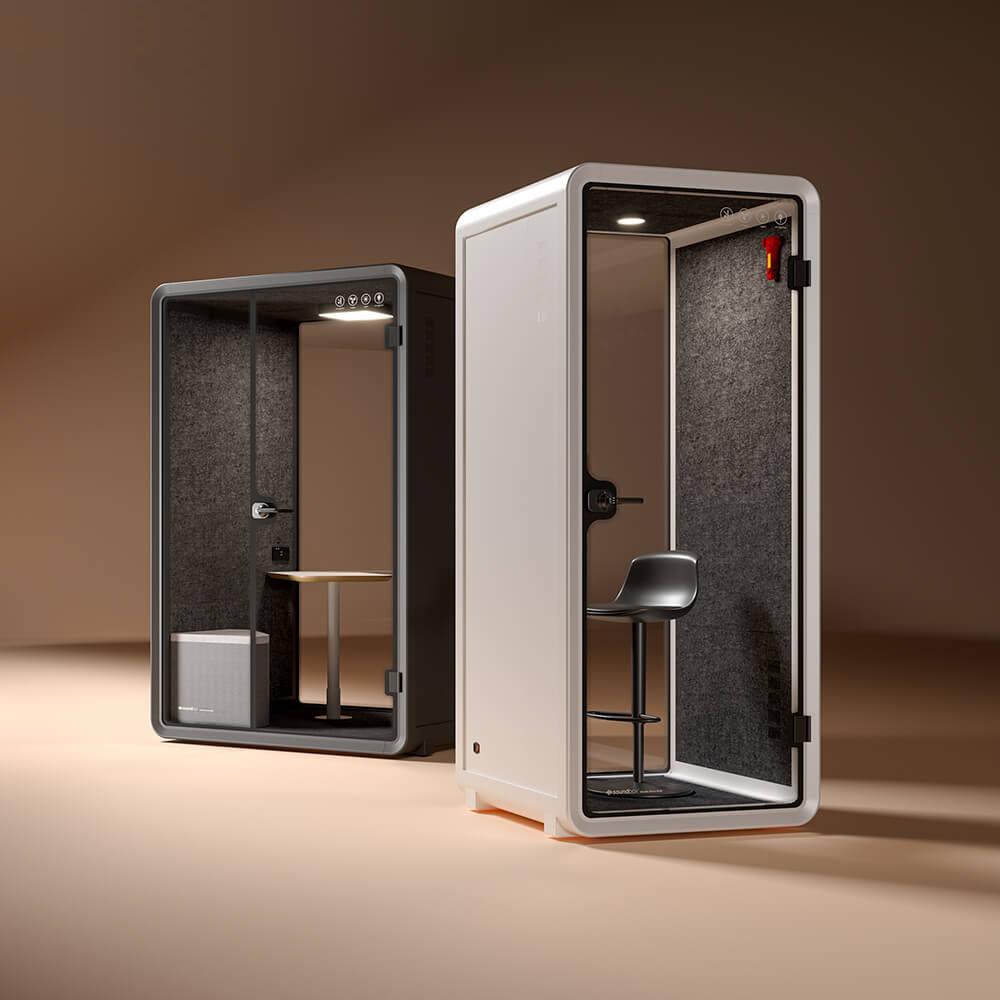
Speech or information may be perceived at nearby desks, in corridors or queues, through glazing, around door opening, from device loudspeakers, or during the approach and exit. Screen orientation and visible documents can matter even when speech is reduced.
Walk the route with harmless representative content and normal booth operation. Mark where a person could listen or view, then correct placement, behavior, equipment, or the assigned call type. Preserve the remaining limit instead of claiming absolute privacy.
Check the delivered door, seals, joints, ventilation route, fan state, glazing, floor and ceiling interfaces, penetrations, nearby surfaces, speaker and listener positions, surrounding activity, and device audio. The relevant boundary is the installed source-path-listener condition.
Use a representative call and distinguish audibility from intelligibility where that distinction matters to the buyer. Record observations and limits without inventing a sound rating or extending evidence from another configuration or location.
Assigned duration should reflect posture, desk and knee space, device placement, lighting, glare, airflow perception, temperature perception, fan sound, movement, personal items, breaks, and the behavior users adopt as the call continues.
A short setup check cannot establish a long-call limit. Ask representative users to complete the longest eligible call, note discomfort or early exit, and set a bounded duration or alternative-space rule from that occupied evidence.
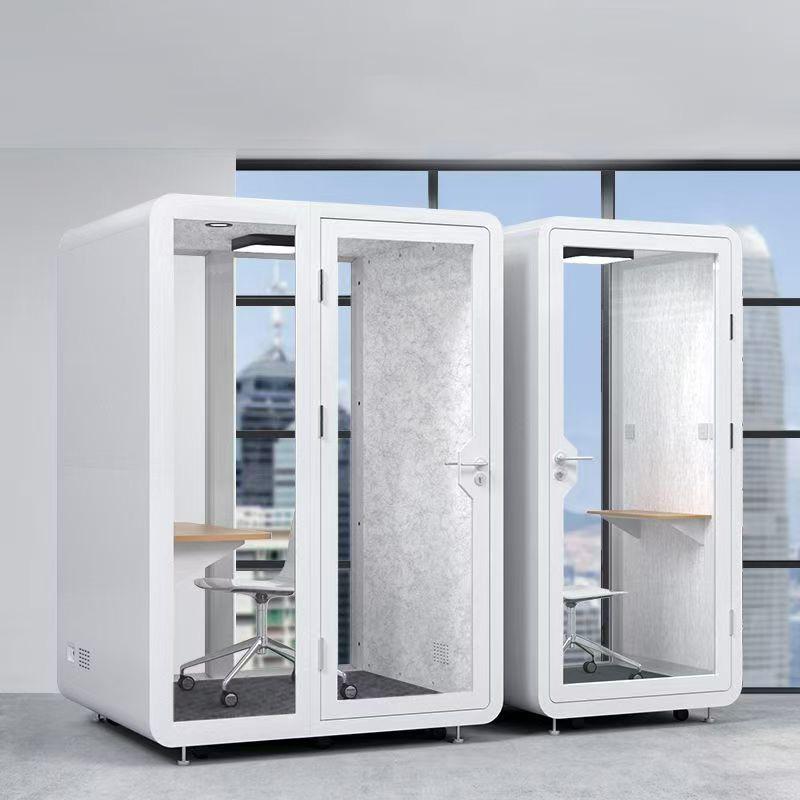
A call booth office enhances productivity and privacy when it supports the complete private-call journey. The closed door is one control among call classification, listener and sightline mapping, transition time, device setup, occupied comfort, placement, user behavior, and reset.
Release the booth for defined call types and listener conditions. State exclusions plainly, especially for conversations, durations, devices, or exposure routes that require a different space or additional organizational controls.
The next action is to walk one representative call from desk to booth and back. Record every handoff, correct the weak point, and repeat the journey until an ordinary user can complete it without undocumented workarounds.

 Tel: +8613538031763
 Email: info@sopworkpod.com
 MP/WhatsApp: +8613538031763
 Manufacturer Address:Liucheng Lujiang District,Meixi Road,Nanan City,Fujian,China