Need Help?
Please leave your contact information to get our latest catalog
Get In Touch Now >


Author:SOP Work Pods Manufacturer TIME:2026-08-28
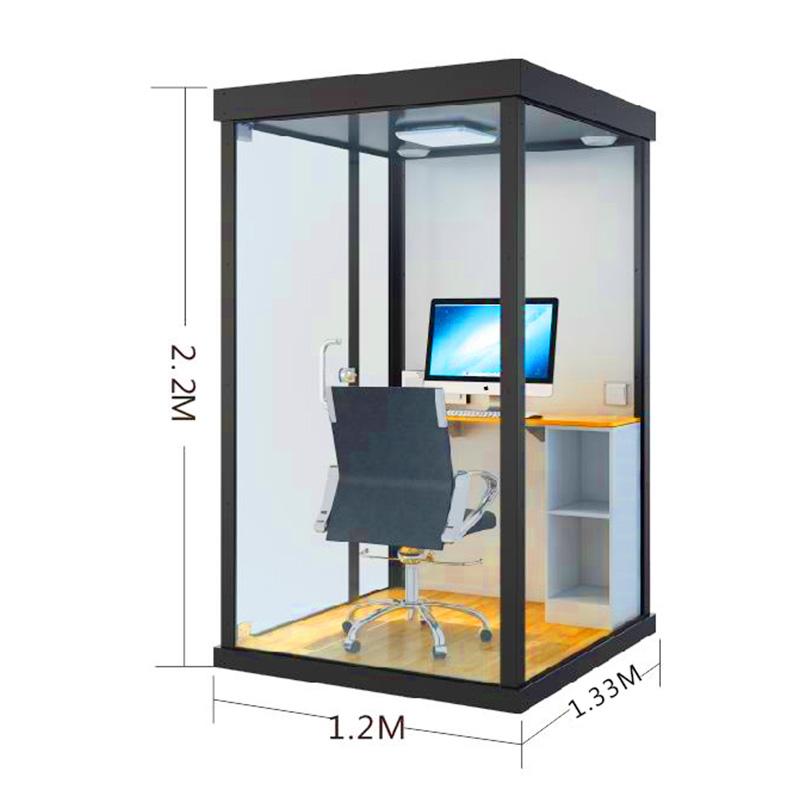
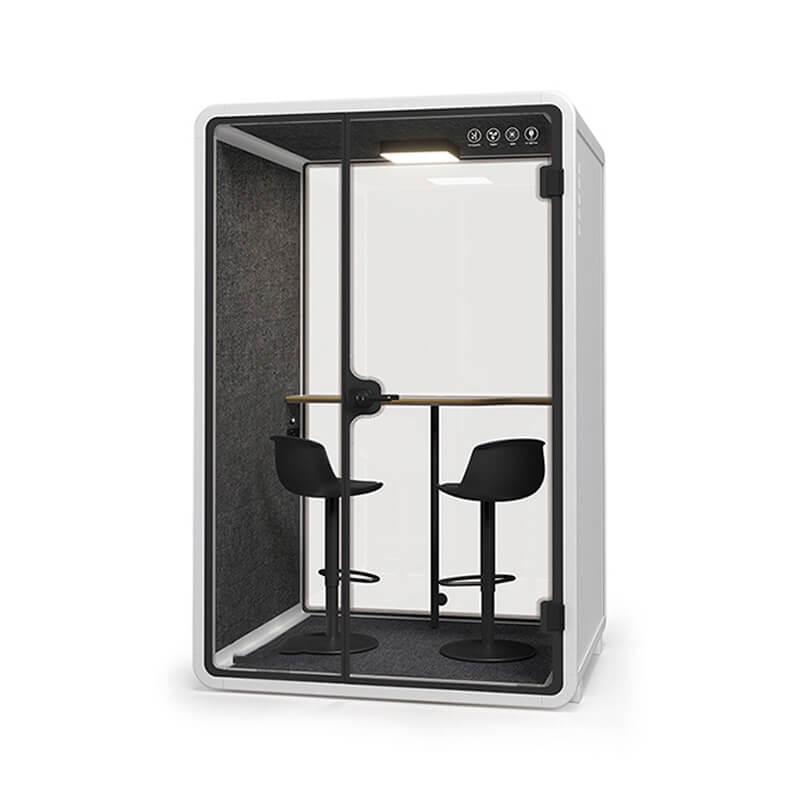
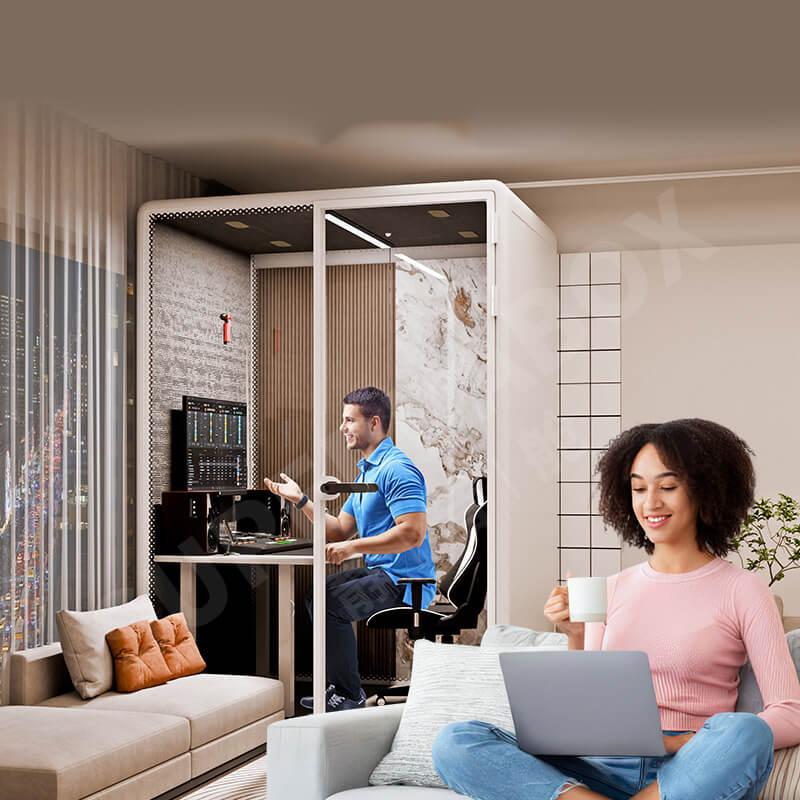
A private video call can begin comfortably in a phone booth and become awkward the moment a colleague arrives with a document to review. The camera no longer frames the participants, knees and screens compete for space, speech becomes louder, and one person blocks the exit. At the other extreme, sending every solo call into a meeting pod wastes scarce group capacity. The smart solution is not one product name; it is a clear handoff between conversation roles.
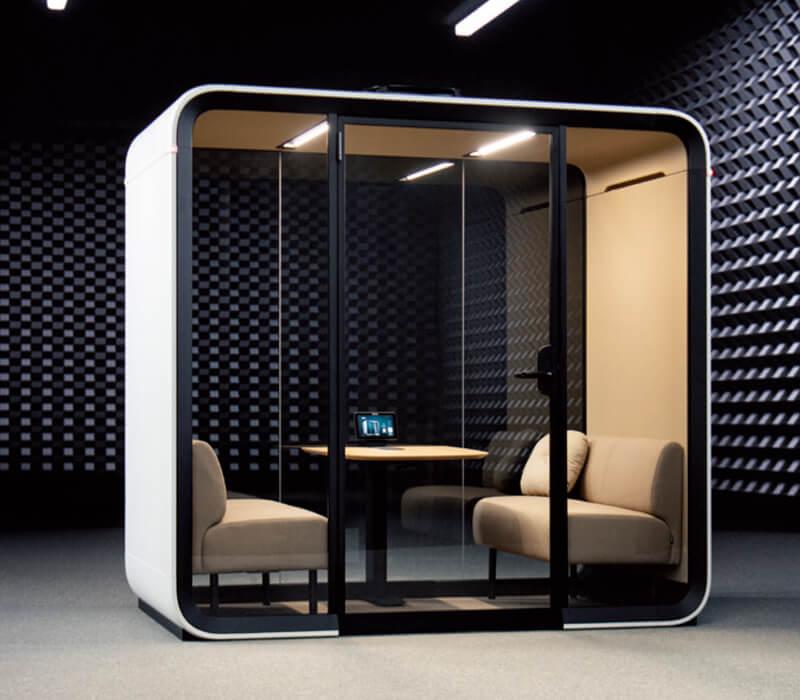
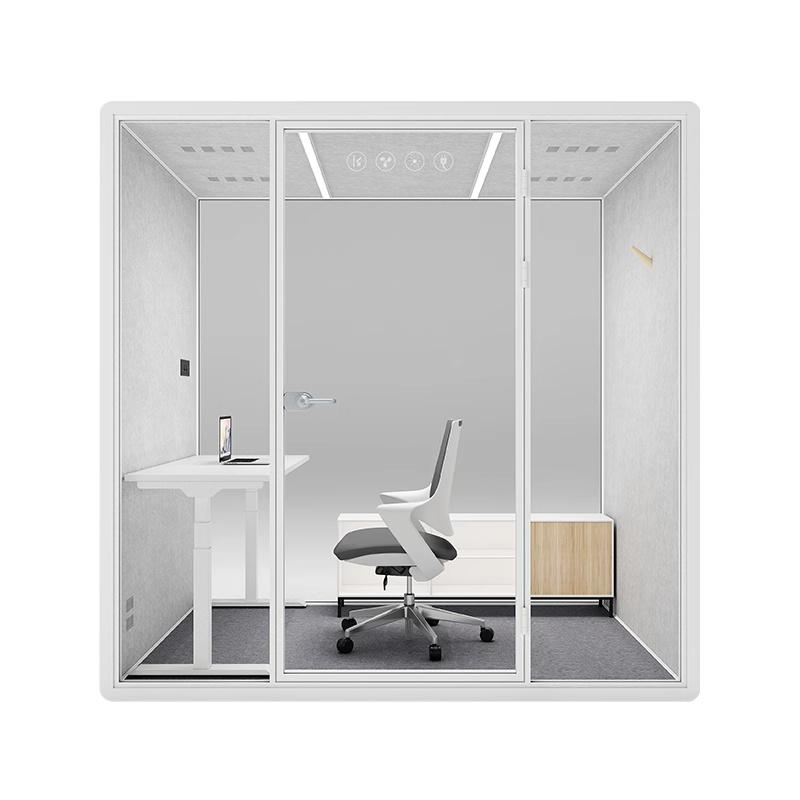
Phone booth meeting pods should be selected by the point at which a task changes. A solo call may become a consultation when a second person needs to see content. A consultation becomes a meeting when several speakers need natural sightlines, shared equipment, movement, or a longer occupied cycle. Privacy, camera and audio behavior, comfort, location, booking, and turnover change across those thresholds.
This article produces a role matrix and an operating handover. It compares the minimum space each conversation needs, tests the same task in candidate configurations, and identifies both undersizing and overprovision. The result tells users which unit to choose, tells procurement what to compare, and prevents a generic capacity label from becoming the office's only selection method.
Classify recurring events by what participants must do, not by the calendar title. A private call may involve one speaker, one screen, and brief notes. A consultation may add a second person, confidential documents, side-by-side viewing, or a remote participant. A meeting may require several speakers, shared content, face-to-face sightlines, entry and exit during the session, or room for material and movement. Focus work is a separate role and should not be bundled with speech simply because one person is present.
For each role, record occupancy, participant orientation, duration, privacy need, devices, documents, movement, urgency, and acceptable fallback. Set the handoff condition: a second person, a larger screen, confidential papers, a long agenda, repeated turn-taking, accessibility, or another variable may move the task to a larger configuration. Also identify overfit. A large meeting pod may be the wrong choice for a short solo call when it blocks group work elsewhere.
Use real examples from the office and keep ambiguous events visible. A two-person interview and a two-person laptop review may have different sightline, privacy, and furniture needs. The role map should be short enough to guide daily choice but detailed enough that facilities and procurement can trace why the capacity decision changed.
Record the event that changes the role in plain language. Examples include a second participant arriving, confidential papers appearing, shared content needing a larger display, another remote speaker joining, or the agenda moving from report to co-creation. These triggers help users switch early, before the smaller space creates disruption or forces the meeting to restart elsewhere.
| Conversation role | Minimum evidence for fit | Handoff or overfit signal |
|---|---|---|
| Solo private call | One-person posture, device chain, listener boundary, normal duration, quick entry and reset | Move up when another participant, shared material, or interaction changes; avoid consuming group space without need |
| Two-person consultation | Natural sightlines, document and screen geometry, privacy, entry order, remote participant path | Move up when movement, equipment, duration, or participant orientation becomes constrained |
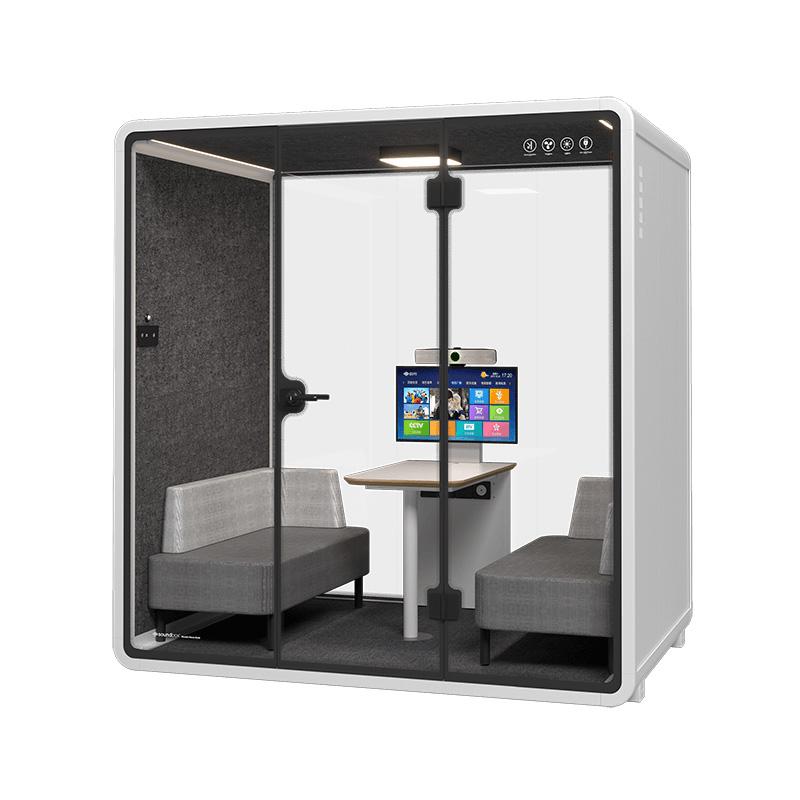
| Small meeting | Full occupied movement, several speakers, shared content, camera and audio, comfort and turnover | Move to a conventional room when the agenda or group exceeds the accepted layout |
| Solo focus work | Desk task, duration, controls, comfort, availability and fallback | Do not displace urgent call or meeting demand unless the operating policy intentionally assigns this role |
Set up the offered configurations with intended furniture, devices, documents, and belongings. Ask representative participants to approach, enter, sit or stand, arrange equipment, turn toward each speaker, point to content, take notes, change posture, and leave. Observe door and threshold, seat travel, knees, elbows, personal space, reach, screen distance, entry order, and whether anyone must hold an unnatural position to keep the conversation working.
Usable occupancy ends where natural task behavior breaks down, not where bodies can still fit. Note interruptions caused by movement, one person blocking controls or the exit, material placed on laps, or participants leaning into camera or microphone range. Include different user stature and relevant mobility needs. An interior that supports two people in a photo may still fail the consultation route during normal work.
Run the same agenda in the smaller and larger candidate when the boundary is uncertain. Keep duration and equipment matched. The comparison then reveals whether extra space improves interaction or simply adds unused footprint. It may also show that furniture or device placement, rather than the enclosure size alone, determines the accepted role.
Include the transition into and out of the agenda. Participants may arrive at different times, exchange a document, take a private aside, or leave while another person continues. Observe whether the door, seats, table, and devices support those changes without interrupting everyone. A configuration that works only after all participants are carefully positioned may fail the ordinary meeting role it is supposed to serve.
Keep one disqualifying sign for each candidate. This could be blocked exit, constrained turning, missing screen visibility, unnatural voice level, unacceptable listener concern, or a duration limit below the normal agenda. A clear rejection condition prevents a visually appealing near-fit from surviving procurement through vague language about occasional use.
When the task crosses from solo speech into shared interaction, review meeting pod configurations for configuration context and then repeat the matched occupied trial.
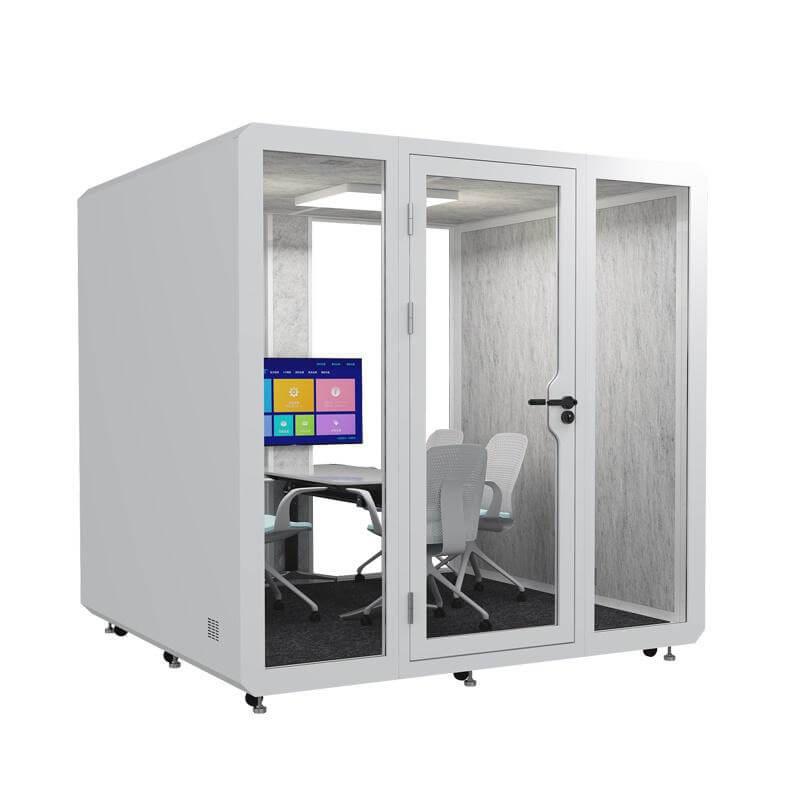
Map speakers and likely listeners for every role. More participants can raise speech level, change orientation, increase turn-taking, expose documents, and place someone closer to glazing, doors, or openings. Use representative conversation with the accepted door and ventilation state, and observe at nearby desks, routes, and queues. State the listener boundary and limitation; do not carry a solo-call impression into a group meeting claim.
Commission the device chain separately for solo and shared use. Check laptop and phone placement, camera framing, microphone pickup, loudspeaker clarity, echo behavior, content sharing, lighting, glare, data, cable routes, controls, platform sign-in, and recovery from one common fault. Ask remote participants whether they can see, hear, interrupt, and follow shared content when several people take part.
Privacy and technology can point in different directions. A layout may improve face-to-face interaction while making screens more visible, or frame everyone while requiring speech that concerns nearby listeners. Record the trade rather than declaring one role universally supported. The accepted configuration is the one whose interaction, listener boundary, and remote path all survive the same trial.
Ask remote participants to compare the role changes. They may lose facial detail, identify the wrong active speaker, miss a document, or struggle to enter the conversation when onsite occupancy increases. Keep these observations separate from local comfort. A meeting route is incomplete when the people outside the enclosure cannot participate naturally, even if the interior feels spacious.
Match each accepted role to zone demand, walking distance, discovery, booking label, walk-up access, session length, overrun, queue, no-show policy, setup, reset, cleaning, fault response, and alternative space. Rehearse consecutive uses from different roles. A booth labeled only by capacity may attract unsuitable meetings; a meeting pod without role protection may be consumed by solo calls while groups continue searching.
Normalize procurement scope against the role. Compare model, furniture, technology, privacy conditions, freight, delivery route, assembly, site work, power and data, commissioning, training, booking setup, acceptance, maintenance, parts, warranty, support, relocation, exclusions, and buyer responsibilities. Run finalists with the same agenda, users, devices, duration, location assumptions, and observation sheet. A lower total or broader versatility claim is not comparable when the accepted roles differ.
At handover, publish a concise role label: eligible conversations, maximum demonstrated occupancy and duration, essential device setup, privacy limit, disqualifying signs, fallback, and fault route. Review it after relocation, furniture or technology changes, repeated misuse, comfort complaints, listener concern, or a shift in demand. A smart modern workspace is one where people can choose the right conversational enclosure without trial and error.
Compare the installed role mix with actual demand after familiarization. Too many solo booths can leave consultations waiting; too many meeting pods can be occupied by brief calls while their larger footprint removes other uses. Rebalance through policy, relocation, reassignment, or later procurement only after verifying the cause. Product variety is useful when it maps to conversation variety, not when every model is treated as interchangeable capacity.
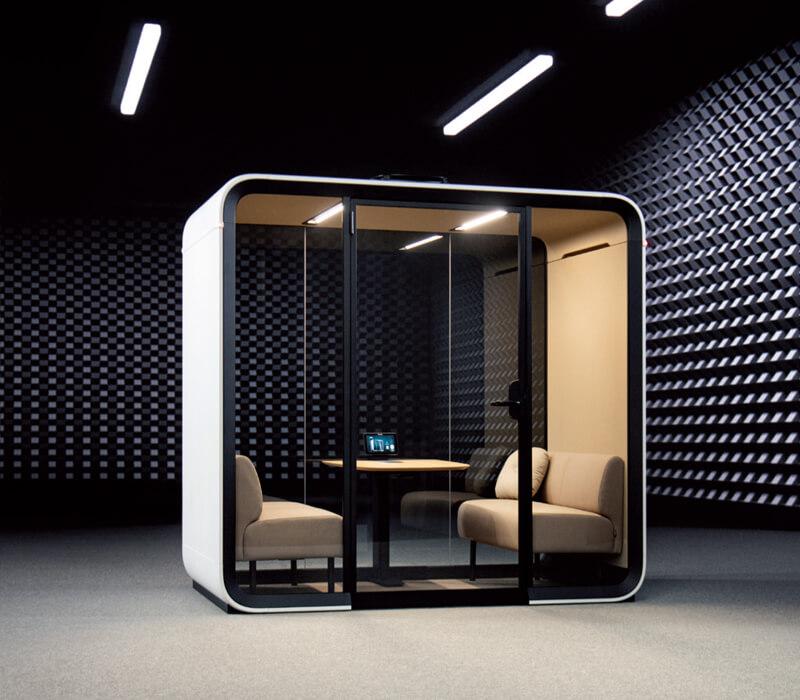
Choose a booth when the accepted task is genuinely solo, its devices and materials fit, privacy and comfort pass for normal duration, and using it does not require group interaction. Choose a meeting pod when another participant, shared content, movement, sightlines, equipment, or longer occupancy crosses the tested booth boundary. Verify the exact configuration rather than relying on the name.
No. Test entry order, seat travel, knee and elbow space, personal distance, screen and document placement, camera framing, microphone pickup, movement, privacy, duration, and exit with the intended users. Capacity describes a nominal count. Consultation fit describes whether two people can complete the real task naturally and repeatably.
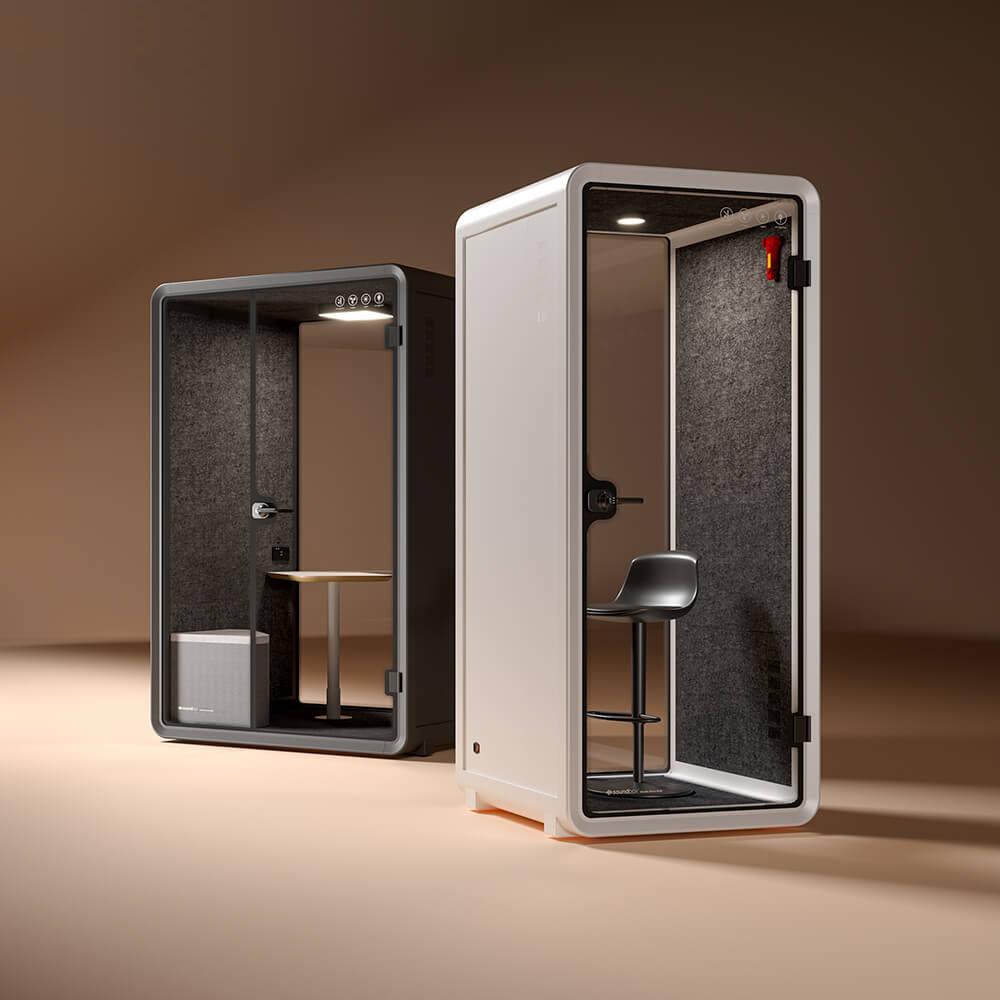
Use several representative speakers, normal orientation and turn-taking, actual devices, and likely listeners around the final position. Observe doors, glazing, openings, queues, screens, and surrounding activity. Group speech may be louder and less directional than a solo call, so preserve the tested role and listener locations instead of transferring a one-person result.
Investigate the reason before blaming behavior. The correct unit may be unavailable, too far away, poorly labeled, difficult to book, faulty, or uncomfortable. Correct access and operating causes, clarify the handoff label and fallback, then observe again. Persistent mismatch may indicate that the office bought the wrong role mix or placed capacity in the wrong zones.
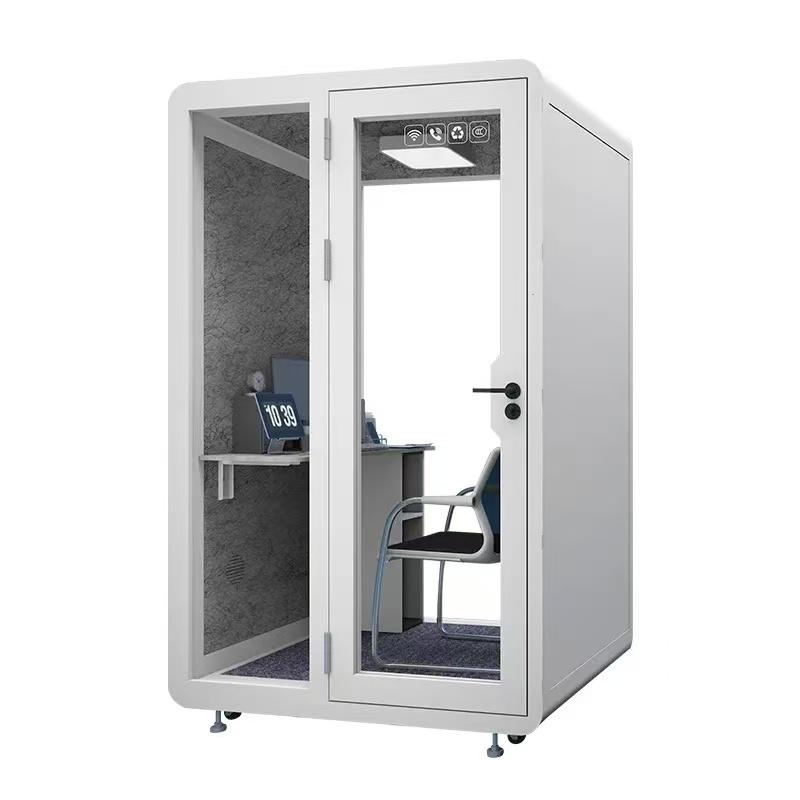
Phone booth meeting pods are a smart solution when each configuration has an explicit conversation role. Solo calls, consultations, small meetings, and focus work cross different thresholds of occupancy, movement, privacy, sightlines, devices, duration, location, and turnover. Product names and nominal headcount cannot replace that role evidence.
Run matched occupied trials, normalize procurement against the accepted role, and label every installed unit with its practical handoff and fallback. Put the label in the booking name and at the point of use, then give facilities a review trigger for repeated mismatch. Preserve the rejected role, occupied evidence, privacy limit, device setup, and quote boundary in the handover record. Users can then move a task at the moment it outgrows one route, while the company protects both private-call and group-meeting capacity.

 Tel: +8613538031763
 Email: info@sopworkpod.com
 MP/WhatsApp: +8613538031763
 Manufacturer Address:Liucheng Lujiang District,Meixi Road,Nanan City,Fujian,China