
Need Help?
Please leave your contact information to get our latest catalog
Get In Touch Now >


Author:SOP Work Pods Manufacturer TIME:2026-08-28
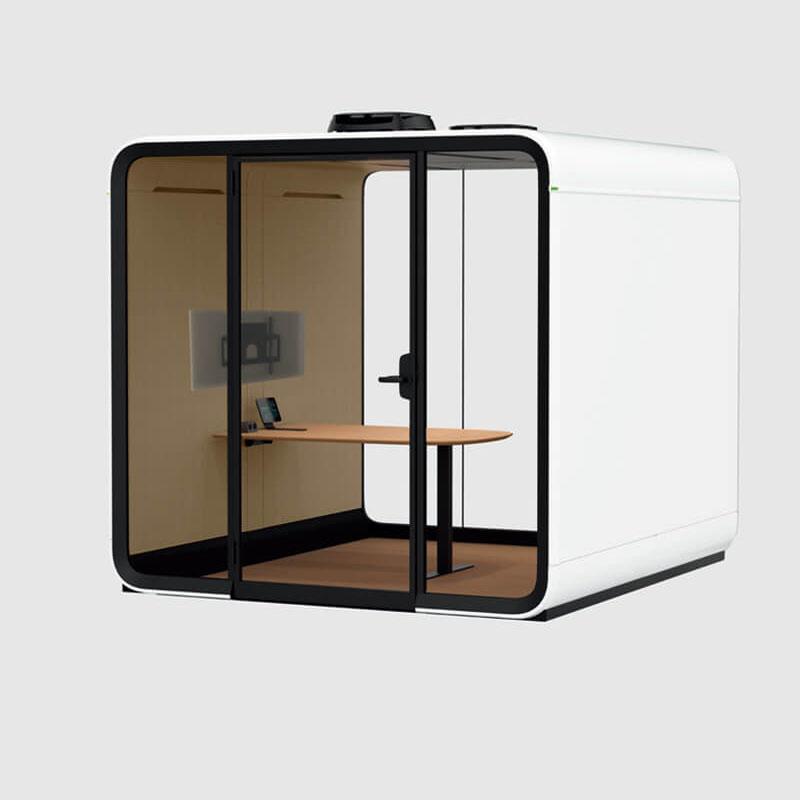
Portable meeting pods offer two separate propositions: a meeting service and a future relocation capability. Local demand can justify the first without proving the second, while a technically movable product has little value if meetings do not need it. The buyer should appraise both routes and their intersection.
The demand route segments sessions, concurrency, privacy, hybrid technology, occupied comfort, location, booking, and existing alternatives. The portability route defines move scenarios, component or complete-unit handling, building routes, service isolation, parts, labor, receiving sites, downtime, warranties, and recommissioning.
This article avoids invented market-demand figures or effortless mobility claims. A pilot and a model-specific move review provide bounded evidence for the offered configuration and likely workplace changes.
Separate interviews, consultations, hybrid reviews, client meetings, project sessions, team huddles, visitor use, overflow, and meetings needing larger rooms by occupancy, duration, privacy, devices, urgency, concurrency, zone, failed alternative, and fallback. Only recurring pod-eligible sessions belong in the demand case for portable meeting pods.
Use a dual-route appraisal before approval. Use local room evidence and bounded observation to show which applications repeat and where existing spaces fail. Preserve limitations and contrary observations because market interest replacing workplace meeting demand would change the route.
Approve application lanes with explicit exclusions. A shortage of large rooms does not justify moving unsuitable meetings into a compact pod, and portability adds no value unless the accepted sessions also recur at plausible future locations.
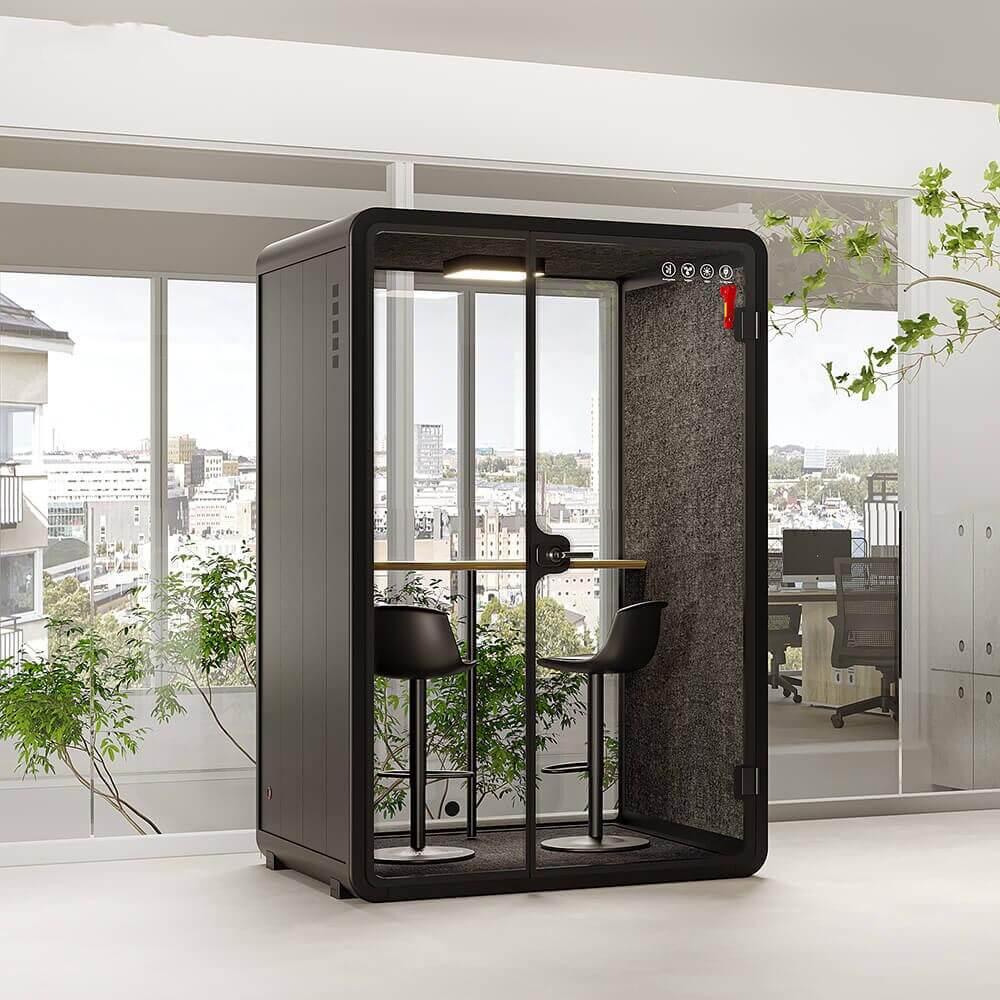
Require the supplier to state whether the offered model moves complete, by specialist handling, after partial disassembly, or only after full component separation. Record size, options, joints, tools, consumables, parts, labor, handling instructions, warranty effect, move frequency, and conditions that make relocation impractical.
Use a dual-route appraisal before approval. Obtain current model-specific supplier information and reject unsupported scenarios. Preserve limitations and contrary observations because portable language hiding a conditional or impractical method would change the route.
Release only the move scenarios supported by model-specific information. The word portable should be replaced in the commercial file by the actual isolation, protection, handling or disassembly method, responsible party, exclusions, and expected recommissioning work.
Measure the complete unit or largest moved component against doors, corridors, turns, lifts, stairs, loading points, storage, weather protection, working hours, floor protection, and assembly clearance. At each likely destination, repeat checks for circulation, accessibility, power, data, ventilation interaction, cleaning, and maintenance access.
Use a dual-route appraisal before approval. Walk origin and candidate destination routes and assign restrictions and enabling work. Preserve limitations and contrary observations because a demountable pod becoming trapped or unsuitable at the destination would change the route.
Approve a route and receiving site as a pair. A pod that can leave its present room may still be unusable at the destination, while a suitable destination is irrelevant if the approved handling method cannot reach it without unplanned work.
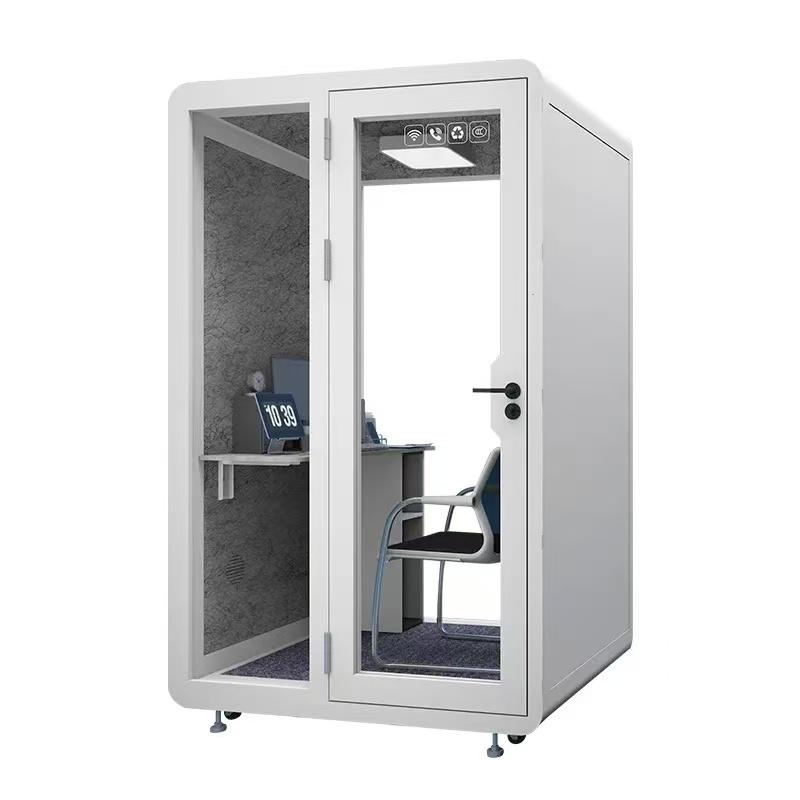
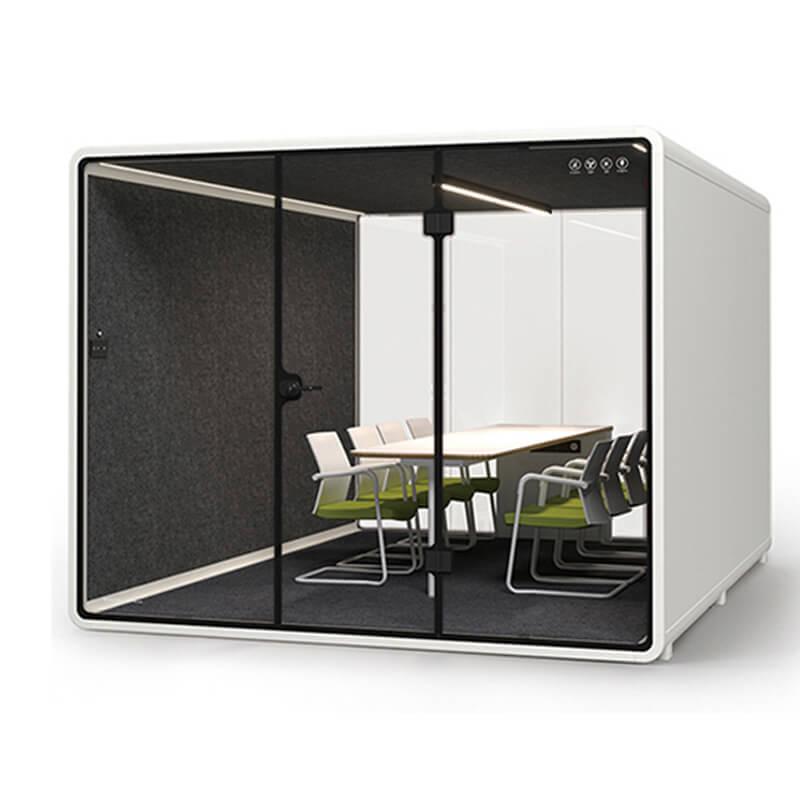
Hold the intended meeting at normal occupancy with the quoted table, seating, documents, camera, microphone, loudspeaker, content-sharing route, data, lighting, airflow, and controls. Observe speaker and listener positions, sightlines, door and fan state, personal space, longest duration, entry, exit, and reset.
Use a dual-route appraisal before approval. Run representative agendas with intended users and remote participants in the proposed location. Preserve limitations and contrary observations because mobility value distracting from poor present meeting performance would change the route.
Accept meeting configurations separately by agenda and device set. Keep remote-participant observations, privacy limits, comfort constraints, and turnover needs with the configuration so the demand argument cannot outrun what the occupied trial actually supported.
Define discovery, reservation or walk-up use, meeting labels, session length, overrun, queues, no-shows, reset, cleaning, filter and seal checks, ventilation, lighting, controls, power, furniture, technology support, faults, isolation, parts, service contacts, downtime communication, and alternative rooms.
Use a dual-route appraisal before approval. Rehearse consecutive meetings and a representative fault with operating teams. Preserve limitations and contrary observations because a mobile asset lacking a stable day-to-day meeting service would change the route.
Operating ownership is acceptable when consecutive use and a representative fault can be rehearsed without ambiguity. The responsible teams should know who removes the pod from service, who corrects the issue, how users are redirected, and what evidence returns it to availability.
| Relocation scenario | Qualification evidence | Recommissioning gate |
|---|---|---|
| 1. Segment meeting applications and local demand | Use local room evidence and bounded observation to show which applications repeat and where existing spaces fail. | Approve pod-eligible applications |
| 2. Define portability for the exact offered pod | Obtain current model-specific supplier information and reject unsupported scenarios. | Release qualified move scenarios |
| 3. Survey current routes and plausible receiving sites | Walk origin and candidate destination routes and assign restrictions and enabling work. | Approve route and receiving-site conditions |
| 4. Witness interaction privacy technology and comfort | Run representative agendas with intended users and remote participants in the proposed location. | Release accepted meeting configurations |
| 5. Operate booking turnover faults and maintenance | Rehearse consecutive meetings and a representative fault with operating teams. | Accept operating ownership |
Price the product and options together with freight, delivery, route work, assembly, installation, services, acceptance, training, cleaning, maintenance, parts, warranty, move labor, protection, storage, damage responsibility, destination work, downtime, recommissioning, exclusions, and the proposed pilot. Keep initial deployment and later relocation costs distinct.
Use a dual-route appraisal before approval. Run a meeting pilot and a documented move-feasibility review against the same offered configuration. Preserve limitations and contrary observations because low unit price or theoretical portability hiding future scope would change the route.
The pilot must prove two propositions: repeated eligible meeting demand and a credible model-specific move route. A complete appraisal can accept one and reject the other, which is more informative than treating relocatability as an automatic advantage.
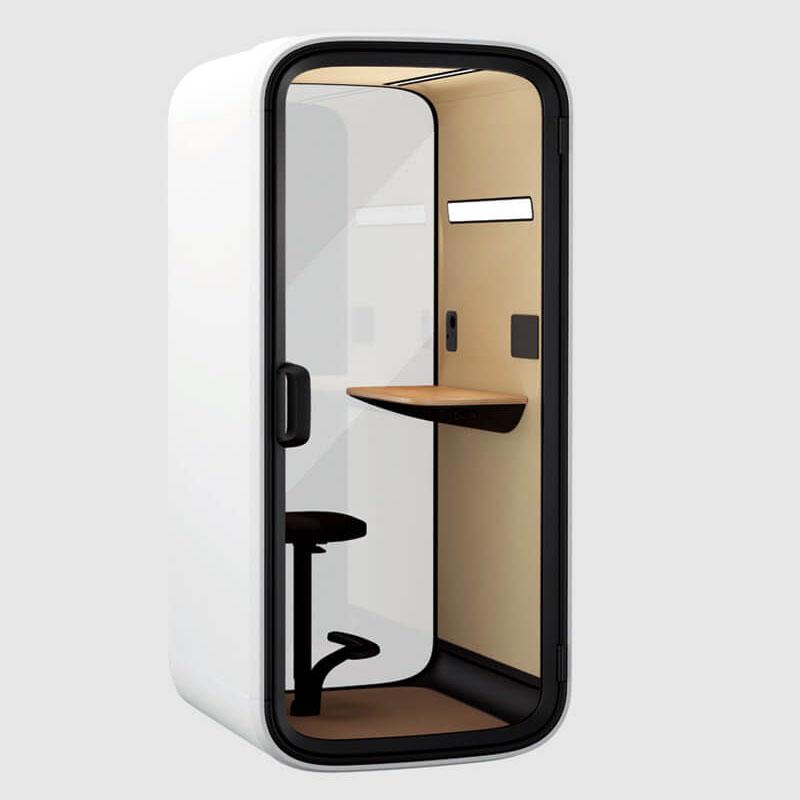
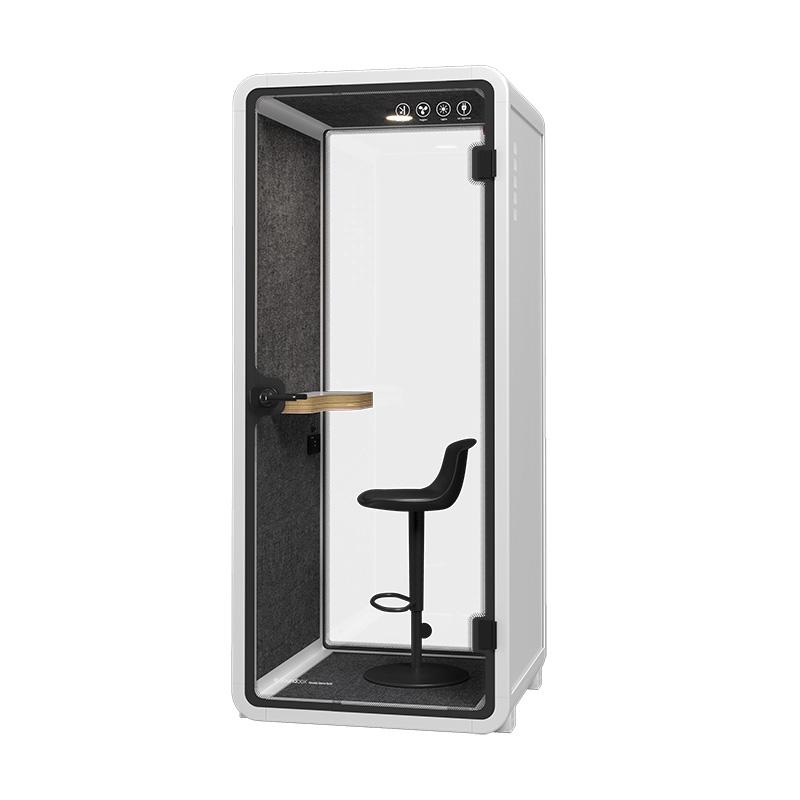
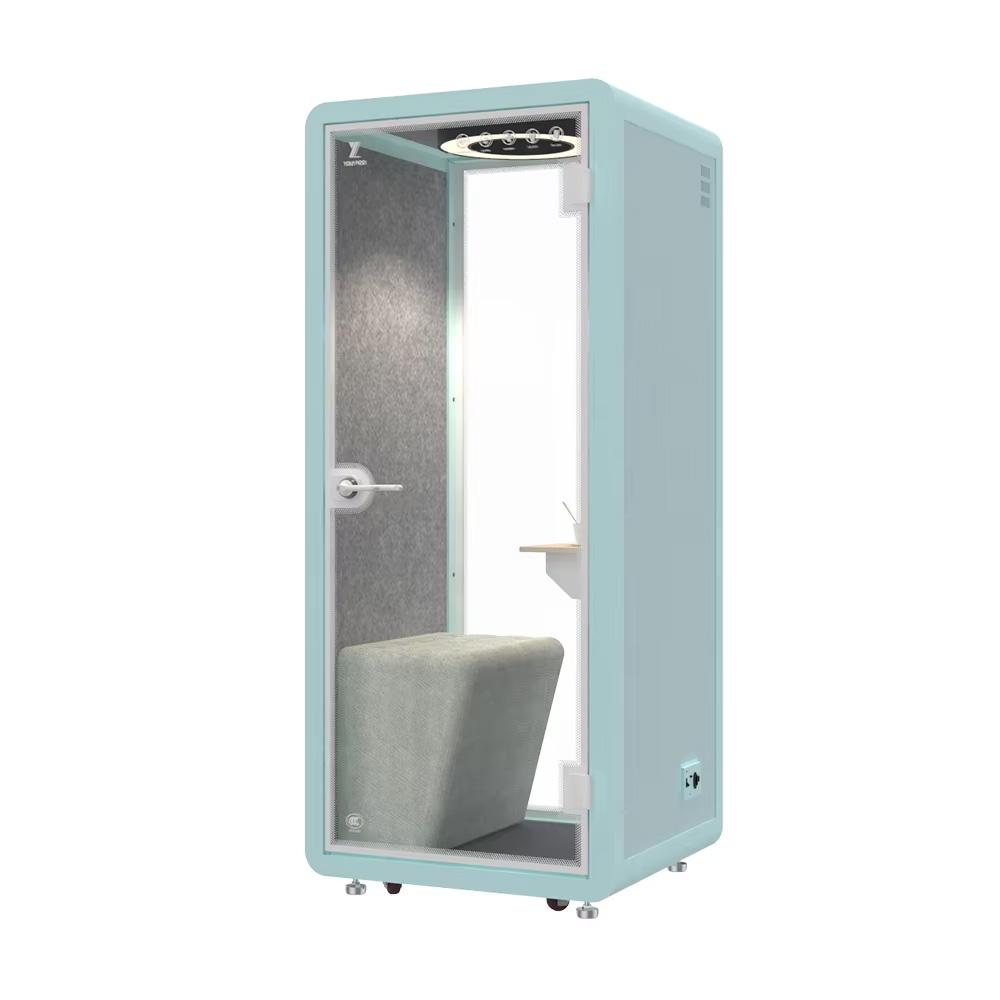
Use the portable meeting pods configuration page to identify the proposed model before the dual appraisal is signed. Demand evidence, the stated relocation method, receiving-site checks, and recommissioning remain separate buyer decisions.
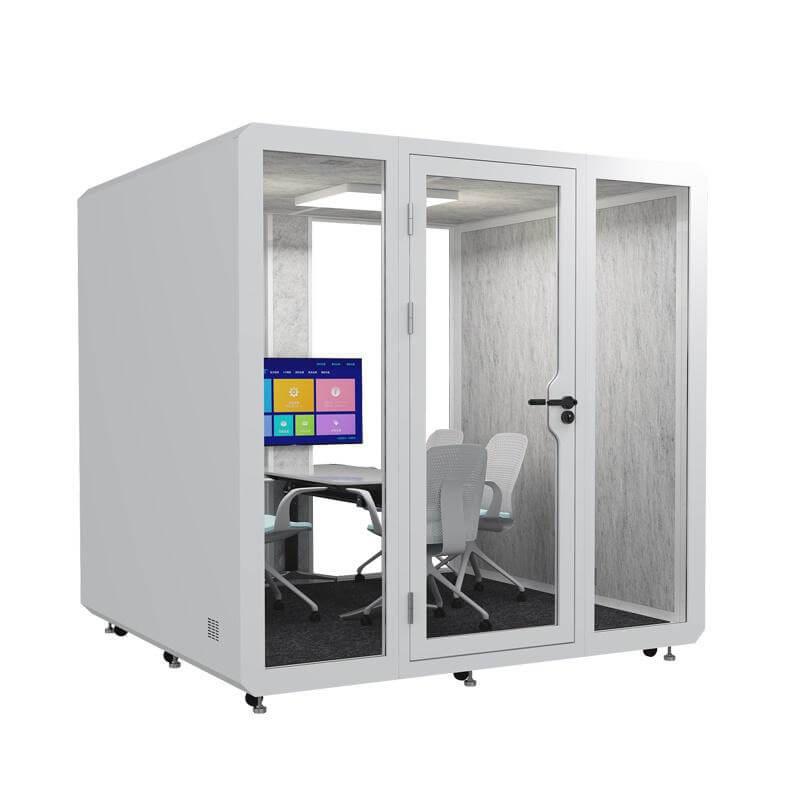
Before relocation, record model identity, configuration, condition, accepted meetings, defects, documents, and user guidance. Track isolation, labels, protection, parts, handling or disassembly, route, destination, reassembly, door and seals, ventilation, lighting, controls, power, data, technology, furniture, cleaning, and booking setup.
Use a dual-route appraisal before approval. Run the accepted meeting after relocation and compare with the original condition and limitations. Preserve limitations and contrary observations because physical arrival being treated as continued meeting readiness would change the route.
Return the pod to service only after the destination repeats the affected privacy, technology, comfort, operation, and safety observations. The revised acceptance record should close damage and missing-part actions and clearly replace the earlier site's assumptions.
Additional review: which meeting applications create local demand for portable pods.
Answer from the portable-meeting evidence route: Use local room evidence and bounded observation to show which applications repeat and where existing spaces fail. Include this condition: Separate interviews, consultations, hybrid reviews, client meetings, project sessions, team huddles, visitor use, overflow, and meetings needing larger rooms by occupancy, duration, privacy, devices, urgency, concurrency, zone, failed alternative, and fallback. Keep release open while market interest replacing workplace meeting demand remains possible.
Compare at least two future move scenarios before assigning value to relocation. A same-floor move may involve isolation, protection, short handling, reconnection, and a limited receiving-site check; a move between buildings may add freight, storage, weather exposure, specialist labor, permits, missing-part risk, destination work, and longer downtime. The buyer should price and qualify the scenario it may actually use rather than averaging unlike moves into one portability claim.
Create an identity and parts control before the first move. Photograph the accepted condition, label panels and removable items, list tools and consumables, retain assembly information, and define how damaged, missing, or substituted parts are handled. This record protects the configuration that passed the occupied meeting trial and gives recommissioning a known baseline after handling or disassembly.
Demand and relocation should remain two separate columns in the final decision matrix. High meeting demand with an unproven move route may justify a fixed deployment; credible relocation with weak local demand may justify no purchase. Portable meeting pods provide an advantage only where the accepted meeting role and the supported move scenario both matter to the buyer's workplace plan. Name the review date for each column because meeting demand and receiving-site availability can change on different schedules.
Answer from the portable-meeting evidence route: Obtain current model-specific supplier information and reject unsupported scenarios. Include this condition: State whether the pod moves complete, by specialist handling, through partial or full disassembly, or only after particular services and components are removed; record model, size, options, joints, handling information, tools, consumables, parts, labor, warranty effect, move frequency, and exclusions. Keep release open while portable language hiding a conditional or impractical method remains possible.
Answer from the portable-meeting evidence route: Walk origin and candidate destination routes and assign restrictions and enabling work. Include this condition: Measure complete unit or largest component, doors, corridors, turns, lifts, stairs, loading, floor protection, working hours, storage, weather protection, assembly clearance, destination floor, circulation, accessibility review, power, data, ventilation interaction, cleaning, and maintenance access. Keep release open while a demountable pod becoming trapped or unsuitable at the destination remains possible.
Answer from the portable-meeting evidence route: Run representative agendas with intended users and remote participants in the proposed location. Include this condition: Check occupancy, table and seating, personal space, documents, speaker and listener positions, sightlines, door and fan state, camera, microphone, loudspeaker, echo, content sharing, data, lighting, airflow, controls, longest duration, entry, exit, and turnover. Keep release open while mobility value distracting from poor present meeting performance remains possible.
Answer from the portable-meeting evidence route: Rehearse consecutive meetings and a representative fault with operating teams. Include this condition: Define discovery, reservation or walk-up use, meeting labels, session length, overrun, queue, no-show, reset, cleaning, filters, door and seals, ventilation, lighting, controls, power, furniture, technology support, faults, isolation, parts, service contacts, downtime, and alternative rooms. Keep release open while a mobile asset lacking a stable day-to-day meeting service remains possible.
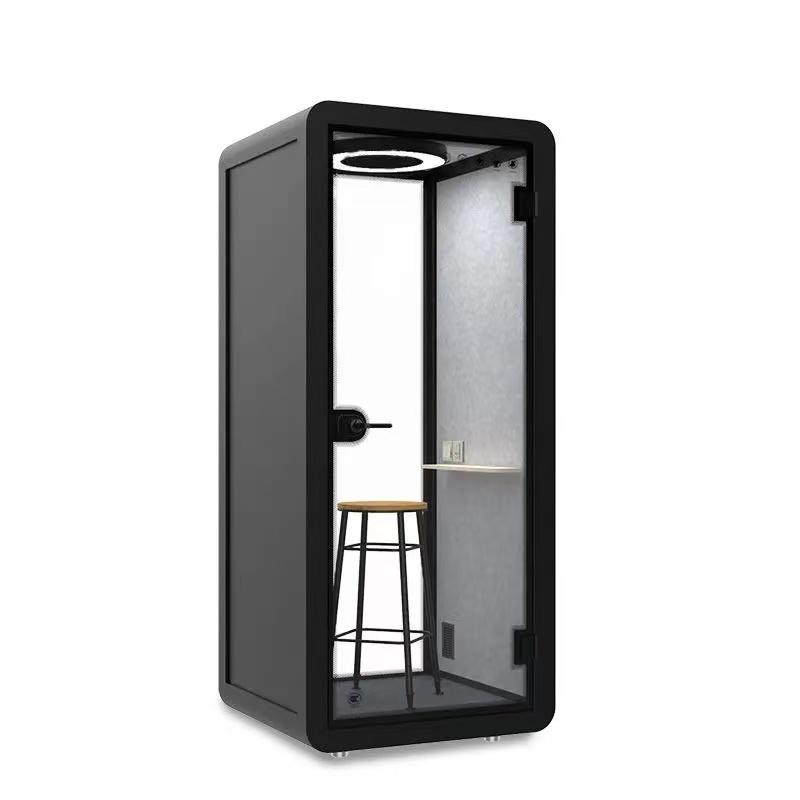
A portable meeting pod is advantageous when assigned meetings work in the present location and likely future moves have credible component, route, service, responsibility, downtime, and recommissioning controls. Either route can fail independently. The release decision should contain two signatures: one for proven meeting demand and one for a model-specific relocation and recommissioning route.
Invest only where meeting demand and relocation capability are both verified. Preserve application evidence, accepted meeting condition, portability definition, route surveys, parts, scope, pilot behavior, move limitations, and the trigger for future reapproval.

 Tel: +8613538031763
 Email: info@sopworkpod.com
 MP/WhatsApp: +8613538031763
 Manufacturer Address:Liucheng Lujiang District,Meixi Road,Nanan City,Fujian,China