
Need Help?
Please leave your contact information to get our latest catalog
Get In Touch Now >


Author:SOP Work Pods Manufacturer TIME:2026-08-28
The least useful starting question about a Framery Phone Booth is whether the market wants it or whether its price is high or low. Neither answer tells a buyer which model and options are being discussed, which local tasks justify the purchase, or which services and site costs sit outside the quoted unit. Price becomes meaningful only after the requirement and boundary are fixed.
This ledger reverses the usual sales sequence. It writes the workplace requirement first, records demand from local call and privacy patterns, checks feature statements against the exact offer, and then normalizes every commercial line. Brand familiarity may help a team find an option, but it does not replace current model documents, a site review, an occupied trial or written responsibility.
The result is not a market forecast. It is a requirement-matched offer file showing what the buyer needs, what the supplier has included, what remains conditional and which open cost could change the decision. That distinction protects the review from invented demand figures and incomplete price comparisons.
This point opens the demand and price dossier by isolating "Write buyer requirements before reading branded features" from the rest of the purchase decision. Define call types, privacy boundary, user range, occupied duration, furniture and devices, camera and audio, power and connectivity, accessibility review, site interfaces, delivery, cleaning, maintenance, support, expected availability, acceptance evidence, budget boundary, and conditions that would reject the option. Within the requirement-led quote ledger: keep the finding attached to the quoted configuration and the stated use; it is not authority for another model or floor.
The requirement-led quote ledger uses a distinct method here: begin with a bounded observation and keep the original context attached to the result. Create a requirement register from observed work and assign importance, evidence needed, owner, and decision consequence before supplier comparison. Pause the decision if available features reshaping the requirement after the brand enters the shortlist; the observation changes the route rather than becoming an exception hidden in the notes.
The release output for write buyer requirements before reading branded features is a written decision to freeze a buyer-side evaluation baseline. In the demand and price dossier: the file should show context, source, date, limitation and the person who can close the next action.
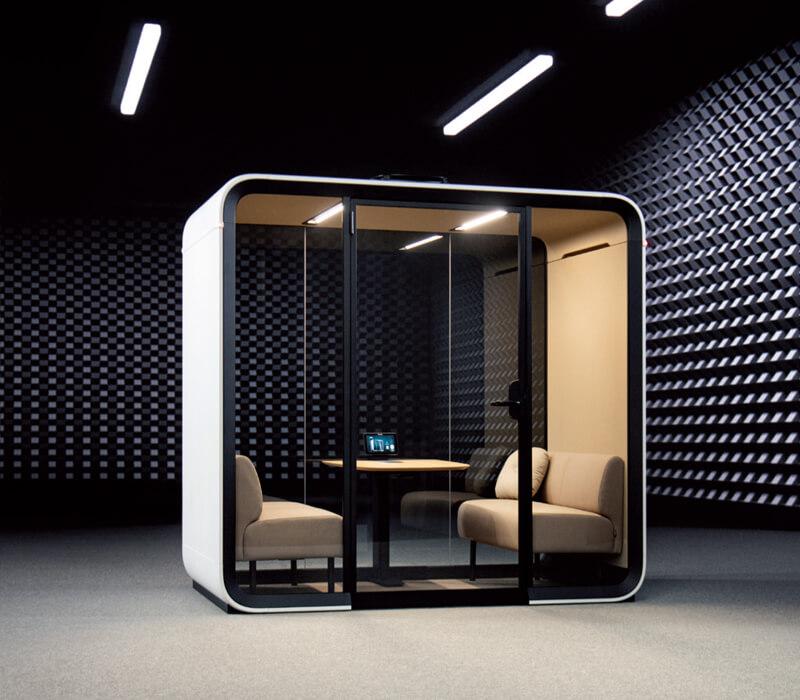
The next entry asks a narrower question: what does "Fix model generation options region and quote identity" mean in this workplace? Record supplier legal identity, product and model name, generation or revision where stated, dimensions, occupancy, finishes, furniture, controls, technology, accessories, regional electrical configuration, delivery location, quoted quantity, document dates, validity, substitutions, exclusions, and every attachment incorporated into the offer. Within the requirement-led quote ledger: record the exclusion beside the accepted use so later readers do not expand the conclusion by shorthand.
The requirement-led quote ledger uses a distinct method here: use a representative task rather than a demonstration arranged around the product. Ask the supplier to confirm one controlled offer schedule and reconcile inconsistent names or revisions in writing. Pause the decision if evidence from another model or period being attached to the current decision; the observation changes the route rather than becoming an exception hidden in the notes.
The release output for fix model generation options region and quote identity is a written decision to release a controlled commercial identity. In the demand and price dossier: write the observation, the failed alternative and the release condition on the same record line.
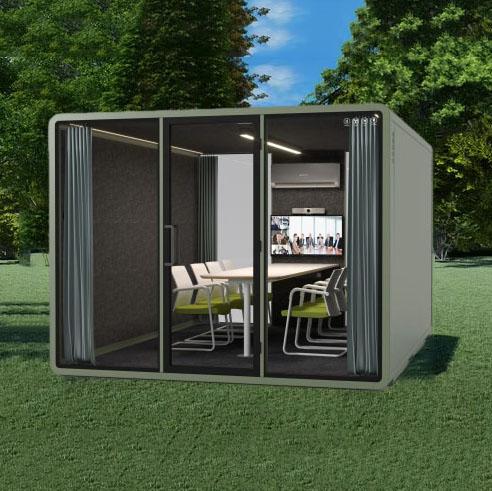
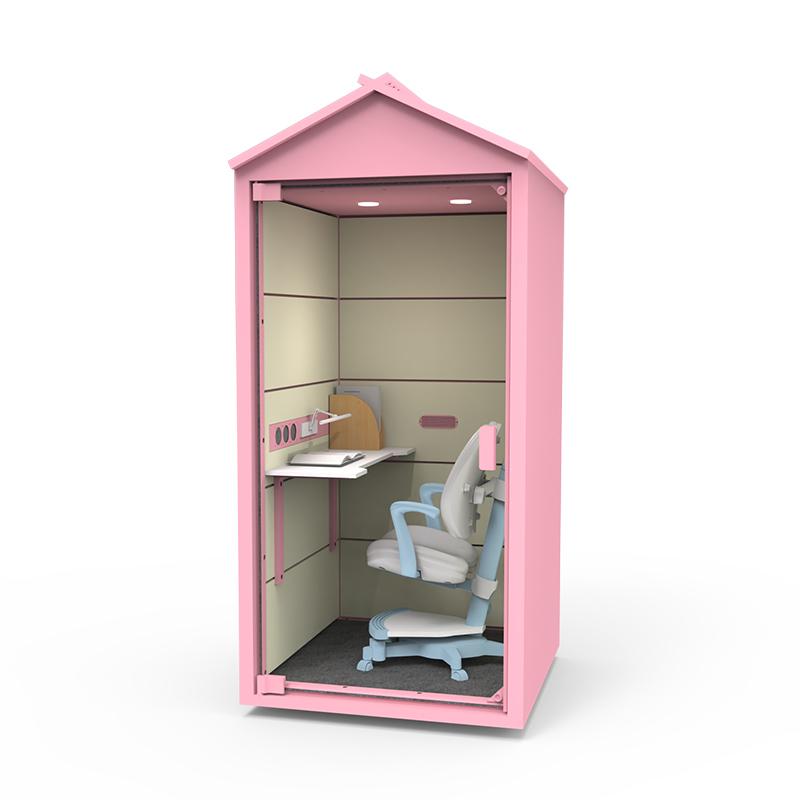
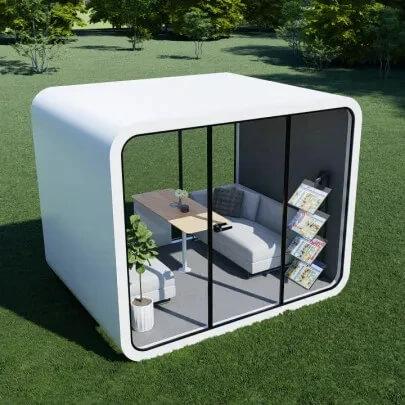
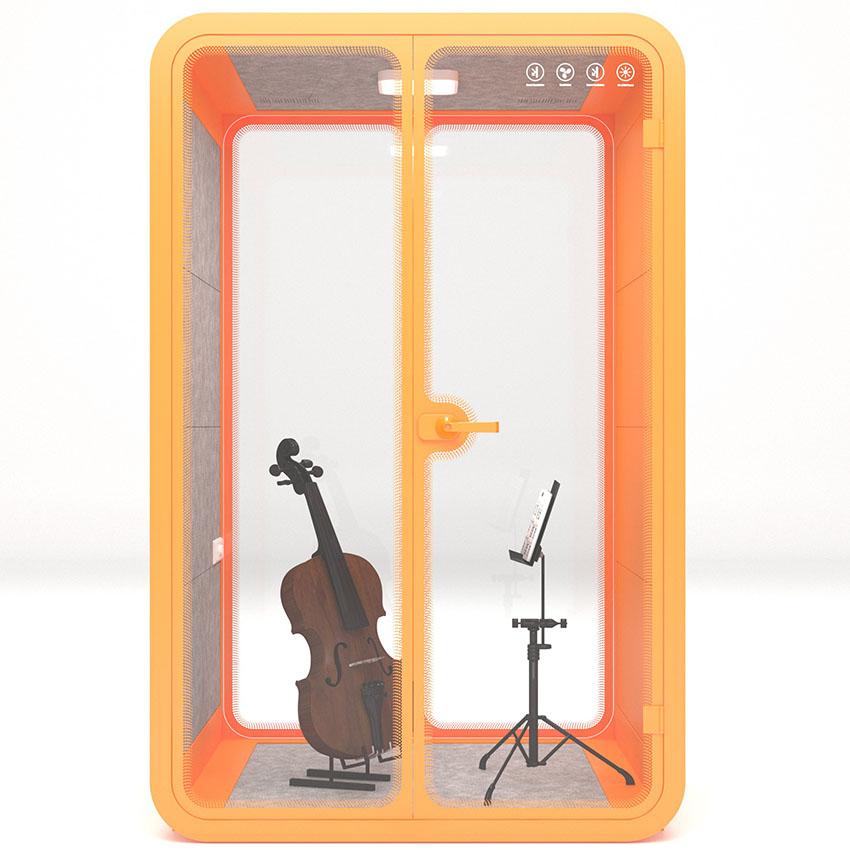
Once requirements are fixed, the phone booth product range can provide configuration context without replacing the quote ledger.
Here the reviewer leaves the brochure and follows "Connect each claimed feature to applicable evidence" through the proposed site condition. Normalize acoustic, ventilation, lighting, controls, power, connectivity, furniture, materials, access, mobility, technology, service, and other feature terms; distinguish component, laboratory, product, installed, and user-observation evidence; preserve configuration, method, conditions, limitations, and current applicability. Within the requirement-led quote ledger: a site-dependent result remains conditional until the final position and enabling work match the reviewed condition.
The requirement-led quote ledger uses a distinct method here: walk the route with the people who own the site, technology and daily operation. Build a claim-to-evidence matrix and route gaps to clarification, onsite trial, correction, acceptance condition, or rejection. Pause the decision if feature language being treated as proven benefit without matching scope; the observation changes the route rather than becoming an exception hidden in the notes.
The release output for connect each claimed feature to applicable evidence is a written decision to accept reject or condition each requirement. In the demand and price dossier: attach the route owner, applicable document, open dependency and consequence of leaving it unresolved.
At this stage, "Measure workplace demand independently of market language" becomes an occupied-use question rather than a product label. Observe eligible calls, failed attempts, wait, fallback, desk disruption, room conflicts, location, time, team, duration, concurrency, alternative capacity, policy effects, remote-work patterns, and changes that could raise or lower the need for a single-person booth. Within the requirement-led quote ledger: the occupied result applies only to the tested duration, devices, user pattern and surrounding activity.
The requirement-led quote ledger uses a distinct method here: rehearse the normal condition long enough for setup and comfort limits to appear. Collect repeated local observations and run a bounded pilot where uncertainty justifies one rather than quoting unsupported market growth. Pause the decision if broad demand statements replacing evidence from the buyer's own office; the observation changes the route rather than becoming an exception hidden in the notes.
The release output for measure workplace demand independently of market language is a written decision to approve local need and initial quantity logic. In the demand and price dossier: keep normal and adverse observations together, including setup friction and early exit where they occur.
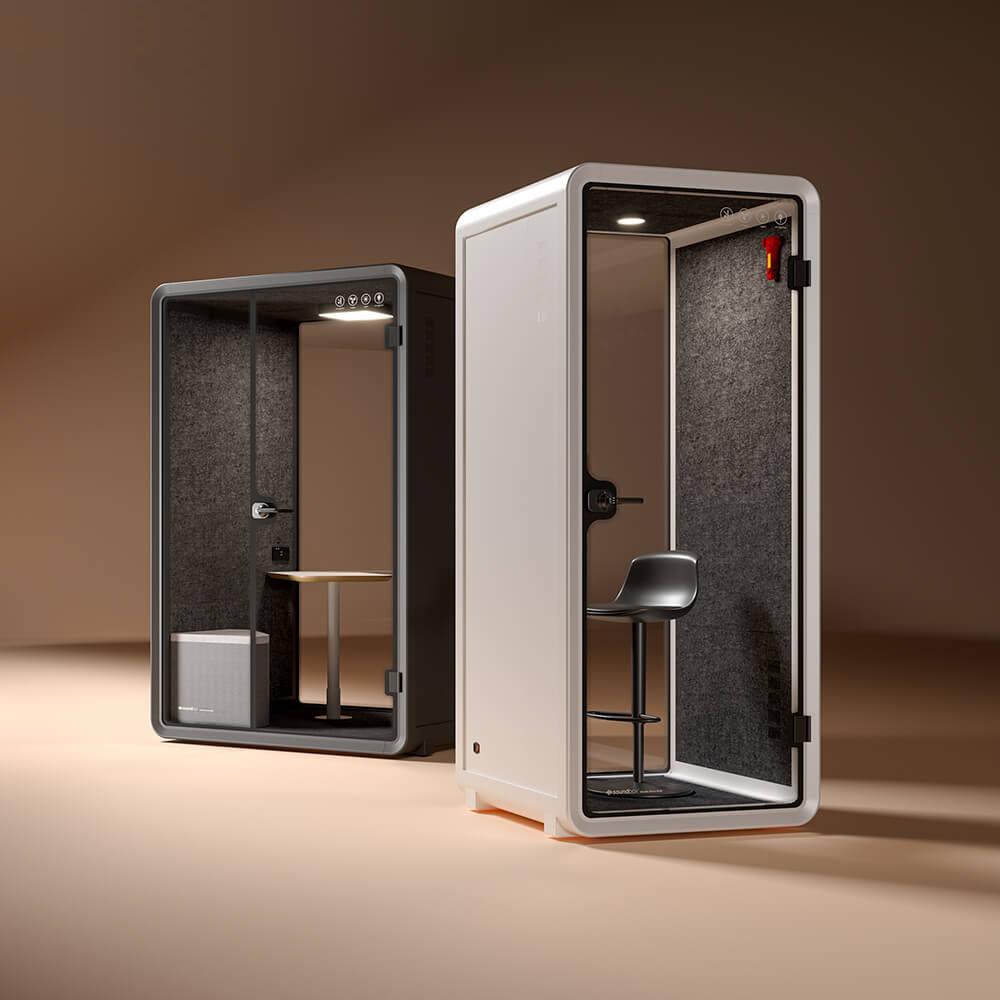
The file then tests "Normalize complete price scope and commercial risk" against responsibility, constraints and contrary observations. Separate base units, selected options, packaging, freight, unloading, access constraints, storage, floor protection, assembly, power or data work, other enabling work, commissioning, training, documentation, tax treatment, warranty boundary, planned service, consumables, parts, downtime, removal, quote validity, currency, payment, and change control. Within the requirement-led quote ledger: any supplier exclusion, provisional item or buyer-provided service remains part of the decision, not a footnote.
The requirement-led quote ledger uses a distinct method here: compare the offered scope with the buyer's requirement line by line. Use identical scope columns for every option and ask suppliers to price or explicitly exclude each material boundary. Pause the decision if a low headline figure concealing transferred cost or responsibility; the observation changes the route rather than becoming an exception hidden in the notes.
The release output for normalize complete price scope and commercial risk is a written decision to compare complete scoped offers. In the demand and price dossier: state what is included, excluded, provisional and buyer-supplied before a price comparison is released.
Commercial approval reaches "Verify delivery commissioning warranty and support routes" only after the earlier use and site questions are stable. Identify delivery and installation parties, site prerequisites, supervision, acceptance witnesses, defects, corrections, warranty start, claim channel, response commitments only where offered, planned maintenance, filters and consumables, parts, software or account dependencies if applicable, data ownership questions, training, relocation, and end-of-use responsibilities. Within the requirement-led quote ledger: name the owner and fallback before describing this part of the offer as an operational advantage.
The requirement-led quote ledger uses a distinct method here: ask the responsible team to show how the service works when the preferred condition is unavailable. Rehearse a defect, an operating fault, a parts request, and an unavailable booth against the written offer and support route. Pause the decision if the purchase price being clear while the operating service remains undefined; the observation changes the route rather than becoming an exception hidden in the notes.
The release output for verify delivery commissioning warranty and support routes is a written decision to close supplier and buyer service ownership. In the demand and price dossier: add the service owner, response route, available fallback and evidence needed after correction.
| Requirement line | Offer evidence to attach | Cost or risk treatment |
|---|---|---|
| Private call task | Applicable acoustic information and a trial in the proposed setting | Keep configuration and site dependencies visible |
| Occupied duration | Furniture, ventilation, controls and normal-duration observation | Do not price a model that users cannot sustain |
| Technology and services | Power, data, accessories, setup, support and exclusions | Separate included scope from buyer-provided work |
| Delivery and installation | Packaged route, assembly, protection, enabling work and acceptance | Assign every provisional or excluded item |
| Lifecycle support | Warranty, maintenance, parts, fault route, relocation and downtime assumptions | Compare ownership burden, not just purchase price |
The final operating entry turns "Close the offer through evidence price and acceptance" into a condition that can be accepted, corrected or rejected. Reconcile requirements, offer identity, evidence, local demand, complete price, site fit, occupied trial, delivery, support, contractual clarifications, residual limitations, defects, correction and retest, approving authority, rejected alternatives, and conditions for later quantity or configuration review. Within the requirement-led quote ledger: preserve the correction and retest trigger because acceptance can change when a material condition changes.
The requirement-led quote ledger uses a distinct method here: close the record in a cross-functional review, leaving every unresolved dependency visible. Use a final discrepancy meeting and refuse silent assumptions; every mandatory gap receives evidence, a controlled condition, correction, or rejection. Pause the decision if brand confidence closing unresolved scope; the observation changes the route rather than becoming an exception hidden in the notes.
The release output for close the offer through evidence price and acceptance is a written decision to authorize or reject the exact offer. In the demand and price dossier: finish with an explicit accept, correct, retest or reject state and a trigger for later review.
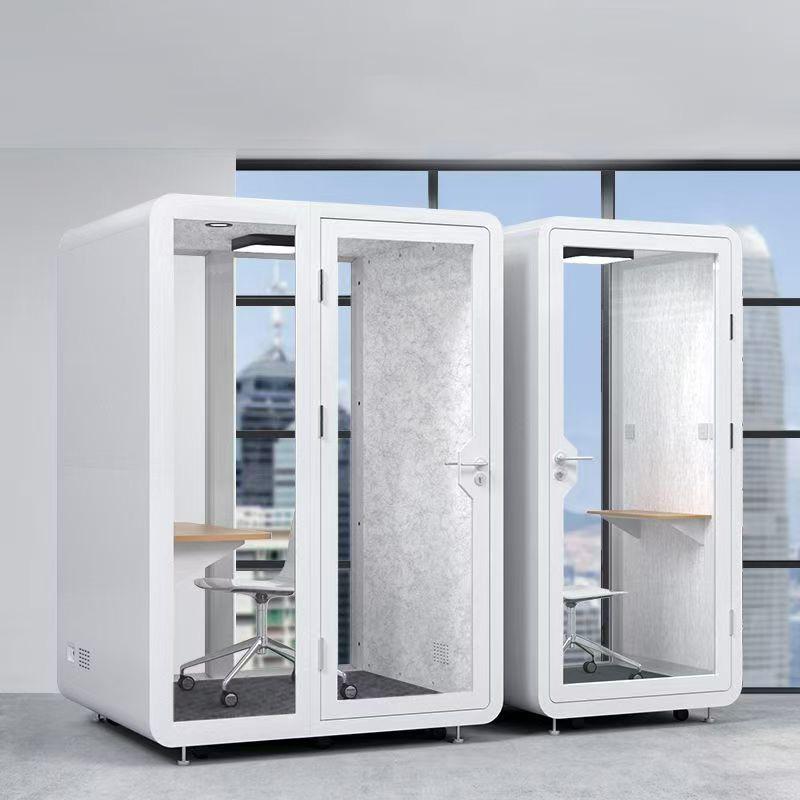
Start with the boundary that the decision must preserve. Create a requirement register from observed work and assign importance, evidence needed, owner, and decision consequence before supplier comparison. Interpret it with this condition: Define call types, privacy boundary, user range, occupied duration, furniture and devices, camera and audio, power and connectivity, accessibility review, site interfaces, delivery, cleaning, maintenance, support, expected availability, acceptance evidence, budget boundary, and conditions that would reject the option. Keep the conclusion conditional while available features reshaping the requirement after the brand enters the shortlist remains possible.
Use the evidence route that matches this question, not a general product benefit. Ask the supplier to confirm one controlled offer schedule and reconcile inconsistent names or revisions in writing. Interpret it with this condition: Record supplier legal identity, product and model name, generation or revision where stated, dimensions, occupancy, finishes, furniture, controls, technology, accessories, regional electrical configuration, delivery location, quoted quantity, document dates, validity, substitutions, exclusions, and every attachment incorporated into the offer. Keep the conclusion conditional while evidence from another model or period being attached to the current decision remains possible.
Treat this as a release condition for the stated task and location. Build a claim-to-evidence matrix and route gaps to clarification, onsite trial, correction, acceptance condition, or rejection. Interpret it with this condition: Normalize acoustic, ventilation, lighting, controls, power, connectivity, furniture, materials, access, mobility, technology, service, and other feature terms; distinguish component, laboratory, product, installed, and user-observation evidence; preserve configuration, method, conditions, limitations, and current applicability. Keep the conclusion conditional while feature language being treated as proven benefit without matching scope remains possible.
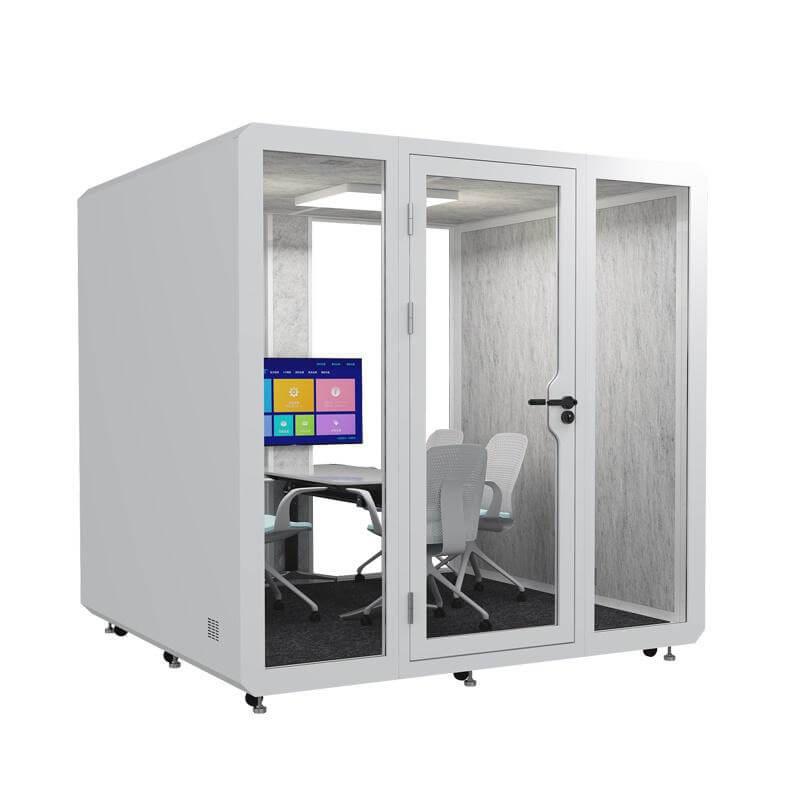
Keep the answer provisional until the relevant owner can show the required record. Collect repeated local observations and run a bounded pilot where uncertainty justifies one rather than quoting unsupported market growth. Interpret it with this condition: Observe eligible calls, failed attempts, wait, fallback, desk disruption, room conflicts, location, time, team, duration, concurrency, alternative capacity, policy effects, remote-work patterns, and changes that could raise or lower the need for a single-person booth. Keep the conclusion conditional while broad demand statements replacing evidence from the buyer's own office remains possible.
Framery Phone Booth features, market demand and pricing should meet in one controlled ledger, but they should not be treated as interchangeable proof. Features require applicable evidence, demand requires local workplace observations, and price requires a complete scope with exclusions and ownership duties exposed.
Release the offer only when it answers the written requirement and the remaining uncertainty has an owner. That makes the decision comparable and auditable without turning brand interest into a demand statistic or a quoted unit into a total installed cost.

 Tel: +8613538031763
 Email: info@sopworkpod.com
 MP/WhatsApp: +8613538031763
 Manufacturer Address:Liucheng Lujiang District,Meixi Road,Nanan City,Fujian,China