
Need Help?
Please leave your contact information to get our latest catalog
Get In Touch Now >


Author:SOP Work Pods Manufacturer TIME:2026-08-28
One office soundproof pod quotation may emphasize wall construction, ventilation, lighting, furniture, and controls while another presents a short product total. The first can look expensive because more scope is visible; the second can look simple because route, assembly, power, data, commissioning, or support sits with the buyer. Comparing totals before aligning those boundaries turns missing information into a false saving.
Features and benefits need the same discipline. An enclosure detail may help a defined listener path, a ventilation control may support a particular occupied session, and furniture may suit one work action. None proves universal privacy, comfort, or productivity. The buyer must connect product evidence with a workplace condition and preserve the limits.
This guide builds a delivered-value bundle. It traces each relevant feature to an observable job, tests whether the claimed benefit appears under the intended use, normalizes the commercial scope, and includes lifecycle ownership. The result is not a market price claim. It is a comparable record for the exact offers and site.
Start with the work that needs enclosure. Record occupancy, speech pattern, session length, information sensitivity, devices, furniture actions, surrounding listener positions, and the suitable alternative. A short customer call, extended video work, focused writing, and a two-person discussion do not create identical requirements.
For each offered feature, write the obstacle it is meant to address. Door and joint details may relate to a speech route; airflow and controls may relate to occupied recovery; lighting and glazing may affect camera, reading, glare, or sightlines; furniture may support posture and devices; status or booking features may affect access. Remove claims that have no assigned job.
Ask for model-specific evidence rather than generic category language. Drawings, component descriptions, test reports with conditions, installation requirements, service information, option schedules, cleaning guidance, warranty terms, and support procedures may all be relevant. Mark documents that apply to another configuration as background until the supplier confirms equivalence.
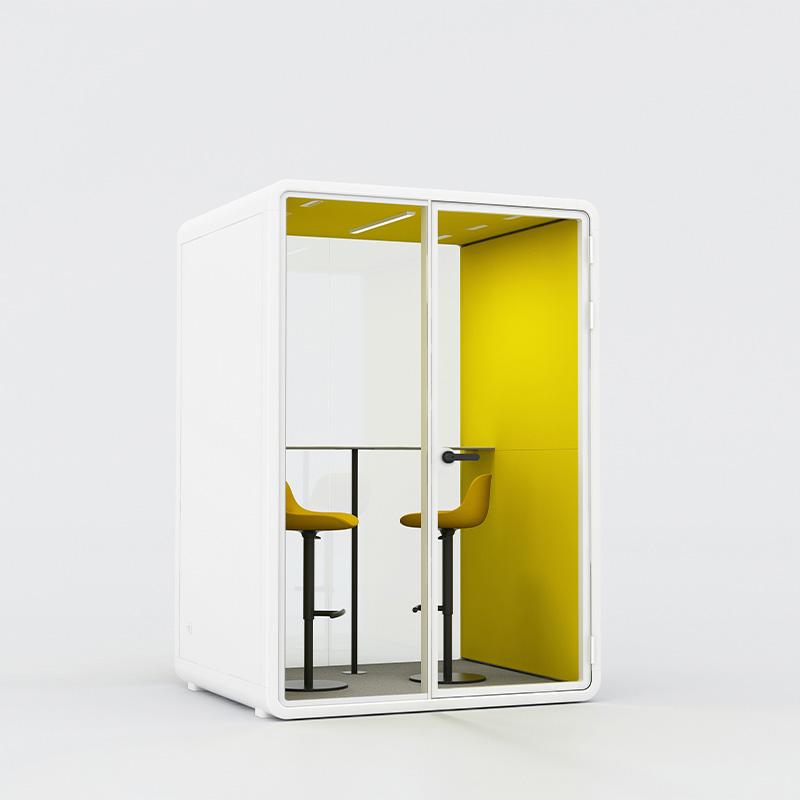
The office pod product reference can help identify the physical route under review after the job is defined. Preserve model, revision, options, and exclusions. Do not allow a product-family page to replace the offered configuration schedule or to allocate work that remains outside the supplier's contract.
Sound does not meet a feature checklist one component at a time. Review the complete installed routes around the door, seals, panels, glazing, ventilation openings, service penetrations, floor and ceiling relationships, and nearby circulation. Request applicable evidence, then observe representative speech from the listener positions that matter. Keep the result tied to the test condition.
Airflow should be reviewed during the intended occupancy and duration. Note control reach, response, drafts, equipment heat, fan character, and recovery between bookings. A value from an unrelated configuration cannot predict comfort in the proposed room. Building ventilation interactions and local approvals remain with the appropriate site reviewers.
Lighting and visual privacy can conflict. Test faces on camera, reading surfaces, screen glare, reflections, daylight, views through glazing, status indicators, and standing approaches. Screening may improve one sightline while reducing visibility or reassurance elsewhere. Document the chosen condition instead of calling it simply private.
Access includes the full action route: delivery of components, approach to the installed pod, door operation, movement with normal belongings, seating, control reach, exit, cleaning, and maintenance. The nominal footprint does not show these envelopes. Reject a site or configuration that cannot preserve required circulation and service space.
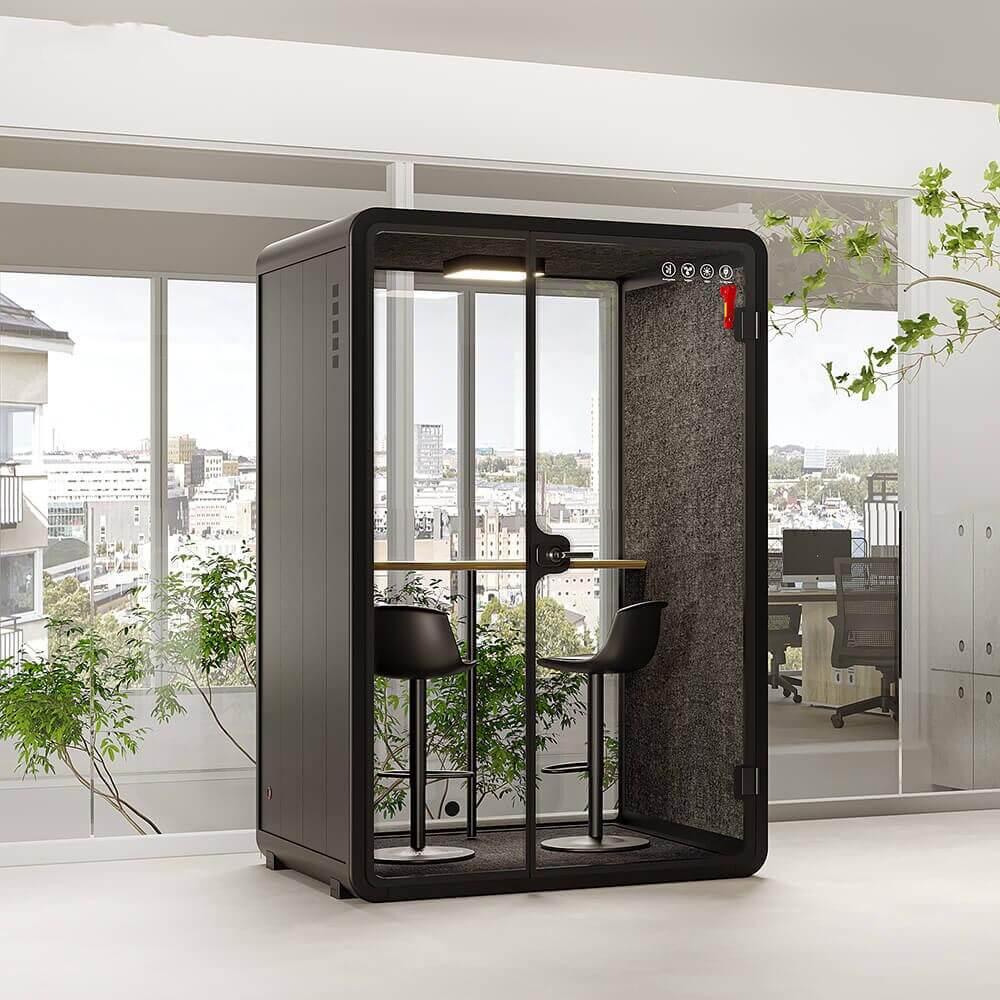
Convert each benefit into an observation. Privacy may mean that a defined nearby listener cannot follow meaningful speech during the representative task. Focus may mean the user completes the intended work without moving because of a specific surrounding disturbance. Comfort may mean the occupied session remains workable for its planned duration. These are local decision observations, not universal performance statistics.
Record counterconditions. A louder external area, an open door, higher device volume, a longer session, different occupancy, changed furniture, or another listener route may alter the result. The purpose is not to discredit the pod. It is to prevent one successful condition from becoming an unlimited claim.
Compare against the real alternative. A conventional room may offer more occupancy and equipment but consume a scarce resource. A desk call may be immediate but disturb colleagues. Remote work may solve a particular day but not the office task. Benefit exists when the pod improves the defined route without creating a larger access, support, or space problem.
Avoid converting preference into productivity. Users can report that a condition supported the task, and the office can observe completed eligible work, early exits, faults, displaced meetings, or external complaints. Do not invent savings or performance percentages. Preserve the task and conditions beside every decision statement.
Give suppliers the same scope ledger. Include exact model and options, furniture, controls, packaging, freight terms, unloading, route protection, storage, assembly, supervision, waste removal, power and data boundaries, building works, testing, commissioning, cleaning, training, documentation, defects, warranty, maintenance, software or subscriptions, and taxes or duties where relevant to the buyer's comparison.
Distinguish included, excluded, allowance, optional, buyer work, and third-party work. An exclusion is not automatically a defect if it is visible and priced elsewhere. The risk appears when a necessary activity has no owner, no basis, or no place in the project total. Ask who receives and approves each handoff.
Match timing and payment to evidence. Deposits, manufacturing release, dispatch, site readiness, installation, acceptance, defect closure, and warranty start may use different milestones. The commercial record should state what condition unlocks payment and what happens when the route or site is not ready. Do not invent a standard schedule for all suppliers.
Compare uncertainty as well as the current total. Currency, freight basis, site assumptions, option expiry, travel, specialist attendance, replacement items, integration, or future service may be unresolved. Record the variable, owner, response date, and decision impact. A transparent higher offer can be less risky than a lower total built on unknown interfaces, but the conclusion must come from the actual ledger.
| Claimed value | Evidence and occupied check | Commercial boundary | Acceptance condition |
|---|---|---|---|
| Speech privacy | Applicable enclosure evidence and local listener walk-around | Exact model, installation and site interfaces | Defined conversation and listener paths pass |
| Comfort for intended duration | Occupied airflow, heat, light, furniture and control observation | Options, controls, commissioning and service owner | Session and recovery remain workable |
| Technology readiness | Representative devices, call route, cable and fallback test | Power, data, integration, subscription and support scope | Meeting completes and recovery is supported |
| Delivered price | Normalized configuration and complete responsibility ledger | Freight, route, assembly, site work, acceptance and defects | No necessary interface lacks an owner |
| Lifecycle value | Maintenance, replacement, change and recommissioning evidence | Warranty, service, parts, software and relocation boundary | Ownership and review triggers are recorded |
The delivered pod creates operating work. Name who handles cleaning, filters or other service items, door and seal inspections, furniture, controls, lighting, electrical faults, technology support, software where present, replacement parts, user reports, and supplier escalation. Keep frequencies and procedures from the exact approved information rather than inventing a generic schedule.
Ask how a defect is classified and routed. Enclosure, airflow, control, site power, network, furniture, damage, and user-policy issues may have different owners. A single service contact can be convenient, but the contract should still show responsibility and exclusions. Preserve evidence of correction and retest.
Change cost includes relocation, reconfiguration, new devices, office moves, altered occupancy, replacement finishes, and end-of-life handling. If flexibility is part of the value claim, request the model-specific method, component sizes, tools, protection, labor, service isolation, warranty effect, and recommissioning route. A movable appearance is not a lifecycle plan.
Review useful life by subsystem. The enclosure, furniture, fan, controls, lighting, technology, and finishes may not age together. Ask what can be serviced or replaced and how discontinued items are handled. Avoid letting a minor unsupported function determine the worth of an otherwise usable room without first examining alternatives.
Before delivery, freeze the accepted configuration and responsibilities. Attach drawings, options, finishes, services, route survey, marked site, power and data interfaces, local approvals, inspection plan, and commercial ledger. A substitution or site change should reopen affected evidence rather than inherit approval automatically.
At installation, inspect identity, damage, joints, door operation, seals, hardware, furniture, finishes, cable control, lighting, ventilation controls, power, data provisions, cleaning, and documents. Record defects with location, owner, correction, and retest. Do not close a functional issue because the pod looks complete.
Run the assigned work with representative occupants and devices. Observe listener and screen paths, entry, posture, call quality, light, airflow, control use, external disturbance, exit, and reset. Include a credible busy or consecutive-use condition. Classify findings as product, site, technology, or operation so corrective work reaches the right owner.
The final value record should state accepted jobs, excluded jobs, observed benefits, conditions, unresolved limits, delivered scope, ownership, and review triggers. It can support the purchase without claiming a universal return. If the bundle cannot be made comparable or the assigned task does not pass, hold the decision until the missing boundary is resolved.
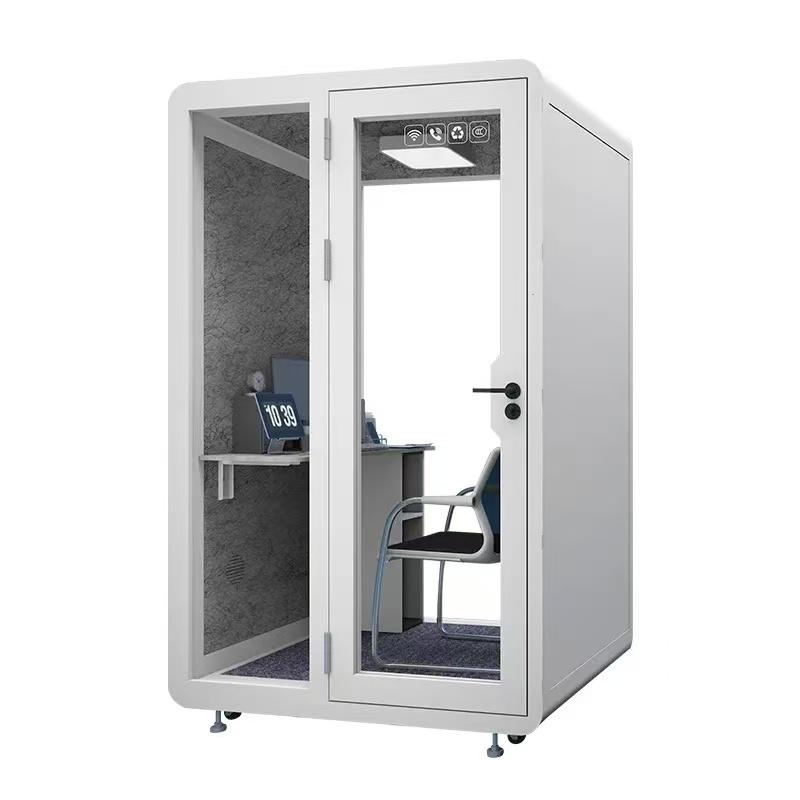
Price can reflect configuration, materials, options, furniture, controls, testing, freight, delivery state, installation, site work, commissioning, warranty, service, software, and commercial assumptions. Normalize the same delivered and accepted condition before drawing a conclusion. Do not infer quality from price alone.
No single figure establishes the complete installed listener boundary. Review the specimen, method, conditions, metric, installation, openings, site, conversation, and listener routes. Use applicable documentation for comparison and a bounded workplace observation for the intended task.
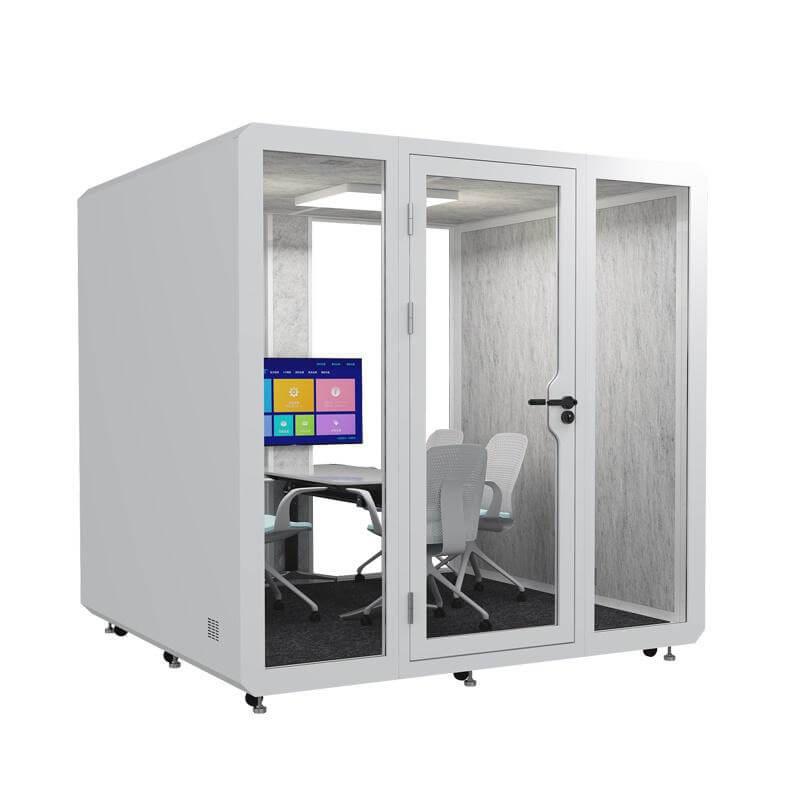
Buyers should check freight and unloading, route protection, storage, assembly, building work, power and data, local reviews, commissioning, cleaning, training, defects, travel, subscriptions, maintenance, replacement items, and change work. The actual omissions depend on the offer, so require explicit included and excluded entries.
Hold when the exact configuration is unclear, a necessary site or service interface has no owner, evidence does not apply to the offered model, the assigned occupied task fails, or commercial assumptions prevent a comparable delivered total. Release only after the missing boundary is documented and reviewed.
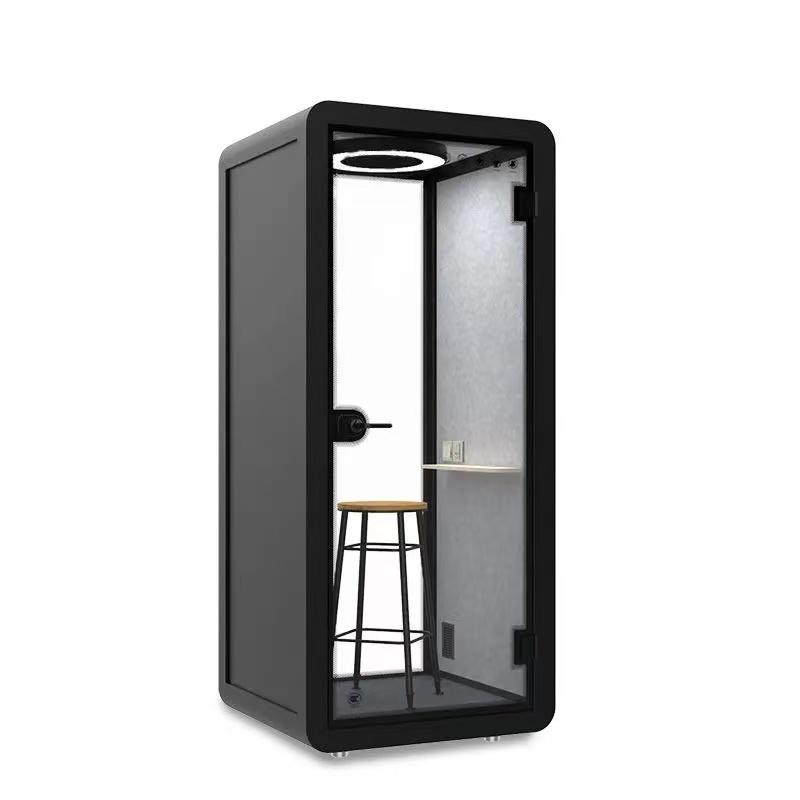
Office soundproof pods create value when model features address a defined work obstacle, the complete installed system supports the occupied task, and the delivered scope has no hidden responsibility gap. Benefits should remain attached to observed conditions; pricing should remain attached to the same accepted configuration.
Normalize delivery, site, installation, services, commissioning, support, and lifecycle scope before crediting a lower total or a longer feature list. Then accept the bundle only after its privacy, comfort, technology, access, and ownership boundaries are witnessed and recorded for the proposed workplace.

 Tel: +8613538031763
 Email: info@sopworkpod.com
 MP/WhatsApp: +8613538031763
 Manufacturer Address:Liucheng Lujiang District,Meixi Road,Nanan City,Fujian,China