


Need Help?
Please leave your contact information to get our latest catalog
Get In Touch Now >


Author:SOP Work Pods Manufacturer TIME:2026-08-28
A PhoneBox Office offer can look complete while important responsibilities sit outside the product description. The enclosure and options may be clear, but delivery access, enabling work, commissioning, training, fault handling or replacement parts may be spread across emails and exclusions. Comparing advantages before collecting those pieces creates a decision that no single party can later explain.
A three-envelope review keeps the proposition intact. The first envelope contains the exact product and the evidence for its features. The second covers delivery, installation and handover services. The third sets out daily ownership, maintenance, support and commercial boundaries. An advantage is accepted only when the relevant envelope is complete and consistent with the buyer's use.
This structure is deliberately different from a feature list. It asks what the buyer receives, who makes it usable, and who keeps it usable. The final record supports a like-for-like decision without inventing performance, service levels or warranty terms that are not present in the applicable offer.
This point opens the product-service-operations file by isolating "Define buyer outcomes before accepting advantages" from the rest of the purchase decision. List private or routine calls, video sessions, focused tasks, user access, room availability, workplace flexibility, participant experience, privacy boundary, occupied duration, location, devices, service availability, budget scope, existing alternatives, project constraints, expected evidence, and outcomes that are desirable but not mandatory. Within the three-envelope procurement review: keep the finding attached to the quoted configuration and the stated use; it is not authority for another model or floor.
The three-envelope procurement review uses a distinct method here: begin with a bounded observation and keep the original context attached to the result. Create an outcome register from observed work and assign conditions, importance, owner, proof, limitation, and decision consequence. Pause the decision if promotional advantages replacing a buyer-side requirement; the observation changes the route rather than becoming an exception hidden in the notes.
The release output for define buyer outcomes before accepting advantages is a written decision to approve measurable outcome statements. In the product-service-operations file: the file should show context, source, date, limitation and the person who can close the next action.
| Envelope | Documents and observations to collect | Release question |
|---|---|---|
| Product | Model, options, drawings, furniture, ventilation, controls, power, data and applicable evidence | Does the exact configuration support the required work? |
| Delivery and handover | Route, protection, assembly, site work, testing, defects, training and acceptance records | Can the offered product become an accepted workplace asset? |
| Operations | Booking, cleaning, filters, parts, fault route, maintenance, downtime and user guidance | Can the workplace operate it without hidden responsibility? |
| Commercial boundary | Price, freight, exclusions, provisional items, change control, warranty and payment milestones | Are the offers comparable on the same scope? |
| Decision record | Open items, owner, evidence due, consequence and approval state | Can every claimed advantage be traced to a closed item? |
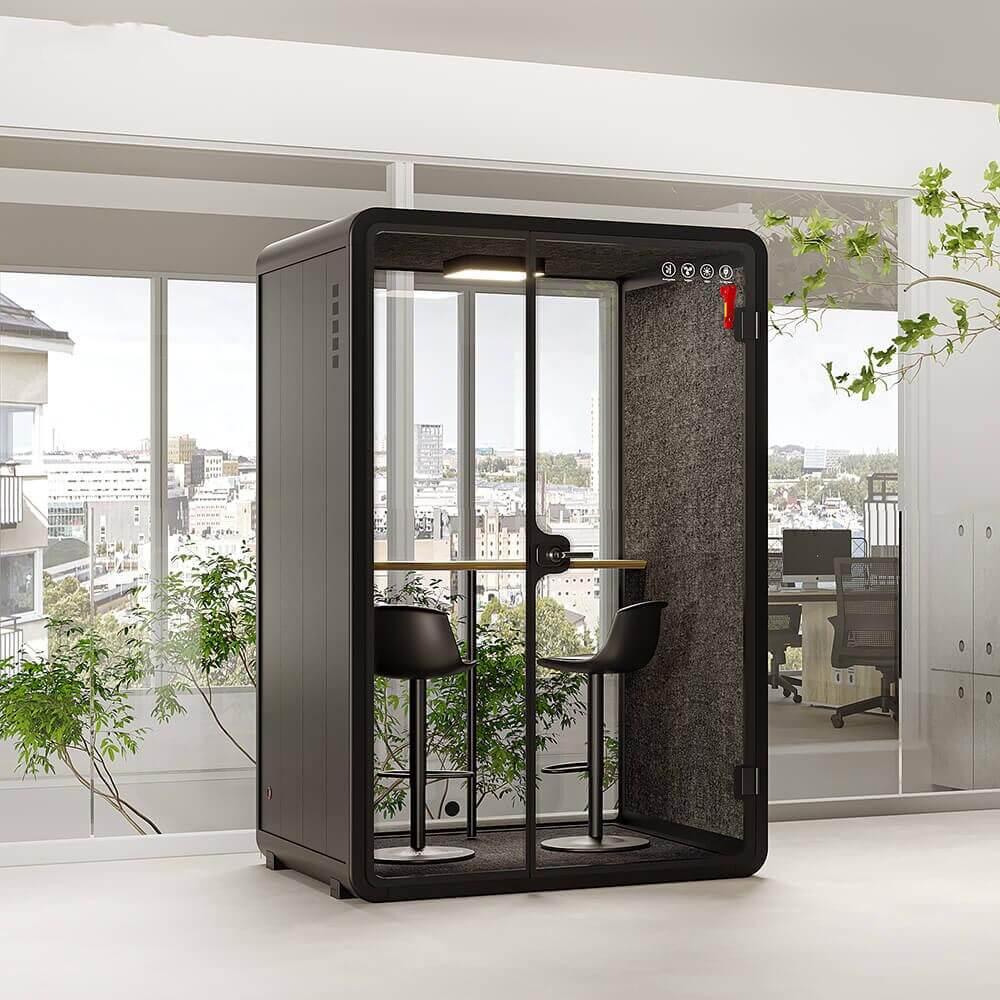
The next entry asks a narrower question: what does "Control the exact offer and map features to outcomes" mean in this workplace? Record legal supplier, product and model name, revision where stated, options, occupancy, dimensions, finishes, furniture, enclosure, door, seals, ventilation, lighting, controls, power, technology provisions, accessories, regional configuration, quantity, location, document dates, substitutions, and quote attachments; map only applicable features to each outcome. Within the three-envelope procurement review: record the exclusion beside the accepted use so later readers do not expand the conclusion by shorthand.
The three-envelope procurement review uses a distinct method here: use a representative task rather than a demonstration arranged around the product. Require one controlled offer schedule and a claim-to-evidence matrix that distinguishes document scope, field observation, and unresolved clarification. Pause the decision if a feature from another configuration supporting the current advantage; the observation changes the route rather than becoming an exception hidden in the notes.
The release output for control the exact offer and map features to outcomes is a written decision to release offer identity and feature evidence. In the product-service-operations file: write the observation, the failed alternative and the release condition on the same record line.
Verify site delivery assembly and enabling services
Here the reviewer leaves the brochure and follows "Verify site delivery assembly and enabling services" through the proposed site condition. Measure packaged and assembled components, external and internal route, gates, doors, turns, lifts, stairs, protection, storage, assembly clearance, footprint, floor, power, data, ventilation interaction, detectors and other project interfaces, circulation, accessibility review, cleaning, maintenance, removal, authorized trades, prerequisites, delays, and responsibility at every handoff. Within the three-envelope procurement review: a site-dependent result remains conditional until the final position and enabling work match the reviewed condition.
The three-envelope procurement review uses a distinct method here: walk the route with the people who own the site, technology and daily operation. Walk the route, mark the footprint, and reconcile supplier prerequisites with buyer site owners before release. Pause the decision if a product feature surviving comparison but failing at the site interface; the observation changes the route rather than becoming an exception hidden in the notes.
The release output for verify site delivery assembly and enabling services is a written decision to approve delivery and site ownership. In the product-service-operations file: attach the route owner, applicable document, open dependency and consequence of leaving it unresolved.
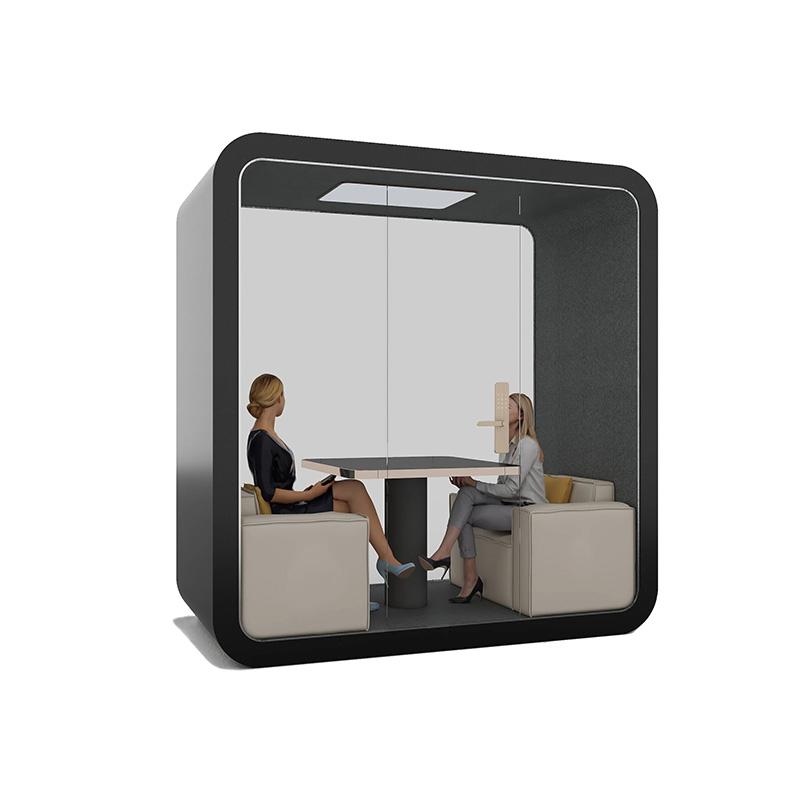
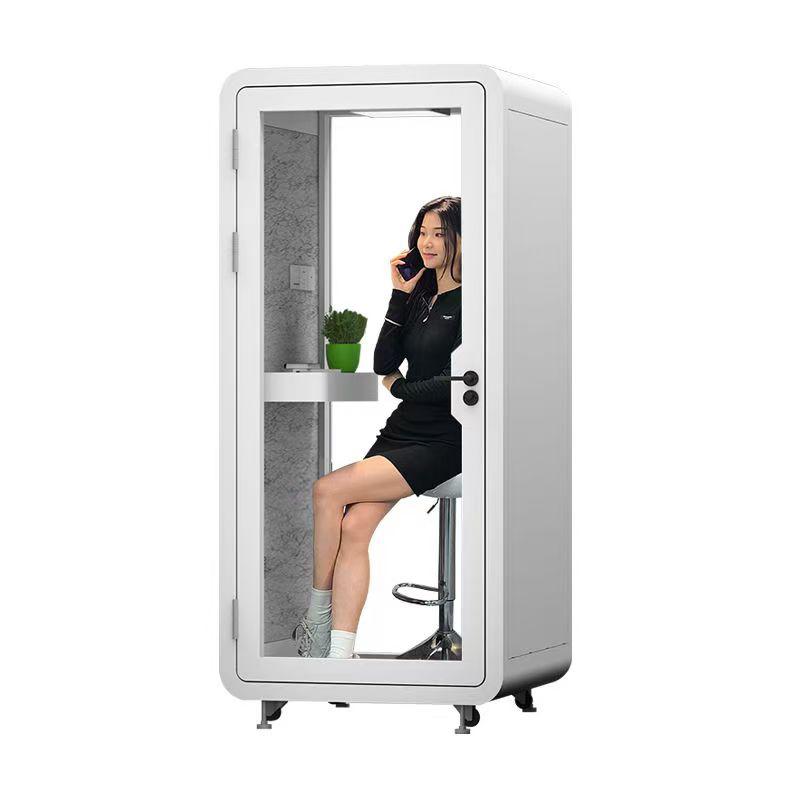
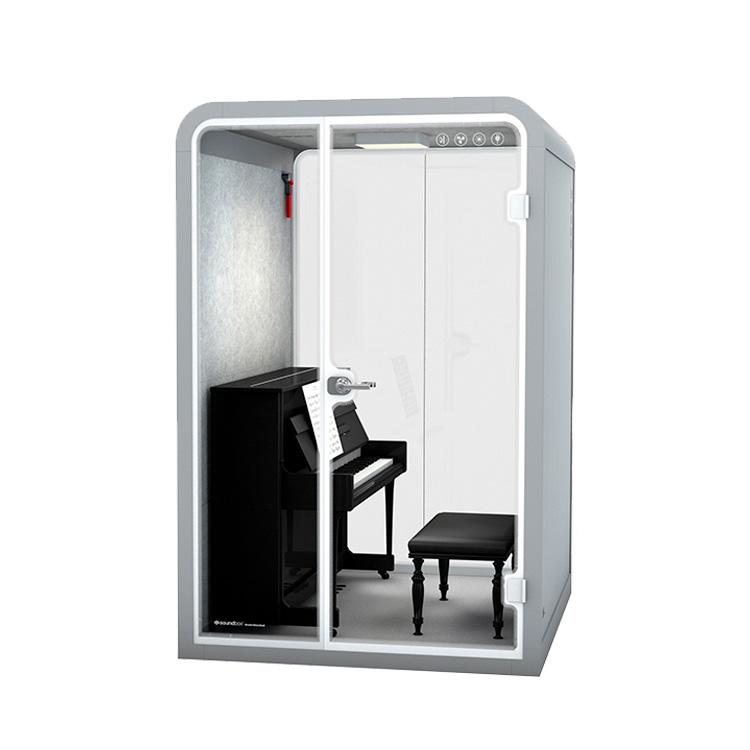
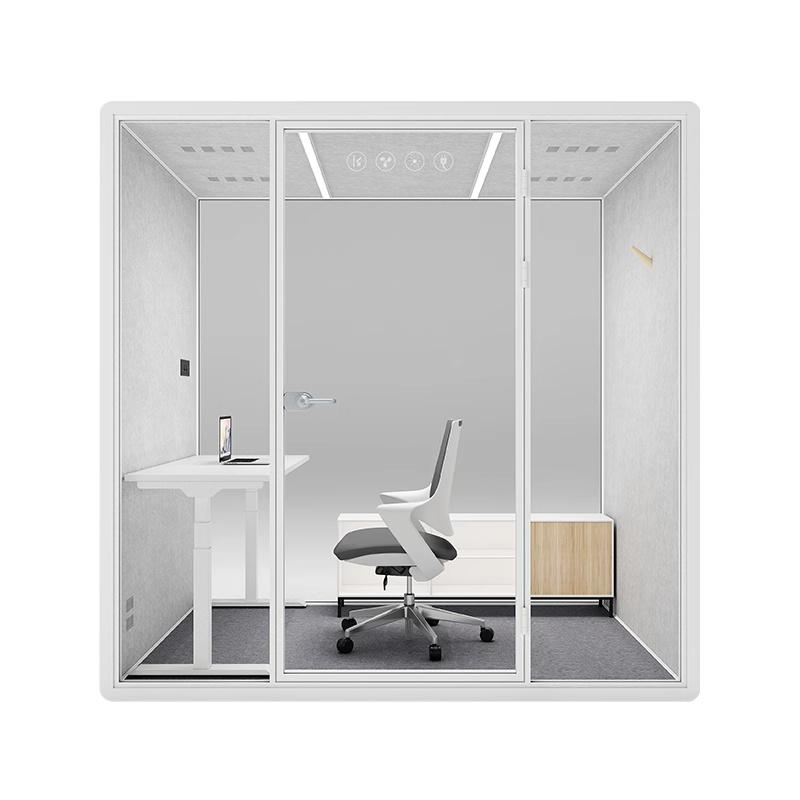
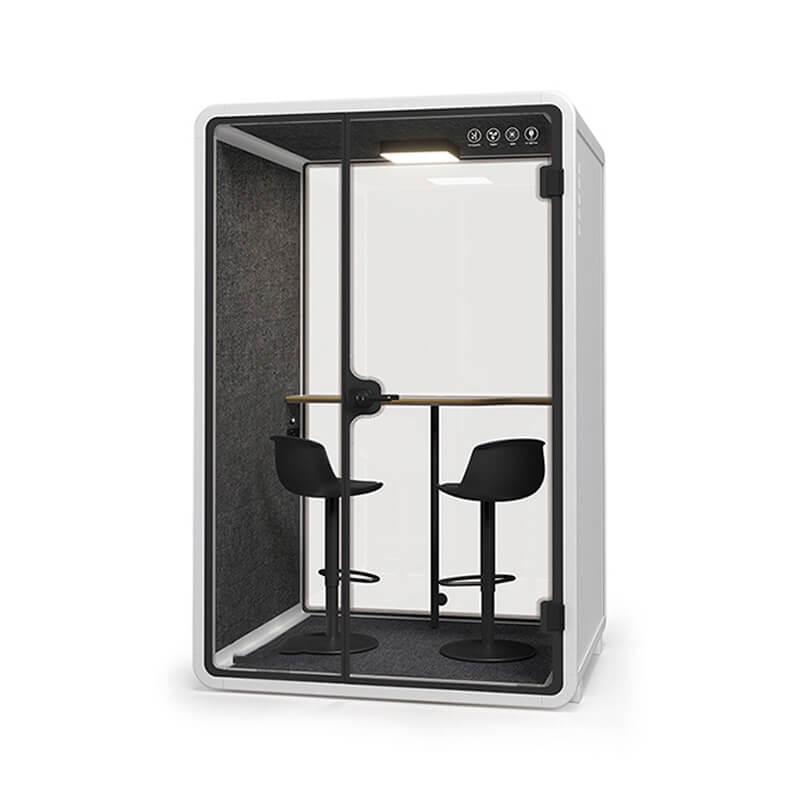
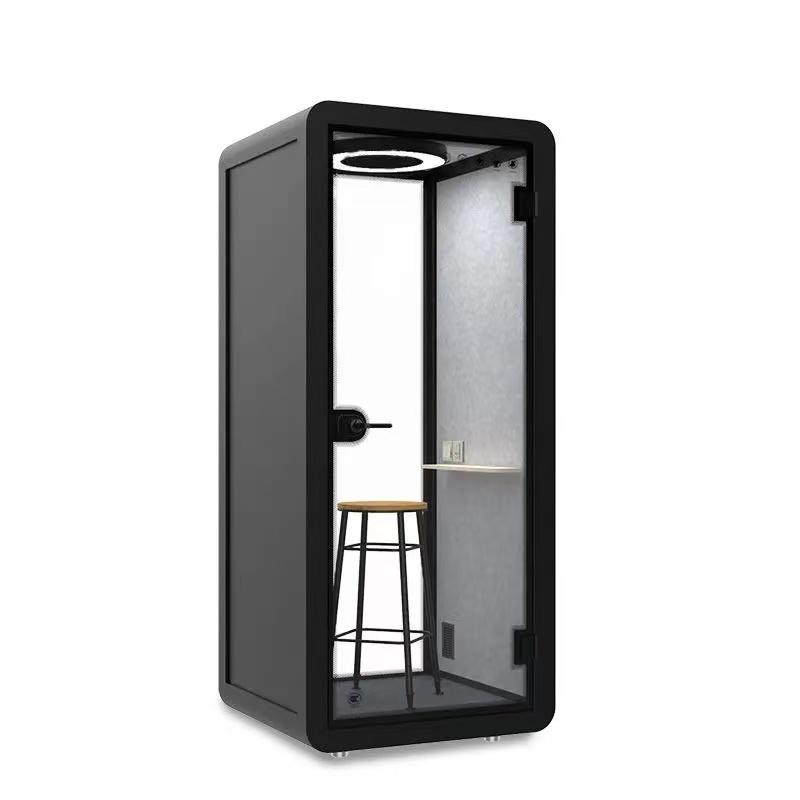
The office pod range is a configuration reference; the three-envelope file remains the authority for the purchased scope.
At this stage, "Define installation commissioning training and handover services" becomes an occupied-use question rather than a product label. Clarify who unloads, assembles, connects authorized services, protects the site, disposes of packaging, inspects work, tests doors, seals, ventilation, lighting, controls, power, technology, privacy, occupied use, and faults; who witnesses acceptance; what documents, user guidance, administrator guidance, training, defects, corrections, retest, and handover records are included or excluded. Within the three-envelope procurement review: the occupied result applies only to the tested duration, devices, user pattern and surrounding activity.
The three-envelope procurement review uses a distinct method here: rehearse the normal condition long enough for setup and comfort limits to appear. Turn every service verb into a named party, deliverable, timing, evidence, acceptance condition, and remedy. Pause the decision if service language sounding complete while key tasks have no owner; the observation changes the route rather than becoming an exception hidden in the notes.
The release output for define installation commissioning training and handover services is a written decision to release a witnessed handover plan. In the product-service-operations file: keep normal and adverse observations together, including setup friction and early exit where they occur.
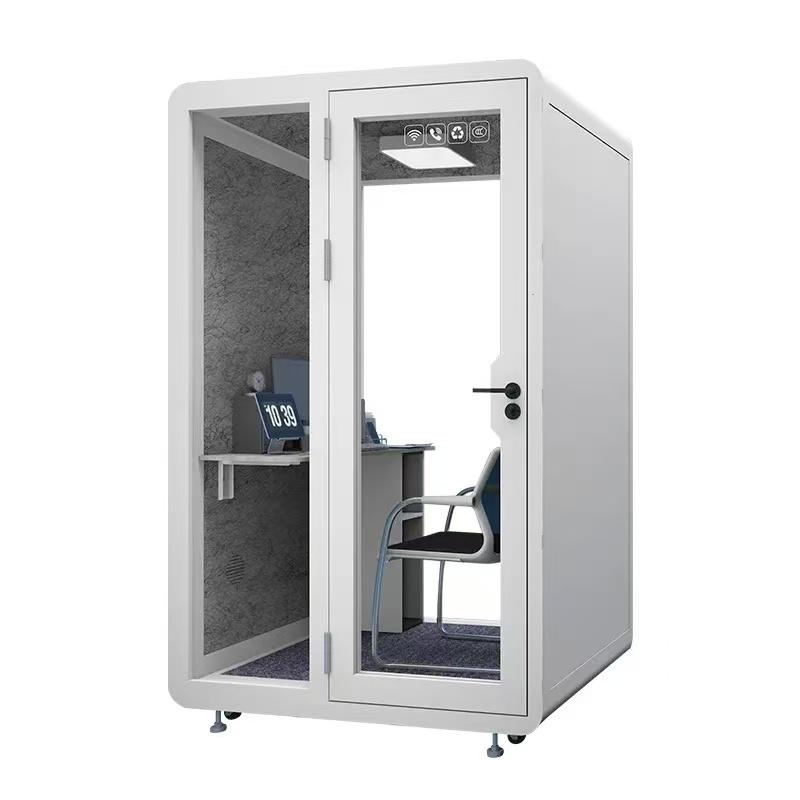
The file then tests "Normalize quote warranty and change boundaries" against responsibility, constraints and contrary observations. Separate base product, options, packaging, freight, unloading, site work, assembly, services, commissioning, training, documentation, taxes, warranty scope and start, exclusions, planned maintenance, consumables, parts, support, downtime, relocation, reconfiguration, removal, quote validity, currency, payment, substitutions, buyer dependencies, variation process, and unresolved commercial assumptions. Within the three-envelope procurement review: any supplier exclusion, provisional item or buyer-provided service remains part of the decision, not a footnote.
The three-envelope procurement review uses a distinct method here: compare the offered scope with the buyer's requirement line by line. Use a normalized scope ledger and require explicit inclusion or exclusion for every material boundary. Pause the decision if headline price or warranty term concealing transferred responsibility; the observation changes the route rather than becoming an exception hidden in the notes.
The release output for normalize quote warranty and change boundaries is a written decision to compare complete commercial propositions. In the product-service-operations file: state what is included, excluded, provisional and buyer-supplied before a price comparison is released.
Commercial approval reaches "Rehearse cleaning maintenance faults parts and fallback" only after the earlier use and site questions are stable. Define daily inspection, cleaning, filters and consumables where applicable, door and seal checks, ventilation and controls, technology support, fault reporting, triage, safe isolation, service contact, response terms only where written, planned visits, parts identity and availability evidence, warranty claim, downtime communication, alternative workspace, records, escalation, relocation, and future configuration change. Within the three-envelope procurement review: name the owner and fallback before describing this part of the offer as an operational advantage.
The three-envelope procurement review uses a distinct method here: ask the responsible team to show how the service works when the preferred condition is unavailable. Run representative fault and parts-request scenarios against the written supplier and buyer support routes. Pause the decision if purchase services ending at handover while availability remains a buyer expectation; the observation changes the route rather than becoming an exception hidden in the notes.
The release output for rehearse cleaning maintenance faults parts and fallback is a written decision to approve ongoing service and fallback. In the product-service-operations file: add the service owner, response route, available fallback and evidence needed after correction.
The final operating entry turns "Close advantages features and services in one decision" into a condition that can be accepted, corrected or rejected. Reconcile buyer outcomes, exact offer, applicable evidence, site fit, occupied task, privacy and comfort limits, delivery, installation, commissioning, training, quote, warranty, support, parts, downtime, defects, corrections, residual risks, rejected alternatives, acceptance authority, and triggers for service, configuration, location, or quantity review. Within the three-envelope procurement review: preserve the correction and retest trigger because acceptance can change when a material condition changes.
The three-envelope procurement review uses a distinct method here: close the record in a cross-functional review, leaving every unresolved dependency visible. Use a final discrepancy record in which every mandatory gap receives evidence, correction and retest, a controlled condition, or rejection. Pause the decision if one strong layer masking a missing feature or service boundary; the observation changes the route rather than becoming an exception hidden in the notes.
The release output for close advantages features and services in one decision is a written decision to authorize or reject the complete proposition. In the product-service-operations file: finish with an explicit accept, correct, retest or reject state and a trigger for later review.
Start with the boundary that the decision must preserve. Create an outcome register from observed work and assign conditions, importance, owner, proof, limitation, and decision consequence. Interpret it with this condition: List private or routine calls, video sessions, focused tasks, user access, room availability, workplace flexibility, participant experience, privacy boundary, occupied duration, location, devices, service availability, budget scope, existing alternatives, project constraints, expected evidence, and outcomes that are desirable but not mandatory. Keep the conclusion conditional while promotional advantages replacing a buyer-side requirement remains possible.
Use the evidence route that matches this question, not a general product benefit. Require one controlled offer schedule and a claim-to-evidence matrix that distinguishes document scope, field observation, and unresolved clarification. Interpret it with this condition: Record legal supplier, product and model name, revision where stated, options, occupancy, dimensions, finishes, furniture, enclosure, door, seals, ventilation, lighting, controls, power, technology provisions, accessories, regional configuration, quantity, location, document dates, substitutions, and quote attachments; map only applicable features to each outcome. Keep the conclusion conditional while a feature from another configuration supporting the current advantage remains possible.
Treat this as a release condition for the stated task and location. Walk the route, mark the footprint, and reconcile supplier prerequisites with buyer site owners before release. Interpret it with this condition: Measure packaged and assembled components, external and internal route, gates, doors, turns, lifts, stairs, protection, storage, assembly clearance, footprint, floor, power, data, ventilation interaction, detectors and other project interfaces, circulation, accessibility review, cleaning, maintenance, removal, authorized trades, prerequisites, delays, and responsibility at every handoff. Keep the conclusion conditional while a product feature surviving comparison but failing at the site interface remains possible.
Keep the answer provisional until the relevant owner can show the required record. Turn every service verb into a named party, deliverable, timing, evidence, acceptance condition, and remedy. Interpret it with this condition: Clarify who unloads, assembles, connects authorized services, protects the site, disposes of packaging, inspects work, tests doors, seals, ventilation, lighting, controls, power, technology, privacy, occupied use, and faults; who witnesses acceptance; what documents, user guidance, administrator guidance, training, defects, corrections, retest, and handover records are included or excluded. Keep the conclusion conditional while service language sounding complete while key tasks have no owner remains possible.
The advantages, features and services of a PhoneBox Office belong in one proposition, but they should not be blended into one unsupported promise. Product evidence, delivery responsibility and operating support answer different questions and should remain visible through approval.
Select the offer only when all three envelopes are complete for the intended use and site. That gives procurement a contractable scope, facilities a workable handover and users a service that can be maintained after the installation team leaves.

 Tel: +8613538031763
 Email: info@sopworkpod.com
 MP/WhatsApp: +8613538031763
 Manufacturer Address:Liucheng Lujiang District,Meixi Road,Nanan City,Fujian,China