

Need Help?
Please leave your contact information to get our latest catalog
Get In Touch Now >


Author:SOP Work Pods Manufacturer TIME:2026-08-28
In a hybrid workplace, safe is an ownership word. A supplier can describe a pod, but the buyer still has to identify applicable local requirements, qualify the site, integrate technology, review access, commission occupied use, and run the asset after handover.
The same is true of effective and flexible. Those outcomes depend on which tasks are assigned, which uses remain excluded, who closes each interface, and what happens when the pod, technology, location, or operating policy changes.
This route creates a cross-functional release register. It keeps product evidence, site decisions, technology checks, occupied observations, operating ownership, and reopen triggers visible without inventing a universal compliance claim.
Effective hybrid work is a set of tasks, not a general atmosphere. Name the calls, meetings, focus work, occupancy, duration, devices, privacy needs, and excluded uses before assigning an indoor pod a role.
Define effective hybrid tasks and excluded uses.
Separate solo video calls, confidential conversations, interviews, focused work, two-person reviews, group hybrid meetings, visitor use, overflow, and tasks needing larger or specially equipped rooms by occupancy, duration, privacy, devices, urgency, support, and fallback.
Observe current work and approve only uses that the offered occupancy, layout, technology, and operating service can support.
Reopen the release register if a broad hybrid label assigning unsafe or unsuitable tasks becomes plausible.
Finish the release register entry with a decision to release task eligibility and exclusions. Name its correction owner and next trial condition.
| Boundary | Reviewer question | Evidence retained | Reopen trigger |
|---|---|---|---|
| Assigned hybrid role | Which tasks and exclusions are approved? | Task profile, users, duration, alternatives | Use, occupancy, or policy changes |
| Site and access | Can the selected position be delivered, used, serviced, and reviewed locally? | Route, layout, service, access, authority record | Location or building change |
| Privacy and technology | Does the combined session meet the bounded communication need? | Witness call, listener path, device configuration | Equipment, platform, or surrounding-space change |
| Operation | Who keeps the accepted condition available? | Booking, cleaning, fault, parts, fallback, return-to-service route | Owner, service, or configuration change |
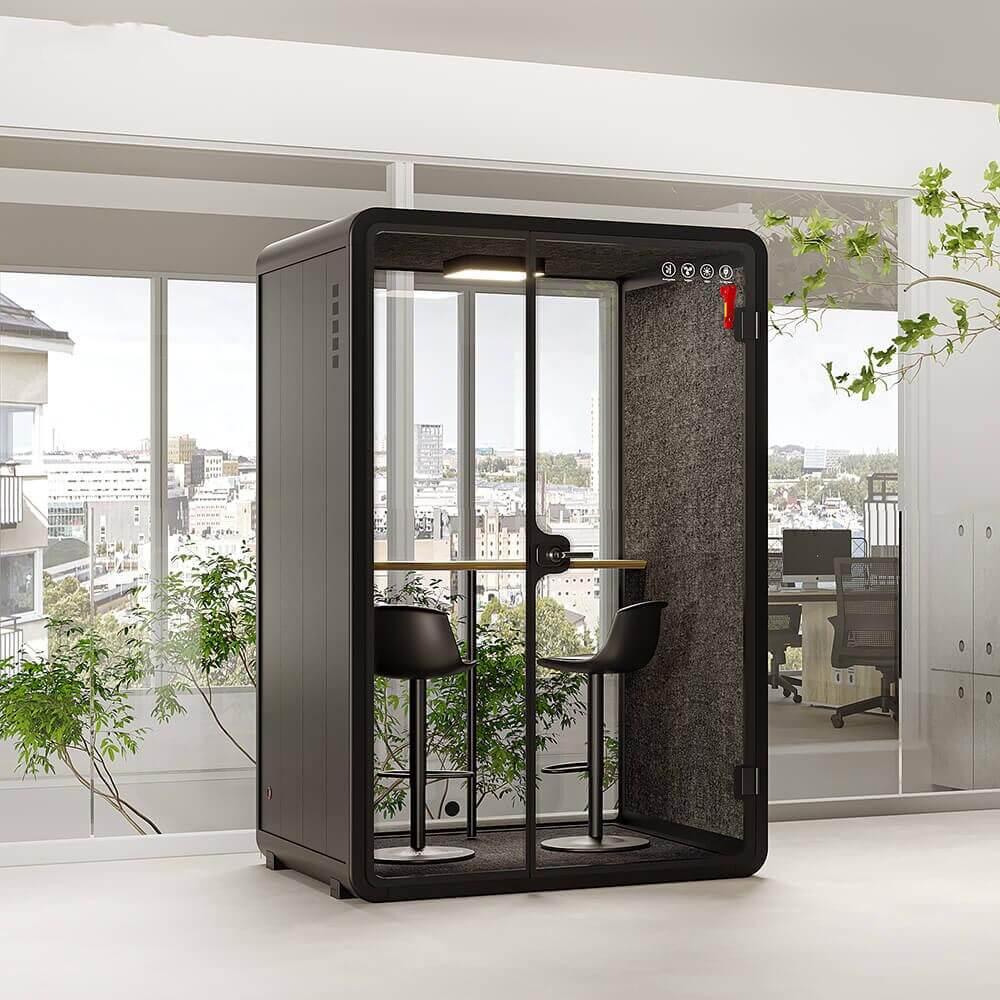
No single party owns every relevant question. The project needs the applicable local review route and a clear division among product information, site design, installation, technology, acceptance, and daily operation.
Build a project requirement and reviewer register.
Identify applicable client, landlord, building, legal, procurement, fire and life-safety, electrical, accessibility, structural or floor, ventilation, detector and sprinkler, circulation, installation, material, acoustic, technology, privacy, security, and operating questions without presuming universal requirements.
Ask authorized local and organizational reviewers to state required evidence, responsibility, timing, approval, inspection, and unresolved conditions.
Reopen the release register if a copied checklist or product certificate replacing local determination becomes plausible.
The release register should state how to approve a project-specific review route. Place each open limitation beside the responsible owner and review trigger.
Separate product supplier site installer and operator duties.
Map model and options, delivery, route, protection, storage, assembly, floor, services, power and data, ventilation interaction, detectors and sprinklers, circulation, accessibility review, inspections, tests, defects, training, cleaning, maintenance, faults, warranties, user guidance, and removal by accountable party.
Create a responsibility matrix and reconcile supplier scope with site and operating plans before order.
Reopen the release register if a gap or overlap leaving a critical interface unmanaged becomes plausible.
Release this release register step only when the team can release ownership and evidence boundaries. Its retained evidence shows unresolved conditions and next actions.
Speech paths, sightlines, camera framing, microphone behavior, loudspeaker use, connectivity, and support meet in the same session. Separate documents do not prove that the combined experience works.
Commission privacy and hybrid technology together.
Review speaker and listener positions, sightlines, door and fan state, ventilation paths, camera framing, microphone, loudspeaker, echo, display, content sharing, lighting, glare, data, cables, platform compatibility, remote turn-taking, support, and conversations before entry or after exit.
Run representative mixed-presence tasks in the final location with onsite and remote observations.
Reopen the release register if onsite function hiding remote failure or information exposure becomes plausible.
Turn the release register finding into an instruction to state the accepted hybrid communication boundary. Record the invalidating condition and person who must respond.
Comfort and access are occupied conditions. Entry, circulation, controls, light, airflow, duration, cleaning access, maintenance position, fault isolation, and locally required emergency behavior need responsible review.
Witness occupied comfort access and emergency behavior.
Check approach, threshold, door, maneuvering, seating, table, devices, controls, lighting, airflow, temperature perception, fan sound, duration, full occupancy, personal items, movement, exit, user instructions, behavior during a representative alert or required exit according to authorized project procedures, and assistance dependencies.
Use intended users and responsible reviewers to witness normal occupied use and approved site procedures without improvising safety tests.
Reopen the release register if a technically installed pod failing real user access or operation becomes plausible.
Close the release register route by agreeing how to release occupied conditions and actions. Preserve its accepted boundary, correction, and reason for retest.
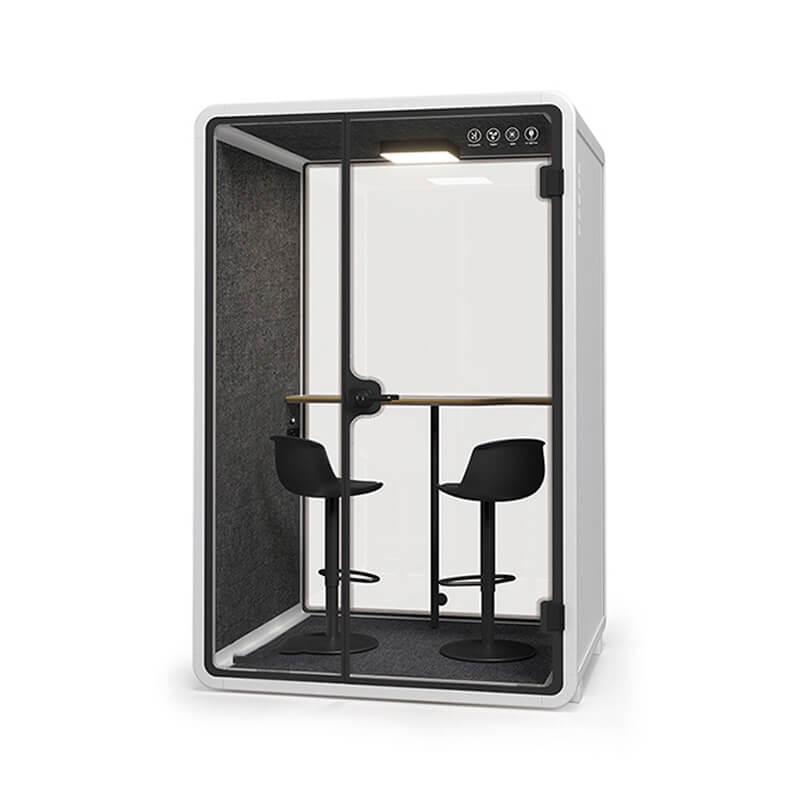
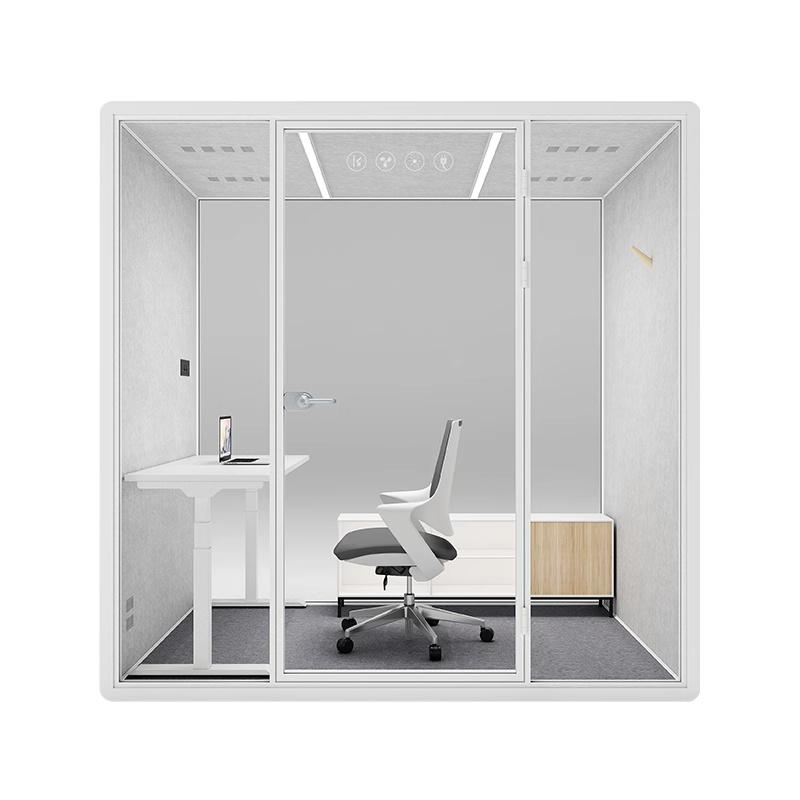
Once reviewer questions and assigned uses are clear, the indoor office pod configurations can be compared against the project register without treating a product page as site approval.
Close interfaces in a deliberate sequence
Begin with the task and site position because they set the context for later review. Then reconcile current product information with delivery, assembly, services, access, circulation, technology, privacy, occupied use, and operation. A later reviewer should be able to see which assumptions were already closed and which remain conditional.
Use an issue state that supports action: open, corrected, retest required, accepted with a boundary, or rejected. Avoid a vague noted status. Each open item needs an owner, the evidence required for closure, the consequence of leaving it unresolved, and the point at which it blocks installation or use.
At handover, walk the register with the operating teams. Show where product documents, site records, device configurations, user guidance, cleaning instructions, fault contacts, isolation steps, parts information, and fallback arrangements are retained. The asset should not depend on project knowledge that disappears when the installation team leaves.
Name the person or function authorized to release the pod after correction. Installation completion, technology readiness, occupied acceptance, and return to service may have different owners. The register should prevent one completed workstream from silently releasing unresolved conditions owned by another.
Record dissent when reviewers reach different conclusions. The sponsor can then resolve the actual interface, narrow the assigned use, request more evidence, or hold the release; a blank signature line should never be interpreted as agreement.
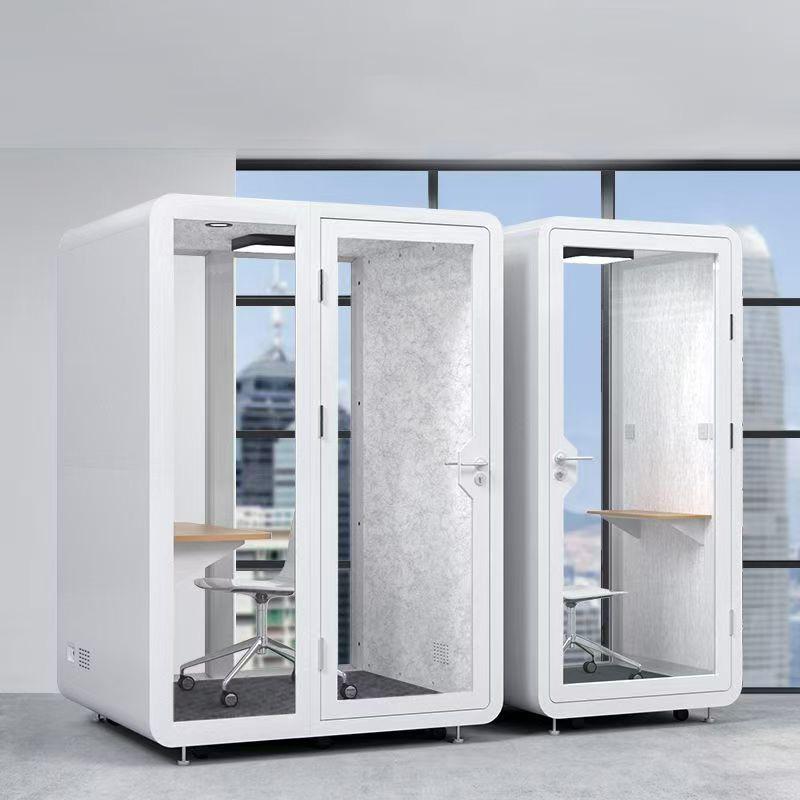
Booking, turnover, cleaning, faults, parts, fallback, and return to service sustain the approved role. A location, configuration, equipment, or use change should reopen only the boundaries it can affect, but those boundaries must actually be revisited.
Operate booking cleaning faults and maintenance safely.
Define availability, session length, overrun, queue, etiquette, open-door use, belongings, cleaning, filters, door and seals, ventilation, lighting, controls, power, furniture, fault reporting, isolation, signage, alternative spaces, service contacts, parts, inspection, training, downtime, and return-to-service authorization.
Rehearse normal turnover and a representative fault with users and operating teams.
Reopen the release register if daily workarounds changing the reviewed condition becomes plausible.
This release register output explains how to accept operating and escalation ownership. It identifies the owner, remaining uncertainty, and change that reopens review.
Reopen relevant review after configuration or location change.
Control furniture and technology options, services, software where present, use class, occupancy, door orientation, placement, floor, delivery route, relocation, disassembly, parts, receiving site, documents, authorized review, user guidance, downtime, defects, and recommissioning.
Use a change record to identify affected requirements and require evidence and witnessed tasks before reopening.
Reopen the release register if flexibility bypassing the boundaries used for original acceptance becomes plausible.
End the release register step with an explicit route to close each change through revised approval and commissioning. Attach context, limitation, and operating ownership.
Assign tasks that fit the approved occupancy, layout, privacy, technology, comfort, duration, access, and operating service. Solo video calls, confidential conversations, focused work, small reviews, or hybrid meetings may follow different profiles even inside the same model.
Keep excluded uses visible. Larger groups, emergency functions, specialized work, activities that obstruct access or services, and tasks needing another authorized room should not be pulled into the pod merely because it is available.
The supplier owns accurate product and installation information within the offered scope. The buyer and project team determine applicable local requirements, site position, services, access, building interfaces, technology, acceptance, and operation through authorized reviewers.
Put each decision beside its evidence and owner. A supplier document should not be presented as blanket site approval, and a buyer-provided service should not disappear inside a product claim. Unresolved interfaces remain open until the responsible route closes them.
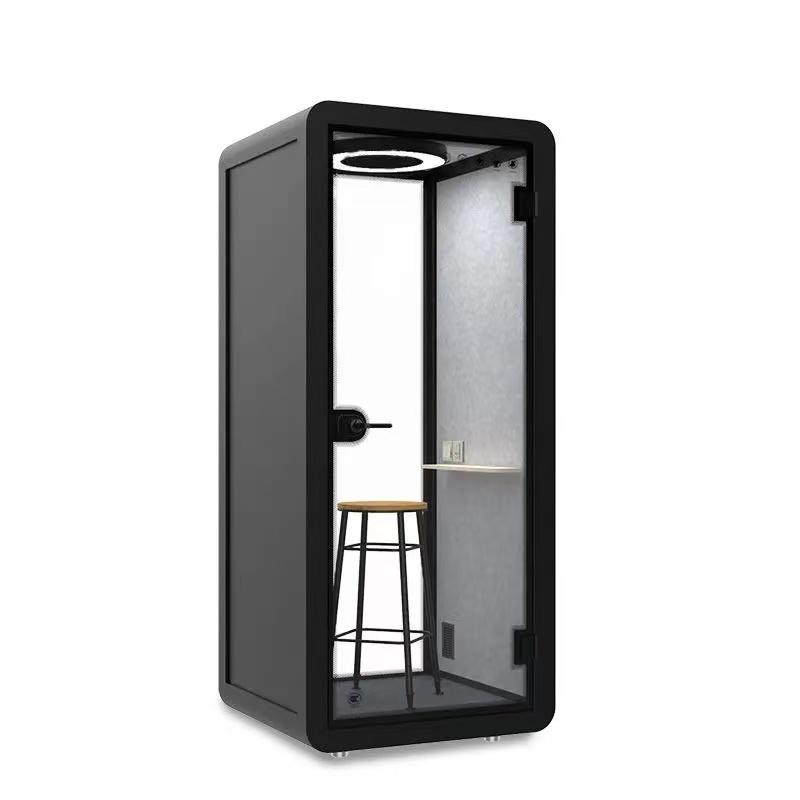
Commission a representative session with the intended users and devices. Observe speaker and listener paths, sightlines, door and fan state, camera frame, microphone and output route, content sharing, connection condition, lighting, airflow, posture, duration, entry, exit, and support.
The result should state the accepted use and its limitations. Privacy, technology, and comfort cannot be released from separate demonstrations if the combined session creates a conflict or workaround.
Reopen the lines affected by the change. A new position may alter access, services, surrounding sound, light, airflow, cleaning, and local review. A component or technology change may alter joints, controls, privacy, device support, comfort, or warranty conditions.
Record the proposed change before work, identify applicable evidence and owners, close defects afterward, and recommission the affected hybrid tasks. Unaffected evidence can remain, but the team should explain why it still applies.
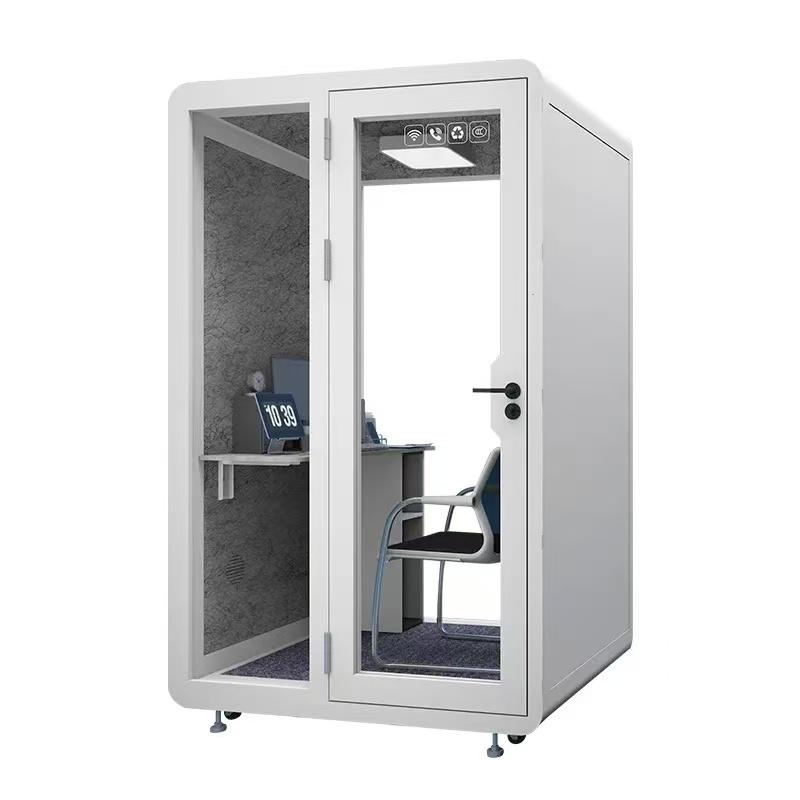
Indoor office pods can support an effective, flexible, and safe hybrid workplace when the assigned tasks, site interfaces, technology, privacy, occupied use, and operating service are released by the people who own those boundaries.
Do not compress that decision into a supplier claim or one generic checklist. Keep applicable local review, exclusions, conditional items, corrections, acceptance evidence, and ownership visible in the project record.
The next action is to close the cross-functional release register. After any meaningful change, reopen the affected lines, repeat the necessary checks, and return the pod to service only when the revised hybrid role remains supported.

 Tel: +8613538031763
 Email: info@sopworkpod.com
 MP/WhatsApp: +8613538031763
 Manufacturer Address:Liucheng Lujiang District,Meixi Road,Nanan City,Fujian,China