
Need Help?
Please leave your contact information to get our latest catalog
Get In Touch Now >


Author:SOP Work Pods Manufacturer TIME:2026-08-28
Privacy, flexibility, and cost pull in different directions. More enclosure can affect footprint and access. A movable product still depends on disassembly, route, services, and recommissioning. A low unit price can leave delivery or site work outside the supplier’s scope. Office cubicle pods offer a useful balance only when the workplace defines which compromises it can accept.
The practical question is not whether the claim sounds reasonable. It is whether a proposed arrangement solves a repeated work problem without creating a larger layout, operating, or commercial problem. A buyer can test that through a small portfolio pilot: define privacy by task, trace flexibility across the lifecycle, normalize installed scope, observe use, and release further quantity only when the trade-offs are visible.
This review avoids invented savings and blanket performance claims. It gives facilities, procurement, finance, and users a common board for discussing evidence and stop conditions.
Begin with the work that currently fails. Calls may expose conversation detail, focused tasks may be interrupted, teams may lack small rooms, or a leased office may resist permanent construction. Name the users, task, duration, peak demand, proposed area, and alternative response. This prevents the pod from being judged against an abstract ideal.
Rank the three variables rather than giving each equal weight. A legal team may place speech and screen boundaries ahead of ease of relocation. A short-term project office may value reversible installation and delivery timing. A cost-constrained site may accept simpler finishes but not an unclear service boundary. The ranking should reflect the task and building, not a supplier slogan.
Write a stop condition for each variable. Examples include conversation detail remaining understandable at a sensitive neighboring position, the selected unit being unable to reach the location, or the normalized project scope exceeding the approved commercial boundary. Stop conditions make a trade-off honest because some failures cannot be averaged away.
Separate minimum requirements from preferences. A particular color or optional accessory may matter to design consistency, but it should not mask a failed route, missing service owner, or unsuitable work setting. When budget pressure appears, remove or defer preferences before weakening a minimum without an explicit buyer decision. Keep the reason for every accepted compromise beside the item it affects.
Privacy is not one switch. A cubicle pod can address visual interruption, reduce the reach of ordinary speech, create a clearer behavioral boundary, or support work that should leave the open desk. The required combination depends on the task. Separate speech detail, screen visibility, entry transitions, and the user’s own distraction.
Map relevant neighboring positions. A pod near an active collaboration area has a different context from one beside quiet work or a reception route. Use normal speech and representative screen content, then observe from those positions. Record background activity, door state, configuration, and behavior. This is contextual evidence, not an absolute acoustic or confidentiality guarantee.
Decide which controls belong to placement or operation. Door orientation, screen angle, booking rules, speaking behavior, and guidance can affect the privacy outcome. If those conditions are necessary, include them in the approval and handover rather than presenting the enclosure alone as the solution.
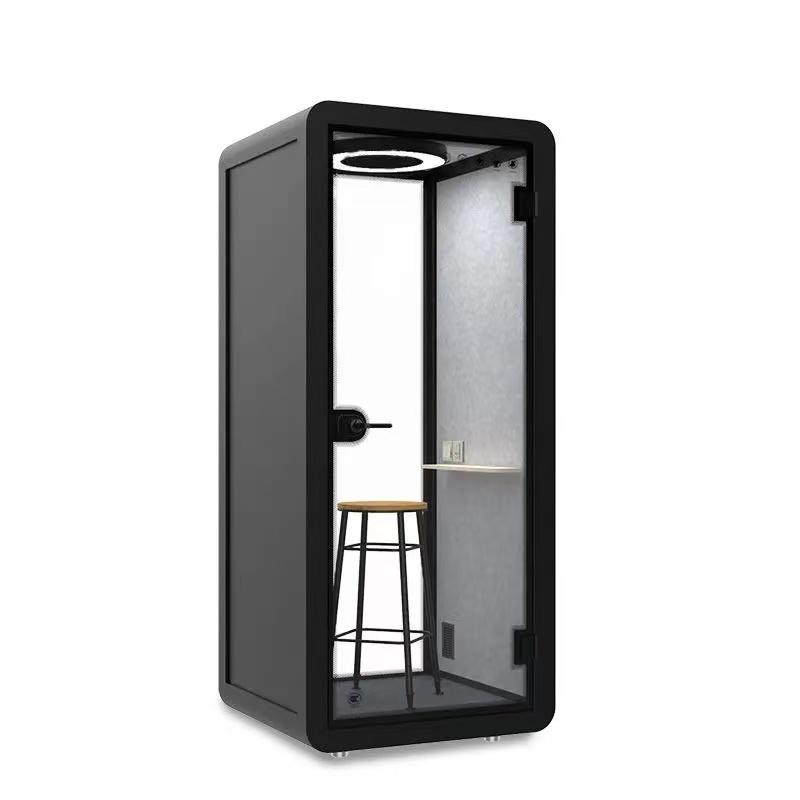
Modularity does not automatically make a pod easy to move. Ask how the selected configuration is delivered, assembled, connected, inspected, and documented. Then ask what happens if the office layout changes: who disconnects services, protects components, supplies replacement consumables, moves the parts, reassembles the unit, and confirms that it is ready for use again.
Route conditions can change the answer. A future location may have different doors, lifts, floor conditions, services, or operating restrictions. Avoid promising repeated relocation without product and contract evidence. Instead, retain component identification, assembly information, current condition, and supplier guidance so a future team can assess the move properly.
Operational flexibility matters too. Can different teams understand availability, adjust the intended controls, use their devices, reset the space, and report faults? A technically movable pod that is difficult to share or support may not provide the workplace flexibility expected from the purchase.
Consider configuration change without relocation. Teams may need a different table, device arrangement, visual treatment, or booking role as work changes. Ask which adjustments are supported, who approves them, and what must be rechecked afterward. Do not assume that a modular enclosure makes every interior change safe or compatible. Retain current component information so future decisions begin from facts.
Compare the pod with the alternatives the workplace could actually choose: retain current behavior, change booking and desk rules, adapt an existing room, undertake construction, or use a different type of enclosure. Define the scope of each option before discussing value. Do not invent productivity gains, payback periods, or construction costs.
For the pod option, separate unit configuration, selected furniture and services, freight, unloading, route protection, assembly, local connections, testing, documentation, and handover. Add operating ownership for booking, cleaning, service, replacement component requests, and any later move. Mark exclusions and allowances in plain language.
The ledger below records acceptable compromises rather than a generic score. A lower-cost configuration may be reasonable if it still clears the privacy stop condition and has a workable support route. A flexible option may justify a different scope if the relocation process is evidenced. The buyer makes the trade, not the adjective.
| Variable | Required outcome | Acceptable compromise | Stop condition | Evidence |
|---|---|---|---|---|
| Privacy | Defined speech, visual, or distraction boundary for the task | Operating or placement condition that users can maintain | The assigned sensitive work remains exposed | Contextual observation and bounded product evidence |
| Flexibility | Installation and future change route is understood | Specialist attendance or new site check is planned | Move or support is assumed without a route | Delivery, assembly, service, and relocation information |
| Cost | Complete responsibility fits the approved project boundary | A named exclusion stays with a capable buyer team | A necessary item has no owner or allowance | Normalized quotation and responsibility map |
| Use | Representative users complete and reset the task | Guidance or booking condition is acceptable | Workarounds defeat the reason for purchase | Pilot observation and issue log |
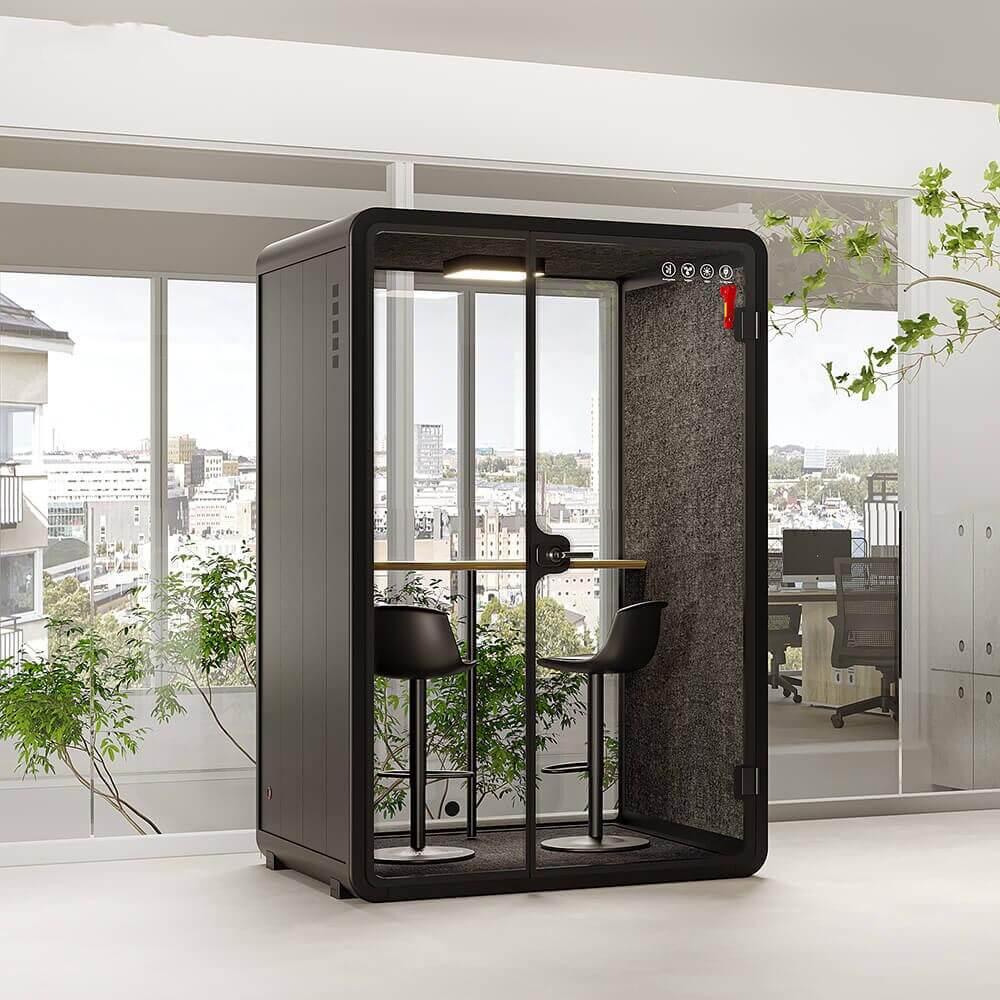
Choose a pilot location that represents the intended demand rather than the easiest showroom condition. Confirm delivery and service feasibility first. Then observe nearby work, circulation, glare, visibility, booking demand, and the tasks users bring into the pod. Keep exceptional events separate from normal use.
Tell users what the pilot is testing and give them a simple way to report a specific issue. Useful observations describe the task, time, occupancy, symptom, workaround, and effect. Avoid surveys that invite broad satisfaction claims without context. Facilities can combine the issue log with direct observation and maintenance records.
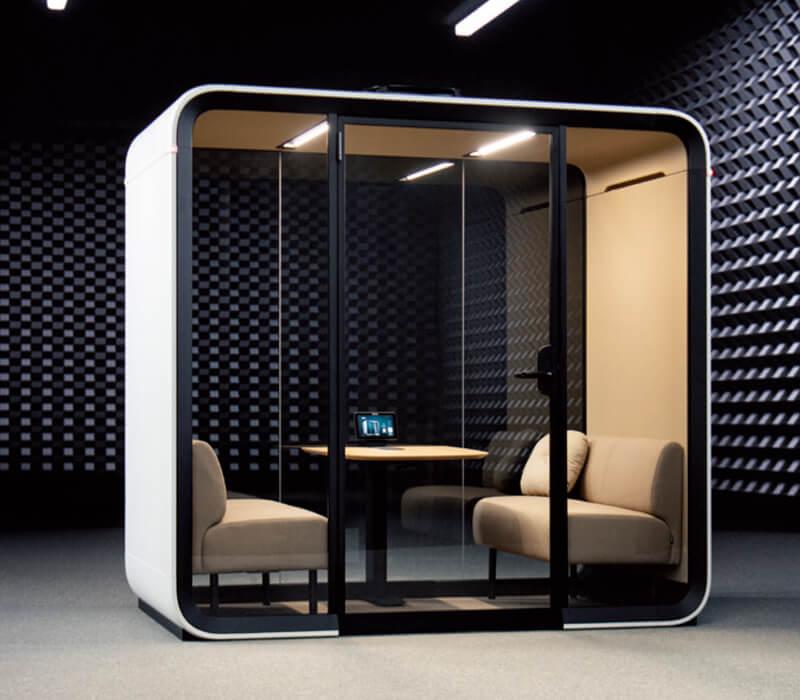
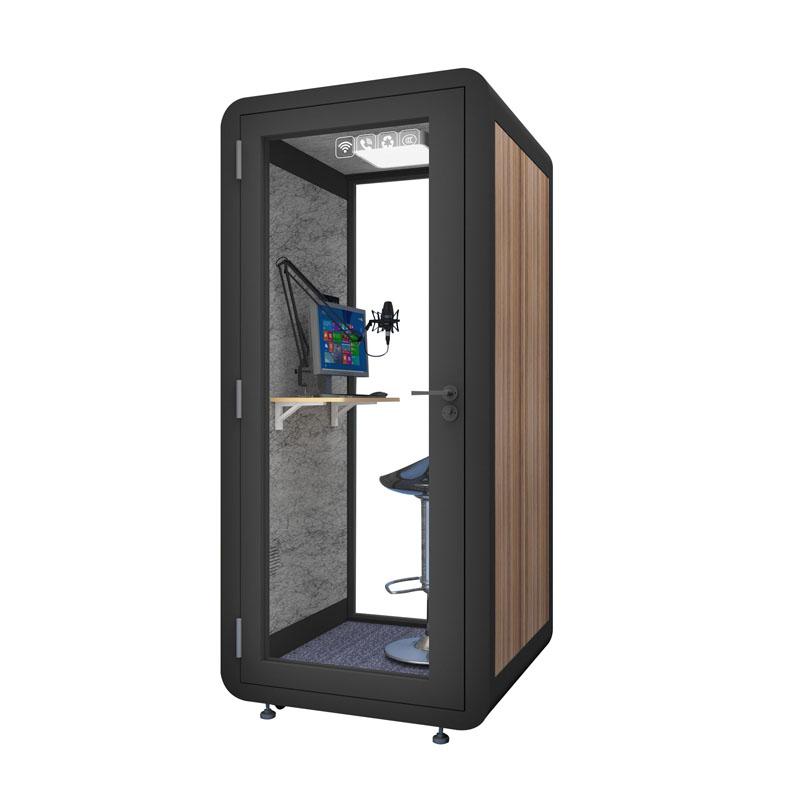
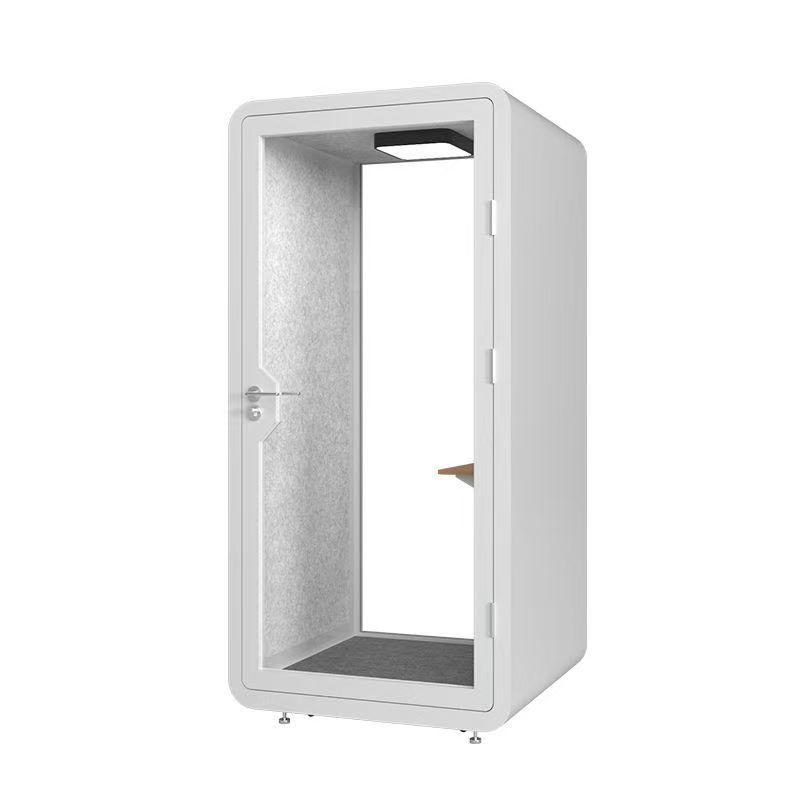
Review the compact privacy pod configuration after enough representative use to see peak demand and routine reset. The pilot does not need an invented success percentage. It needs evidence that the priority task is supported, stop conditions are clear, and operating owners can maintain the required conditions.
Include non-use in the review. If people avoid the pod, find out whether the cause is location, booking, awareness, fit, privacy expectation, occupied condition, or a task that belongs elsewhere. Empty periods are not automatically proof of failure, just as a queue is not automatically proof that more identical units are needed. Interpret behavior against the demand brief and the office schedule.
Read the pilot by task and location. One configuration may suit short calls in an active office, while another area needs a stronger visual boundary or a larger meeting space. Do not average those differences into a single balance score and apply it everywhere. Assign each pod a portfolio role and state what it is not expected to do.
Before adding quantity, close repeated faults, access issues, privacy stop conditions, booking conflicts, cleaning gaps, and service uncertainties. Recheck the affected route after correction. If the organization plans future moves, retain the current configuration and condition so relocation can be assessed rather than assumed.
The scale decision should state the accepted trade-offs, locations, quantity logic, commercial baseline, operating owners, and evidence that remains conditional. This gives later reviewers a reasoned boundary. It also makes it possible to choose a different response when another team’s priorities are not the same.
Treat the next location as a new interface review, even when the product configuration is repeated. Confirm access, services, neighboring activity, privacy positions, circulation, and local ownership. Reusing a proven checklist saves time; copying the previous conclusion does not. The balance can shift when the same pod enters a different part of the building.
Finance should receive the same boundary as facilities. Present the selected configuration, complete project responsibility, known allowances, operating owners, pilot evidence, and conditions for the next release. This supports a funding decision without turning uncertain benefits into a promised return. If the case depends on local room demand or avoided work, label those inputs and keep their source with the approval.
That depends on the task, neighboring positions, selected configuration, placement, speech behavior, screens, and operating conditions. Define the required observation and test it in context. Use a different controlled room when the project’s confidentiality requirement cannot be supported.
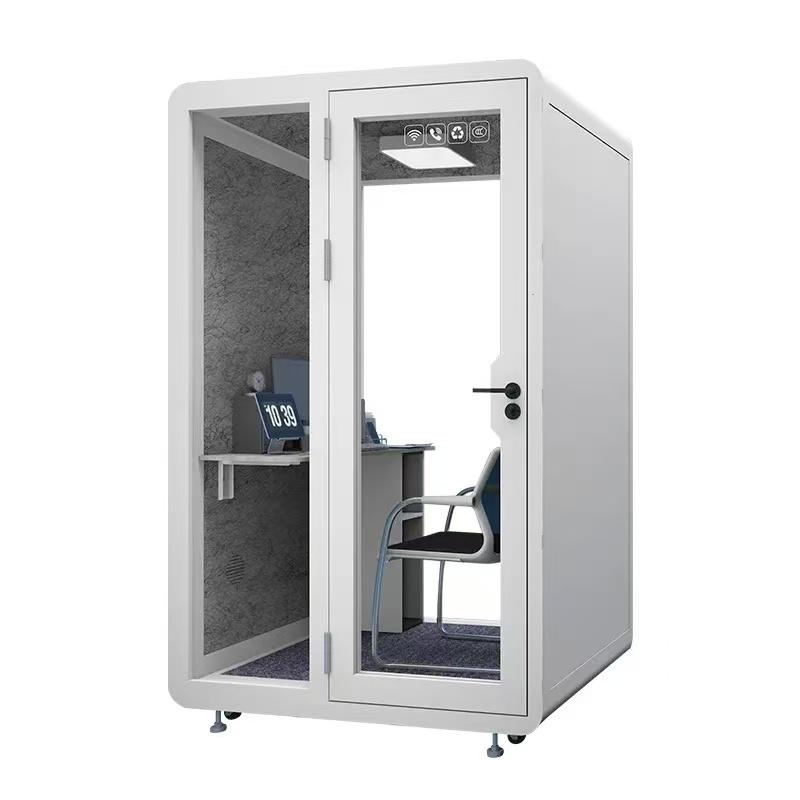
Do not assume so. Confirm disconnection, disassembly, route, protection, parts, labor, reassembly, services, inspection, and contract conditions for the selected product. A future site must be surveyed on its own information.
Compare complete project responsibilities with credible alternatives, then observe whether the priority task is supported without unacceptable workarounds. Keep local cost inputs, exclusions, operating ownership, and uncertainty visible rather than publishing unsupported savings.
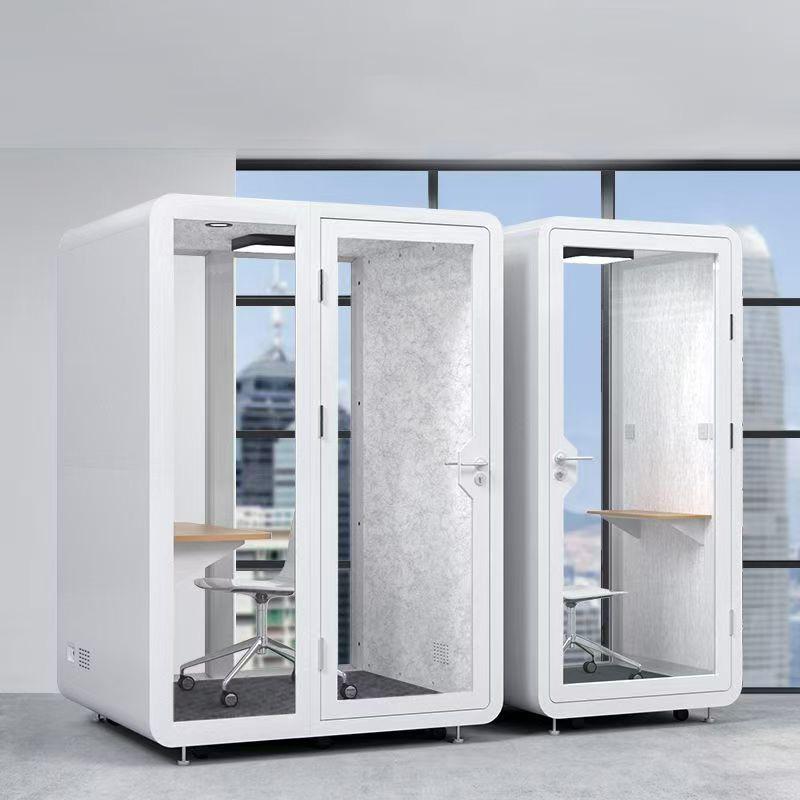
A stop condition may be unresolved speech or visual exposure, unusable access, poor occupied fit, repeated door-open behavior, missing service ownership, an incomplete commercial boundary, or demand that belongs in another space type. Define the project’s conditions before the pilot.
Office cubicle pods can balance privacy, flexibility, and cost only within a defined workplace boundary. The buyer must decide which task matters, which compromise is acceptable, and which failure stops the decision. A product label cannot make those choices on the buyer’s behalf.
Use a representative pilot, retain the trade-off ledger, and scale by portfolio role. That path keeps privacy observations contextual, flexibility evidenced, and cost tied to complete responsibility rather than a headline amount.
When the pilot brief and site conditions are ready, use the existing inquiry form or WhatsApp contact on this page to send the configuration, quantity, location, and open interface questions for review.
Reopen the balance whenever the location, task, configuration, or ownership boundary changes during the pod’s full working service life.

 Tel: +8613538031763
 Email: info@sopworkpod.com
 MP/WhatsApp: +8613538031763
 Manufacturer Address:Liucheng Lujiang District,Meixi Road,Nanan City,Fujian,China