
Need Help?
Please leave your contact information to get our latest catalog
Get In Touch Now >


Author:SOP Work Pods Manufacturer TIME:2026-08-28
The price of office booths and pods changes because the buyer is often comparing different products, project services, and risk allocations under similar labels. A useful budget separates the complete installed scope into layers that can be checked and negotiated without losing the intended workplace outcome.
This cost-stack method starts with use and configuration, then adds evidence, options, logistics, site interfaces, installation, handover, service, and change exposure. Each layer has a distinct question and owner.
Price review should not punish a supplier for naming real work. If one quote includes route protection, assembly, and acceptance while another leaves them blank, the lower number may simply be incomplete. A clean ledger makes both the saving and the risk visible. It also prevents late arguments about who owns work that was never priced, inspected, scheduled, or accepted at handover. Keep provisional allowances separate from firm inclusions so procurement can see which parts of the offer still need confirmation before deposit payment, delivery booking, site preparation, and final sign-off.
For approval, keep supplier pricing language connected to the buyer's own scope sheet. If a cost factor cannot be traced to a product, service, risk, or site condition, it should not drive the award decision.
The price of office booths and pods changes because quotes often include different things. One offer may include delivery, assembly, furniture, lighting, ventilation, and warranty support. Another may show a base enclosure and leave freight, site work, electrical connection, or options outside the number. A buyer cannot compare prices until the scope is normalized.
Ask suppliers to state what is included, excluded, optional, provisional, and buyer-supplied. The useful comparison is not the lowest headline price. It is the lowest acceptable complete scope for the intended work, site, and risk level.
Normalize every quotation to the same configuration, commercial date, delivery assumption, and buyer brief before comparing totals. The opening price line should show what is included, excluded, provisional, or supplied by the buyer so an incomplete offer cannot appear cheaper by omission.
Set a common pricing date and project condition before comparing totals. Currency, tax treatment, quote validity, production assumptions, shipment method, and installation timing can move independently. Keep these commercial conditions beside the technical schedule so an apparently favorable total is not accepted after its validity or delivery assumption has expired.
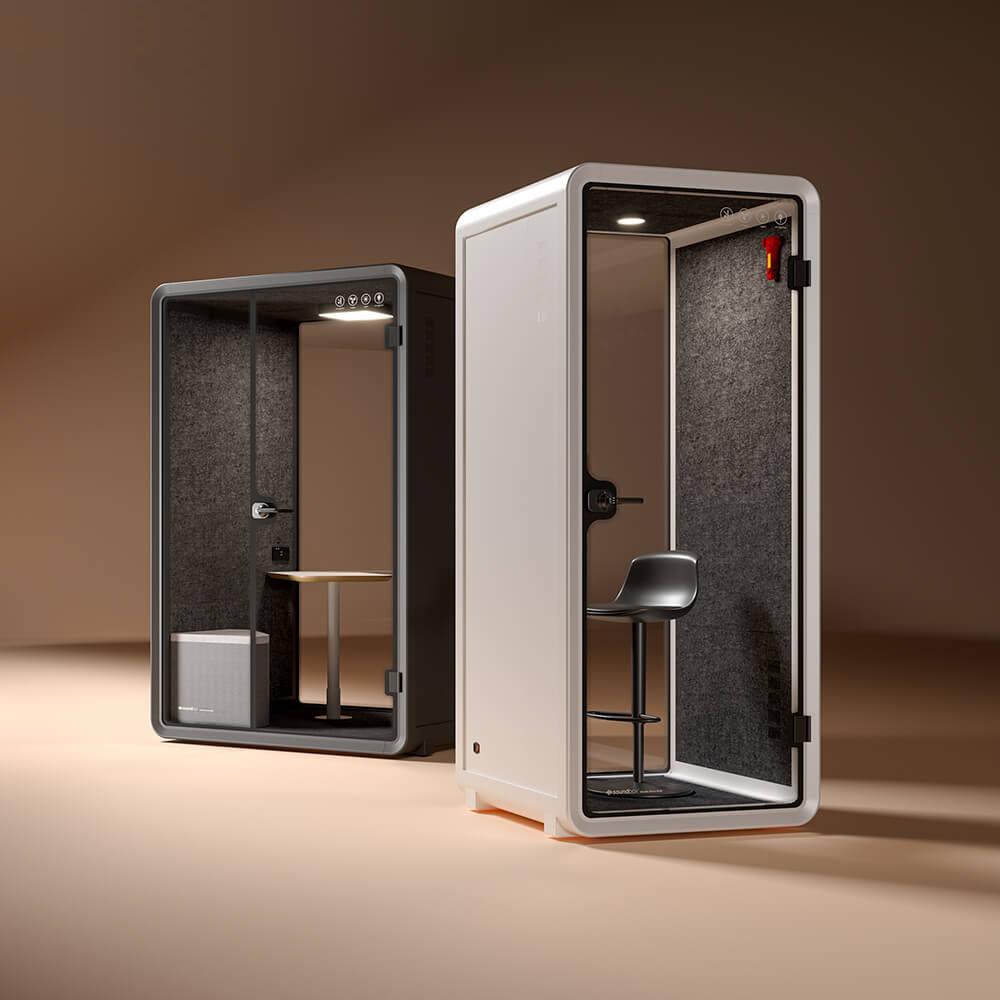
Larger pods use more materials, shipping volume, handling effort, and installation space, but the effect is not purely linear. A four-person unit may require different glass, ventilation, furniture, packaging, or assembly labor than a one-person booth. Capacity should therefore be tied to the user task, not chosen only because the price step appears attractive.
Compare one larger pod with several smaller booths only after checking booking demand and floor-plan constraints. Sometimes multiple small units serve call peaks better than one group pod. Sometimes a larger meeting pod prevents construction work. The price factor depends on the work pattern.
Treat capacity as a cost multiplier across furniture, ventilation, power, packaging, freight, handling, route clearance, assembly effort, and floor preparation. A larger pod may also require different technology and service access, so its price effect cannot be reduced to extra wall material.
A higher-priced pod may include stronger acoustic design, better seals, heavier panels, tested glazing, or more careful ventilation paths. It may also simply include a stronger marketing claim. Request the test method, configuration, and performance context before paying extra for an acoustic label.
If privacy is the main reason for purchase, include a field speech check in the acceptance plan. Paying for acoustic performance makes sense when the evidence matches the offered configuration and the installed unit supports the required speech outcome.
Attach acoustic price premiums to evidence for the exact offered model and operating condition. Compare the assessed object, method, specimen, door and ventilation state, stated limitation, and configuration match before deciding that two differently described performance options justify a commercial difference.

Services are common price drivers. Fan design, lighting quality, controls, power outlets, USB charging, data routing, furniture, and finishes affect daily use. A cheaper booth that becomes hot, dim, noisy, or awkward can create poor adoption and lost value even if the enclosure price is lower.
Ask whether services are standard or optional and who connects them on site. Check voltage, plug type, cable exit, lighting control, fan maintenance, and replacement parts. Service details should be recorded in the quote rather than assumed from product photos.
Review ventilation, lighting, controls, sockets, charging, and data as an occupied service package. The buyer should see which items are standard, which are optional, what site work enables them, who commissions them, and whether maintenance duties change the complete value of the offer.
Use allowances only where the uncertainty is named. An allowance for unloading, electrical work, or local approval should state what information is missing, who will close it, and when the amount becomes fixed. A single contingency percentage cannot reveal which interface is most likely to affect the final cost.
Office pods are bulky and sometimes fragile. Freight, crating, unloading, elevator access, after-hours delivery, lifting, storage, route protection, and waste removal can materially change installed cost. A low factory price may become expensive if the site requires special handling.
Before choosing a supplier, map the route from truck to final position and ask how the product is packaged. If the route is uncertain, request a delivery method and contingency price. This is especially important for upper floors, older buildings, or tight corridors.
Price the route from dispatch through unloading, building entry, lifts or stairs, staging, assembly area, protection, waste removal, and final positioning. A low factory price can lose its advantage when package dimensions, restricted hours, specialist handling, or an unverified access route sit outside the quotation.
Installation may include panel assembly, door alignment, electrical connection, functional checks, cleaning, packaging removal, and user handover. Clarify what the supplier performs, what the buyer arranges, and what requires a qualified trade. If the quote ends at curbside delivery, the buyer carries more coordination risk.
The boundary should be written into the purchase record. Include schedule, access, labor, tools, site preparation, defects, and acceptance criteria. A slightly higher installed offer may be better value when it removes unclear responsibility.
Draw the installation boundary around every interface: floor condition, electrical connection, data, host-room ventilation, permits, protection, assembly, testing, defects, and handover. Assigning each duty reveals whether the supplier has priced a working pod or only delivered components for others to coordinate.
Ownership cost includes maintenance relocation and downtime
Maintenance, cleaning, replacement seals, hinges, fans, lights, power components, upholstery, warranty handling, and downtime belong in the price discussion. Relocation can also matter in flexible offices. Ask whether the pod can move, which parts may need replacement, and what happens to warranty coverage.
Buyers comparing office booths and pods should evaluate lifecycle evidence, not just purchase price. A product with clear service instructions and parts support may reduce future uncertainty.
Model ownership around the buyer's actual operating plan, including cleaning, inspections, filters or other consumables, parts, fault response, unavailable time, relocation labor, storage, and reinstatement. Keep supplier scope separate from buyer assumptions so the lifecycle comparison remains auditable.
| Cost layer | Included scope and allowance | Commercial effect |
|---|---|---|
| 1. Start price analysis with the scope behind the number | price factor ledger | Record the cost factor, supplier inclusion, buyer-supplied item, allowance, and approval impact. Set the evidence threshold before the response is accepted. |
| 2. Size and capacity affect more than material quantity | price factor ledger | Record the cost factor, supplier inclusion, buyer-supplied item, allowance, and approval impact. Assign the reviewer who can check this point in the real location. |
| 3. Acoustic claims influence price only when evidence is comparable | price factor ledger | Record the cost factor, supplier inclusion, buyer-supplied item, allowance, and approval impact. Flag any dependency that changes the quote, drawing, or work method. |
| 4. Ventilation lighting and power can shift the real value | price factor ledger | Record the cost factor, supplier inclusion, buyer-supplied item, allowance, and approval impact. Keep nonnegotiable gates distinct from optional preferences. |
| 5. Freight and site access can reverse a low product price | price factor ledger | Record the cost factor, supplier inclusion, buyer-supplied item, allowance, and approval impact. Keep every provisional amount, exclusion, and buyer-supplied duty visible in the cost stack until its commercial effect is closed. |
Use a price factor ledger before negotiation
A price factor ledger separates base product, options, evidence, freight, installation, site work, services, warranty, and risk. It prevents negotiation from cutting the very items that make the pod usable. Each line should state whether it is fixed, provisional, optional, or buyer-supplied.
Use the ledger to ask targeted questions. If a supplier cannot explain why prices differ, the buyer should treat the difference as unresolved rather than as a saving. Negotiation should protect the acceptance outcome.
Negotiate from the factor ledger rather than from a single discount target. Freeze mandatory scope, challenge unsupported allowances, price accepted exclusions, preserve the effect of removed options, and reconcile every commercial change with the current configuration and site plan before approving the final total.
Preserve the rejected options and reasons. If a team removes a display, upgraded finish, spare component, service visit, or relocation support, the decision log should show the saving and the capability or risk transferred to the buyer. That record is useful when stakeholders later ask why two offices paid different totals.
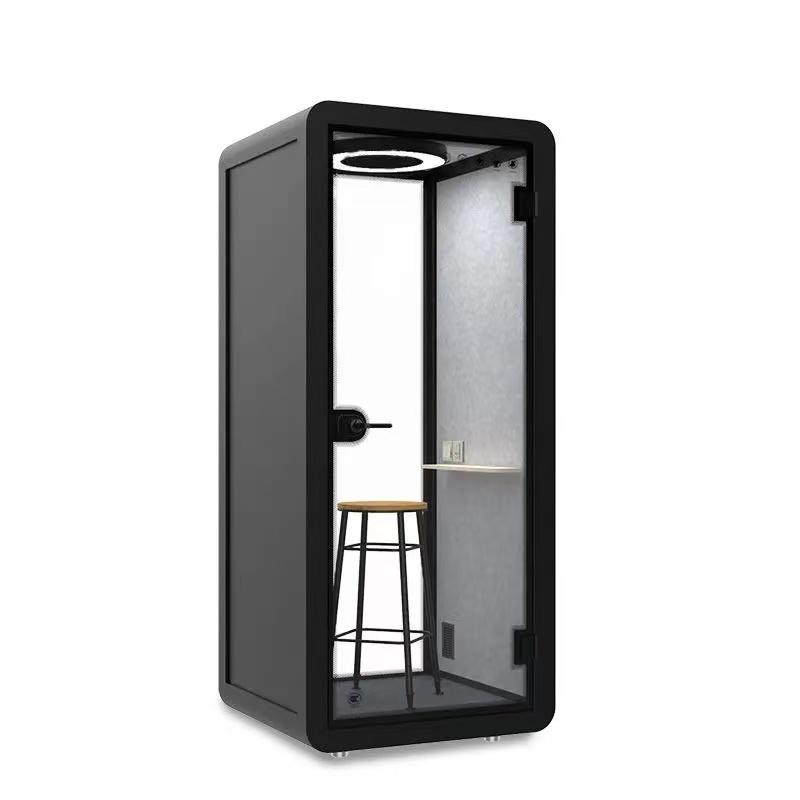
They vary because size, services, acoustic build, furniture, freight, installation, warranty, and evidence scope differ. Compare complete scopes.
Only if it passes the same privacy, comfort, site, service, and responsibility gates as the alternatives. A low incomplete quote is not a saving.
It can, but the buyer then needs a separate installation plan, qualified labor where required, acceptance checks, and responsibility for coordination.
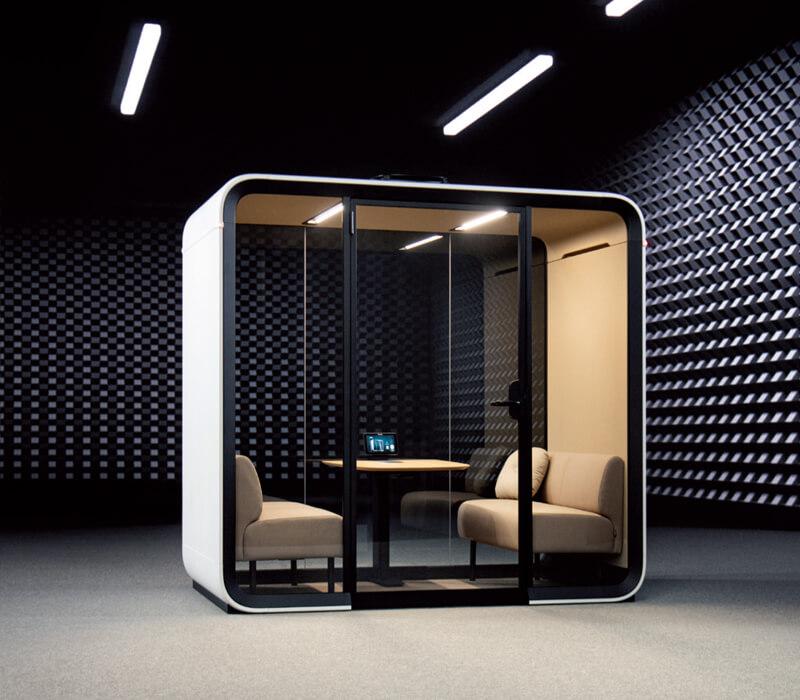
Negotiate after the scope ledger is complete. Protect mandatory evidence, services, delivery conditions, warranty, and acceptance requirements.
Compare lifecycle scenarios before final negotiation. Estimate the responsibilities created by routine inspection, cleaning, filters or other consumables, fault response, replacement parts, downtime, relocation, storage, and reinstatement. Do not invent a universal ownership cost; ask each supplier to define scope and evidence so the buyer can model its own operating assumptions.
Close price questions in the same place as technical questions. When a dimension, finish, service point, certificate, route, or installation duty changes, update the commercial ledger and configuration schedule together. This prevents the approved total from referring to an earlier design while the team believes it covers the current one.
At final approval, reconcile the total against the ten cost layers and mark each line fixed, provisional, excluded, or buyer-supplied. Record the basis and close-out date for every provisional amount. Procurement should be able to explain the complete expected project cost without adding unpriced assumptions after the supplier order is issued.
Retain a version number across the requirement, configuration, route plan, cost stack, and approval. A clear revision link helps reviewers detect when one document changes without the others and reduces the risk of pricing, manufacturing, or site preparation proceeding from conflicting information.
Office booth and pod prices become comparable when configuration, evidence, project work, ownership, and uncertainty are separated into visible cost layers. A lower figure is not a saving if required work has merely moved outside the supplier's scope.
Approve the stack whose assumptions can be closed and whose total still supports the defined use, site, delivery route, acceptance method, and lifecycle plan.



 Tel: +8613538031763
 Email: info@sopworkpod.com
 MP/WhatsApp: +8613538031763
 Manufacturer Address:Liucheng Lujiang District,Meixi Road,Nanan City,Fujian,China