Need Help?
Please leave your contact information to get our latest catalog
Get In Touch Now >


Author:SOP Work Pods Manufacturer TIME:2026-08-28
Productivity is too broad to prove by installing a booth and asking whether people like it. A more credible review follows a specific interruption through the workday. It records what triggered the call or concentration task, where the person went, what nearby colleagues experienced, how long setup took, whether the task was completed, and what happened when the booth was occupied or unsuitable.
Acoustic Phone Booths may change that chain by moving speech away from open desks and giving a user a defined place for a call. They may also introduce walking, waiting, booking, device setup, thermal discomfort or a new interruption at the door. Those effects have to be observed together. Otherwise a quieter moment can be mistaken for a measured improvement in total work.
This notebook uses a before-during-after method. It keeps the productivity claim bounded to visible workflow changes and treats acoustic behavior, privacy, occupied comfort and adoption as connected observations. It does not invent output percentages or assume that every focused task belongs inside a compact booth.
Document the existing call workflow before installation
This point opens the workday trace notebook by isolating "Document the existing call workflow before installation" from the rest of the purchase decision. Follow call triggers, desk behavior, search for space, delays, fallback rooms, exposed speech, interruptions, device setup, call completion, and return to the prior task. The baseline route record keeps acoustic phone booth productivity in open offices tied to the article's specific buyer decision. Within the interruption chain review: keep the finding attached to the quoted configuration and the stated use; it is not authority for another model or floor.
The interruption chain review uses a distinct method here: begin with a bounded observation and keep the original context attached to the result. Observe representative call types across relevant office conditions and retain task, time, location, surrounding activity, user response, and unresolved effect. This makes a missing baseline making every later change look beneficial visible while there is still time to clarify scope or correct the plan.
The release output for document the existing call workflow before installation is a written decision to approve a bounded call-workflow baseline. In the workday trace notebook: the file should show context, source, date, limitation and the person who can close the next action.
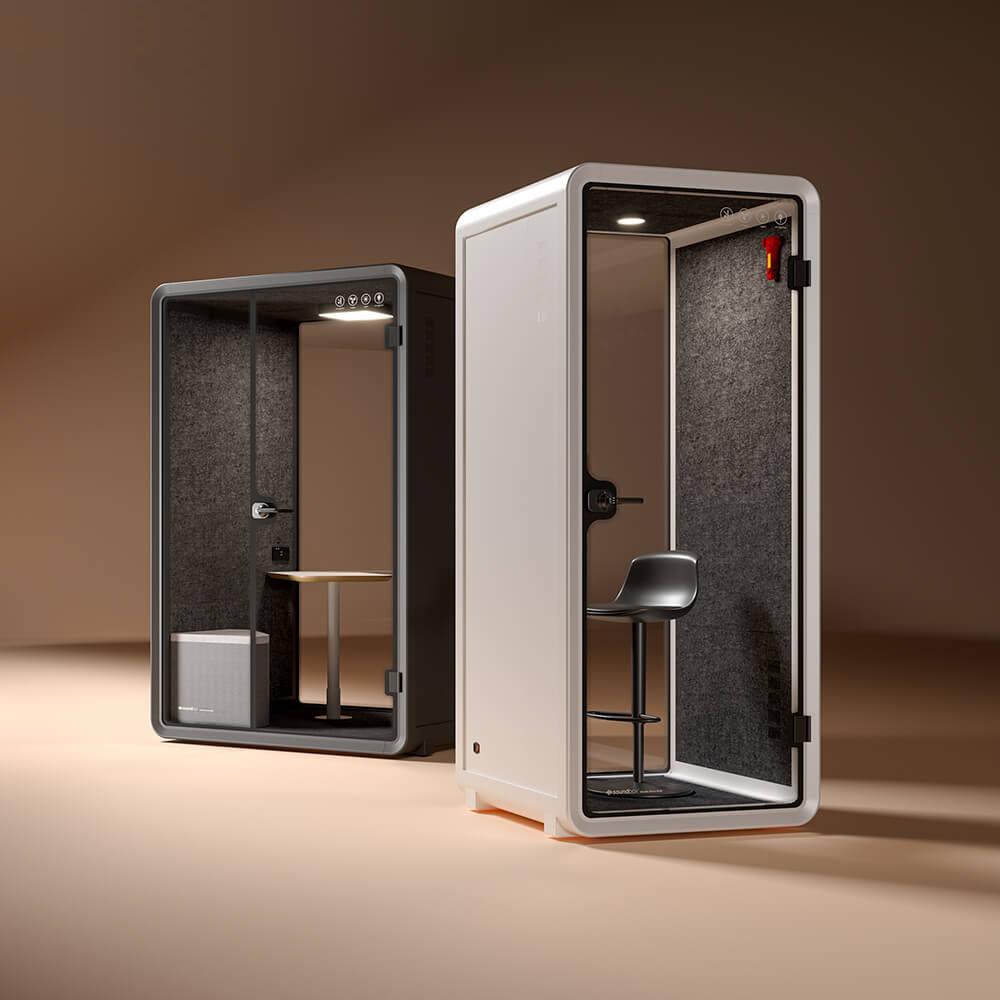
The next entry asks a narrower question: what does "State the single workflow change expected from the booth" mean in this workplace? Choose a testable route such as moving sensitive calls, reducing desk speech exposure, shortening the search for private space, or supporting reliable short video calls. The change hypothesis record keeps acoustic phone booth productivity in open offices tied to the article's specific buyer decision. Within the interruption chain review: record the exclusion beside the accepted use so later readers do not expand the conclusion by shorthand.
The interruption chain review uses a distinct method here: use a representative task rather than a demonstration arranged around the product. Link the proposed change to the baseline and identify the user group, call type, location, operating rule, and observation that would support or challenge it. This makes several vague benefits preventing a clear decision visible while there is still time to clarify scope or correct the plan.
The release output for state the single workflow change expected from the booth is a written decision to release one primary change hypothesis. In the workday trace notebook: write the observation, the failed alternative and the release condition on the same record line.
| Moment | What the reviewer records | Decision use |
|---|---|---|
| Before entry | Task trigger, nearby speech, available alternatives, walk and wait | Shows whether the booth addresses a repeated interruption |
| Setup | Door, seat, laptop, call platform, power, lighting and controls | Exposes friction that can offset the intended benefit |
| Occupied task | Speech route, listener positions, privacy, posture, airflow and duration | Defines which calls or focus periods are supportable |
| Exit and reset | Task completion, open items, belongings, cleaning need and next-user readiness | Tests whether the service works across consecutive users |
| Unavailable booth | Fallback used and consequence of waiting or relocating | Prevents selective evidence from a single successful use |
Here the reviewer leaves the brochure and follows "Verify acoustic paths in the final booth position" through the proposed site condition. Review door, seals, glazing, panels, floor and ceiling interfaces, ventilation paths, fan sound, penetrations, speaker position, nearby reflective surfaces, and open-office activity. The installed acoustics record keeps acoustic phone booth productivity in open offices tied to the article's specific buyer decision. Within the interruption chain review: a site-dependent result remains conditional until the final position and enabling work match the reviewed condition.
The interruption chain review uses a distinct method here: walk the route with the people who own the site, technology and daily operation. Use normal speech and devices while listeners occupy mapped positions inside and outside the installed booth under ordinary operation. This makes catalog or showroom evidence replacing the field condition visible while there is still time to clarify scope or correct the plan.
The release output for verify acoustic paths in the final booth position is a written decision to define the installed acoustic boundary. In the workday trace notebook: attach the route owner, applicable document, open dependency and consequence of leaving it unresolved.
At this stage, "Check speech and screen privacy through the complete call" becomes an occupied-use question rather than a product label. Map approaches, queues, waiting points, nearby desks, corridors, glazing views, screens, documents, entry and exit behavior, door state, and conversations before and after enclosure use. The privacy route record keeps acoustic phone booth productivity in open offices tied to the article's specific buyer decision. Within the interruption chain review: the occupied result applies only to the tested duration, devices, user pattern and surrounding activity.
The interruption chain review uses a distinct method here: rehearse the normal condition long enough for setup and comfort limits to appear. Rehearse a sensitive but non-confidential test call and observe auditory and visual exposure along the full user route. This makes privacy inside the booth hiding exposure at arrival or departure visible while there is still time to clarify scope or correct the plan.
The release output for check speech and screen privacy through the complete call is a written decision to release an end-to-end privacy route. In the workday trace notebook: keep normal and adverse observations together, including setup friction and early exit where they occur.
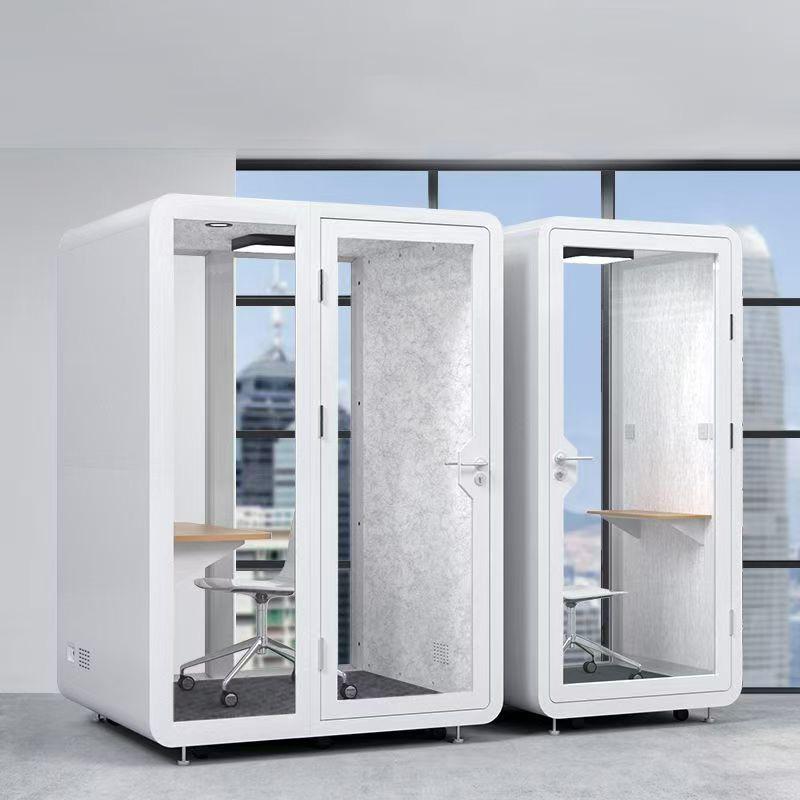
Confirm that users can complete assigned calls comfortably
The file then tests "Confirm that users can complete assigned calls comfortably" against responsibility, constraints and contrary observations. Assess entry, posture, work surface, device placement, camera framing, lighting, glare, airflow, temperature perception, fan sound, controls, cable reach, duration, and exit. The occupied use record keeps acoustic phone booth productivity in open offices tied to the article's specific buyer decision. Within the interruption chain review: any supplier exclusion, provisional item or buyer-provided service remains part of the decision, not a footnote.
The interruption chain review uses a distinct method here: compare the offered scope with the buyer's requirement line by line. Run representative calls to their normal duration with intended users and record control use, discomfort, open-door behavior, setup errors, and early exit. This makes an acoustically useful booth being abandoned during real calls visible while there is still time to clarify scope or correct the plan.
The release output for confirm that users can complete assigned calls comfortably is a written decision to set the occupied configuration and use limit. In the workday trace notebook: state what is included, excluded, provisional and buyer-supplied before a price comparison is released.
After the workday trace is defined, the acoustic phone booth range can provide configuration context for the trial.
Commercial approval reaches "Observe adoption without confusing novelty with value" only after the earlier use and site questions are stable. Review discovery, availability, booking or walk-up behavior, failed attempts, call migration, misuse, queues, etiquette, user guidance, cleaning, faults, and the availability of fallback spaces. The adoption record keeps acoustic phone booth productivity in open offices tied to the article's specific buyer decision. Within the interruption chain review: name the owner and fallback before describing this part of the offer as an operational advantage.
The interruption chain review uses a distinct method here: ask the responsible team to show how the service works when the preferred condition is unavailable. Compare repeated observations after initial familiarization with the baseline while preserving team occupancy, schedule, and policy context. This makes early curiosity producing an unstable transformation story visible while there is still time to clarify scope or correct the plan.
The release output for observe adoption without confusing novelty with value is a written decision to identify the behavior that persists after familiarization. In the workday trace notebook: add the service owner, response route, available fallback and evidence needed after correction.
The final operating entry turns "Decide what to retain correct relocate or stop" into a condition that can be accepted, corrected or rejected. Bring together baseline, change hypothesis, installed boundary, privacy route, occupied use, adoption, site work, maintenance, costs, unresolved evidence, and alternative explanations. The decision review record keeps acoustic phone booth productivity in open offices tied to the article's specific buyer decision. Within the interruption chain review: preserve the correction and retest trigger because acceptance can change when a material condition changes.
The interruption chain review uses a distinct method here: close the record in a cross-functional review, leaving every unresolved dependency visible. Hold a review with workplace, facilities, users, and supplier owners, assigning each finding an action, evidence need, due point, and decision effect. This makes observations being collected without changing the workplace decision visible while there is still time to clarify scope or correct the plan.
The release output for decide what to retain correct relocate or stop is a written decision to close the study with a bounded action decision. In the workday trace notebook: finish with an explicit accept, correct, retest or reject state and a trigger for later review.
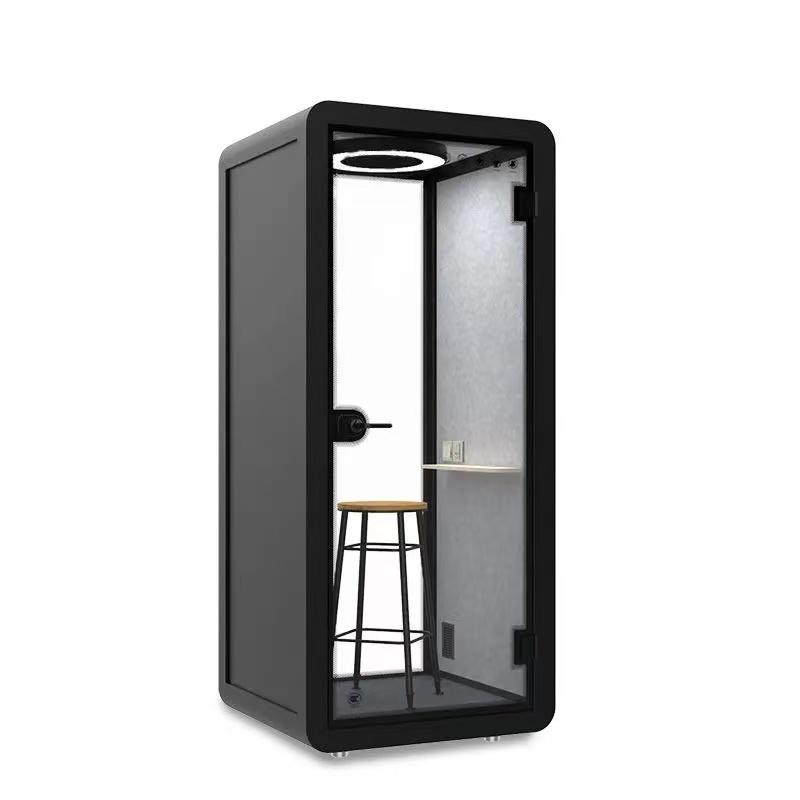
Start with the boundary that the decision must preserve. Observe representative call types across relevant office conditions and retain task, time, location, surrounding activity, user response, and unresolved effect. Compare it with this baseline condition: Follow call triggers, desk behavior, search for space, delays, fallback rooms, exposed speech, interruptions, device setup, call completion, and return to the prior task. Avoid a transformation claim while a missing baseline making every later change look beneficial remains a plausible explanation.
Use the evidence route that matches this question, not a general product benefit. Link the proposed change to the baseline and identify the user group, call type, location, operating rule, and observation that would support or challenge it. Compare it with this baseline condition: Choose a testable route such as moving sensitive calls, reducing desk speech exposure, shortening the search for private space, or supporting reliable short video calls. Avoid a transformation claim while several vague benefits preventing a clear decision remains a plausible explanation.
Treat this as a release condition for the stated task and location. Use normal speech and devices while listeners occupy mapped positions inside and outside the installed booth under ordinary operation. Compare it with this baseline condition: Review door, seals, glazing, panels, floor and ceiling interfaces, ventilation paths, fan sound, penetrations, speaker position, nearby reflective surfaces, and open-office activity. Avoid a transformation claim while catalog or showroom evidence replacing the field condition remains a plausible explanation.
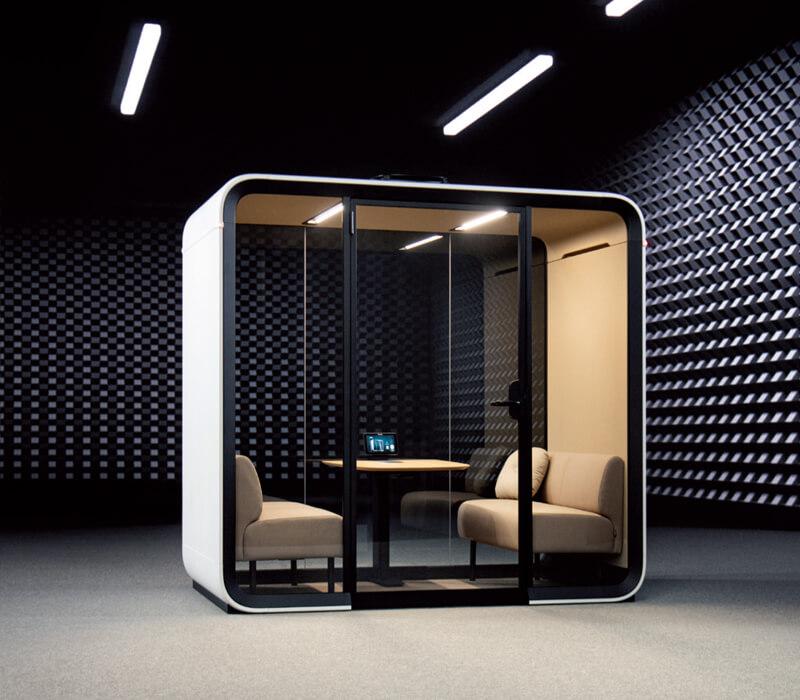
Keep the answer provisional until the relevant owner can show the required record. Rehearse a sensitive but non-confidential test call and observe auditory and visual exposure along the full user route. Compare it with this baseline condition: Map approaches, queues, waiting points, nearby desks, corridors, glazing views, screens, documents, entry and exit behavior, door state, and conversations before and after enclosure use. Avoid a transformation claim while privacy inside the booth hiding exposure at arrival or departure remains a plausible explanation.
Acoustic Phone Booths can transform an office only in the limited sense that an observed work route changes for the better. The review should show fewer exposed calls or a more reliable place for a defined task without hiding access friction, unsuitable use, comfort limits or displaced problems elsewhere on the floor.
Retain, relocate, reconfigure or stop the trial from that workday evidence. Avoid converting a positive demonstration into a claim of maximum productivity; the defensible outcome is a workflow change that the office can see and repeat.

 Tel: +8613538031763
 Email: info@sopworkpod.com
 MP/WhatsApp: +8613538031763
 Manufacturer Address:Liucheng Lujiang District,Meixi Road,Nanan City,Fujian,China