Need Help?
Please leave your contact information to get our latest catalog
Get In Touch Now >


Author:SOP Work Pods Manufacturer TIME:2026-08-28
On a marked-up office plan, cubicles, enclosed rooms, open collaboration areas, and modular office pods often appear as competing generations. That picture is misleading. Each format controls a different mix of sightlines, speech, interruption, group size, services, permanence, and operating effort. The workplace has evolved when the work pattern changes, not when one shape of furniture replaces another.
A useful review begins with triggers: more individual calls, different attendance peaks, confidential tasks, hybrid meetings, pressure on enclosed rooms, shorter leases, frequent team moves, or changed technology. It then asks which existing settings still perform, which can be adjusted, and which gap remains. Historical sequence matters less than the present evidence for keeping, changing, or retiring each setting.
Modular office pods can fill part of that gap, but they introduce their own route, power, ventilation, booking, cleaning, maintenance, and relocation duties. Treating them as the inevitable endpoint of workplace privacy hides those responsibilities. The output here is a portfolio transition register that preserves useful cubicles and rooms while giving pods a precise, testable assignment.
Separate recurring work from temporary disruption. A short renovation, seasonal project, new-team onboarding period, and stable call pattern do not justify the same response. Note the task, frequency, duration, participants, devices, privacy boundary, location, failed alternative, and consequence. This creates a demand picture that can be checked against every format instead of favoring the newest option.
The first decision is whether the work system has changed enough to reopen the space portfolio. If existing settings still handle the observed tasks, retain them. If the evidence shows a narrow failure, define that failure before selecting a product. A clear trigger prevents modernization language from becoming a reason to discard useful capacity.
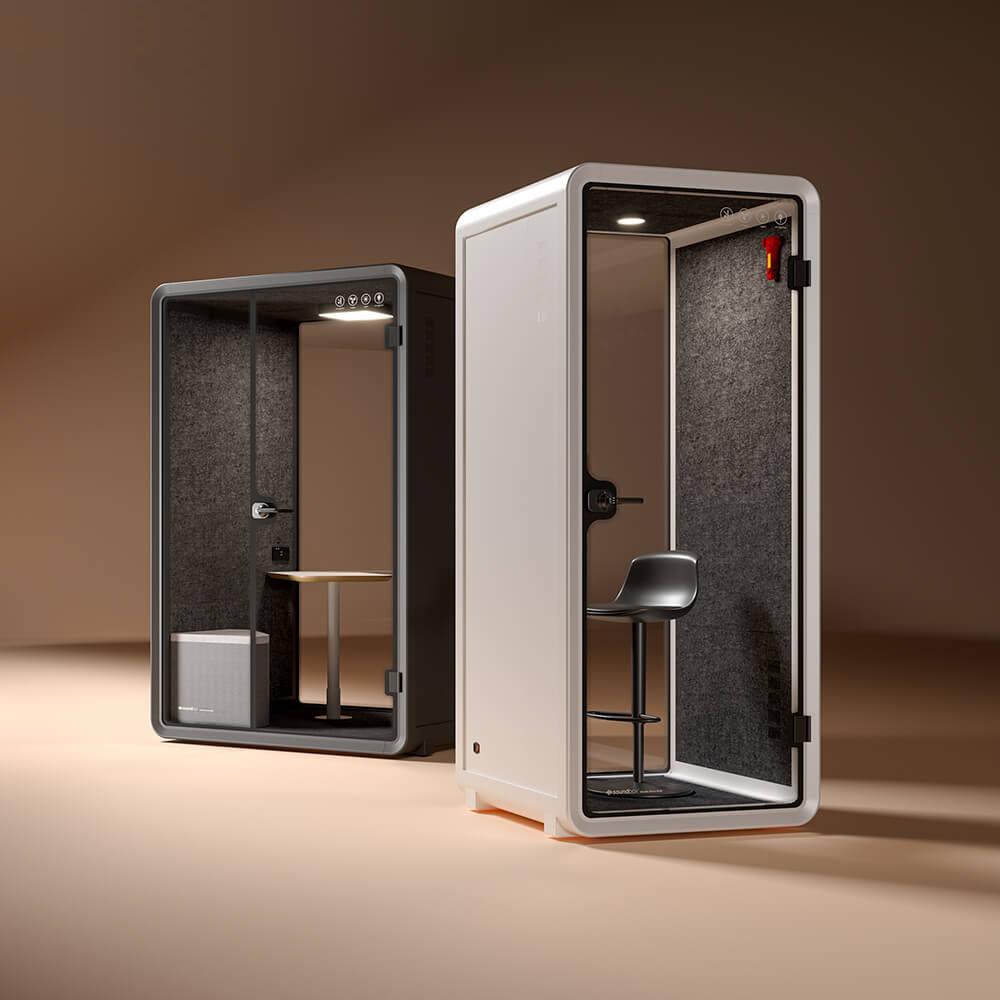
Cubicles may remain effective for individual desk work that needs visual separation, personal organization, and reduced interruption without full speech enclosure. Review panel height and orientation, desk position, circulation, neighboring activity, screen visibility, lighting, storage, and team communication. The relevant question is not whether cubicles are old. It is whether their boundary matches the current task.
Identify failures honestly. Panels do not create a complete acoustic room, and a desk-based setting may expose calls or force colleagues to manage noise through behavior alone. Before replacing the format, test reasonable changes such as zoning compatible activities, moving high-call roles, adjusting layouts, providing alternative call locations, or changing team routines. Record where those measures work and where they transfer the problem.
A keep decision should include conditions. Name the tasks accepted at the cubicle, the privacy limitations users must understand, nearby activities that are compatible, and the alternative for work requiring stronger enclosure. This makes the retained format part of a deliberate portfolio rather than leftover furniture that users must interpret for themselves.
| Setting | Current pressure | Keep or change test | Evidence needed |
|---|---|---|---|
| Open desk or bench | Calls, interruption, visible screens, or activity conflict | Keep for compatible work; route higher-boundary tasks elsewhere | Observed task, neighboring activity, user route, and fallback |
| Cubicle | Partial boundary no longer matches speech or visual demand | Adjust zoning or layout before retiring useful desk capacity | Panel and desk condition, task fit, failed adjustment, accepted limitation |
| Conventional room | Large rooms absorbed by small calls or unavailable for groups | Protect room capability while correcting booking and equipment causes | Occupancy, activity, technology, search failure, and use pattern |
| Modular pod | A repeatable middle-zone task remains unresolved | Pilot the complete installed configuration and operating route | Site, occupied use, privacy, devices, service ownership, and non-use |
| Portfolio rule | Users choose settings by habit or availability alone | Publish allocation and review triggers across all formats | Accepted tasks, exclusions, fallback, owner, and change signal |
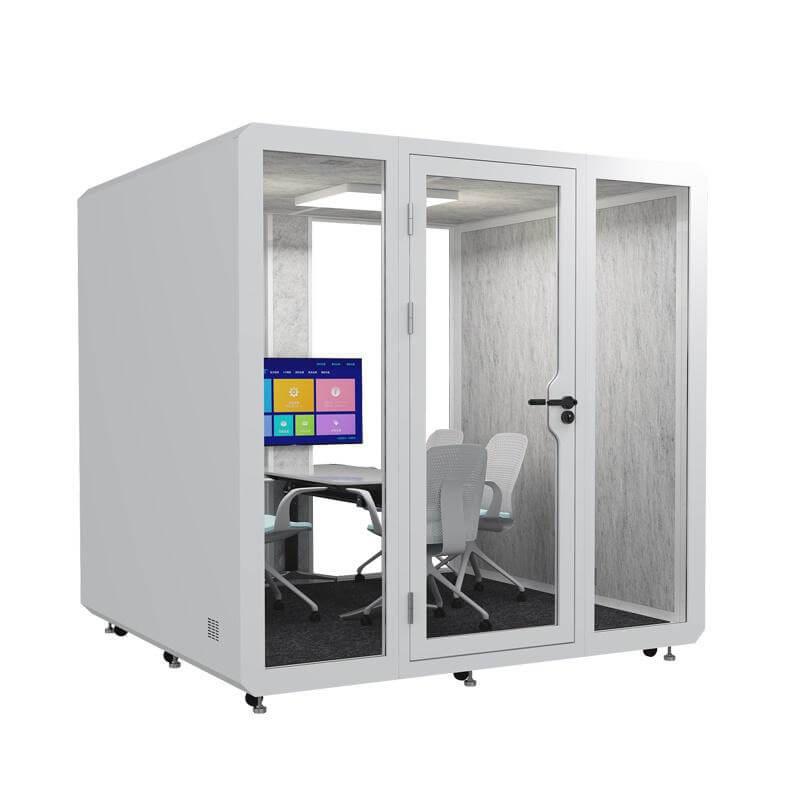
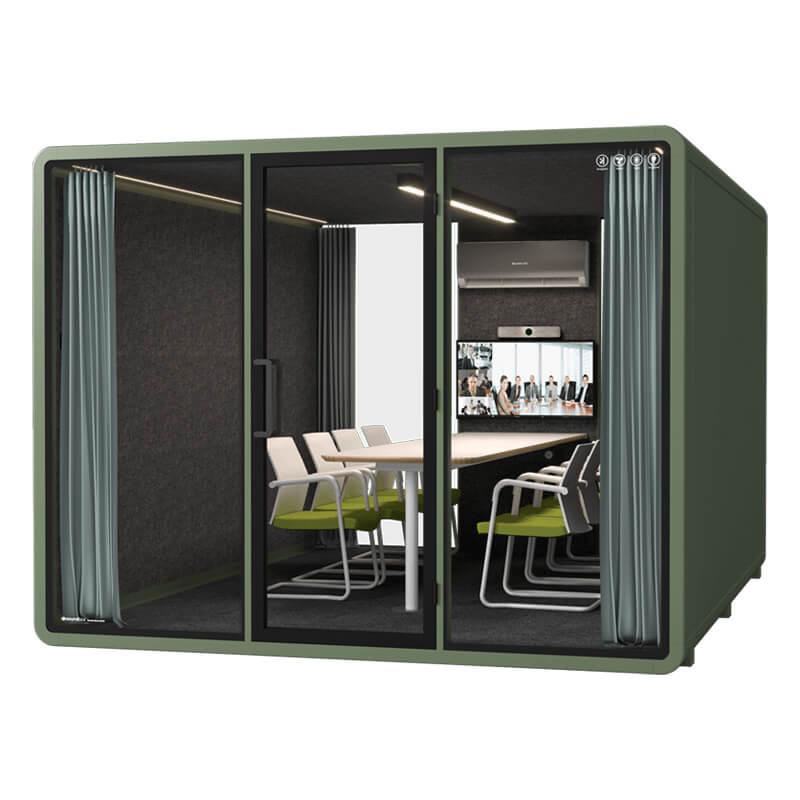
Enclosed rooms can support group interaction, larger displays, extensive table space, visitor meetings, shared documents, and technology that a compact pod may not accommodate. They also carry building, scheduling, and service implications. Evaluate the room by the work it enables, not merely by its stronger physical boundary. A room that hosts several people well should not be judged only by how often one person occupies it.
Preserve rooms with a defined role and correct the operating causes that undermine them. Note accepted occupancies, activities, equipment, privacy needs, availability rules, and fallback. Pods should not be credited with replacing room functions that were never tested in the offered configuration.
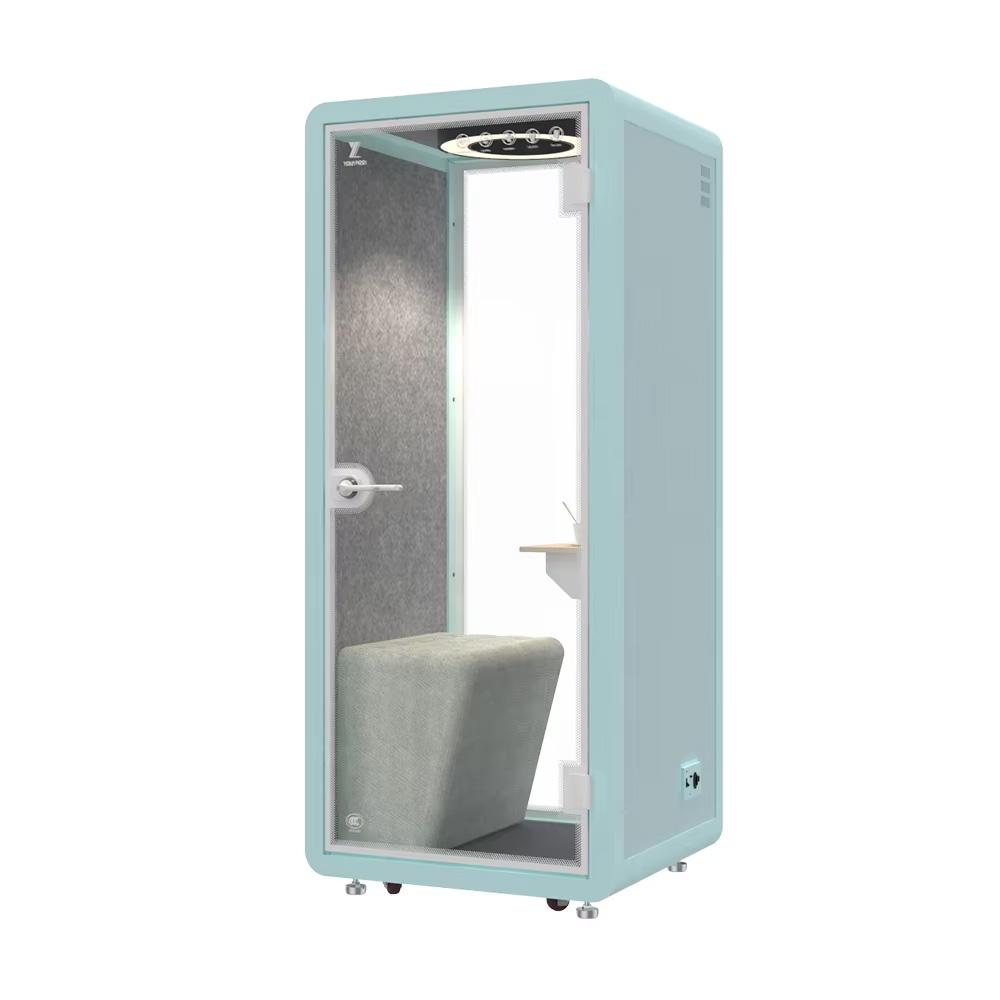
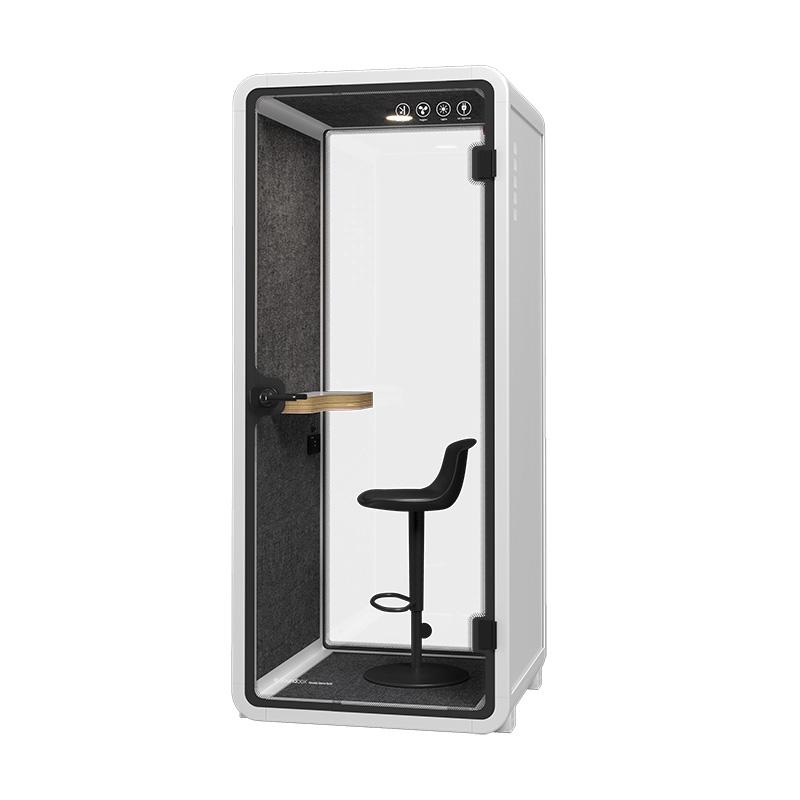
The strongest pod case often sits between an open workstation and a conventional room. Examples may include individual calls, focused conversations, short video sessions, or compact meetings whose privacy and equipment needs exceed a desk but do not require a larger room. Define that middle zone through task evidence, concurrency, location, session length, devices, sightlines, speech paths, and alternative availability.
Inspect the complete offered pod and site. Delivery route, assembly clearance, power, data, ventilation interaction, occupied comfort, door operation, lighting, furniture, cleaning, fault response, and maintenance all shape the usable assignment. Flexibility remains conditional on component design, service isolation, handling, destination access, replacement parts, and recommissioning. Do not trade a construction assumption for an equally vague modularity assumption.
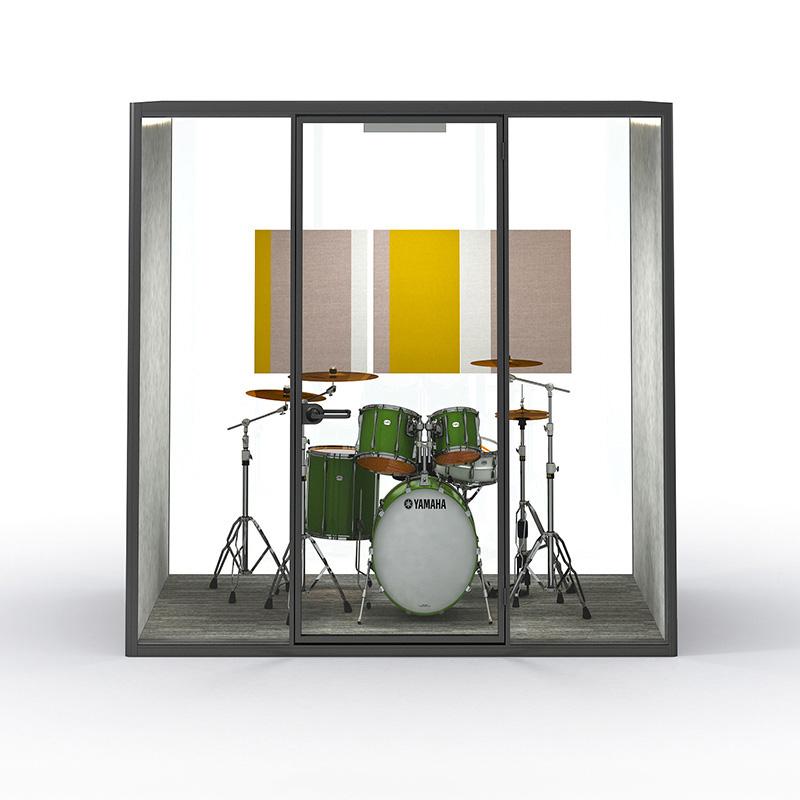
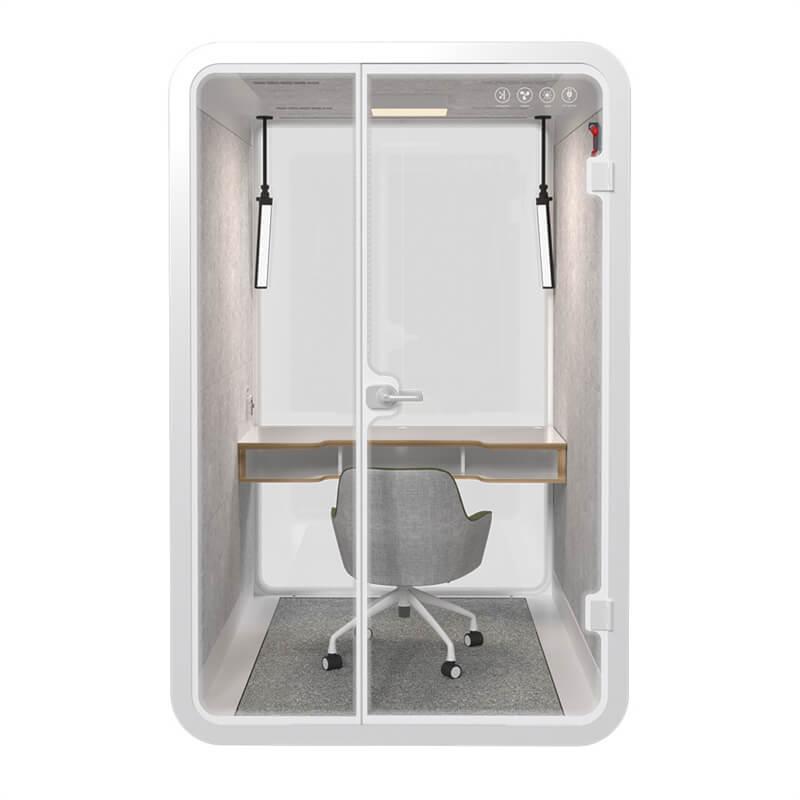
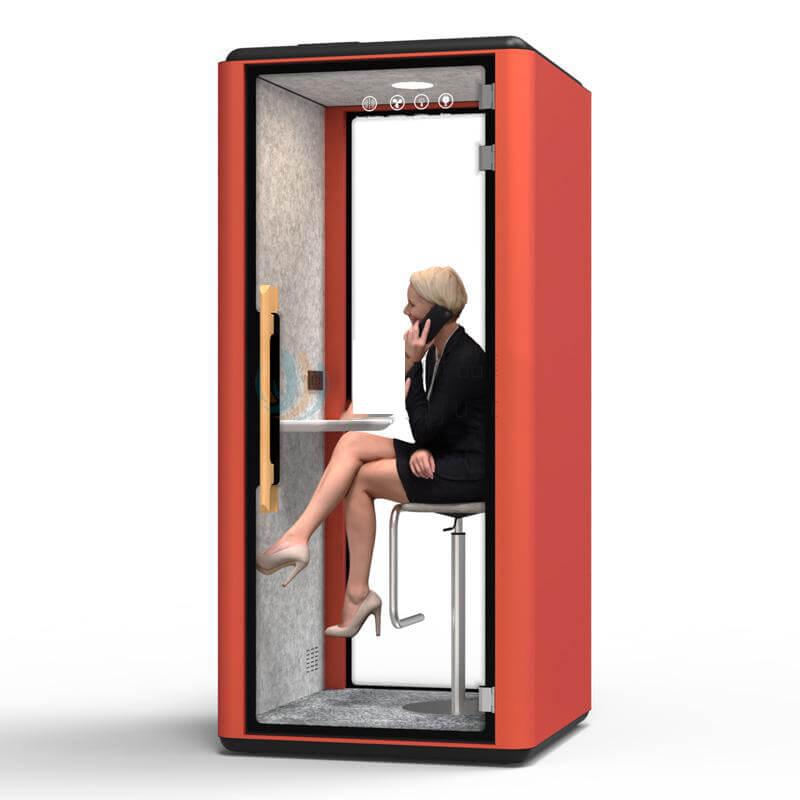
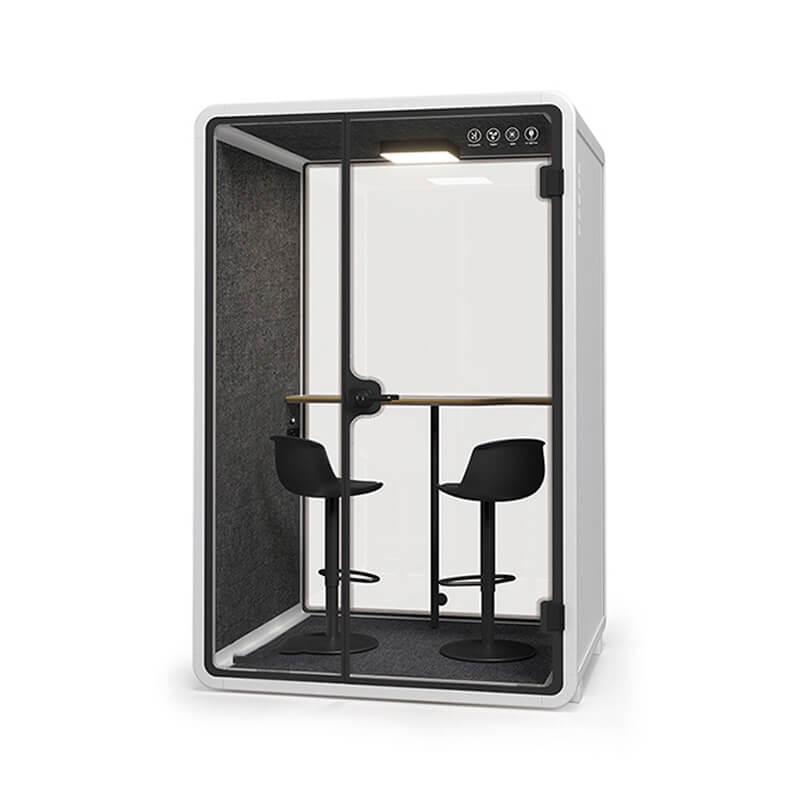
Run representative tasks before setting the role. Include ordinary office activity around the proposed location and keep non-use, queues, early exits, device problems, and privacy concerns in the record. After the gap and configuration are stable, the modular office pod range can help compare product options without turning the portfolio decision into a catalogue exercise.
A transition succeeds when users know where each task belongs and operating teams can support every setting. Publish a simple allocation covering desks, cubicles, pods, small rooms, larger rooms, remote work where applicable, and fallback. Pair the allocation with booking or walk-up rules, labels, expected session behavior, cleaning, technology support, fault reporting, and a route for tasks that do not fit.
Sequence the change so the office never loses a necessary privacy route. A pilot area can reveal whether room pressure shifts as expected before cubicles are removed or rooms are reassigned. Record temporary conditions, move dates, affected teams, communication, and the point at which the earlier layout can no longer be restored easily. Transition risk belongs in the portfolio decision, not only in a project schedule.
Assign ownership by format. Facilities may maintain physical settings, IT may own call equipment, workplace teams may manage allocation, and managers may reinforce task rules. The exact arrangement is local, but every accepted channel needs a fault route and a person who can change its assignment. Otherwise users absorb the unresolved boundary through informal workarounds.
Keep the transition reversible where practical. Record what was kept, changed, added, or retired and why. A mixed portfolio is not indecision; it is a way to match different privacy boundaries to different work. The governing record should make each choice legible to facilities, workplace teams, IT, managers, and users.
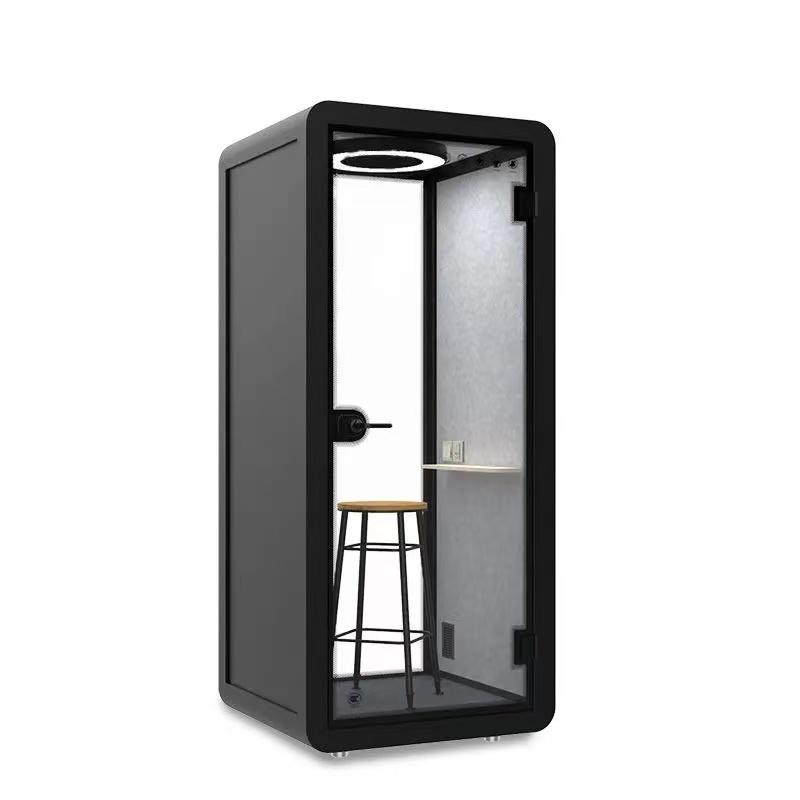
They usually create a different physical boundary, but the useful privacy result depends on the complete pod, door use, joints, glazing, service openings, source and listener positions, surrounding activity, and whether the decision concerns audibility, intelligibility, or visual exposure. A cubicle and a pod should be compared against the same task rather than ranked by labels.
Verify the intended call or work condition in the installed location. Keep any limitation with the result, especially when behavior, door state, or a particular background condition affects the observation.
Not without a task-based reason. Cubicles can remain useful for work that benefits from partial visual separation and personal desk territory. Removing them may create another gap if the replacement does not support those functions or if pod capacity is reserved for calls.
Use the keep-change-retire register. Retain effective settings, correct narrow failures, and add pods only where a repeatable task remains unresolved after credible alternatives are considered.
Only for activities the offered size, furniture, technology, privacy, comfort, and access can support. Larger groups, extensive collaboration surfaces, visitor protocols, or specialized equipment may still need a conventional room. A compact pod should not inherit those assignments from a general room shortage.
Segment room demand by activity and occupancy. Pilot any proposed transfer with the actual participants and devices, then protect the remaining room role from single-person demand where another channel works.
Look for task-level evidence: fewer failed searches for the assigned setting, successful completion of representative work, privacy observations within the stated boundary, workable device and comfort conditions, clear fallback, and operating ownership. Include underuse, queues, workarounds, and user confusion because they can contradict the intended allocation.
The proof belongs to the current floor and behavior. Reopen the register when attendance, room supply, technology, teams, or layout changes enough to alter demand or the accepted condition.
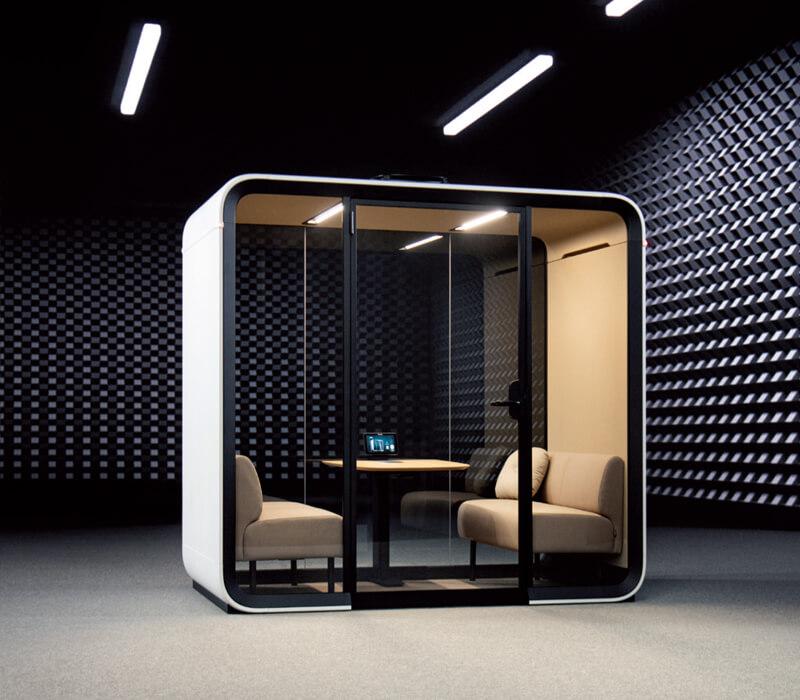
The evolution from cubicles to modular office pods is not a one-way replacement story. Cubicles, rooms, open settings, and pods solve different parts of workplace privacy. The defensible choice starts with changed work, preserves formats that still perform, and assigns pods only to a verified gap with a complete site and service route.
Issue a keep-change-retire register for the current floor. For every setting, record accepted tasks, limits, operating owner, fallback, and the evidence that would trigger another review. That action answers the title more usefully than declaring a winner: workplace privacy evolves when the portfolio follows real work and remains open to correction.
Date each decision and attach it to the current layout. Future teams can then see whether a format failed, the work changed, or the original assignment was simply forgotten. That distinction keeps the next evolution grounded in evidence.

 Tel: +8613538031763
 Email: info@sopworkpod.com
 MP/WhatsApp: +8613538031763
 Manufacturer Address:Liucheng Lujiang District,Meixi Road,Nanan City,Fujian,China