Need Help?
Please leave your contact information to get our latest catalog
Get In Touch Now >


Author:SOP Work Pods Manufacturer TIME:2026-08-28
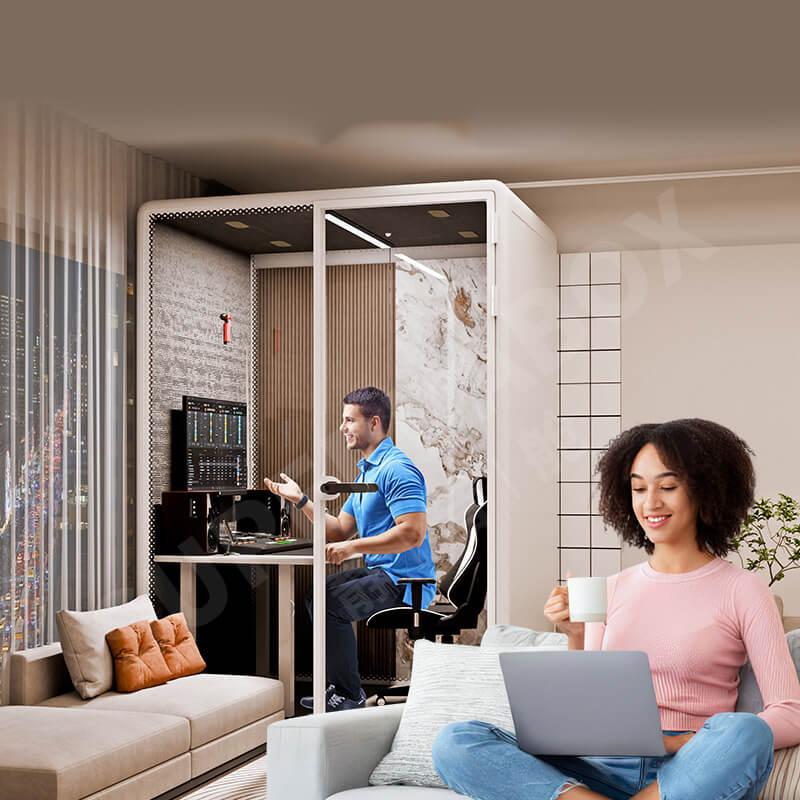
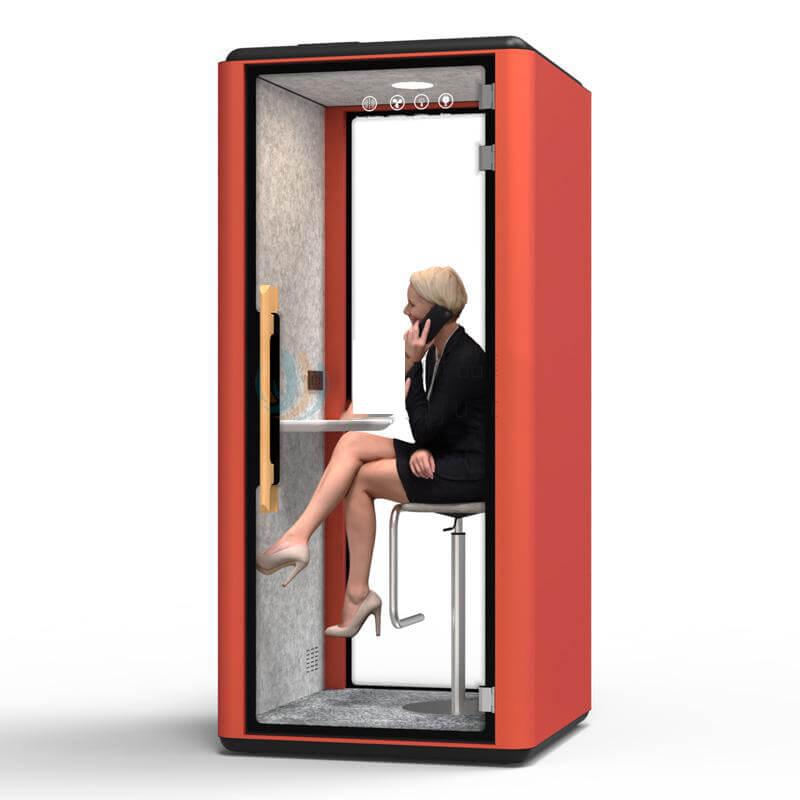
A recurring two-person video meeting can create a chain of disruption. At an open desk it distracts neighbors and exposes conversation. In a large meeting room it removes capacity from a project group. In a poorly equipped small room it wastes time on connections. Moving it into an indoor office pod may solve several problems, but only if the pod supports the interaction and does not transfer noise, queues, or access conflicts elsewhere.
The growing role of pods is therefore a portfolio decision. Privacy, productivity, and flexibility are not three automatic product benefits. They are constraints that must be balanced for each meeting state. A more private location may require more transition time; a flexible booking pool may reduce personal certainty; a compact enclosure may free a room while limiting duration or occupancy.
Use a meeting portfolio switchboard. Classify the work that fails today, define the required interaction, route it to a candidate space, and trace what that move releases or displaces. Commission the complete meeting sequence in the proposed pod, then keep a fallback for unsuitable or unavailable states. The result is a defined role within the workplace, not a claim that pods should replace every meeting room.
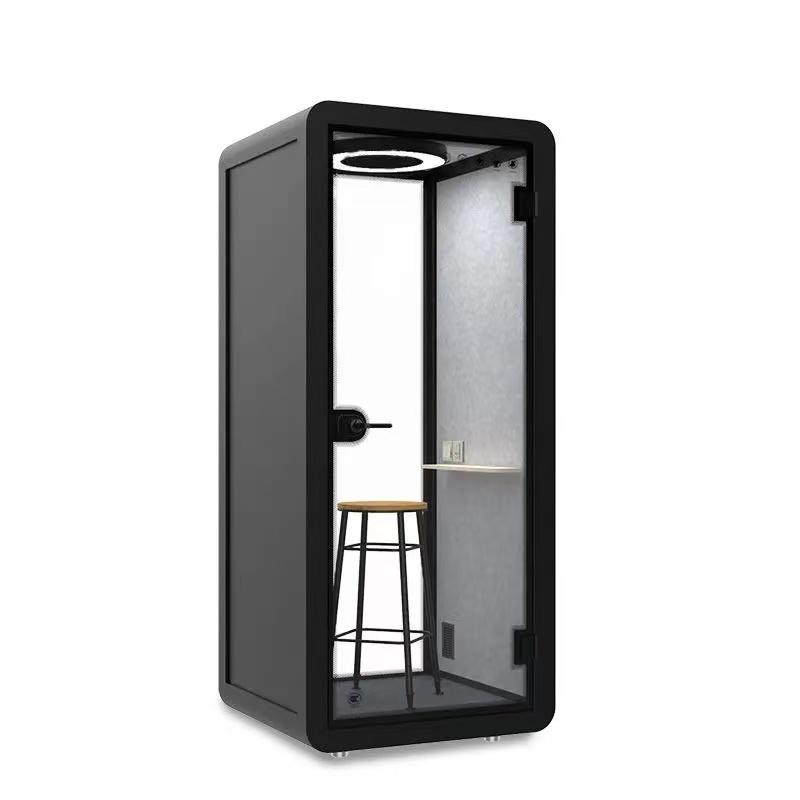
Collect meeting failures rather than preferences. Note conversations postponed for lack of privacy, one-person calls occupying group rooms, hybrid meetings abandoned after connection trouble, brief huddles held in circulation, long sessions that overrun small rooms, and participants leaving the floor. Attach time pattern, participants, devices, materials, privacy consequence, and the action people take when the preferred space is unavailable.
Identify the failing constraint. Speech or screen exposure differs from insufficient occupancy, poor technology, uncomfortable duration, inaccessible movement, or a booking conflict. Several constraints may appear together, but they need separate acceptance lines because the corrective space or service can differ.
Include the spaces that continue working well. A conventional room may remain the right place for larger groups, high-consequence discussions, specialized equipment, or longer collaboration. A desk may remain suitable for low-risk short calls under an agreed team practice. Protecting these roles prevents a pod project from becoming an indiscriminate room replacement.
Observe contrasting attendance states. Low office attendance can leave rooms available, while a peak day changes queues, listener positions, and alternatives. A portfolio decision based only on averages can miss the exact period when the meeting system fails.
Calendar titles do not describe work. A catch-up may involve sensitive feedback, a design review may require several people around a drawing, and a client call may be one person speaking to a screen. Record whether participants talk in turns or overlap, move or remain seated, share a screen or paper, use video, need a whiteboard, bring equipment, and require someone to join late.
Define occupancy from bodies and actions. Bags, laptops, mobility aids, a presenter standing, screen viewing, and entry or exit during the session affect usable space. Nominal capacity should not override an observed interaction that becomes cramped or blocks an intended movement.
Bound privacy by consequence and exposure. Mark listener positions outside, sightlines to screens and notes, the door-opening interval, booking information, and what the remote side can hear from the room. A routine project exchange may tolerate a different boundary from a personnel discussion. Keep the higher-risk conversation assigned to the stronger approved route.
Set a duration and recovery need. Occupied comfort, equipment heat, controls, ventilation relationship, posture, and reset can change across a long meeting or consecutive bookings. The role should state what was observed instead of extending a short demonstration to every session length.
Privacy is achieved when the selected meeting's speech, screen, entry, and participant boundaries are appropriate under stated conditions. Productivity is achieved when people can prepare, connect, interact, decide, and leave without avoidable service friction. Flexibility is achieved when the space can absorb more than one approved state without costly reset or hidden dependencies. None of these outcomes should be assumed from enclosure alone.
Create conditional roles such as individual hybrid call, private two-person conversation, short project huddle, or focused review. For each role, state the required configuration and the stop conditions. A role may be rejected by occupancy, duration, missing equipment, an unacceptable listener edge, unavailable access, or a task that belongs in another governed room.
Compare the complete move. When a call enters the pod, record which room or desk capacity is released, where waiting occurs, how surrounding workers are affected, and what happens when the pod is unavailable. Flexibility that merely transfers the queue to another aisle has not improved the portfolio.
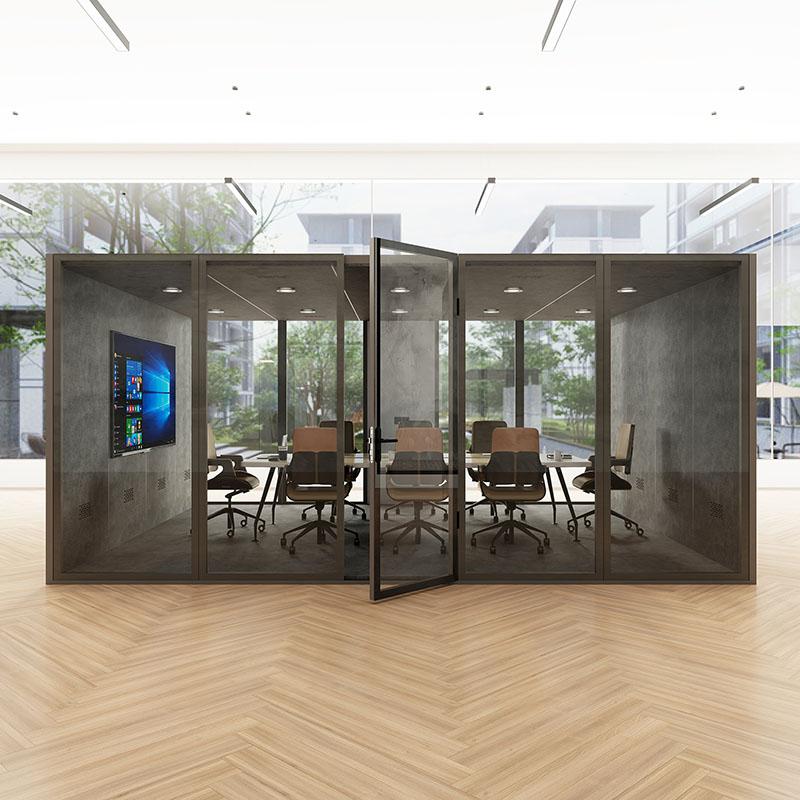
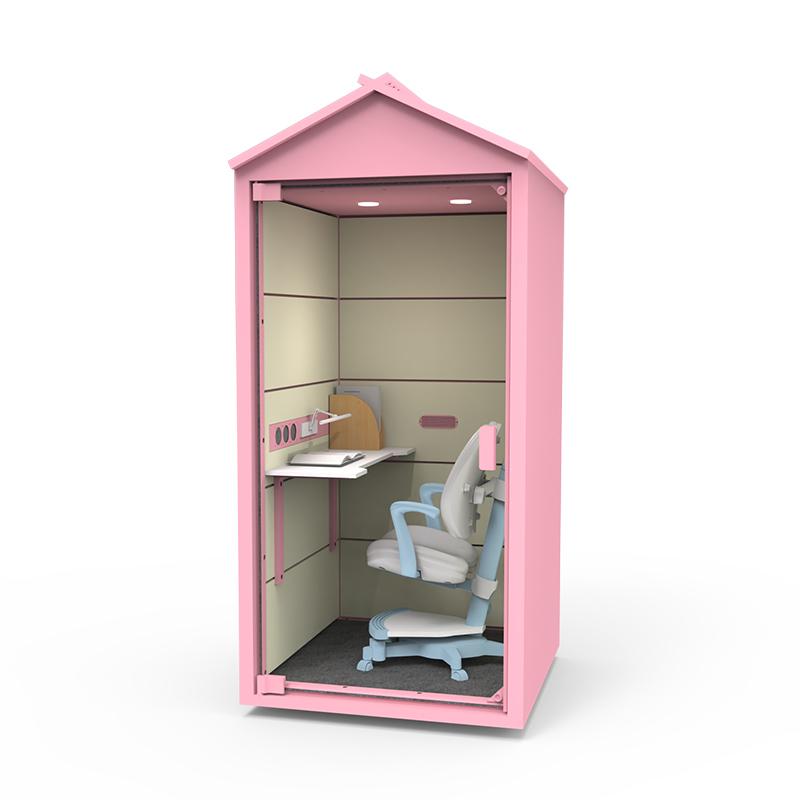
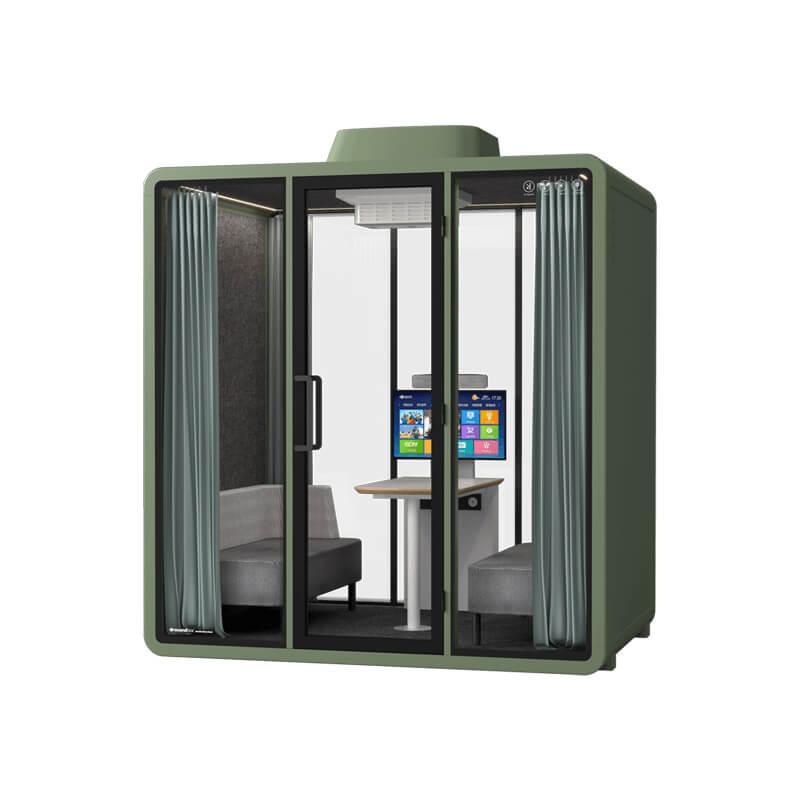
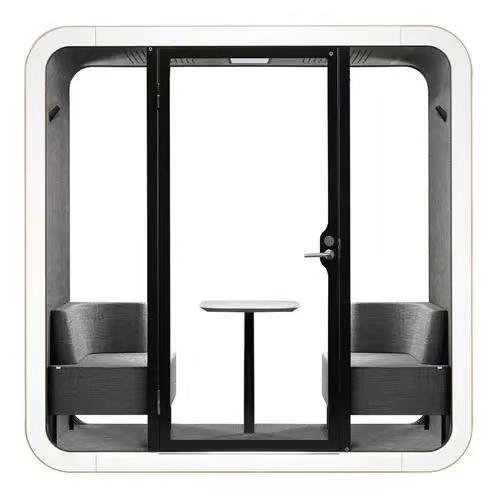
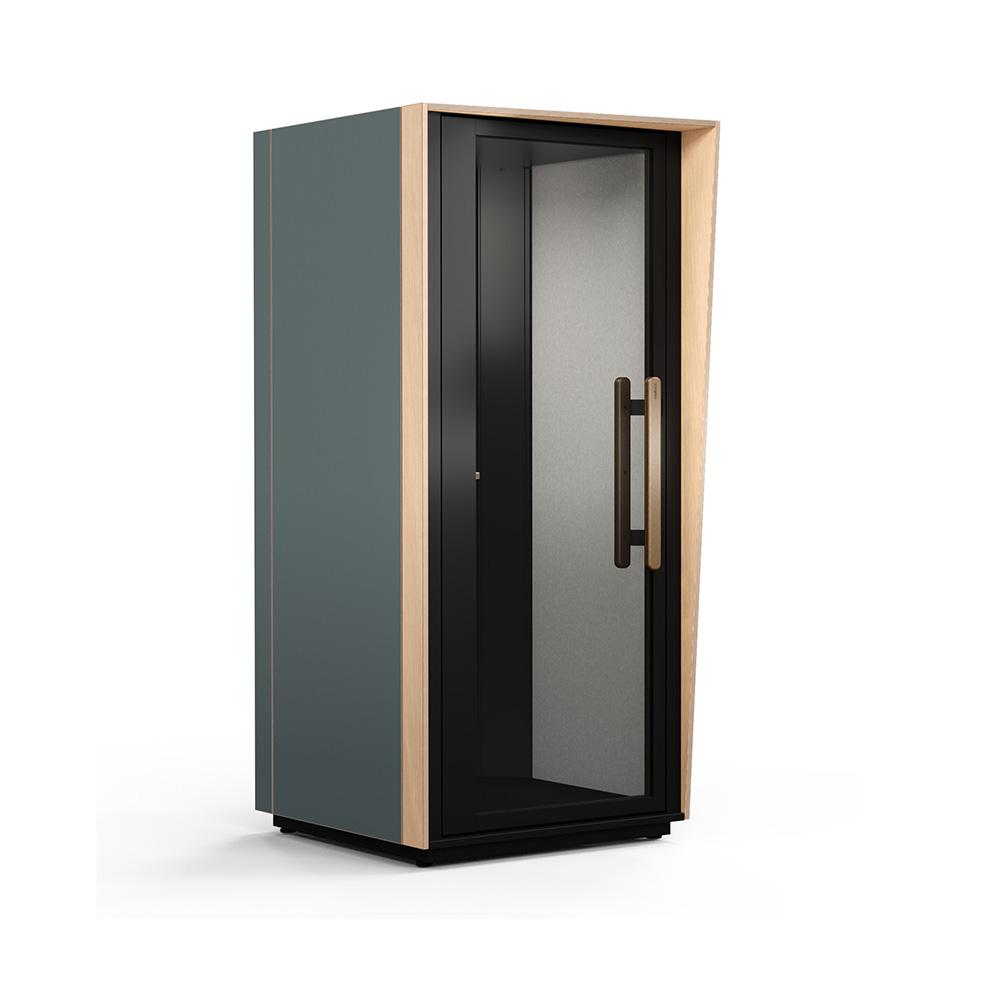
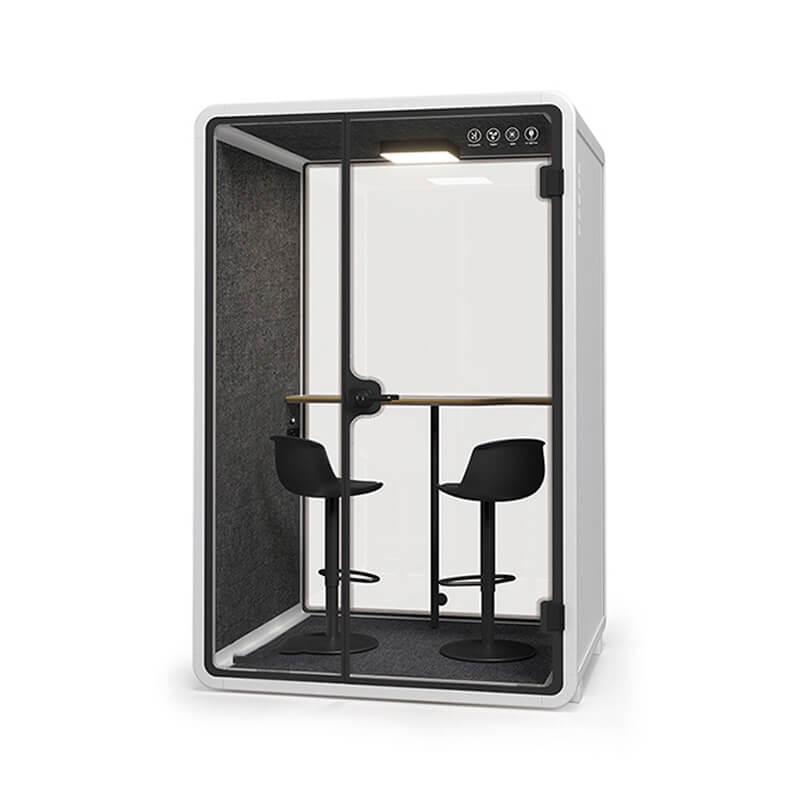
Use the indoor office pod range to tie the role to an exact product and furniture route. Door orientation, glazing, table layout, controls, technology, and service assumptions may change the result. Reopen the affected role when configuration or location changes.
| Meeting state | Required pod condition | Capacity released | Displacement or fallback to watch |
|---|---|---|---|
| Individual hybrid call | Reliable signal chain, suitable privacy, short reset | Group room or disturbed desk | Queue, device failure, or longer call |
| Private two-person conversation | Accepted listener and sightline boundary | Governed room for lower-consequence work | Higher-risk content remains in stronger room |
| Short project huddle | Usable occupancy, shared material, quick turnover | Open collaboration area or small room | Group arrival and surrounding disruption |
| Focused review | Individual setup, comfort for stated duration, no visual exposure | Desk concentration and room capacity | Alternative for access, duration, or preference |
Follow the hybrid sequence from booking to reset. Check availability information, approach, entry with equipment, power, data or wireless connection, camera position, lighting on faces, microphone pickup, loudspeaker level, screen visibility, cable restraint, content sharing, disconnection, and readiness for the next user. Technology is part of the meeting role rather than an optional afterthought.
Include the remote participant's experience. Ask whether speech is intelligible, turn-taking works, camera framing is useful, alerts or room reflection interfere, and confidential material is exposed through the call setup. Do not blame the enclosure for a network fault or declare the technology suitable because the local participant can see the screen.
Observe interaction at the intended occupancy. Participants may lean toward one laptop, raise voices, rotate chairs, block a control, place bags in the approach, or open the door for a late arrival. Those behaviors reveal whether the configuration supports the meeting or forces workarounds that damage privacy and flow.
Test one ordinary failure, such as a connection delay or preferred device being unavailable. The role needs a supported fallback: another connection method, a manual control, a conventional room, or a rescheduled route. A smart meeting service is flexible only when a minor dependency does not strand the meeting.
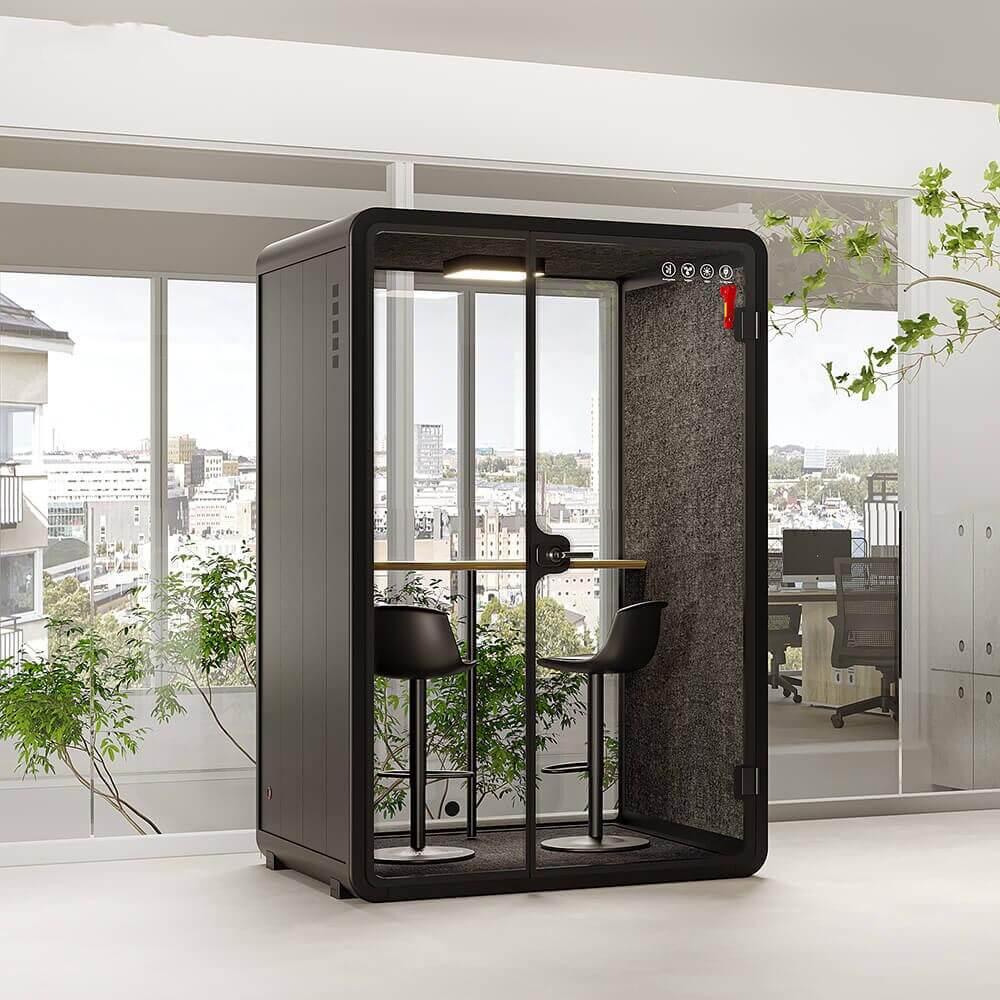
Map the operating envelope around each proposed location. Include approach, door movement, accessible route, waiting, circulation, adjacent desks, reflective boundaries, ventilation relationship, equipment exhaust, detectors and sprinklers, maintenance access, power, data, and the delivery route. Compare orientations where the site permits.
Consider what neighbors experience. Frequent door movement, people waiting, audible calls during openings, status lights, fan exhaust, and group arrivals can disturb a concentrated zone. A pod intended to remove disruption should not be placed where its supporting activity creates another conflict.
Design booking around meeting states. Separate quick-use capacity from longer reserved sessions where demand requires it, provide enough information to choose the right role, and prevent titles from exposing sensitive content. Establish release behavior for no-shows and a fault state that removes an unavailable unit from circulation.
Keep an equivalent route for people or tasks the pod cannot support. Access, enclosure preference, sensory conditions, equipment, occupancy, duration, and confidentiality can require another space. Flexibility is a portfolio property, so a choice of workable settings matters more than forcing all demand through one format.
After a pilot, compare the original meeting failures with the new state. Did individual calls release group rooms, did sensitive conversations leave open desks, did connection preparation improve, and did any queue or disruption appear elsewhere? Use booking, denied demand, fault, support, early-exit, task-movement, and room-use evidence with observed conditions.
Separate product fit from implementation. A suitable pod in a poor location may need relocation; a booking problem may need policy repair; an unresolved device route belongs to IT; an occupancy mismatch may require another size or conventional room. Classification allows a targeted correction before the whole concept is accepted or rejected.
Define the role in the operating record. State supported meeting classes, configuration, location, duration, privacy boundary, equipment, booking route, reset, maintenance owner, fault fallback, excluded work, and review triggers. This record keeps flexibility from becoming uncontrolled scope expansion.
Expansion should follow portfolio evidence. Add capacity when repeated supported meetings remain displaced or denied after booking and operational issues are closed. Move or remove a unit when the location creates persistent conflict or another intervention is stronger. Retain conventional rooms whose roles cannot be absorbed safely or comfortably.
Not as a blanket rule. Pods can absorb defined meeting states, while conventional rooms may remain better for larger groups, longer sessions, specialized equipment, stronger governance, or different access needs. Review what each move releases and displaces across the portfolio.
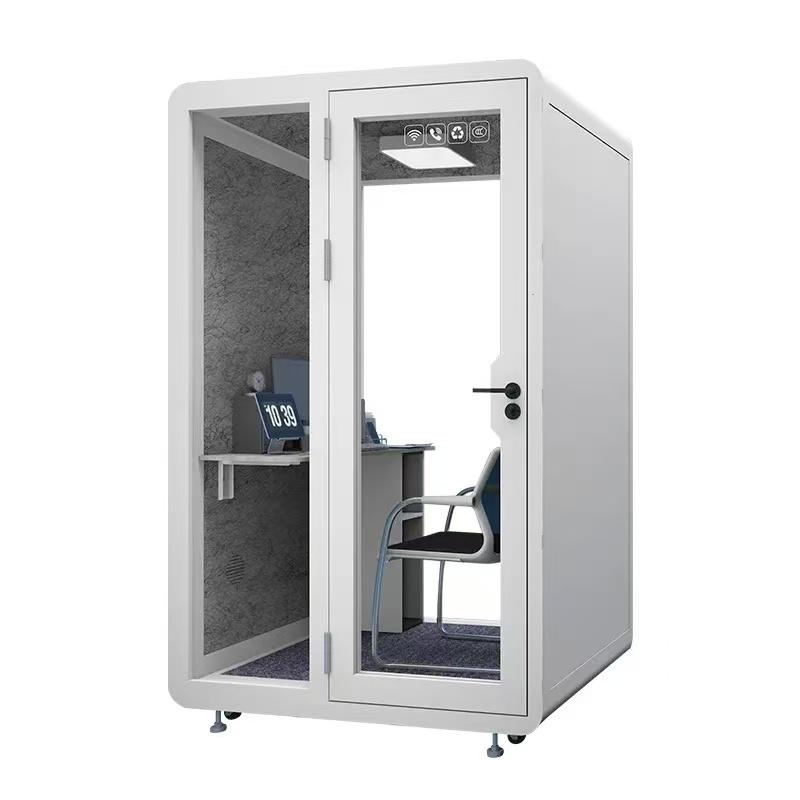
Confirm that several approved meeting states can use the exact configuration without difficult reset, hidden service dependencies, or harm to another group. Keep stop conditions and fallbacks visible. A long feature list does not establish operational flexibility.
Define conversation consequence, listener points, screen and paper sightlines, opening events, occupancy, device route, surrounding activity, and excluded work. Use applicable model information and a final-location observation without converting it into an unsupported universal performance claim.
Add capacity after repeated supported meetings remain denied or displaced across credible attendance states, existing units are serviceable, booking problems are closed, the affected work cycle succeeds, and placement for another unit does not create a new portfolio conflict.
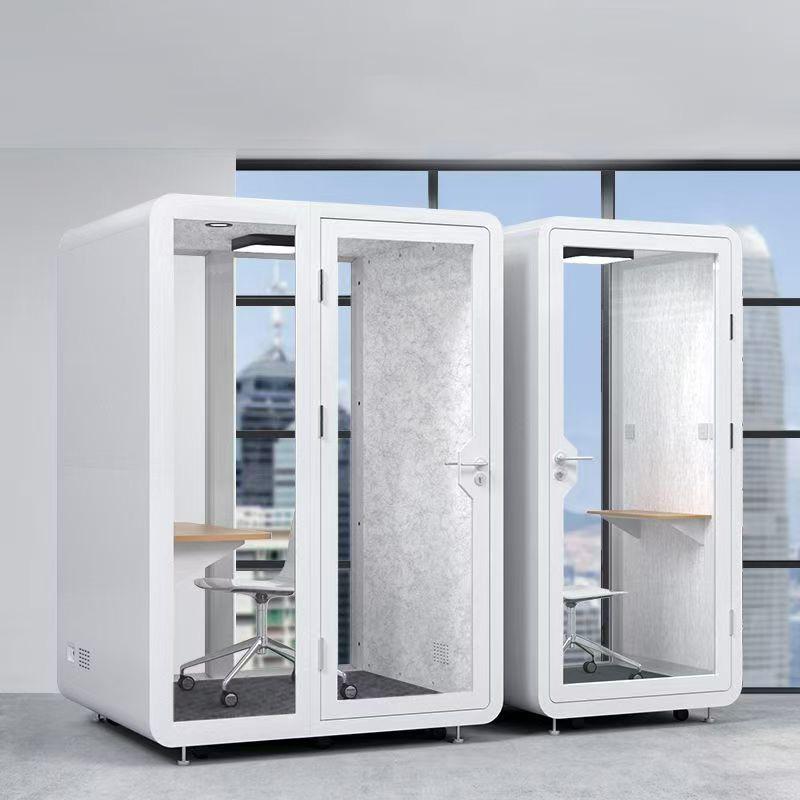
Indoor office pods have a growing role when they solve named meeting failures while preserving privacy, task completion, access, surrounding work, and fallback across the whole room portfolio. Their value comes from conditional allocation, not an assumption that enclosure automatically delivers productivity and flexibility.
Choose one recurring meeting class, route it to the proposed pod, and observe the complete effect on participants, neighbors, rooms, technology, and unavailable states. Keep the role only when the portfolio improves. Expand after repeated displaced work justifies capacity, while retaining rooms that serve conditions the pod cannot absorb.
Before requesting a project quotation, compare the intended occupancy, meeting equipment, site route, privacy boundary, and approved options against the selected meeting-pod configuration. Contact us by WhatsApp or submit the inquiry form for a fast factory response.

 Tel: +8613538031763
 Email: info@sopworkpod.com
 MP/WhatsApp: +8613538031763
 Manufacturer Address:Liucheng Lujiang District,Meixi Road,Nanan City,Fujian,China