Need Help?
Please leave your contact information to get our latest catalog
Get In Touch Now >


Author:SOP Work Pods Manufacturer TIME:2026-08-28
A finish selected from a small sample can look different when it sits beside glazing, flooring, screens, signage, and changing daylight. A dark exterior may help a pod recede from one route but make the door harder to distinguish from another. Upholstery that photographs well may reveal wear or cleaning marks in the high-contact area where it is actually used.
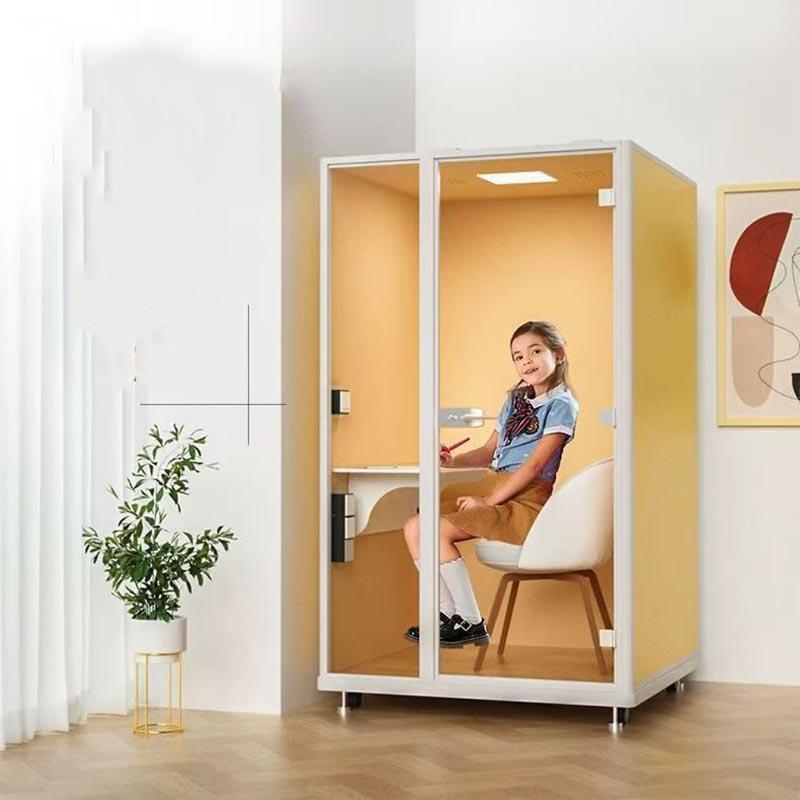
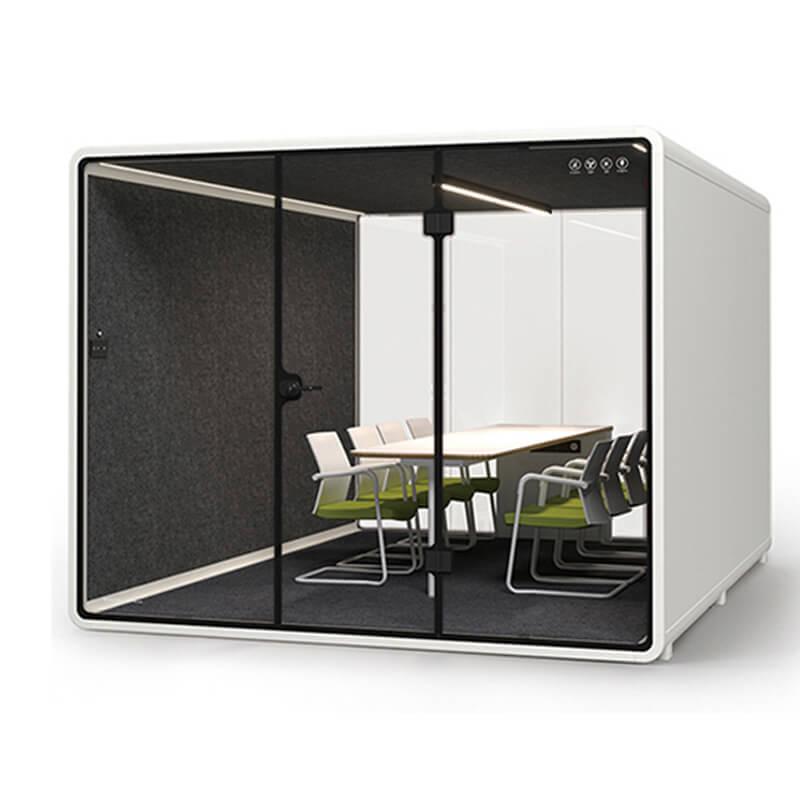
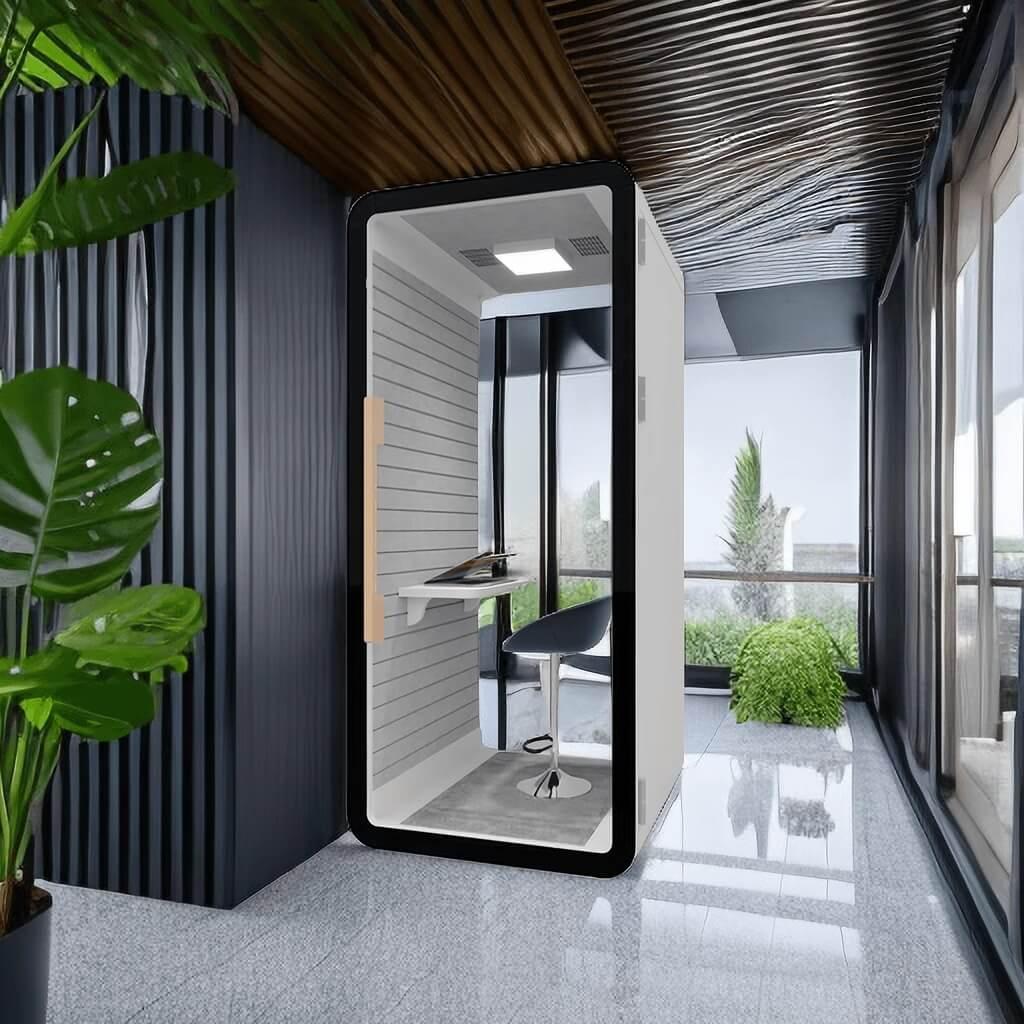
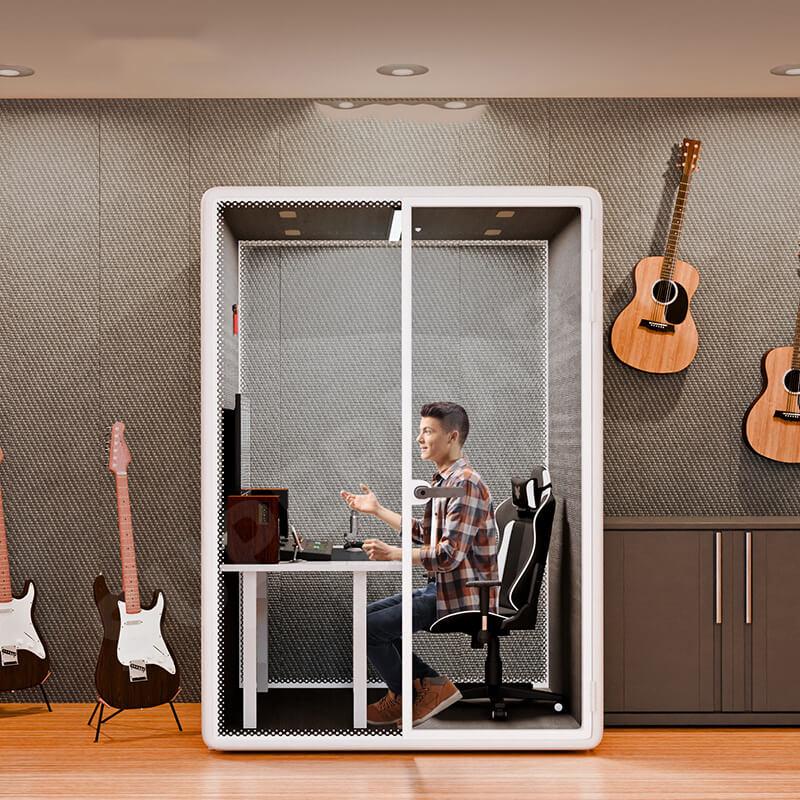
Personalizing Office Pods should solve a workplace job: visual zoning, brand continuity, calmer internal contrast, wayfinding, visitor recognition, user choice, or support for a particular task. Once that job is named, style and color can be reviewed with materials, geometry, accessories, lighting, controls, cleaning, replacement, cost, and delivery effects in the same configuration.
This guide treats the indoor office pod configuration as a chain of sample decisions. The buyer moves from intent to context, physical reference, durability review, configured mockup, and controlled production release. Approval belongs to an identified sample and option schedule rather than to a color name that different teams may interpret differently.
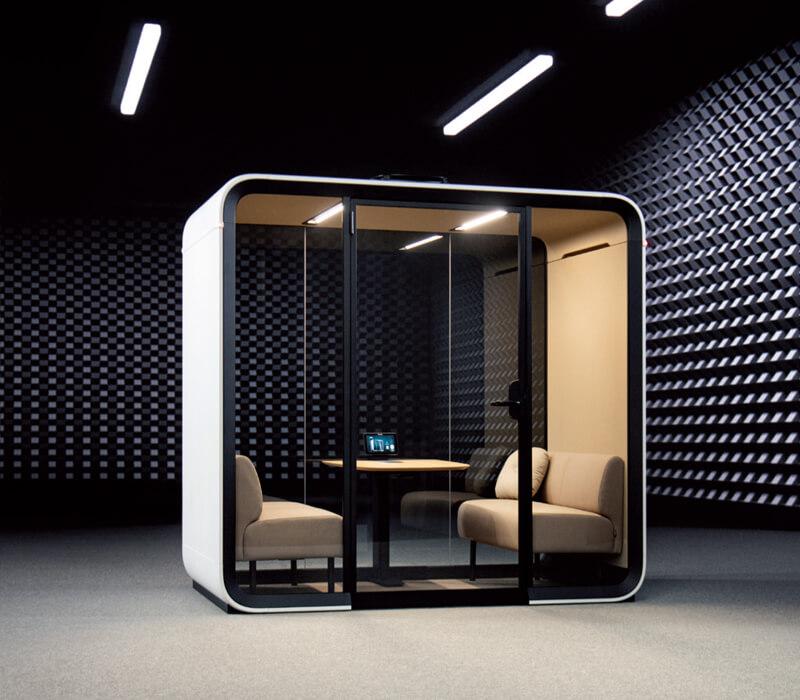
State whether customization supports brand identity, zoning, wayfinding, team area, visitor experience, reduced or increased visual prominence, calmer interior, contrast, user choice, furniture task, technology, graphics, or consistency with existing finishes; identify users, location, duration, and decision owner.
Use a sample and mockup review before approval. Translate subjective preferences into review questions and mandatory functional conditions before requesting options. Preserve limitations and contrary observations because decoration proceeding without a shared design purpose would change the route.
Close 'Define the functional purpose of personalization' by deciding how to approve a customization intent and priorities. For the intent checkpoint, record context, observed result, responsible owner, correction or confirmation, retest need, and effect on the controlled finish package.
Write the intended visual job as a sentence that can fail. For example, a finish intended to improve wayfinding should be recognizable from the real approach without making glazing edges, handles or controls harder to perceive. That test is more useful than asking reviewers whether a color feels modern.
Map daylight and electric lighting, color temperature where known, glare, reflections, glazing, adjacent floors, walls, ceilings, furniture, signage, views from approaches and desks, camera background, changing day conditions, dirt exposure, and nearby pod colors.
Use a sample and mockup review before approval. Place physical samples in candidate orientations and inspect them at representative times and viewpoints. Preserve limitations and contrary observations because catalog or screen color being assumed to match the installed appearance would change the route.
Close 'Review color and style in the final visual context' by deciding how to release context and lighting observations. For the context light checkpoint, record context, observed result, responsible owner, correction or confirmation, retest need, and effect on the controlled finish package.
View samples vertically and horizontally where those orientations occur on the pod. Move through the approach, seated view and camera view, then repeat under the electric-light condition used after daylight falls. Record disagreements by viewpoint instead of averaging them into a vague preference.
Record supplier, sample or finish code, color reference, texture, sheen, substrate, coating, upholstery, graphics, glazing treatment, edge or joint appearance, material information provided, batch or variation notice where available, date, approval sample, and limitations.
Use a sample and mockup review before approval. Compare samples with the exact offer and require written confirmation for undocumented substitutions or changes. Preserve limitations and contrary observations because a familiar name or tiny swatch replacing controlled material evidence would change the route.
Close 'Control material finish and sample identity' by deciding how to approve a finish and sample schedule. For the materials samples checkpoint, record context, observed result, responsible owner, correction or confirmation, retest need, and effect on the controlled finish package.
A sample board should distinguish material identity from color intent. The same nominal color on metal, laminate, fabric and film can differ in texture, reflection and edge behavior. Approval notes should say which reference controls each surface and which transitions still need a mockup detail.
| Choice | Workplace purpose | Reference to retain | Approval status |
|---|---|---|---|
| Exterior color | Zoning, visibility or brand relationship | Coded sample viewed beside site materials | Approve, revise or limit by location |
| Interior finish | Visual comfort and task background | Substrate, sheen, texture and lighting observation | Confirm with furniture and screen positions |
| Upholstery | Seating identity and shared-use care | Actual material plus cleaning and replacement route | Approve only with maintenance review |
| Graphics or film | Wayfinding, privacy or communication | Artwork revision, opacity, sightline and edge detail | Release after access and privacy review |
| Accessories | Specific work action or technology need | Complete option schedule and configured mockup | Freeze interfaces before production |
Review high-contact areas, scuff and fingerprint visibility, stain and spill risk, cleaning products and methods, upholstery care, seams, fading or color change observations, scratches, touch-up, replaceable panels or covers, spare material, supplier availability, batch variation, and warranty interaction.
Use a sample and mockup review before approval. Trial the approved cleaning method on representative samples and inspect after handling or mockup use. Preserve limitations and contrary observations because a visually attractive finish becoming an operating burden would change the route.
Close 'Test cleanability wear repair and replacement matching' by deciding how to release care and replacement assumptions. For the clean wear checkpoint, record context, observed result, responsible owner, correction or confirmation, retest need, and effect on the controlled finish package.
Repair planning changes the acceptable finish. A surface that can be cleaned but cannot be patched or matched may create a larger future replacement scope. Ask where spare material will be stored, how batch variation is handled, and which visible boundary makes a partial replacement acceptable.
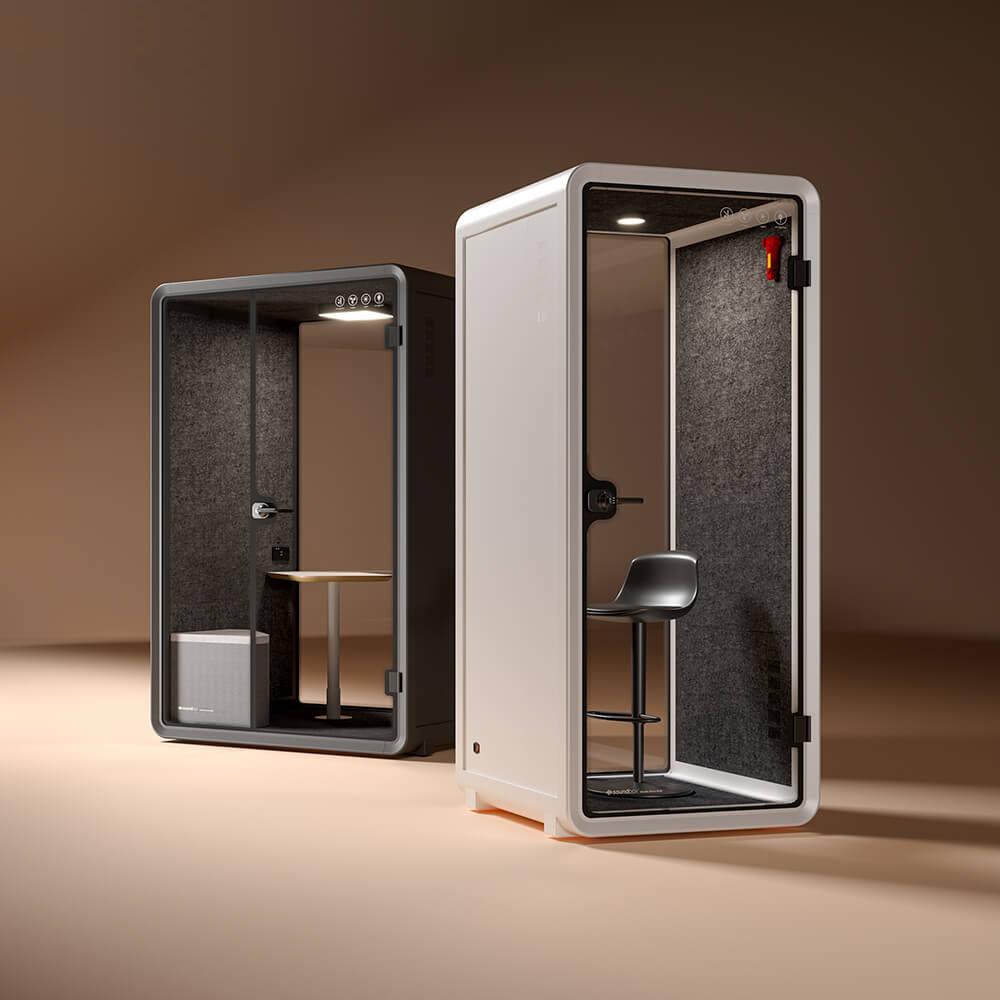
Consider door and handle visibility, threshold, controls, signage, occupancy indicators, glazing edges, interior surfaces, visual comfort, screen and document exposure, wayfinding, privacy film or blinds where offered, reflections, and authorized accessibility or brand review.
Use a sample and mockup review before approval. Ask responsible reviewers and representative users to inspect approach, entry, controls, use, and exit in the configured context. Preserve limitations and contrary observations because style reducing the clarity or usability of essential elements would change the route.
Close 'Coordinate contrast visibility privacy and accessibility review' by deciding how to approve functional visual conditions. For the access visibility checkpoint, record context, observed result, responsible owner, correction or confirmation, retest need, and effect on the controlled finish package.
Reconcile finish, furniture, seating, work surface, accessories, graphics, lighting, controls, power and data, camera and display, ventilation interfaces, door orientation, model size, packaging, installation sequence, cleaning, warranty, lead time, minimum quantities, spare strategy, exclusions, and provisional prices.
Use a sample and mockup review before approval. Build one configuration code and quote ledger and require suppliers to identify conflicts and dependencies. Preserve limitations and contrary observations because individually available options forming an incompatible package would change the route.
Close 'Check option compatibility price and delivery impact' by deciding how to release a complete configured offer. For the options scope checkpoint, record context, observed result, responsible owner, correction or confirmation, retest need, and effect on the controlled finish package.
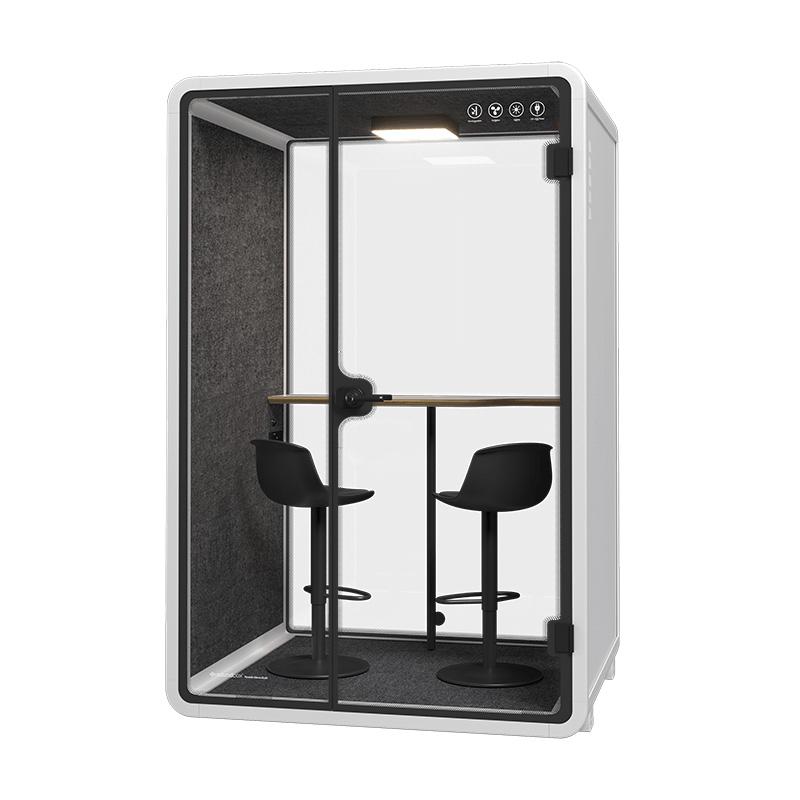
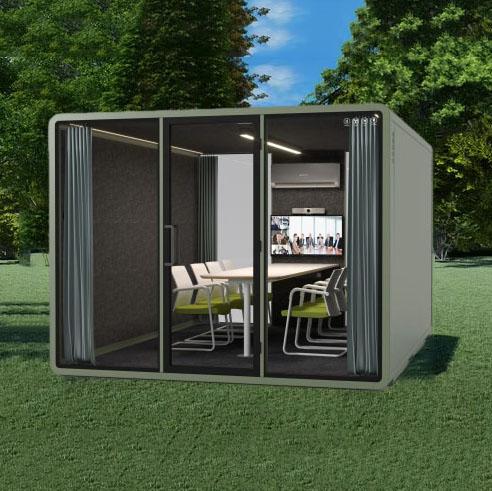
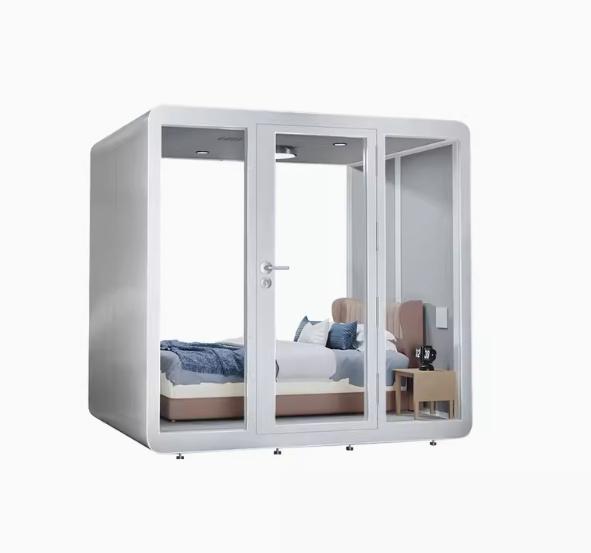
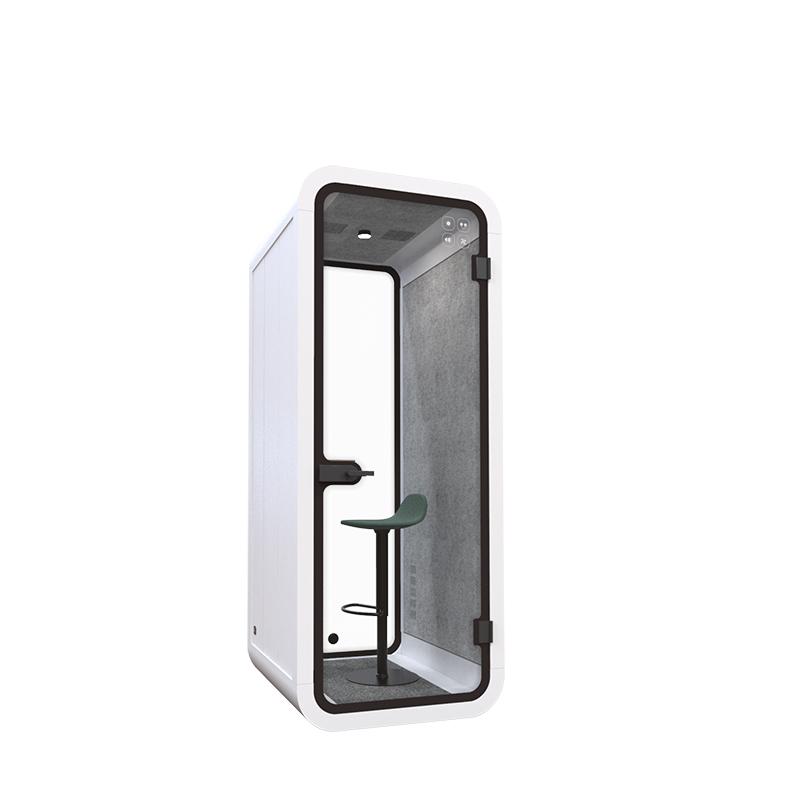
After the buyer completes the 'Check option compatibility price and delivery impact' checkpoint, the indoor office pod configuration page may be reviewed as a product reference for this finish option sample and configuration-control dossier; it does not replace site evidence or assigned responsibility.
Reviewers should complete actual actions, not only stand outside the mockup. They approach, identify availability, find the handle, enter, adjust controls, sit, use a screen, hold a private conversation and leave. Each action exposes a different interaction between customization and function.
Record exact model or representative limitations, location, lighting, orientation, samples, furniture, accessories, technology, graphics, user groups, tasks, photographs, observations, defects, differences from production, approvals, comments, corrections, final codes, substitution route, and change owner.
Use a sample and mockup review before approval. Run representative occupied use and visual reviews before final release and repeat affected checks after any substitution. Preserve limitations and contrary observations because an approved appearance drifting through procurement or later replacement would change the route.
Close 'Approve a mockup and control later substitutions' by deciding how to close customization through mockup and change control. For the mockup change checkpoint, record context, observed result, responsible owner, correction or confirmation, retest need, and effect on the controlled finish package.
The release record should include unresolved production details as explicit hold points. Edge color, graphic placement, stitching, joint alignment and cutout treatment can materially affect the installed scene even when the main finish code is correct. Close those details before accepting a production substitution by photograph.
No. Screens, render settings, printing, substrates, coatings, sheen, texture, and lighting can all change appearance. Use digital material for coordination, then retain the supplier's physical reference and the context in which it was accepted. Note any allowable variation rather than promising a perfect visual match.
Uniformity can simplify recognition and replacement, but it may weaken zoning, user choice, or location-specific visibility. Decide which elements must remain common and which may vary. Keep door operation, controls, required signs, safety review, cleaning, and product interfaces outside casual decorative variation.
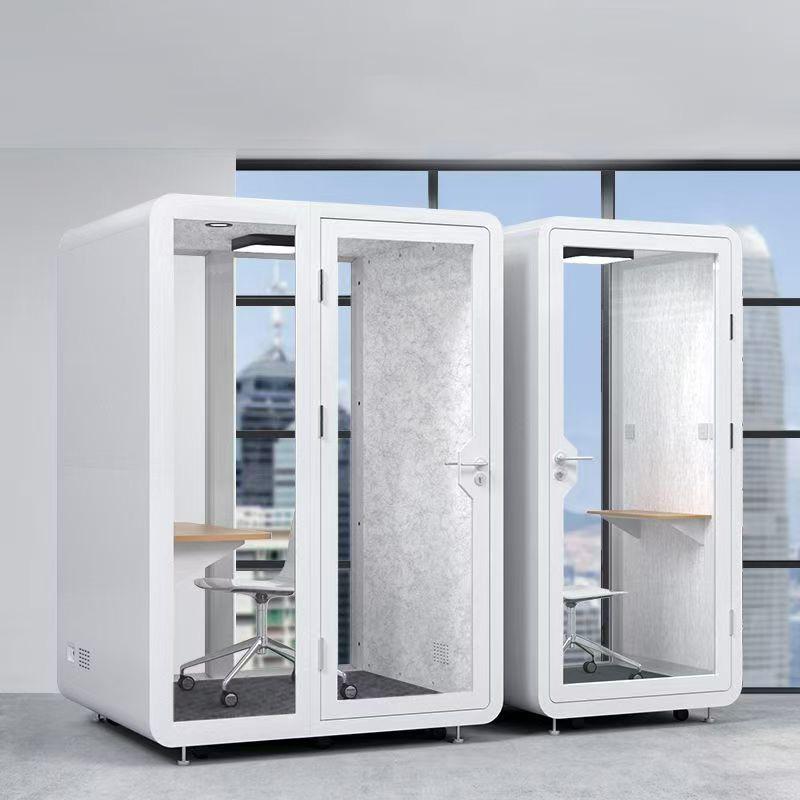
Place the actual sample at likely touch, shoe, bag, and cleaning zones. Apply the approved cleaning method to a representative piece and observe marks, color transfer, texture change, and repair visibility over a realistic trial. The purpose is a maintainable choice, not a universal claim about color.
Reopen the affected comparisons. Check visual context, substrate, performance information, cleaning, repair, option compatibility, cost, timing, and sample identity. Record the reason and approval before production. A similar name or photograph is not evidence that the installed result will match the signed reference.
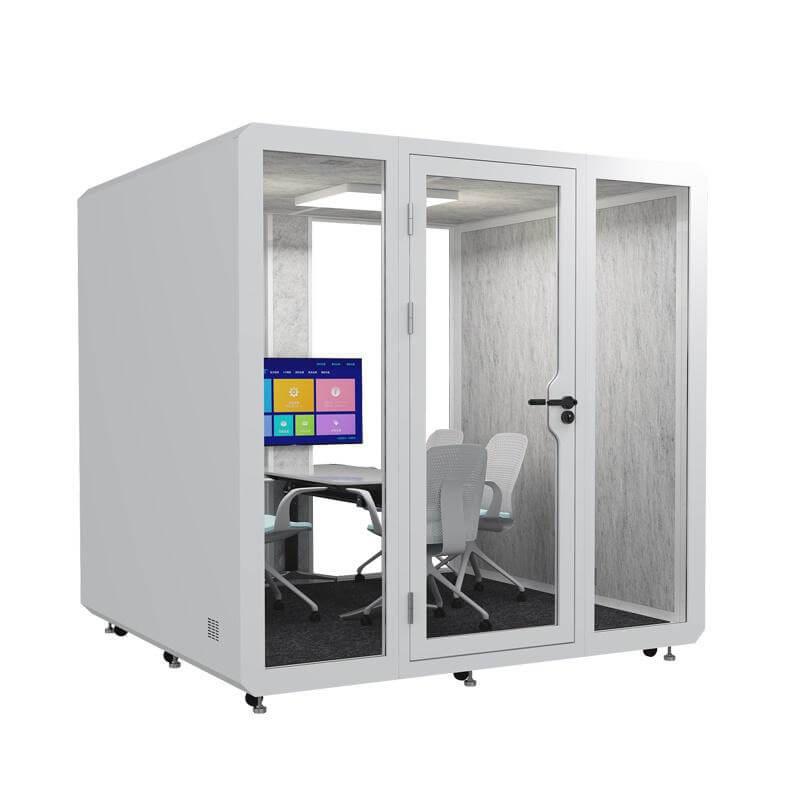
Styles, colors, and customization work when each choice has a workplace purpose and a controlled physical reference. The final decision must include the surrounding light and materials, cleaning and repair, accessibility and privacy, technology interfaces, commercial effect, and the exact configured mockup.
Sign the sample set and option schedule, photograph the approved context for coordination, and freeze revision identities. Route any later substitution through the same affected reviews before it reaches production.
For a customization proposal, send the intended pod role, finish references, site lighting, quantity, and approved options through WhatsApp or the inquiry form.

 Tel: +8613538031763
 Email: info@sopworkpod.com
 MP/WhatsApp: +8613538031763
 Manufacturer Address:Liucheng Lujiang District,Meixi Road,Nanan City,Fujian,China