
Need Help?
Please leave your contact information to get our latest catalog
Get In Touch Now >


Author:SOP Work Pods Manufacturer TIME:2026-08-28
Replacement parts appear available until a facilities team tries to order one. A damaged handle may have no part reference, a controller photo may not identify its revision, or a supplier may confirm availability without stating lead route, minimum order, replacement level, or whether installation guidance is included. The pod remains in the office, but its service path has become an investigation.
Serviceability is therefore an identity and recovery problem, not a yes-or-no supplier promise. The buyer needs to connect each installed soundproof meeting pod to its model, revision, configuration, component position, current ordering route, competent replacement method, inspection, and authority to reopen the space. Different components justify different responses.
The meeting pod product route should enter handover with a parts baseline that can survive staff changes. This guide builds that baseline from the installed unit outward, then separates local stock decisions from supplier continuity, logistics, technical work, and the workplace response while a pod is unavailable.
Treat the checkpoint titled 'Create a model specific map of replaceable components' as a serviceability dependency. List door hardware, seals, glazing interfaces, panels, trims, fasteners, lighting, controls, fans, filters, power and data fittings, furniture, floor interfaces, and cosmetic parts without assuming every item is field-replaceable. The parts map record keeps replacement parts for soundproof meeting pods tied to the article's specific buyer decision.
Use a parts evidence check before approval. Use current model documents and a supplier clarification to identify part name, location, reference, replacement level, required access, and exclusions. This makes generic component names leading to the wrong order or repair method visible while there is still time to clarify scope or correct the plan.
Close the checkpoint by deciding how to release a controlled replaceable-parts map. The 'Create a model specific map of replaceable components' entry should identify the observed condition, evidence boundary, responsible owner, unresolved action, and effect on the maintainable pod condition.
Treat the checkpoint titled 'Preserve model revision and installed configuration identity' as a serviceability dependency. Record product model, size, serial or project reference where provided, revision, finish, door orientation, service arrangement, optional equipment, installation date, supplier, and service contact. The identity record keeps replacement parts for soundproof meeting pods tied to the article's specific buyer decision.
Use a parts evidence check before approval. Match the delivered pod and handover documents to the parts list and resolve any inconsistent identity before relying on availability information. This makes parts for a similar product being assumed to fit the installed pod visible while there is still time to clarify scope or correct the plan.
Close the checkpoint by deciding how to approve an unambiguous installed identity record. The 'Preserve model revision and installed configuration identity' entry should identify the observed condition, evidence boundary, responsible owner, unresolved action, and effect on the maintainable pod condition.
Tag the physical pod and the digital asset record with the same durable identity. When labels are inaccessible or damaged, resolve identity while the supplier and installation team can still reconcile drawings, options and delivered components; later photographs alone may not distinguish revisions.
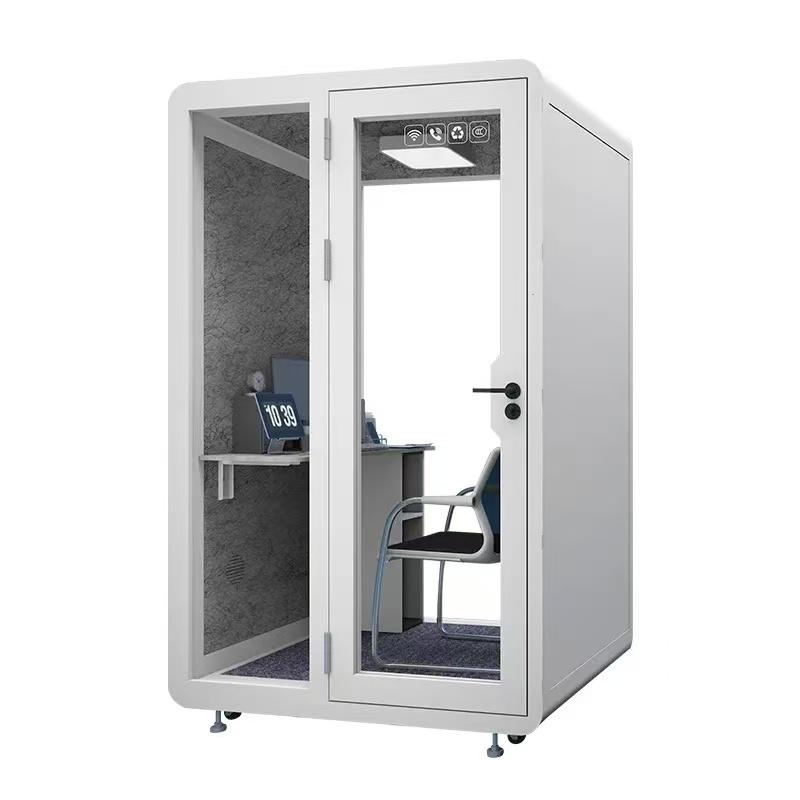
Treat the checkpoint titled 'Separate wear items critical spares and order on failure parts' as a serviceability dependency. Consider filters, seals, handles, latches, controls, lamps, fans, power fittings, furniture hardware, finish pieces, and damage-prone parts by consequence, inspection frequency, storage condition, and replacement skill. The wear stock record keeps replacement parts for soundproof meeting pods tied to the article's specific buyer decision.
Use a parts evidence check before approval. Review maintenance observations and supplier information to decide which items merit local stock, a rapid order route, or inspection only. This makes stocking every item wasting resources while a critical low-cost part remains unavailable visible while there is still time to clarify scope or correct the plan.
Close the checkpoint by deciding how to approve a proportionate spare and inspection policy. The 'Separate wear items critical spares and order on failure parts' entry should identify the observed condition, evidence boundary, responsible owner, unresolved action, and effect on the maintainable pod condition.
| Part class | Examples to identify by model | Evidence before failure | Recovery decision |
|---|---|---|---|
| Routine wear | Filters, seals or approved consumable items where applicable | Reference, interval or condition trigger, storage limit | Hold locally only when the maintenance plan supports it |
| Access and closure | Handle, latch, hinge and door-interface components | Exploded view, adjustment boundary, replacement instruction | Prioritize when safe access or closure depends on it |
| Powered function | Controls, lighting, fans, supplies and connectors | Exact identity, isolation method and competent service route | Keep the pod closed until authorized checks pass |
| Finish or furniture | Covers, work surfaces and model-specific fittings | Color or revision reference, attachment and cleaning method | Decide whether substitution changes accepted use |
| Long-lead assembly | Model-specific panel, glazing or integrated module | Availability statement, packing route and escalation owner | Plan alternative capacity before the failure occurs |
Treat the checkpoint titled 'Obtain current availability and supply terms in writing' as a serviceability dependency. Ask for ordering route, current availability statement, expected confirmation process, minimum order, packaging, location restrictions, warranty interaction, substitutions, discontinued-part route, and quotation validity. The supplier terms record keeps replacement parts for soundproof meeting pods tied to the article's specific buyer decision.
Use a parts evidence check before approval. Retain dated supplier responses for prioritized components and assign an owner to refresh information when a purchase or maintenance decision arises. This makes an undated verbal assurance becoming a permanent continuity claim visible while there is still time to clarify scope or correct the plan.
Close the checkpoint by deciding how to record the evidence date and confirmation owner. The 'Obtain current availability and supply terms in writing' entry should identify the observed condition, evidence boundary, responsible owner, unresolved action, and effect on the maintainable pod condition.
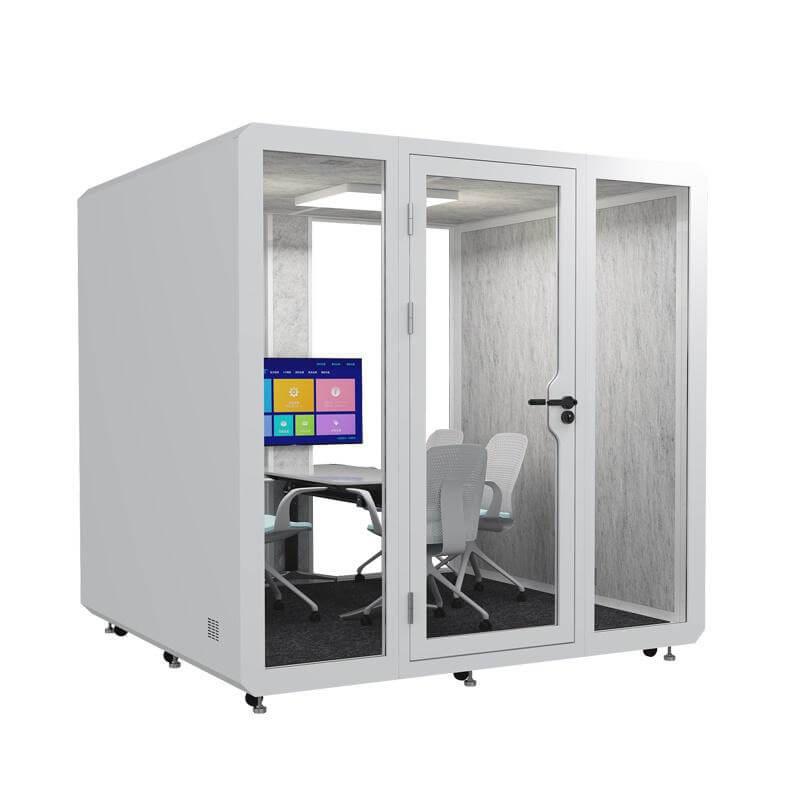
Treat the checkpoint titled 'Control technical replacement and safe return to service' as a serviceability dependency. Identify isolation, electrical or other authorized work, lifting, glazing handling, door alignment, ventilation balance, control setup, enclosure fit, testing, documentation, and disposal responsibilities. The technical repair record keeps replacement parts for soundproof meeting pods tied to the article's specific buyer decision.
Use a parts evidence check before approval. Obtain the replacement instruction and assign competent roles before work, then record isolation, installation, checks, limitations, and authorization to reopen the pod. This makes an available part being installed without the required technical controls visible while there is still time to clarify scope or correct the plan.
Close the checkpoint by deciding how to release a repair method and recommissioning checklist. The 'Control technical replacement and safe return to service' entry should identify the observed condition, evidence boundary, responsible owner, unresolved action, and effect on the maintainable pod condition.
Treat the checkpoint titled 'Plan logistics and workplace response during downtime' as a serviceability dependency. Review fault reporting, triage, user isolation, signage, alternative rooms, order approval, shipping, site access, secure storage, labor scheduling, communication, escalation, and repeated-fault review. The downtime logistics record keeps replacement parts for soundproof meeting pods tied to the article's specific buyer decision.
Use a parts evidence check before approval. Rehearse the route from a reported fault to safe closure, diagnosis, part order, receipt, repair, test, and user notification using a representative scenario. This makes a minor component failure causing unmanaged or extended loss of capacity visible while there is still time to clarify scope or correct the plan.
Close the checkpoint by deciding how to approve a downtime and escalation route. The 'Plan logistics and workplace response during downtime' entry should identify the observed condition, evidence boundary, responsible owner, unresolved action, and effect on the maintainable pod condition.
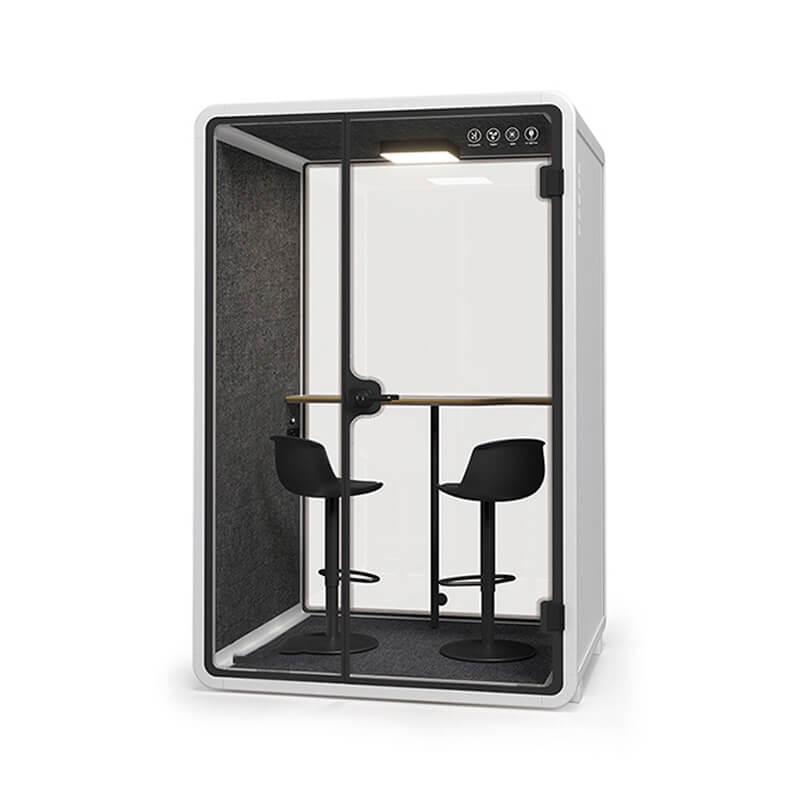
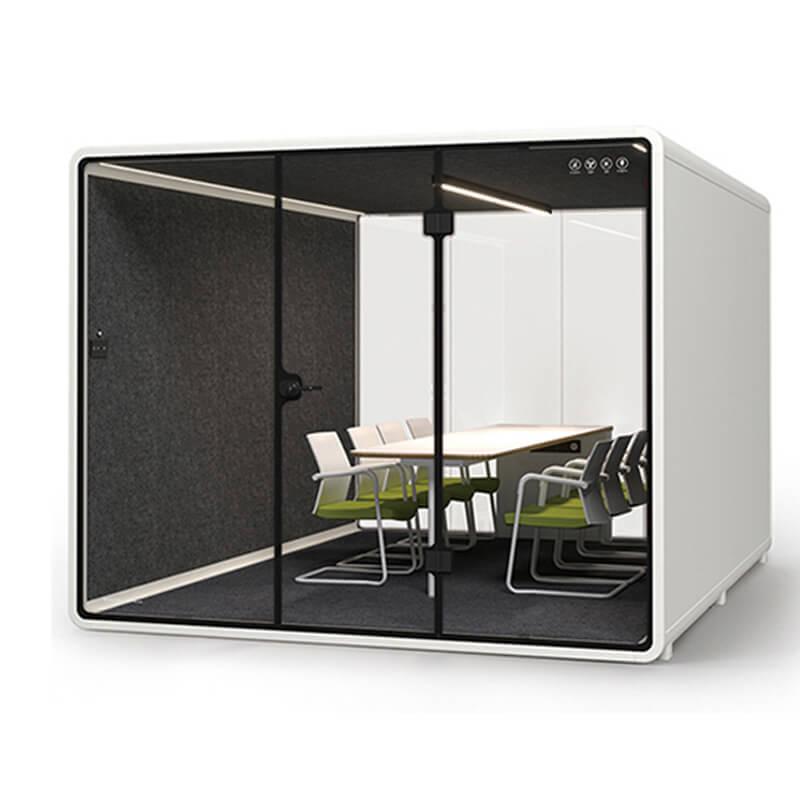
After the buyer completes the 'Plan logistics and workplace response during downtime' checkpoint, the soundproof meeting pods configuration page may be reviewed as a product reference for this parts continuity and serviceability audit; it does not replace site evidence or assigned responsibility.
Treat the checkpoint titled 'Make parts continuity part of maintenance handover' as a serviceability dependency. Transfer model identity, parts map, supplier contacts, evidence dates, stock, storage, inspection tasks, warranties, manuals, repair records, fault route, change control, and ownership for future refresh. The handover record keeps replacement parts for soundproof meeting pods tied to the article's specific buyer decision.
Use a parts evidence check before approval. Ask the receiving maintenance team to locate a named part, identify the order route, explain the downtime control, and find the return-to-service check without coaching. This makes documents existing but remaining unusable to the operating team visible while there is still time to clarify scope or correct the plan.
Close the checkpoint by deciding how to accept handover through a serviceability retrieval test. The 'Make parts continuity part of maintenance handover' entry should identify the observed condition, evidence boundary, responsible owner, unresolved action, and effect on the maintainable pod condition.
Not by itself. Match the catalogue to the model, size, serial range or revision, selected furniture, controls, door orientation, and delivered options. Resolve conflicting names before assigning a part number. A general catalogue can help navigation, but the installed record should show exactly why a reference applies.
Base stock on credible failure exposure, consequence, supplier route, storage conditions, shelf life where relevant, inspection capability, and the number of installed units. Cheap parts are not automatically useful stock. An unidentified or degraded spare can delay recovery and create a false sense of readiness.

Treat equivalence as a technical change. Confirm fit, rating, interfaces, controls, enclosure effect, warranty consequences, instructions, and required authorization with the responsible parties. Do not infer suitability from appearance or a similar description. Record the approved substitution against the affected pod and revise the parts map.
Reopen it only after the work record, visual and functional checks, guards and covers, door operation, power and controls, ventilation, cleanliness, and any task-specific acceptance have been completed by the assigned roles. The release should identify unresolved limits rather than hiding them in a maintenance ticket.
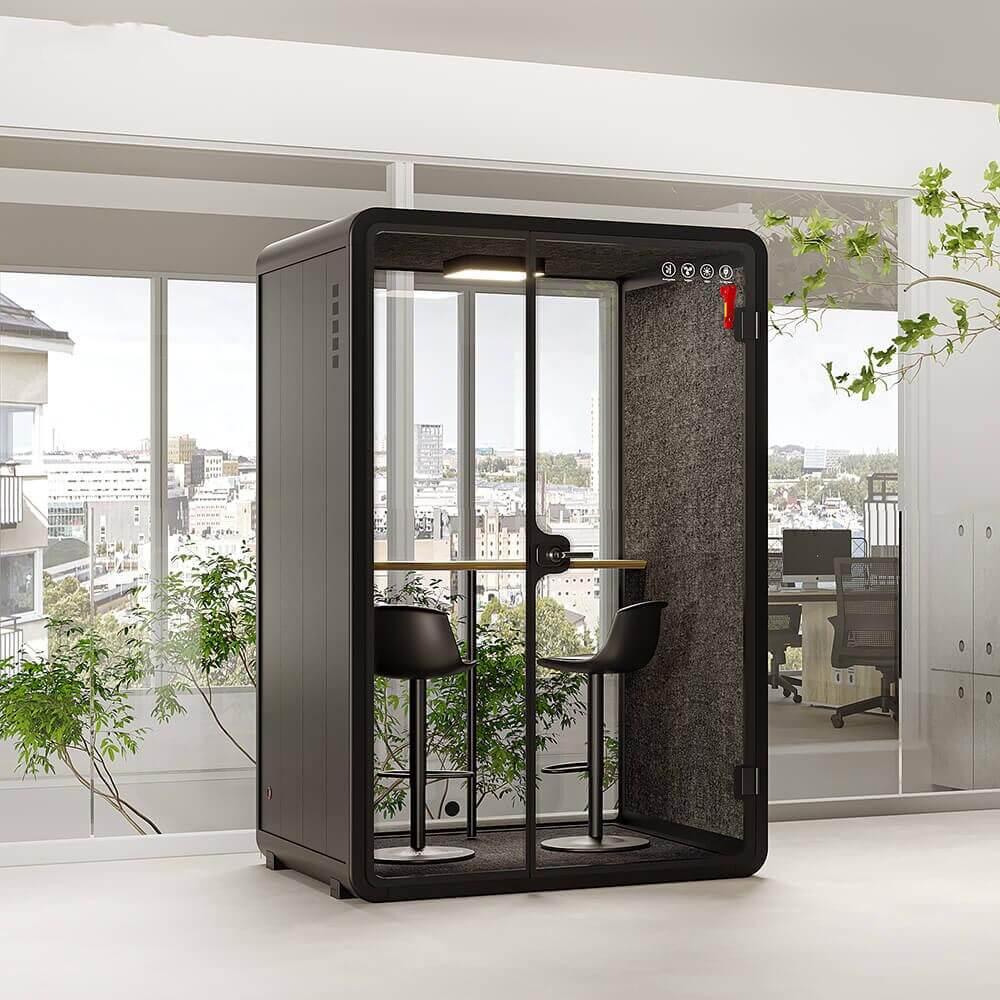
Replacement parts are available in a meaningful sense only when the installed pod can be identified, the component can be ordered, the work can be completed competently, and the unit can pass a defined return-to-service check. A supplier assurance without that route is incomplete.
Freeze a dated parts baseline at handover. Prioritize critical identities, document ordering and escalation, assign downtime alternatives, and update the record whenever a component, supplier route, or configuration changes.



 Tel: +8613538031763
 Email: info@sopworkpod.com
 MP/WhatsApp: +8613538031763
 Manufacturer Address:Liucheng Lujiang District,Meixi Road,Nanan City,Fujian,China