
Need Help?
Please leave your contact information to get our latest catalog
Get In Touch Now >


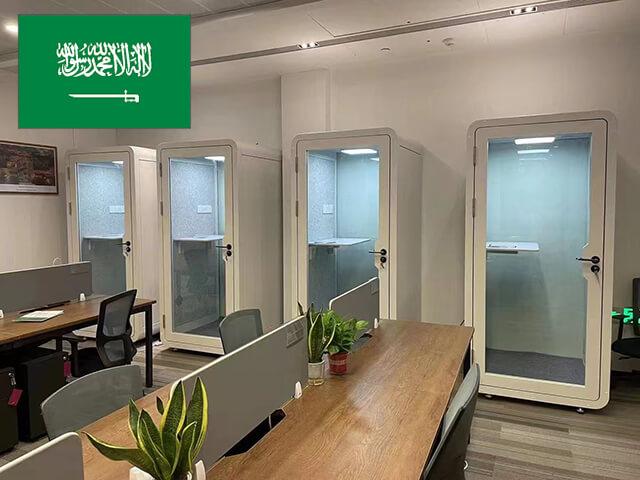
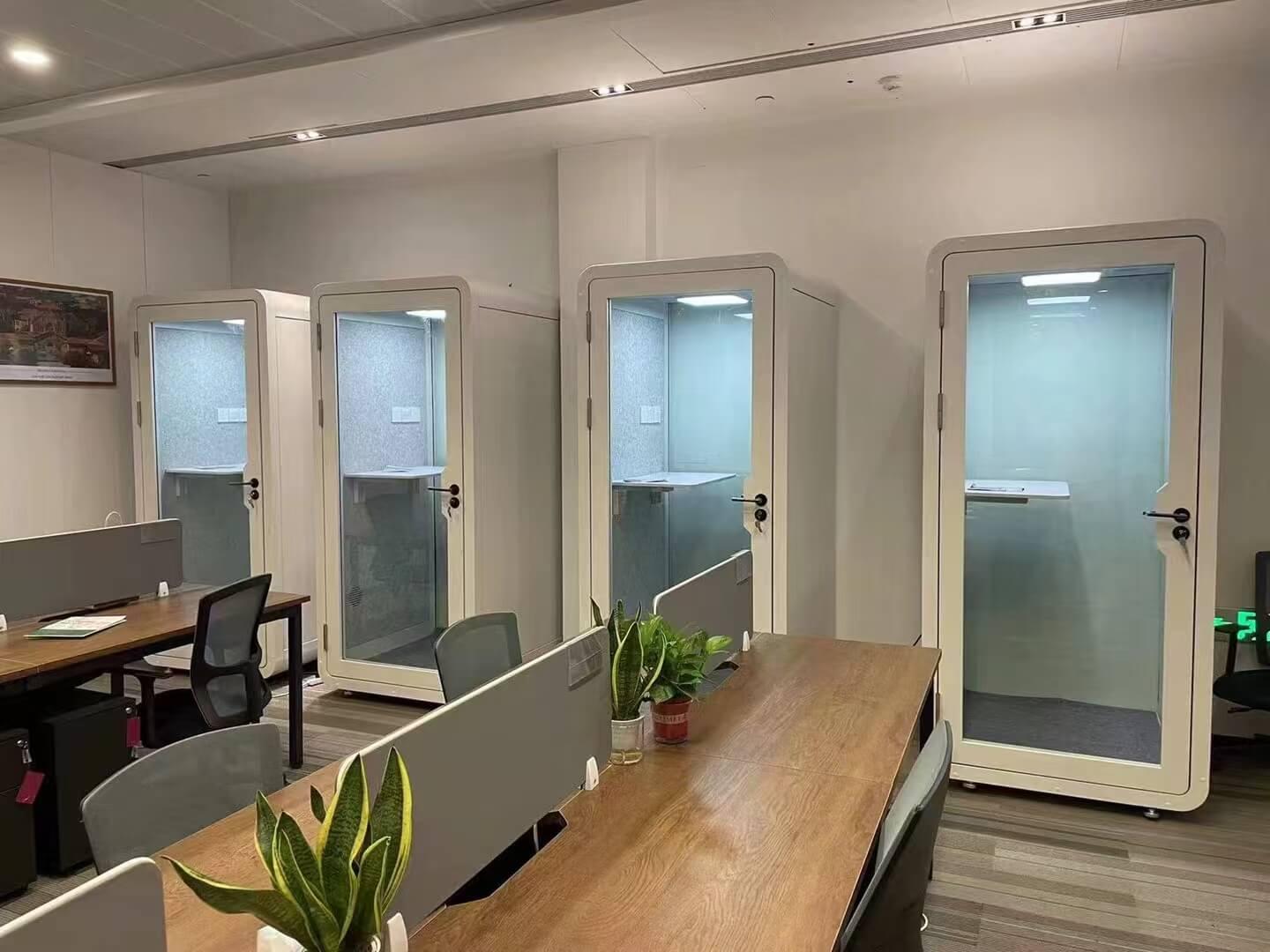
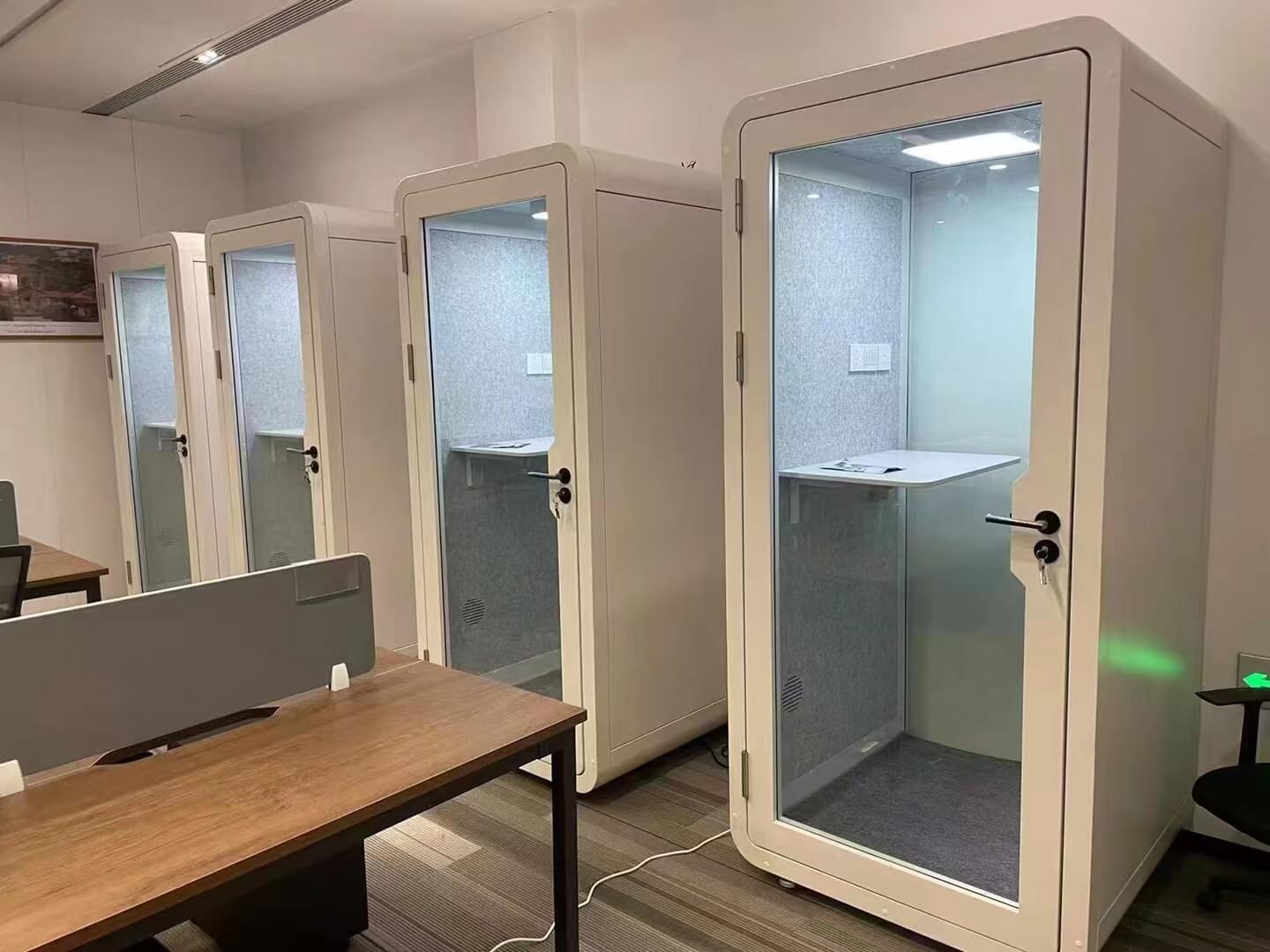
This page retains soundproof office phone booths and a Saudi Arabia workplace context as an application reference. The archived material does not verify the identity of a technology company, an exact acoustic result, a supplied material specification, a completed installation, employee productivity, or a customer endorsement.
The replacement uses an operating-environment chain. It follows how host-room conditions, product configuration, services, daily behavior, and maintenance interact, so the buyer can assign evidence and responsibility without relying on broad benefit claims.
Record the intended room, operating hours, expected users, session length, surrounding activity, daylight, heat sources, room airflow, dust or cleaning conditions, and available electrical service. Saudi Arabia identifies the project location but does not by itself establish indoor design conditions or a legal requirement.
The building team should confirm local fire, electrical, accessibility, property, and contractor requirements. The supplier should state product-side needs and limitations for the proposed configuration. Any mismatch becomes an open interface before quotation approval.
Capture the host-room baseline before the pod arrives. Dated photographs and notes about room layout, active services, temperature control, surrounding noise sources, and planned construction make it easier to diagnose later observations without assuming the product caused every change.
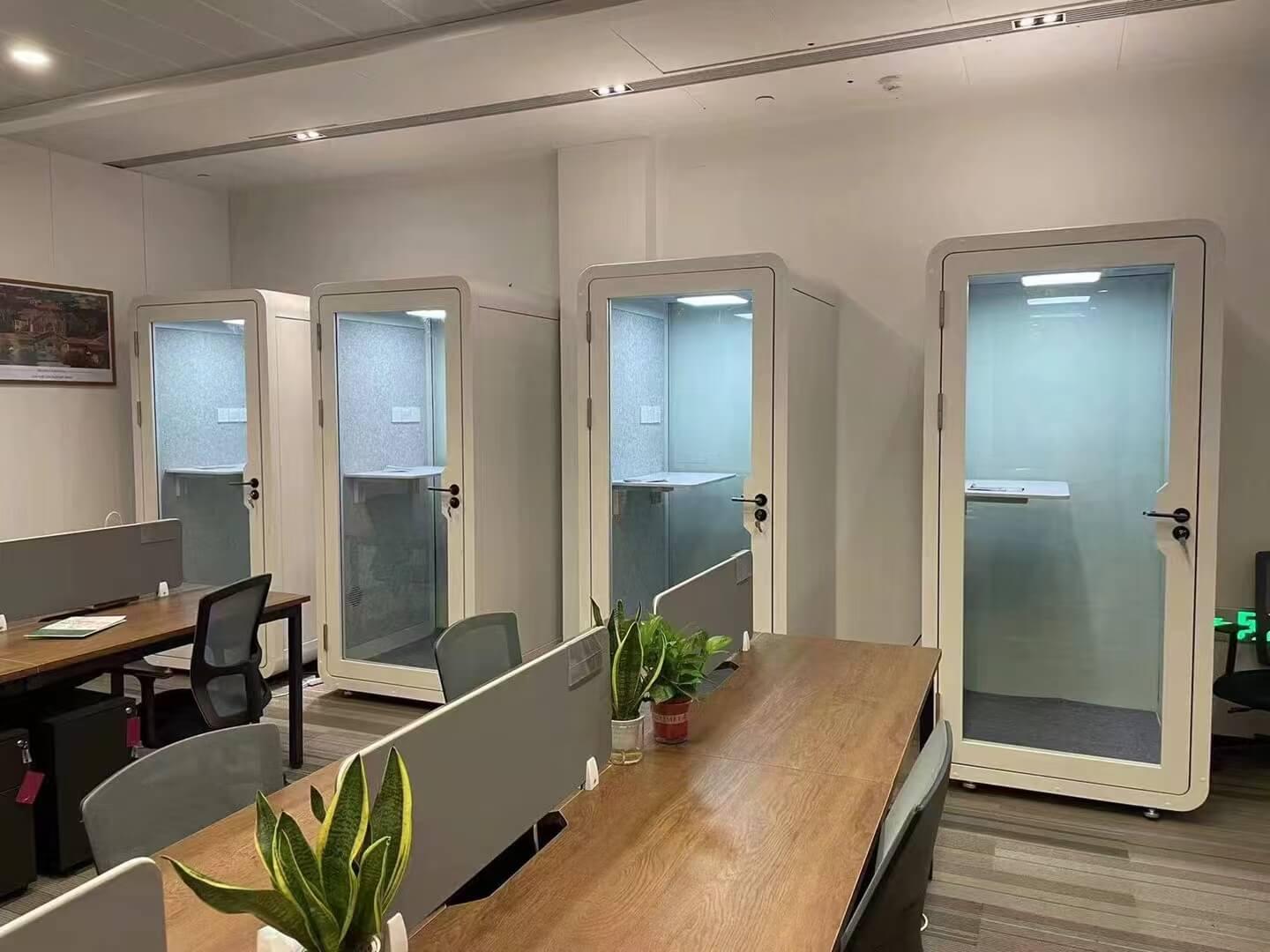
Speech privacy depends on the complete enclosure, seals, glazing, door use, installation condition, surrounding room, and user behavior. Comfort depends on occupancy, session length, internal equipment, product ventilation, host-room conditions, controls, and maintenance. These mechanisms should be discussed separately and then reviewed together.
Ask for applicable information and stated conditions rather than accepting an isolated headline. A material list or image does not prove a field result. If the project defines a measured criterion, agree the method, conditions, and responsible witness before delivery.
Identify the required building supply, connection boundary, outlets, charging, lighting controls, ventilation controls, and any optional communication equipment. Qualified local parties should confirm electrical work and compliance. The configuration record should state what is supplied with the booth and what the buyer or contractor must provide.
Review control placement and guidance for actual users. A booth can only support routine work when users understand entry, door closure, lighting, airflow, power, fault reporting, and reset. Operating guidance should be available in the form and language chosen by the project team.
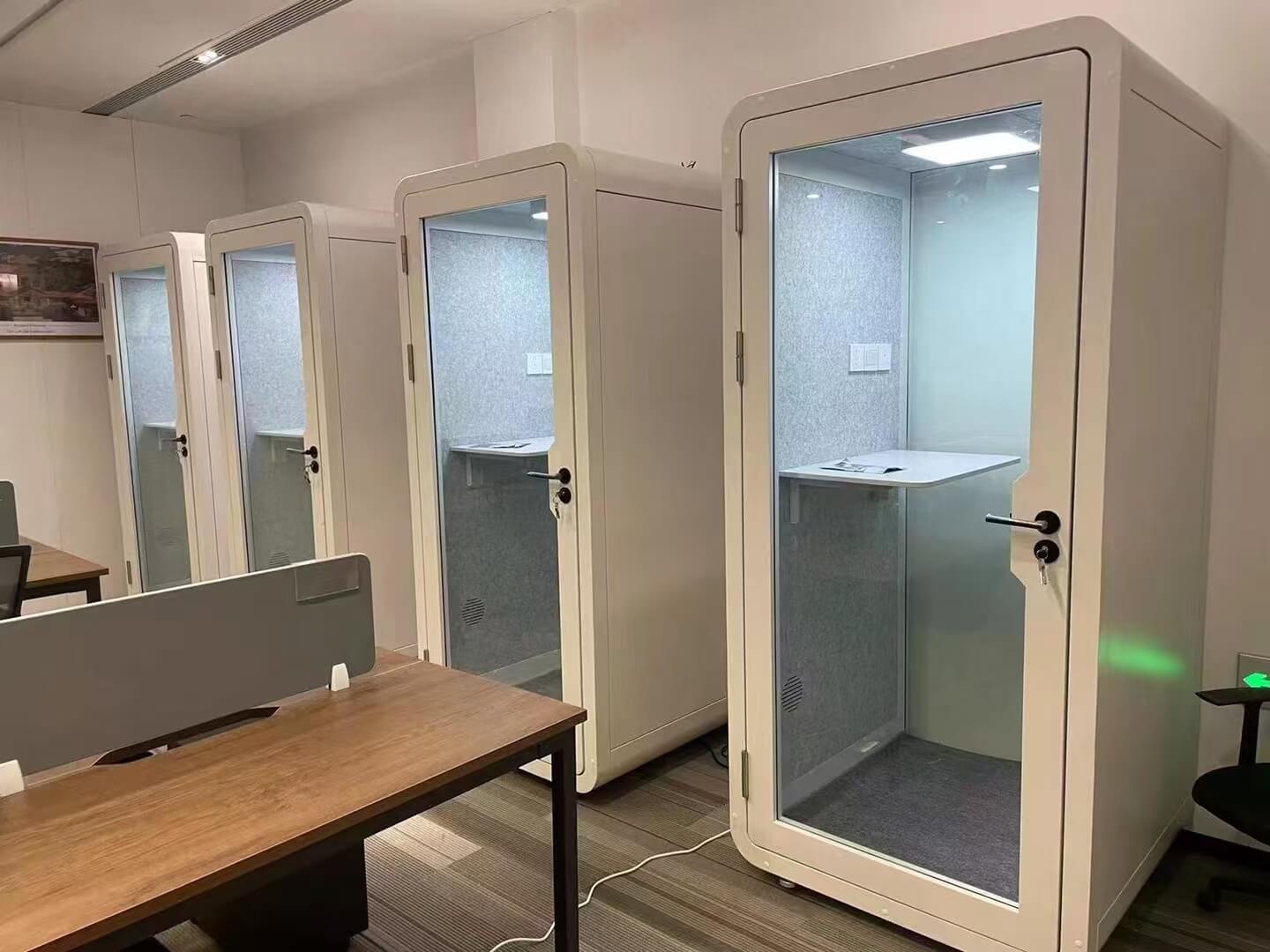
Survey unloading, building access, doors, corridors, lifts, stairs, staging, floor protection, assembly space, working hours, packaging removal, and site supervision. Compare the route with supplier package information and assign responsibilities to the carrier, installer, building team, buyer, and supplier.
Service planning begins before use. Confirm access to inspect or maintain relevant components, routine cleaning, replacement information, records, support contact, and the escalation path for an unresolved fault. Do not assume that remote guidance or local attendance is included unless the contract says so.
| Mechanism | Host-room input | Product or supplier input | Project record |
|---|---|---|---|
| Privacy | Surrounding activity and intended conversation | Configuration and applicable acoustic information | Requirement and agreed verification |
| Comfort | Temperature, airflow, occupancy and duration | Ventilation operation and guidance | Use condition and observation plan |
| Power | Available supply and local work | Connection and included outlets or controls | Interface drawing and sign-off |
| Delivery | Route, permissions and staging | Package and handling data | Route survey and responsibility list |
| Service | Cleaning and facility ownership | Maintenance access and support scope | Lifecycle file and escalation route |
Check model identity, visible condition, position, access, clearances, controls, lighting, ventilation operation, power interface, options, documentation, and outstanding work. Record actual observations and retain the approved configuration. Avoid converting a successful visual check into an unsupported acoustic or productivity claim.
Run the walkthrough under the site's normal operating arrangements and note the conditions. Confirm who may isolate the unit after a fault, who contacts the supplier, and which building or electrical contractor owns an external interface. The record should make it possible to respond without guessing whether a symptom belongs to the product, the host room, the supply, or user behavior.
Schedule a post-handover document review after the project team has closed initial actions. Check that revised drawings, option lists, local approvals, operating guidance, maintenance information, and support contacts are stored in one controlled location. Remove superseded drafts so staff do not act on conflicting instructions.
Buyers can explore the office phone booth product family before asking suppliers to respond to the site-specific environment and responsibility chain.
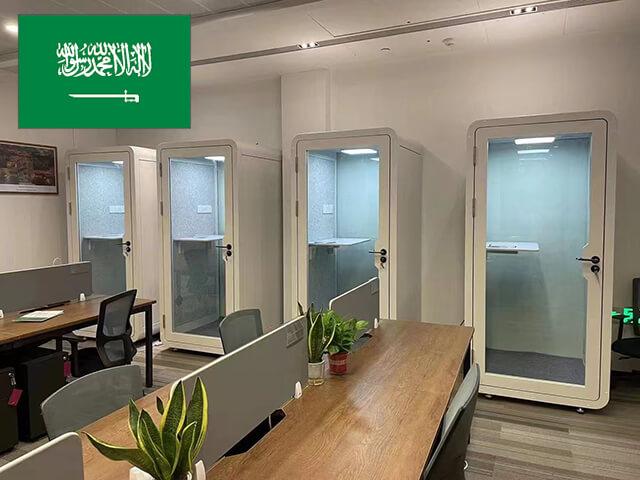
The Saudi Arabia reference now shows how environment, privacy, comfort, power, delivery, service, and handover connect. Each mechanism has a project owner and evidence need. That structure is more useful than an unverified company story and avoids promising a result that the archived record cannot support.

 Tel: +8613538031763
 Email: info@sopworkpod.com
 MP/WhatsApp: +8613538031763
 Manufacturer Address:Liucheng Lujiang District,Meixi Road,Nanan City,Fujian,China