Need Help?
Please leave your contact information to get our latest catalog
Get In Touch Now >

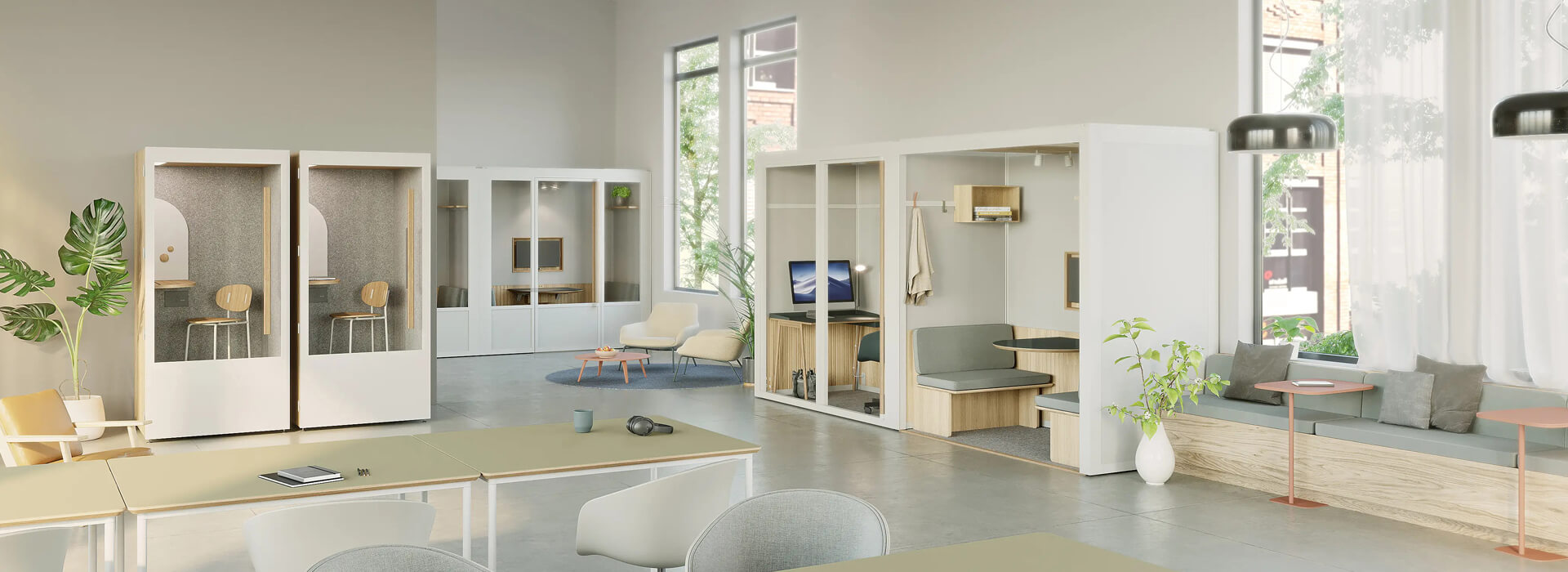
Product selection improves when a team separates the pictured concept from the exact unit it intends to order. The Acoustic Meeting Booths for Private Collaboration page should therefore be read against an identified user group, floor plan, session pattern, equipment list, delivery route, and acceptance owner. The catalog remains a useful reference without being asked to prove more than it actually contains.
Assign an outcome and decision owner to Acoustic Meeting Booths for Private Collaboration at the start. Name the expected occupants, normal and peak session length, devices, furniture, privacy expectation, booking method, cleaning interval, and nearby activity. Record both the intended task and the interruptions the project is trying to remove.
Decide which unresolved boundary would make acoustic meeting booths for private collaboration unsuitable. If local review, utilities, installation access, or future maintenance cannot be assigned, the selection is not ready. Suppliers can then respond to the same boundary instead of guessing the buyer priority.
The project brief should express meeting workflow and collaboration as a checkable condition for Acoustic Meeting Booths for Private Collaboration. Review occupancy, seating, table reach, shared displays, camera framing, entry and exit movement, airflow, and meeting duration. Photographs can document configuration, but the decision record should also capture what users heard, saw, reached, or adjusted.
The main risk attached to acoustic meeting booths for private collaboration can be stated directly: If site work, supplied scope, and user behavior are blended together, responsibility for the meeting workflow and collaboration result of Acoustic Meeting Booths for Private Collaboration becomes unclear. Convert that risk into a question with a named method and acceptance owner. The recommended evidence path is equally concrete: Use a project drawing, option schedule, supplier response, and witnessed check to establish how Acoustic Meeting Booths for Private Collaboration addresses meeting workflow and collaboration at the intended site.
Treat substitutions in Acoustic Meeting Booths for Private Collaboration as interface changes that require review. Compare panels, door and glass interfaces, seals, floor and ceiling elements, ventilation, lighting, outlets, controls, furniture, finishes, fasteners, and service openings. The product family name alone is not enough to establish the ordered build. The acoustic meeting booths for private collaboration product family provides a current internal reference, while the controlled order documents remain authoritative for the project.
Give the receiving team a route and package plan specific to acoustic meeting booths for private collaboration. Confirm whether delivery is kerbside, unloaded, moved internally, assembled, connected, tested, cleaned, and handed over. Qualified local professionals should review building, fire, electrical, accessibility, planning, property, and workplace obligations where applicable.
Link payment milestones for Acoustic Meeting Booths for Private Collaboration to checkable project evidence. Include commissioning, documentation, spare parts, warranty response, and foreseeable relocation work in the cost discussion.
Define how acoustic meeting booths for private collaboration enters normal use and how faults will be reported. Maintenance access and cleaning compatibility should be checked against the actual surrounding layout. This closes the gap between buying an object and operating a workplace asset.
| Decision field | Question for this catalog | Evidence to retain |
|---|---|---|
| Use case | Which users, tasks, equipment, and session pattern define Acoustic Meeting Booths for Private Collaboration? | Approved use brief and scaled layout |
| Operating lens | How will the team assess meeting workflow and collaboration for acoustic meeting booths for private collaboration? | Named observation or trial record |
| Ordered build | Which components and options make this Acoustic Meeting Booths for Private Collaboration configuration complete? | Controlled drawing and option schedule |
| Site boundary | Who owns access, utilities, local review, assembly, and testing for acoustic meeting booths for private collaboration? | Responsibility matrix with due dates |
| Handover | What evidence releases Acoustic Meeting Booths for Private Collaboration into normal operation? | Acceptance file and open-item closure |
Use this matrix for Acoustic Meeting Booths for Private Collaboration at each supplier review. Significant exceptions need explicit approval from the stakeholder who owns the risk.
What prevents a misleading price comparison for Acoustic Meeting Booths for Private Collaboration?
An evidence-based Acoustic Meeting Booths for Private Collaboration enquiry states the decision, gives site and use facts, asks model-specific questions, and names the records needed for approval.
How can a buyer verify the central assumption behind Acoustic Meeting Booths for Private Collaboration?
No. The pictured Acoustic Meeting Booths for Private Collaboration may include different options, surroundings, equipment, or finishes, so the proposed unit requires its own controlled record.
What belongs in the permanent file for acoustic meeting booths for private collaboration?
Retain serial or model identity, exact options, photographs, location, handover date, care plan, warranty route, and replacement information for acoustic meeting booths for private collaboration.
How should the Acoustic Meeting Booths for Private Collaboration download be used after installation?
Retain the Acoustic Meeting Booths for Private Collaboration download as orientation, but use final model identity, approved configuration, handover documents, and current supplier instructions for operation.
The Acoustic Meeting Booths for Private Collaboration catalog can support a professional shortlist when the team defines the operating need, tests meeting workflow and collaboration, controls the ordered build, and records the site and lifecycle boundary. A traceable comparison protects design intent without turning general brochure language into a promise.
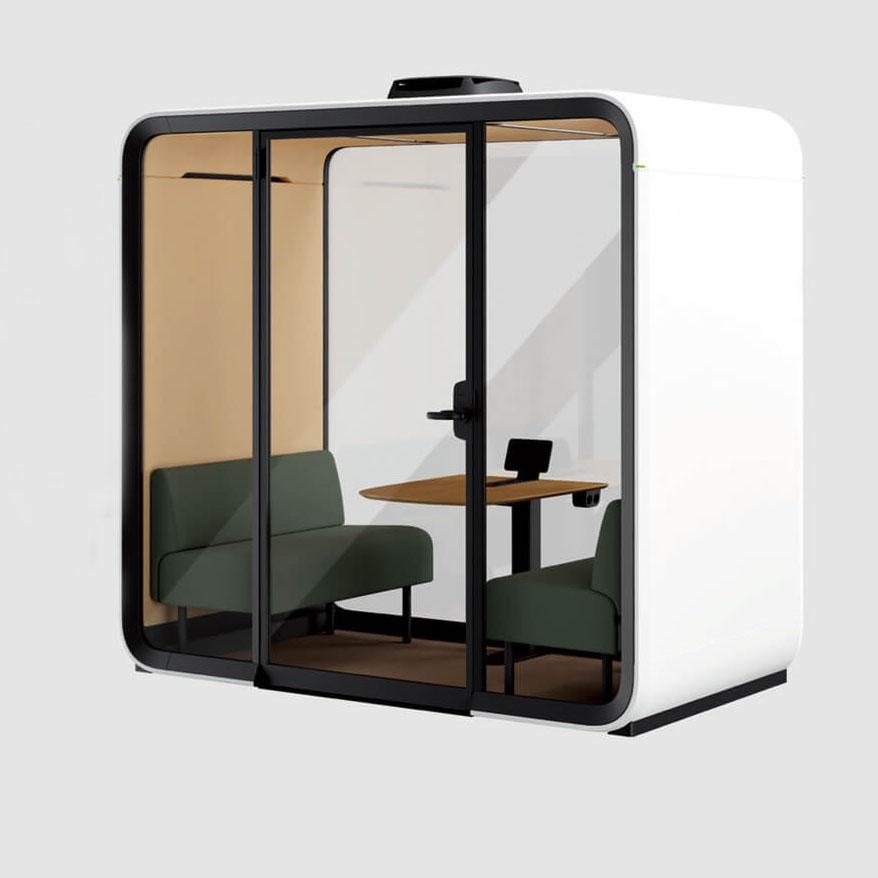
 Loading...
Download our latest Acoustic Meeting Booths for Private Collaboration catalog to
explore product features,
models, and technical specifications. Submit the form to get instant
access.
Submit & Download
Loading...
Download our latest Acoustic Meeting Booths for Private Collaboration catalog to
explore product features,
models, and technical specifications. Submit the form to get instant
access.
Submit & Download

 Tel: +8613538031763
 Email: info@sopworkpod.com
 MP/WhatsApp: +8613538031763
 Manufacturer Address:Liucheng Lujiang District,Meixi Road,Nanan City,Fujian,China